SART Whole-Body Spinal Alignment, Chuna Therapy & International Patient Concierge
30+ Years Clinical Experience
en-US


Neurological & Immune Disorders · Consultation Required
OPLL (Spinal Ligament Calcification)
OPLL is a disease where the posterior longitudinal ligament, which helps stabilize the spine, gradually hardens due to calcium deposits.
Schedule a ConsultationWhat is OPLL (Spinal Ligament Calcification) in Traditional Korean Medicine
OPLL (Ossification of the Posterior Longitudinal Ligament) is a condition in which the ligament that runs along the back of the spine gradually becomes thickened and calcified. The posterior longitudinal ligament helps stabilize the vertebrae and supports the spinal column. When this ligament becomes hardened or ossified, it can reduce spinal flexibility and sometimes place pressure on nearby nerve structures.
OPLL most commonly affects the cervical spine (neck region), although it can also occur in other parts of the spine. As the ligament thickens over time, the space within the spinal canal may become narrower. This change may influence nerve function and lead to symptoms such as neck stiffness, tingling sensations, or reduced mobility.
The condition often develops gradually and may not produce noticeable symptoms during the early stages. Some individuals discover OPLL during imaging tests performed for other reasons. However, as the ligament calcification progresses, patients may experience discomfort in the neck, shoulders, or upper back.
Traditional Korean Medicine approaches OPLL by examining the entire musculoskeletal system rather than focusing only on the calcified ligament itself. Structural factors such as spinal alignment, muscular tension, and posture patterns can influence how symptoms develop and progress.
At Banpo Newborn Korean Medicine Clinic, Dr. Ungjin Im performs a comprehensive evaluation of posture, spinal movement, and musculoskeletal balance. This holistic assessment helps determine how integrative therapies may support spinal comfort and neurological function. While OPLL is a structural condition, many patients seek supportive therapies that focus on improving mobility, reducing tension, and maintaining quality of life.

Who May Need OPLL (Spinal Ligament Calcification) Care?
OPLL can develop gradually and may affect individuals in different ways depending on the location and severity of the calcification. Some patients experience mild symptoms such as neck stiffness, while others may notice changes in mobility or neurological sensations.
Because spinal ligaments play an important role in stabilizing the vertebrae, calcification in this area can influence how the spine moves. Patients may first notice discomfort when turning the neck or maintaining certain postures for extended periods. People who work in sedentary environments or maintain repetitive posture patterns may experience increased tension in the cervical spine. Over time, this tension can contribute to musculoskeletal imbalance that affects spinal comfort.
Individuals who may benefit from OPLL (Spinal Ligament Calcification) care include:
❖ Adults in their 30s–60s experiencing neck stiffness
❖ Individuals diagnosed with OPLL affecting the cervical spine
❖ Patients experiencing restricted neck mobility
❖ Individuals with tingling sensations related to spinal nerve pressure
❖ People with posture-related spinal discomfort
❖ Individuals seeking non-surgical supportive care
During consultation, Dr. Ungjin Im evaluates posture, spinal alignment, and muscular tension patterns to determine the most appropriate treatment strategy.
Early evaluation may help patients better understand how structural and functional factors influence their spinal health.
Meet the Specialist in OPLL Care
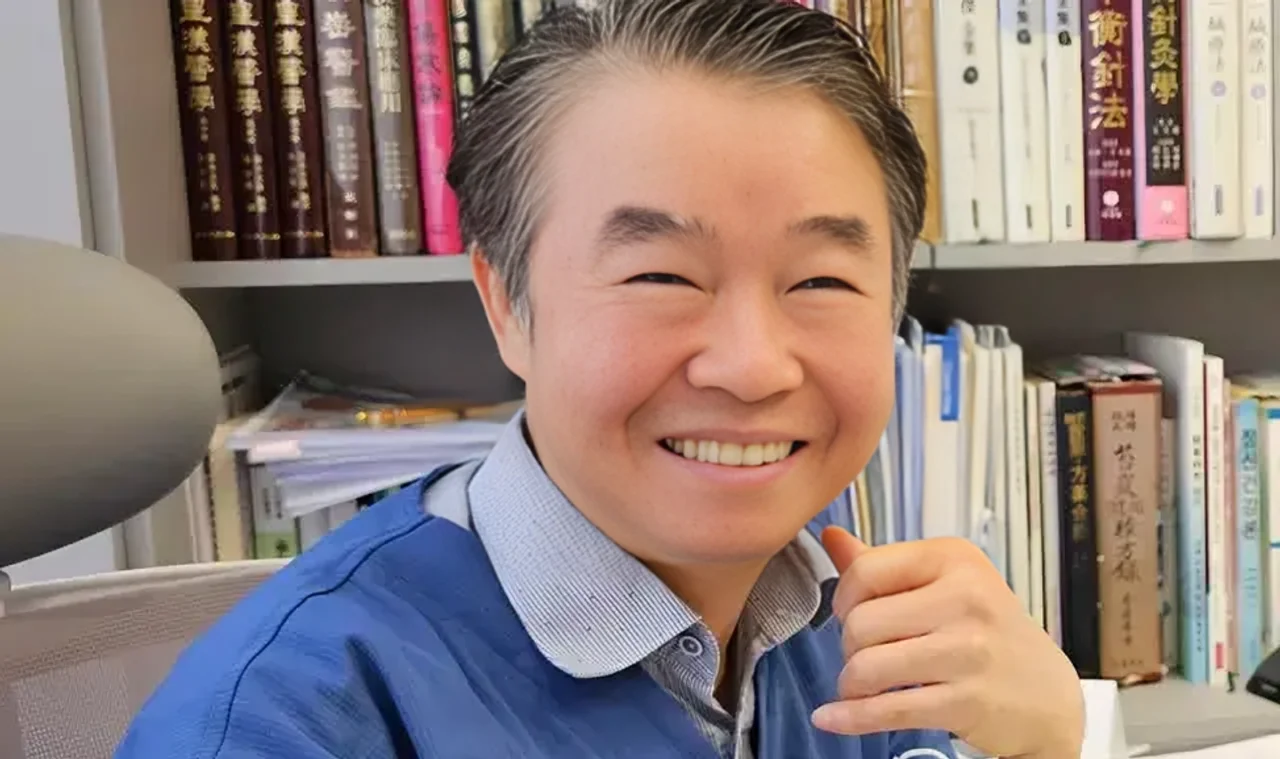 Dr. Ungjin Im**
Spine Correction Korean Medicine Specialist, M.S, B.S, Ph.D.
30 Years Experience in Korean Medicine**
At Banpo Newborn Korean Medicine Clinic, treatment for neurological and spinal conditions is provided by Dr. Ungjin Im, a practitioner specializing in holistic Korean medicine therapies.
Dr. Ungjin Im focuses on identifying the underlying causes of musculoskeletal and neurological discomfort. His clinical approach emphasizes restoring balance within the body through structural evaluation and integrative therapy.
During evaluation, Dr. Im carefully examines posture, spinal alignment, and muscular tension patterns. Because conditions like OPLL may affect nerve pathways and spinal movement, understanding these relationships is essential for developing an appropriate treatment plan. Patients receive personalized evaluations that consider lifestyle habits, posture patterns, and overall musculoskeletal health.
Banpo Newborn Korean Medicine Clinic provides patient-centered care through personalized, non-surgical Oriental medical treatments that integrate spinal alignment, TMJ correction, and musculoskeletal therapy. The clinic’s holistic philosophy focuses on supporting the body’s natural balance and improving overall structural stability.
Patients receive ongoing monitoring and guidance to ensure their treatment plan evolves according to their progress and comfort.
OPLL (Spinal Ligament Calcification) Treatment Areas and Expected Improvements
❖ Cervical Spine: The cervical spine is the most common location where OPLL develops. Treatment focuses on supporting spinal alignment and improving mobility in the neck region.
❖ Thoracic Spine: In some cases, ligament calcification may affect the thoracic region of the spine. Addressing muscular tension in this area may support better posture and spinal stability.
❖ Neck and Shoulder Muscles: Muscular tension surrounding the spine can increase pressure on spinal structures. Therapy may focus on reducing tension and improving muscle balance.
❖ Nerve Pathways: OPLL may influence nerve pathways in the spinal canal. Holistic therapy may help support neurological comfort and mobility.
Expected Improvements
Patients receiving holistic care for OPLL (Spinal Ligament Calcification) may experience improved spinal flexibility, reduced muscular tension, and better comfort during daily activities. Because the condition varies in severity, outcomes depend on individual health factors and ongoing management.
OPLL (Spinal Ligament Calcification) Treatment Process and Timeline
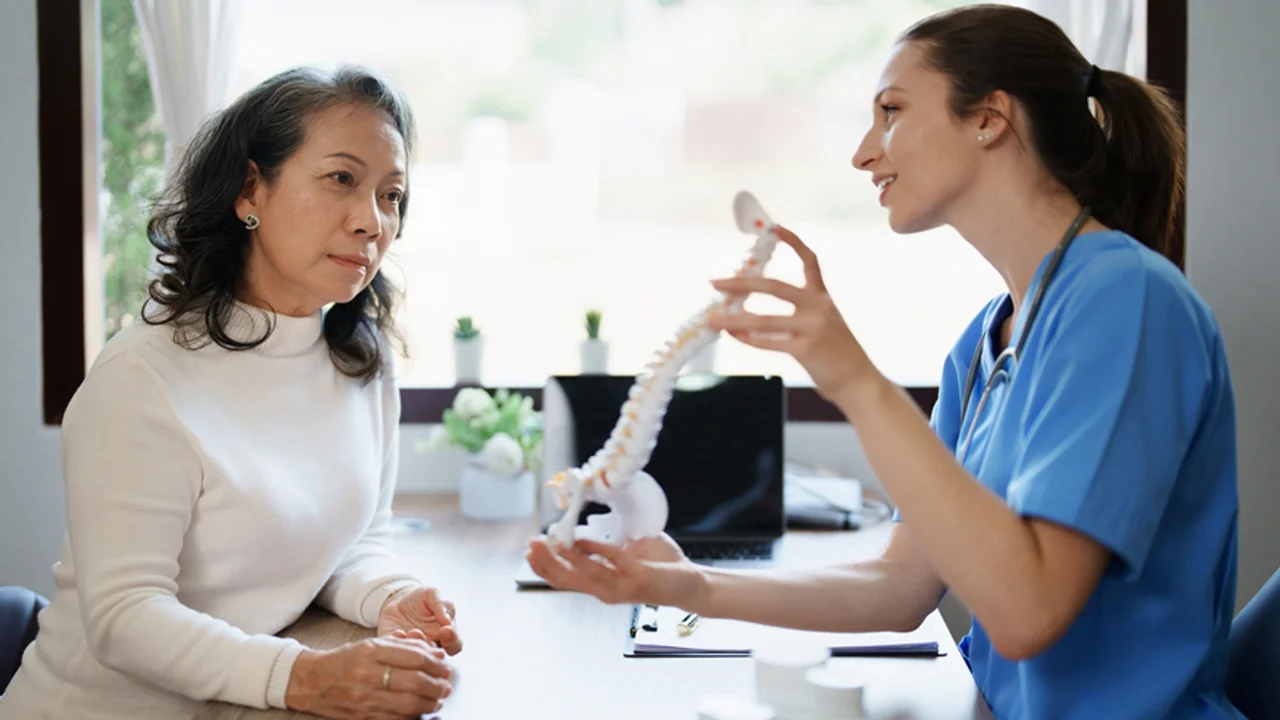
1. Initial Consultation : Patients begin with a comprehensive consultation with Dr. Ungjin Im to review symptoms and medical history.
2. Structural Assessment : A physical evaluation examines spinal alignment, posture, and muscular tension patterns.
3. Personalized Treatment Plan : Based on the assessment, a customized treatment strategy is created to support spinal health.
4. Integrative Korean Medicine Therapy : Treatment sessions focus on restoring musculoskeletal balance and supporting neurological comfort.
5. Follow-Up Monitoring : Regular follow-up visits allow the practitioner to monitor progress and adjust treatment plans when necessary.
OPLL (Spinal Ligament Calcification) Results, Safety, and Longevity
Holistic Korean medicine care for OPLL (Ossification of the Posterior Longitudinal Ligament) focuses on improving spinal comfort and supporting overall structural balance. Because OPLL is a structural spinal condition, treatment approaches typically emphasize supportive management rather than attempting rapid correction. The goal is to help maintain mobility, reduce physical strain, and support the body’s natural ability to adapt to structural changes.
Many patients seek integrative therapies to help improve mobility and reduce tension in the muscles surrounding the spine. These therapies may support better posture, improved circulation, and reduced muscular tightness. As treatment progresses, some patients notice gradual improvements in comfort and movement as the body adapts to improved alignment and decreased muscular strain around the affected areas.
During treatment, some individuals may experience temporary responses such as mild muscle soreness, temporary fatigue after therapy sessions, or short-term sensitivity in the treated areas. These reactions are usually mild and resolve quickly as the body adjusts to therapeutic care. Serious complications are uncommon when treatment is performed by qualified practitioners. Patients are encouraged to maintain regular communication with their healthcare providers and follow recommended care plans to support long-term spinal health and overall well-being.
Why Choose Banpo Newborn Korean Medicine Clinic for OPLL Care?
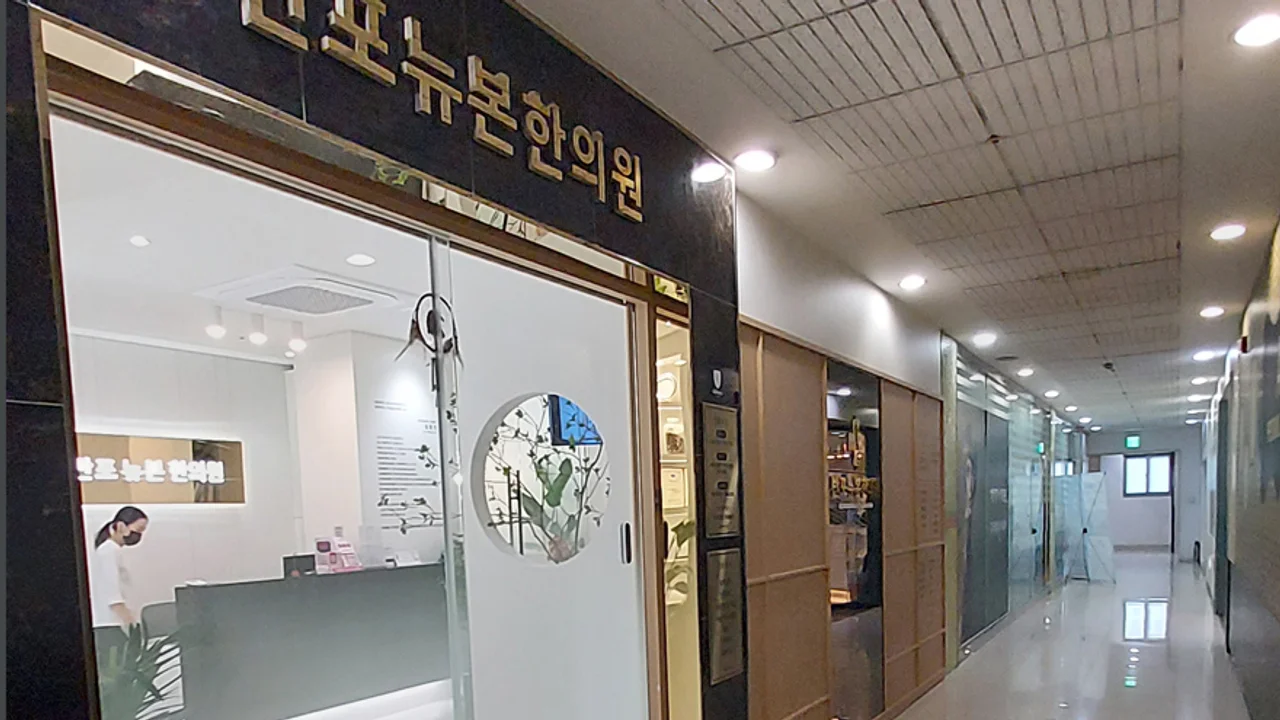
Choosing a clinic experienced in holistic spinal care can help patients manage complex conditions like OPLL more comfortably.
At Banpo Newborn Korean Medicine Clinic, treatment focuses on understanding how structural and functional factors influence spinal health. The clinic is a holistic Korean medicine clinic specializing in spinal alignment, TMJ correction, and integrative musculoskeletal therapy using personalized, non-surgical Oriental medical treatments.
Patients benefit from:
❖ Comprehensive evaluation of spinal alignment and posture
❖ Non-surgical therapy focused on musculoskeletal balance
❖ Personalized treatment plans tailored to individual needs
❖ Holistic care designed to support long-term wellness
Under the care of Dr. Ungjin Im, patients receive structured, supportive treatment designed to improve comfort and mobility.
Real Patient Examples and Testimonials
Cervical Spine OPLL Patient – Age 48
A patient in their late 40s visited Banpo Newborn Korean Medicine Clinic after being diagnosed with OPLL affecting the cervical spine. They reported persistent neck stiffness and occasional tingling sensations in the shoulders that made daily activities uncomfortable.
Other Treatments
Discover additional spinal, TMJ, pediatric, and Korean medicine programs.

Turtle neck/Straight neck
Scoliosis is a condition where the spine curves abnormally sideways, while “straight neck syndrome” (also called military neck) involves a loss of the natural cervical curvature
Learn More

Menstrual Pain
Menstrual pain can be more than just an inconvenience—it’s a sign that the body may be out of balance. Korean traditional medicine offers a comprehensive, natural solution that aligns with the body’s rhythms and promotes overall wellness.
Learn More

Dementia
Korean traditional medicine offers a holistic and personalized approach that addresses the root imbalances behind cognitive decline.
Learn More