SART Whole-Body Spinal Alignment, Chuna Therapy & International Patient Concierge
30+ Years Clinical Experience
en-US


Pediatric & Adolescent Conditions · Consultation Required
ADHD (Attention-Deficit/Hyperactivity Disorder)
ADHD (Attention-Deficit/Hyperactivity Disorder) is a common neurodevelopmental condition affecting both children and adults.
Schedule a ConsultationWhat is ADHD (Attention-Deficit/Hyperactivity Disorder) in Traditional Korean Medicine
ADHD (Attention-Deficit/Hyperactivity Disorder) is a neurodevelopmental condition that affects how the brain regulates attention, impulse control, and activity levels. Children with ADHD may have difficulty maintaining focus on tasks, following instructions, or remaining still during activities that require sustained concentration.
ADHD symptoms often appear during childhood and may continue into adolescence. Common characteristics include inattentiveness, impulsive decision-making, restlessness, and challenges with organization or time management. These behaviors can affect academic performance, social interactions, and emotional well-being.
Although ADHD is commonly associated with behavioral symptoms, it also involves neurological regulation within the brain. Children with ADHD may process information differently, which can influence how they respond to stimuli, manage emotions, and control impulses.
Traditional Korean Medicine views ADHD through a holistic lens that considers the relationship between the nervous system, musculoskeletal alignment, and overall physical balance. Factors such as posture, muscular tension, sleep quality, and lifestyle habits may influence neurological function and behavioral patterns.
At Banpo Newborn Korean Medicine Clinic, Dr. Ungjin Im conducts comprehensive evaluations that consider both neurological and physical aspects of a child’s development. This includes examining posture, spinal alignment, jaw balance (TMJ), and overall musculoskeletal health. By addressing these interconnected elements, integrative therapy aims to support improved focus, emotional regulation, and overall developmental balance. Parents often appreciate this holistic approach because it focuses on supporting the child’s long-term health and development while respecting the uniqueness of each child’s condition.

Who May Benefit from ADHD (Attention-Deficit/Hyperactivity Disorder) Care?
ADHD symptoms can vary significantly from one child to another. Some children may struggle primarily with attention and focus, while others display more pronounced hyperactivity or impulsive behavior. Children may also experience difficulties in school environments that require sustained concentration or structured routines. When these challenges begin to affect academic performance or relationships with peers, parents may seek professional evaluation.
Early evaluation can help identify behavioral patterns and developmental factors that influence attention and self-regulation. Integrative care approaches often focus on improving overall neurological balance while supporting the child’s physical and emotional well-being.
Children and adolescents who may benefit from ADHD (Attention-Deficit/Hyperactivity Disorder) care include:
❖ Children aged 6–16 experiencing difficulty maintaining attention
❖ Students struggling with focus during schoolwork
❖ Children with impulsive behavior or difficulty following instructions
❖ Adolescents experiencing restlessness or difficulty staying organized
❖ Children with posture-related tension or physical restlessness
❖ Families seeking holistic, non-surgical pediatric care
During consultation, Dr. Ungjin Im evaluates the child’s posture, musculoskeletal balance, and behavioral patterns to better understand how neurological regulation may be influenced by physical factors.
This comprehensive evaluation helps guide personalized treatment planning.
Meet the Specialist in ADHD (Attention-Deficit/Hyperactivity Disorder) Care
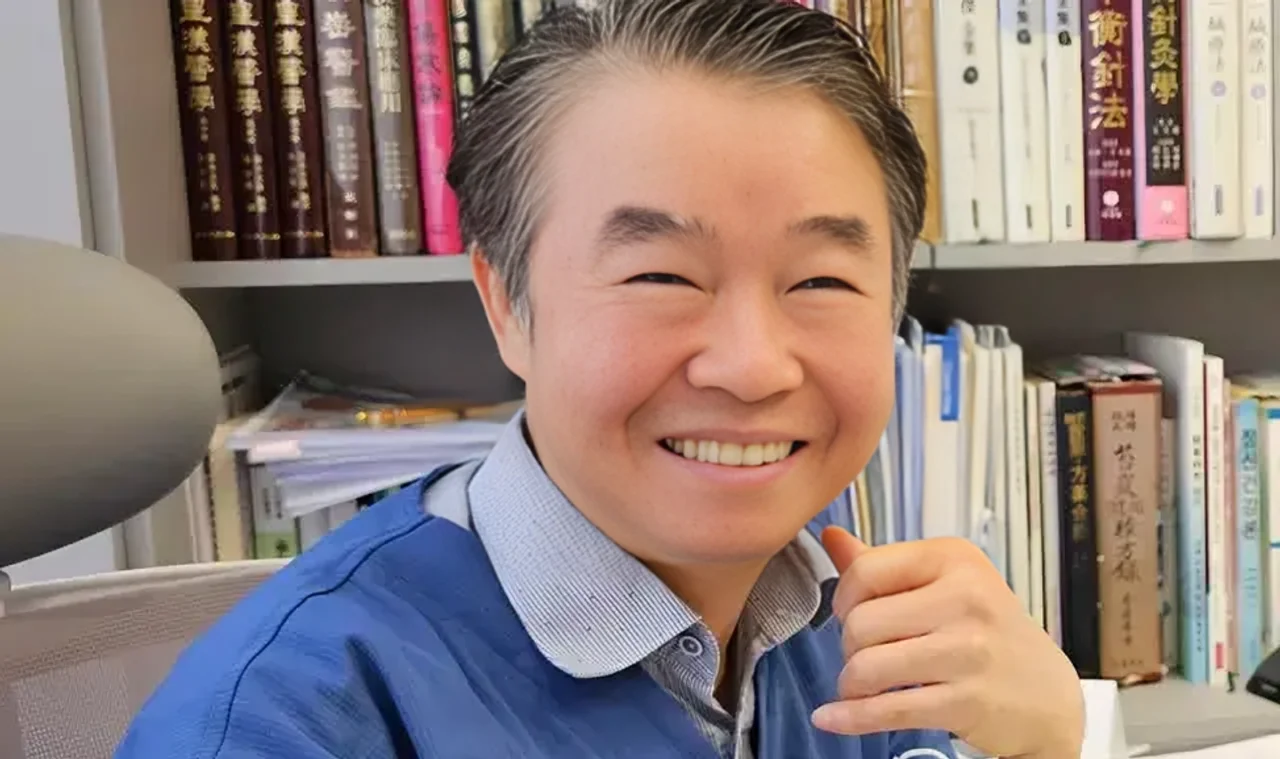 Dr. Ungjin Im**
Spine Correction Korean Medicine Specialist, M.S, B.S, Ph.D.
30 Years Experience in Korean Medicine**
At Banpo Newborn Korean Medicine Clinic, pediatric neurological care is provided by Dr. Ungjin Im, a practitioner specializing in holistic Korean medicine therapies.
Dr. Ungjin Im focuses on identifying the underlying factors that influence neurological and behavioral health. His approach emphasizes understanding how musculoskeletal alignment, posture patterns, and nervous system regulation interact with cognitive development.
During pediatric evaluations, Dr. Im carefully examines spinal alignment, jaw balance (TMJ), and muscular tension that may influence neurological pathways connected to attention and behavioral regulation. Children receive individualized assessments that consider their physical development, lifestyle habits, and learning environment.
Banpo Newborn Korean Medicine Clinic provides child-centered care through personalized, non-surgical Oriental medical treatments designed to support neurological balance and healthy development. The clinic emphasizes a supportive environment where children and parents can work together with practitioners to create a treatment plan tailored to the child’s needs.
ADHD (Attention-Deficit/Hyperactivity Disorder) Treatment Areas and Expected Improvements
❖ Neurological Regulation: ADHD involves differences in how the brain regulates attention and impulse control. Holistic Korean medicine care focuses on supporting balanced neurological activity.
❖ Cervical Spine Alignment: The cervical spine influences nerve pathways connected to the brain. Evaluating spinal alignment may help identify physical factors affecting neurological balance.
❖ Temporomandibular Joint (TMJ): Jaw alignment can influence muscle tension and nerve function in the head and neck. Addressing TMJ balance may support overall neurological comfort.
❖ Postural Stability: Children with ADHD may experience restlessness or difficulty maintaining posture during seated activities. Improving musculoskeletal balance may support physical stability during learning tasks.
Expected Improvements
Children receiving holistic care for ADHD (Attention-Deficit/Hyperactivity Disorder) may experience improvements in concentration, emotional regulation, and overall comfort during daily activities. Because each child’s neurological development is unique, treatment outcomes vary depending on individual factors.
ADHD (Attention-Deficit/Hyperactivity Disorder) Treatment Process and Timeline

1. Initial Consultation : Parents and children begin with a detailed consultation with Dr. Ungjin Im to discuss symptoms, developmental history, and lifestyle habits.
2. Comprehensive Assessment : The practitioner evaluates posture, spinal alignment, jaw balance, and behavioral patterns that may influence neurological regulation.
3. Personalized Treatment Plan : A customized care plan is developed based on the child’s individual needs and developmental stage.
4. Integrative Korean Medicine Therapy : Treatment sessions focus on supporting neurological balance and musculoskeletal alignment.
5. Follow-Up Monitoring : Regular follow-up visits allow practitioners to monitor the child’s progress and adjust the treatment plan when necessary.
ADHD (Attention-Deficit/Hyperactivity Disorder) Results, Safety, and Longevity
Holistic Korean medicine care for ADHD focuses on supporting a child’s neurological balance and overall developmental well-being rather than aiming for rapid behavioral changes. This approach emphasizes helping the body maintain balance through supportive therapies that may assist with physical comfort, relaxation, and general neurological stability.
Because every child develops at their own pace, improvements may occur gradually over time. Treatment is designed to support overall physical and neurological balance while encouraging healthy development. As therapy continues, some children may experience gradual changes in focus, comfort, and daily functioning as the body adapts to improved structural and physical balance.
During treatment, some temporary responses may occur, such as mild fatigue after therapy sessions, temporary muscle sensitivity, or short adjustment periods as the body adapts to structural changes. These responses are generally mild and resolve quickly. Serious complications are uncommon when treatment is provided by qualified practitioners. Parents are encouraged to maintain open communication with healthcare providers and continue supportive educational and behavioral strategies alongside integrative therapy.
Why Choose Banpo Newborn Korean Medicine Clinic for ADHD Care?

Choosing the right clinic for pediatric neurological care is an important decision for families.
At Banpo Newborn Korean Medicine Clinic, treatment focuses on understanding the child’s overall development and physical balance rather than addressing behavioral symptoms alone. The clinic is a holistic Korean medicine clinic specializing in spinal alignment, TMJ correction, and integrative musculoskeletal therapy using personalized, non-surgical Oriental medical treatments.
Clinic USPs :
❖ Personalized pediatric evaluations
❖Non-surgical, child-centered treatment approaches
❖ Holistic care focused on neurological and musculoskeletal balance
❖ Supportive guidance for parents and children throughout treatment
Under the care of Dr. Ungjin Im, children receive individualized care designed to support healthy development and improved daily functioning.
Real Patient Examples and Testimonials
Elementary School Student – Age 9
A parent brought their 9-year-old child to Banpo Newborn Korean Medicine Clinic after teachers noticed the child struggled to stay focused during classroom activities. The child often became restless during lessons and had difficulty completing tasks that required sustained attention.
Other Treatments
Discover additional spinal, TMJ, pediatric, and Korean medicine programs.

Turtle neck/Straight neck
Scoliosis is a condition where the spine curves abnormally sideways, while “straight neck syndrome” (also called military neck) involves a loss of the natural cervical curvature
Learn More

Menstrual Pain
Menstrual pain can be more than just an inconvenience—it’s a sign that the body may be out of balance. Korean traditional medicine offers a comprehensive, natural solution that aligns with the body’s rhythms and promotes overall wellness.
Learn More

Dementia
Korean traditional medicine offers a holistic and personalized approach that addresses the root imbalances behind cognitive decline.
Learn More