SART Whole-Body Spinal Alignment, Chuna Therapy & International Patient Concierge
30+ Years Clinical Experience
en-US


Pediatric & Adolescent Conditions · Consultation Required
Developmental Disorders
Developmental disorders are a group of conditions that result in impairments in physical, learning, language, or behavior.
Schedule a ConsultationWhat are Developmental Disorders in Traditional Korean Medicine
Developmental Disorders refer to conditions that affect how a child grows, learns, communicates, and interacts with others. These conditions may influence various aspects of development, including cognitive skills, speech and language, social behavior, motor coordination, and emotional regulation. Children develop important abilities during early childhood, such as speaking, walking, learning, and forming relationships with others. When development in one or more of these areas progresses more slowly or differently than expected, professionals may describe the situation as a developmental disorder or developmental delay.
Examples of developmental challenges can include difficulties with language development, challenges with attention and learning, delays in motor coordination, or problems with emotional and social interactions. The severity and type of developmental differences vary widely from one child to another. From the perspective of Traditional Korean Medicine, developmental disorders are not viewed as isolated neurological issues. Instead, practitioners evaluate how the entire body system contributes to development. Factors such as posture, spinal alignment, muscle tension, sleep patterns, and emotional stress can influence how the nervous system functions.
At Banpo Newborn Korean Medicine Clinic, Dr. Ungjin Im performs comprehensive evaluations that examine physical alignment and neurological regulation. The clinic’s philosophy recognizes that healthy development is influenced by both neurological function and physical balance. By identifying structural or functional imbalances that may influence the nervous system, practitioners aim to create personalized treatment plans that support the child’s developmental progress.
Parents often appreciate this holistic approach because it focuses on supporting the child’s natural growth and overall well-being rather than treating symptoms in isolation.

Who May Benefit from Developmental Disorders Care?
Developmental disorders can affect children at different stages of growth. Some children show early signs during infancy or toddlerhood, while others may experience challenges that become more noticeable during preschool or school-age years.
Parents may first recognize developmental differences when their child struggles with communication, learning tasks, social interactions, or physical coordination. Teachers or caregivers may also observe developmental challenges in structured environments such as classrooms or group activities.
Children experiencing developmental difficulties may become frustrated when they feel unable to keep up with peers or communicate their thoughts effectively. Early supportive care can help families better understand these challenges and develop strategies to support the child’s growth.
Children and adolescents who may benefit from Developmental Disorders care include:
❖ Children aged 2–16 experiencing developmental delays
❖ Children with speech or communication challenges
❖ Students experiencing learning or attention difficulties
❖ Children with motor coordination or balance issues
❖ Adolescents experiencing emotional or behavioral regulation challenges
❖ Families seeking holistic, non-surgical pediatric support
During consultation, Dr. Ungjin Im evaluates posture, musculoskeletal balance, neurological patterns, and lifestyle habits that may influence development. This comprehensive evaluation helps identify potential physical and neurological factors contributing to developmental differences.
Early evaluation often allows families to receive guidance and develop supportive strategies tailored to the child’s needs.
Meet the Specialist in Developmental Disorders Care
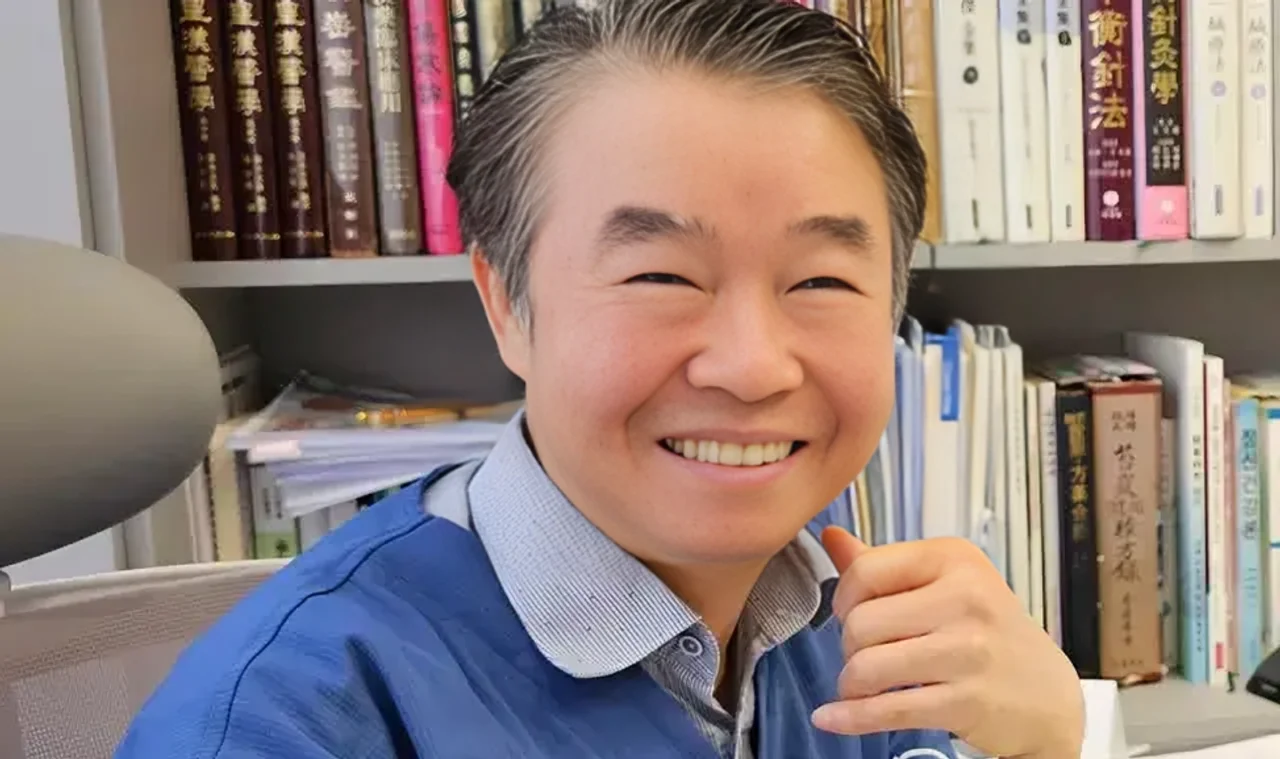 Dr. Ungjin Im**
Spine Correction Korean Medicine Specialist, M.S, B.S, Ph.D.
30 Years Experience in Korean Medicine**
At Banpo Newborn Korean Medicine Clinic, pediatric care for developmental conditions is provided by Dr. Ungjin Im, a practitioner specializing in holistic Korean medicine therapies for children and adolescents.
Dr. Ungjin Im focuses on understanding the underlying physical and neurological factors that influence childhood development. His clinical approach integrates traditional Korean medicine principles with modern musculoskeletal evaluation to support balanced growth.
During pediatric assessments, Dr. Im examines spinal alignment, cervical posture, TMJ balance, and muscle tension patterns that may influence nervous system regulation. Because the nervous system communicates through pathways connected to the spine and musculoskeletal structures, these evaluations provide valuable insights into a child’s development. Children receive individualized assessments that consider posture habits, sleep patterns, daily routines, and emotional stress levels.
Banpo Newborn Korean Medicine Clinic is a holistic Korean medicine clinic specializing in spinal alignment, TMJ correction, and integrative musculoskeletal therapy using personalized, non-surgical Oriental medical treatments. This philosophy emphasizes treating the body as an interconnected system where neurological function, physical alignment, and emotional health influence one another.
Developmental Disorders Treatment Areas and Expected Improvements
❖ Neurological Regulationv: Developmental disorders often involve differences in how the brain processes information and regulates behavior. Holistic therapy focuses on supporting balanced neurological activity and improving communication between the nervous system and the body.
❖ Cervical Spine Alignment : The cervical spine supports the head and contains important nerve pathways connected to the brain. Evaluating spinal alignment may help identify structural factors that influence neurological function.
❖ Temporomandibular Joint (TMJ) : Jaw alignment can affect muscle tension in the head and neck region. Evaluating TMJ balance may help identify physical stress patterns that influence neurological comfort.
❖ Musculoskeletal Stability : Muscle balance and posture play an important role in motor development and coordination. Addressing musculoskeletal stability may support physical comfort during daily activities.
Expected Improvements
Children receiving holistic care for Developmental Disorders may experience improvements in comfort during learning activities, better physical balance, and increased emotional stability. Because developmental progress varies widely among children, improvements occur gradually and depend on individual developmental patterns.
Developmental Disorders Treatment Process and Timeline

1. Initial Consultation : Parents and children meet with Dr. Ungjin Im to discuss developmental history, behavioral observations, and daily routines.
2. Comprehensive Assessment : A physical evaluation examines posture, spinal alignment, muscle tension, and neurological regulation patterns.
3. Personalized Treatment Plan : Based on the assessment findings, a customized treatment strategy is developed to support neurological balance and developmental progress.
4. Integrative Korean Medicine Therapy : Treatment sessions involve non-surgical therapies designed to support musculoskeletal alignment and nervous system regulation.
5. Follow-Up Monitoring : Regular follow-up visits allow practitioners to monitor the child’s progress and adjust treatment strategies when necessary.
Developmental Disorders Results, Safety, and Longevity
Holistic Korean medicine care for developmental disorders focuses on supporting the child’s neurological and physical balance over time. Instead of aiming for immediate or rapid changes, treatment emphasizes gradual progress as the child’s body develops stronger structural support and improved neurological stability. This approach seeks to encourage overall well-being by helping the body maintain better balance, coordination, and physical comfort.
Children receiving integrative therapy may gradually experience improvements in areas such as physical comfort, coordination, emotional regulation, and engagement with daily activities. As treatment continues, supportive therapies may help reduce physical tension, improve posture, and encourage better body awareness. Because every child develops at a different pace, progress can vary, and gradual changes may become more noticeable over time.
During treatment, some temporary responses may occur. These can include mild fatigue following therapy sessions, temporary muscle sensitivity, or short adjustment periods as the body adapts to improved alignment and therapeutic stimulation. These responses are usually mild and temporary and often resolve as the body becomes accustomed to treatment.
Serious complications are uncommon when treatment is provided by qualified practitioners who follow appropriate clinical guidelines. Parents are encouraged to maintain communication with healthcare providers and continue educational, behavioral, and therapeutic support strategies alongside holistic care to help support the child’s overall development and long-term well-being.
Why Choose Banpo Newborn Korean Medicine Clinic for Developmental Disorders Care?

Choosing the right clinic for pediatric developmental care is an important decision for families.
At Banpo Newborn Korean Medicine Clinic, treatment focuses on understanding the child’s overall development and physical balance rather than addressing isolated symptoms. The clinic is a holistic Korean medicine clinic specializing in spinal alignment, TMJ correction, and integrative musculoskeletal therapy using personalized, non-surgical Oriental medical treatments.
Clinic USPs :
Other Treatments
Discover additional spinal, TMJ, pediatric, and Korean medicine programs.

Turtle neck/Straight neck
Scoliosis is a condition where the spine curves abnormally sideways, while “straight neck syndrome” (also called military neck) involves a loss of the natural cervical curvature
Learn More

Menstrual Pain
Menstrual pain can be more than just an inconvenience—it’s a sign that the body may be out of balance. Korean traditional medicine offers a comprehensive, natural solution that aligns with the body’s rhythms and promotes overall wellness.
Learn More
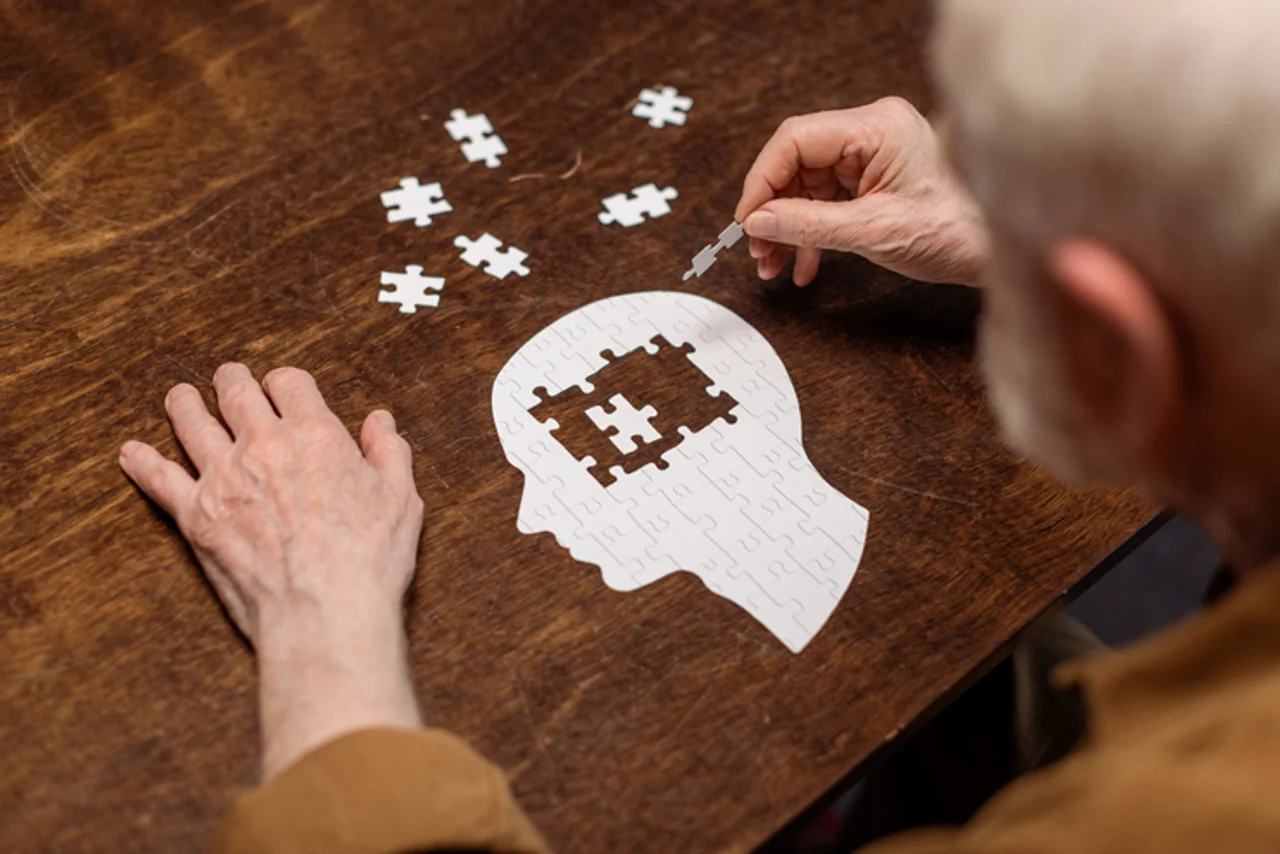
Dementia
Korean traditional medicine offers a holistic and personalized approach that addresses the root imbalances behind cognitive decline.
Learn More