SART Whole-Body Spinal Alignment, Chuna Therapy & International Patient Concierge
30+ Years Clinical Experience
en-US


Other Conditions Treated · Consultation Required
Digestive Disorders
Digestive disorders are among the most common health complaints, ranging from occasional indigestion to chronic conditions such as gastritis, irritable bowel syndrome (IBS), and reflux.
Schedule a ConsultationDigestive Disorders

Digestive disorders are among the most common and disruptive health issues in modern life. Whether it’s chronic indigestion, bloating, constipation, irritable bowel syndrome (IBS), or gastritis, digestive dysfunction affects not only the gastrointestinal tract but also energy, mood, sleep, and immune resilience. While medications such as antacids, laxatives, or anti-spasmodics may offer short-term relief, they often fail to address the underlying dysfunctions that drive recurring symptoms.
At Banpo Newborn Korean Medicine Clinic in Seoul, Dr. Ungjin Im offers a holistic, personalized solution. By integrating full-body spinal correction, Chuna manual therapy, herbal acupuncture, and traditional Korean herbal medicine, this approach corrects the structural and internal causes of digestive imbalance—helping patients restore long-term gut health safely and naturally.
The Root Causes of Digestive Disorders
In both modern and Korean medicine, the digestive system is influenced not only by food but also by nervous system regulation, posture, emotional stress, and organ coordination. Many digestive issues are the result of a combination of:
Autonomic nervous system imbalance, which disrupts intestinal motility and secretion
Spinal misalignment, compressing nerves that control gastrointestinal organs
Weak spleen and stomach function (Korean medicine concept), leading to poor digestion and fluid metabolism
Liver Qi stagnation, affecting bile flow, gut motility, and emotional digestion
Accumulated internal dampness, resulting in bloating, heaviness, and fatigue
Patients suffering from digestive disorders often show systemic symptoms as well, including brain fog, skin issues, anxiety, or cold limbs—all of which are interconnected through internal energy flow and neural regulation.
Full-Body Spinal Correction: Realigning Nerve Communication with the Gut
A healthy digestive system relies on effective communication between the brain, spine, and gastrointestinal tract. Misalignments in the thoracic and lumbar spine—often caused by poor posture, stress, or injury—can compress spinal nerves, disrupting signals that control peristalsis, secretion, and digestive coordination.
Dr. Ungjin Im’s spinal correction technique gently restores alignment from the cervical spine to the pelvis, allowing:
Clearer neural signaling to the stomach, intestines, pancreas, and liver
Reduction of nerve-induced inflammation and sensitivity
Enhanced coordination between the gut and autonomic nervous system
Relief of abdominal tension and musculoskeletal pressure
This foundational correction allows the digestive system to reset and perform more efficiently without relying on medication.
Chuna Manual Therapy: Mobilizing the Core and Promoting Peristalsis
Chuna therapy is a certified Korean manual manipulation technique that loosens the muscles, fascia, and joints surrounding the abdominal cavity and spine. For digestive health, Chuna plays an important role in:
Improving blood and lymphatic circulation to abdominal organs
Releasing tension in the diaphragm, lower back, and pelvic floor
Supporting intestinal mobility and reducing sluggish bowel movement
Realigning the rib cage and thoracolumbar junction to relieve gastrointestinal tension
This hands-on therapy is especially effective for patients with IBS, gastritis, functional bloating, and chronic constipation.
Herbal Acupuncture: Calming Digestive Inflammation and Regulating Motility

Herbal acupuncture combines acupuncture with the injection of natural herbal extracts into targeted meridian points associated with digestion. Key benefits include:
Relaxation of intestinal smooth muscle
Reduction of inflammation in the stomach and colon
Regulation of appetite, acid production, and bowel movement
Nervous system balance (reduces gut-related anxiety or “nervous stomach”)
For patients with IBS, GERD, dyspepsia, or stress-related indigestion, this technique provides both immediate symptom relief and longer-term regulation.
Traditional Herbal Medicine: Rebuilding the Internal Digestive Engine
Unlike generic digestive aids, Dr. Ungjin Im prescribes custom herbal formulas based on individual diagnostic patterns such as:
Spleen Qi deficiency – poor digestion, fatigue, bloating
Liver overacting on stomach – acid reflux, stress-related indigestion
Cold in the middle burner – diarrhea, sluggish metabolism, cold limbs
Stagnation with heat or dampness – bloating, IBS, gas, inflammation
These herbal medicines work to:
Strengthen digestive fire
Improve enzymatic function
Normalize stool patterns
Clear toxins and regulate intestinal flora
The result is not only improved digestive comfort but systemic wellness—including better mood, clearer skin, and stronger immunity.
Long-Term Benefits of a Holistic Digestive Approach
After completing the treatment program, many patients report:
Less bloating and gas after meals
Normalized stool frequency and consistency
Improved appetite and energy
Relief from reflux, nausea, or fullness
Reduced dependency on laxatives, antacids, or digestive enzymes
Overall better mood, concentration, and physical vitality
Because this approach strengthens the digestive system at both the structural and functional level, results are stable and long-lasting.
Why Patients Choose Banpo Newborn Korean Medicine Clinic
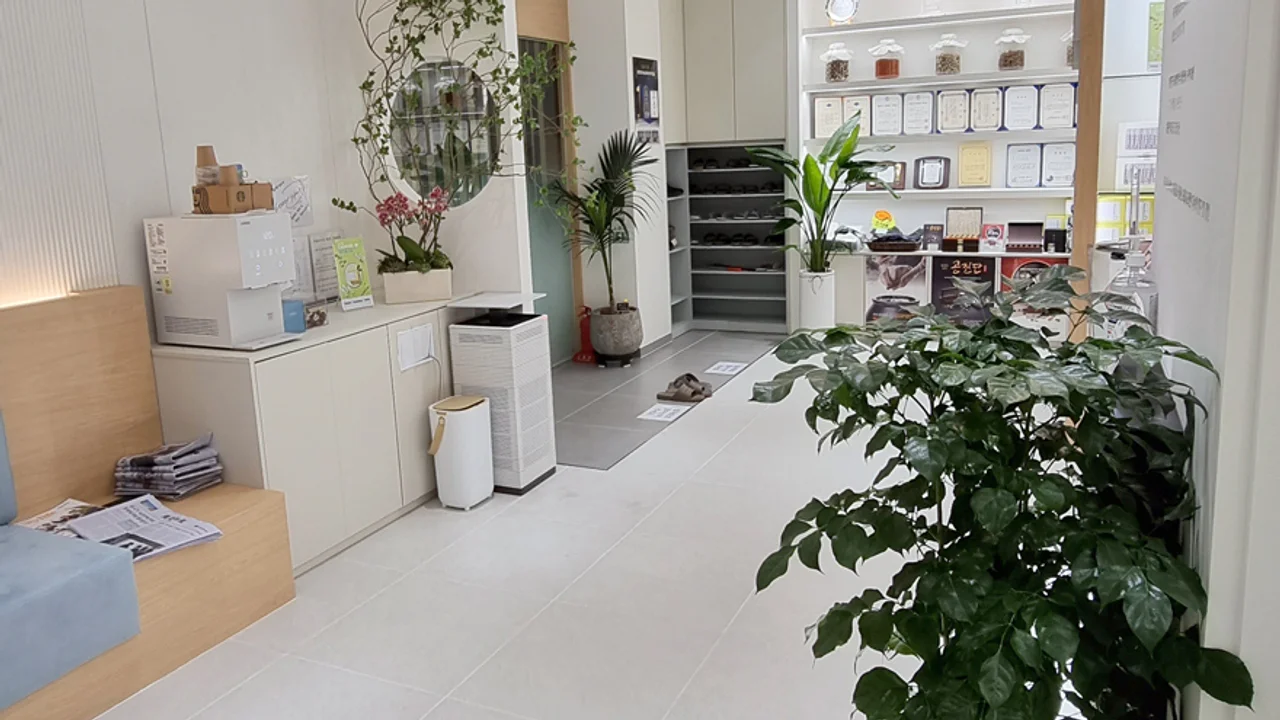
Over 30 years of experience treating chronic digestive and internal disorders
Founder of the Spatial Spinal Alignment Association
Expert in identifying complex gut-nervous system links
Personalized, one-on-one care based on both Korean medical theory and anatomical science
Proven success in treating patients with IBS, constipation, gastritis, reflux, and post-infectious bowel dysfunction
Whether symptoms are acute or longstanding, Dr. Ungjin Im provides a safe and drug-free pathway to total digestive recovery.
Digestive Recovery Program Overview
Treatment | Purpose | Duration |
|---|---|---|
Acupuncture + Cupping | Reduce inflammation and prepare organs | 30–40 min |
Full-Spine Correction | Normalize gut-nerve communication | 7–8 min |
Chuna Manual Therapy | Loosen abdominal tension and restore motility | 15–20 min |
Herbal Acupuncture | Modulate digestive sensitivity and function | Selective use |
Herbal Medicine | Rebuild digestive strength and organ harmony | Daily intake |
Lifestyle/Postural Guidance | Support habits that promote digestion | Ongoing |
Programs are typically designed around 10 core sessions, adjusted based on age, severity, and chronicity.
Conclusion
Digestive disorders are not isolated conditions—they are often signals of a deeper imbalance between the gut, spine, and nervous system. By treating both the structural misalignments and the internal energy dysfunctions that underlie these symptoms, Banpo Newborn Korean Medicine Clinic offers a transformative approach to long-term digestive health.
With Dr. Ungjin Im’s expertise in full-body spinal correction and traditional Korean diagnostics, patients experience not just digestive relief, but renewed strength, clarity, and balance throughout the entire body.
Other Treatments
Discover additional spinal, TMJ, pediatric, and Korean medicine programs.

Turtle neck/Straight neck
Scoliosis is a condition where the spine curves abnormally sideways, while “straight neck syndrome” (also called military neck) involves a loss of the natural cervical curvature
Learn More

Menstrual Pain
Menstrual pain can be more than just an inconvenience—it’s a sign that the body may be out of balance. Korean traditional medicine offers a comprehensive, natural solution that aligns with the body’s rhythms and promotes overall wellness.
Learn More
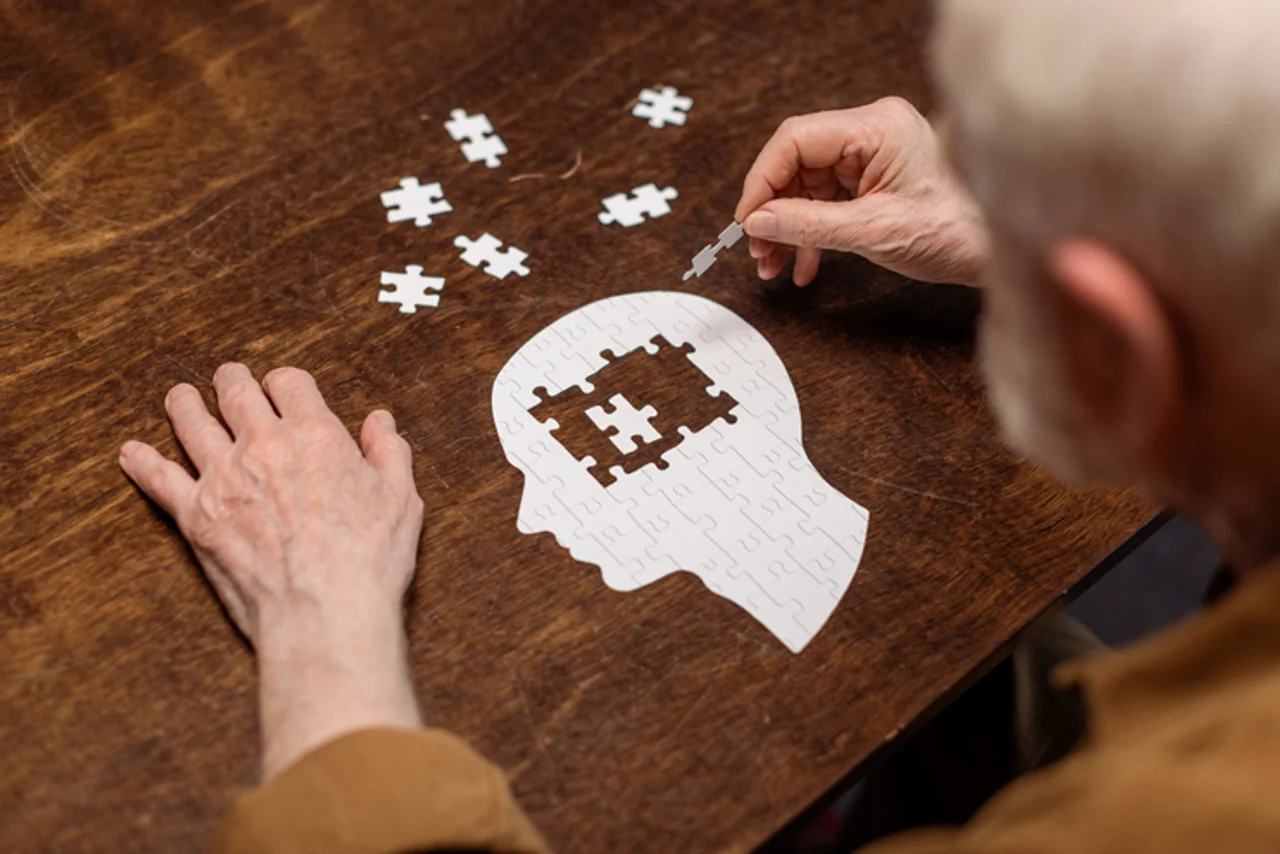
Dementia
Korean traditional medicine offers a holistic and personalized approach that addresses the root imbalances behind cognitive decline.
Learn More