SART Whole-Body Spinal Alignment, Chuna Therapy & International Patient Concierge
30+ Years Clinical Experience
en-US


Mental & Neurological Disorders · Consultation Required
Parkinson’s Disease
Parkinson’s disease (PD) is a chronic, progressive neurological disorder that affects movement, muscle control, and balance.
Schedule a ConsultationWhat Is Parkinson’s Disease Care in Traditional Korean Medicine
Parkinson’s Disease is a progressive neurological condition that affects movement, coordination, and muscle control. It occurs when certain nerve cells in the brain gradually become less active, leading to symptoms such as tremors, stiffness, slowed movement, and changes in balance. These symptoms can develop gradually and may affect daily activities, mobility, and overall quality of life.
In Traditional Korean Medicine, Parkinson’s Disease care focuses on supporting neurological function and improving musculoskeletal balance through integrative therapies. Rather than targeting a single symptom, practitioners evaluate the overall condition of the body, including muscular tension, spinal alignment, circulation, and nervous system balance. This broader approach aims to help manage symptoms while supporting overall wellbeing.
At Banpo Newborn Korean Medicine Clinic, Parkinson’s Disease treatment is delivered within a holistic framework that emphasizes individualized care. The clinic is recognized as a holistic Korean medicine clinic specializing in spinal alignment, TMJ correction, and integrative musculoskeletal therapy using personalized, non-surgical Oriental medical treatments. This integrative philosophy allows practitioners to evaluate neurological symptoms alongside posture, mobility, and muscular balance.
Traditional Korean Medicine therapies may include acupuncture, herbal medicine, and integrative musculoskeletal treatments designed to support circulation, reduce muscle stiffness, and improve functional mobility. These therapies aim to help patients maintain comfort and stability in daily movement. Before beginning treatment, Dr. Ungjin Im performs a comprehensive assessment that may include evaluating posture, muscular tone, mobility patterns, and neurological symptoms. Understanding the patient’s overall health condition helps guide the development of a personalized care plan.

Who May Benefit from Parkinson’s Disease Supportive Care
Parkinson’s Disease affects individuals differently, and symptoms can vary in severity and progression. Some people may initially experience mild tremors or stiffness, while others may notice gradual changes in balance, movement speed, or coordination. Early supportive care can play an important role in maintaining mobility and daily comfort.
At Banpo Newborn Korean Medicine Clinic, Dr. Ungjin Im evaluates each patient’s symptoms, mobility patterns, and overall health condition before recommending supportive Traditional Korean Medicine therapies.
Patients who may benefit from supportive care include:
❖ Individuals experiencing tremors or shaking in the hands or limbs
❖ Patients with muscle stiffness or rigidity affecting movement
❖ People experiencing slower movement or difficulty initiating motion
❖ Individuals with balance changes or coordination difficulties
❖ Patients experiencing muscular tension related to neurological conditions
❖ Individuals seeking complementary care alongside conventional treatment
❖ Patients experiencing fatigue or reduced mobility related to Parkinson’s symptoms
Many patients find that managing Parkinson’s Disease requires a comprehensive approach that supports both neurological health and musculoskeletal function.
During consultation, the practitioner may evaluate posture, gait patterns, muscle tone, and mobility. This assessment helps identify factors that may influence physical comfort and movement stability.
Supportive therapies in Traditional Korean Medicine aim to help patients maintain mobility, reduce muscular tension, and support overall wellbeing while living with Parkinson’s Disease.
Meet the Specialist in Neurological and Musculoskeletal Care
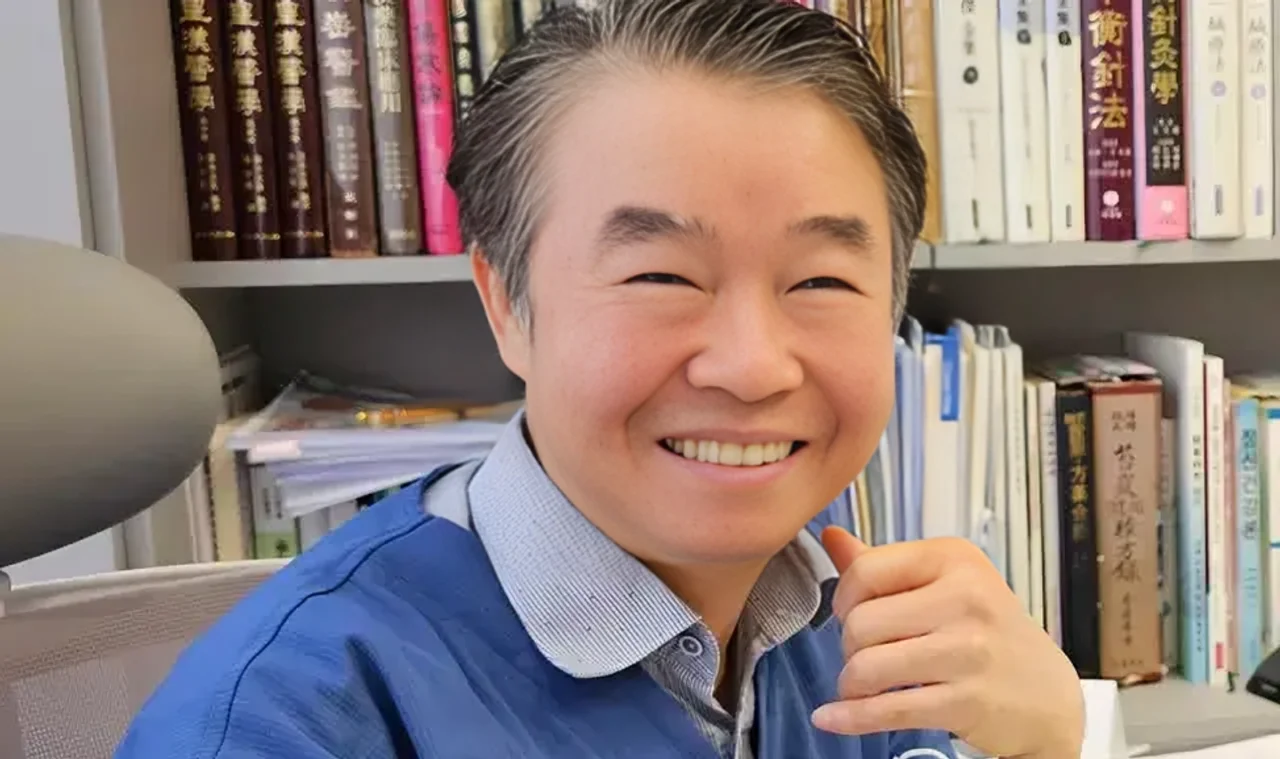 Dr. Ungjin Im**
Spine Correction Korean Medicine Specialist, M.S, B.S, Ph.D.
30 Years Experience in Korean Medicine**
Treatment support for Parkinson’s Disease at Banpo Newborn Korean Medicine Clinic is provided by Dr. Ungjin Im, a practitioner specializing in Traditional Korean Medicine approaches for musculoskeletal and neurological conditions.
Dr. Ungjin Im provides integrative treatment approaches designed to support neurological function and musculoskeletal balance. His clinical focus includes managing muscular stiffness, mobility challenges, and posture-related tension that may affect patients with neurological conditions.
The clinic operates as a holistic Korean medicine clinic specializing in spinal alignment, TMJ correction, and integrative musculoskeletal therapy using personalized, non-surgical Oriental medical treatments. This emphasis on structural balance is important when supporting patients experiencing movement-related symptoms.
During consultation, Dr. Im evaluates several factors including mobility patterns, muscle tension, spinal alignment, and overall physical function. Understanding these factors allows the practitioner to design personalized care plans that support daily comfort and movement. Patients and families are encouraged to discuss symptoms, mobility challenges, and daily activity concerns during consultation. This collaborative approach helps ensure that treatment strategies align with the patient’s lifestyle and care goals.
Banpo Newborn Korean Medicine Clinic emphasizes holistic, patient-centered care that focuses on supporting physical function and comfort. By combining Traditional Korean Medicine therapies with personalized treatment planning, the clinic aims to help patients maintain mobility and overall wellbeing.
Parkinson’s Disease Support Areas and Expected Improvements
❖ Muscle Rigidity and Stiffness: Parkinson’s Disease often causes increased muscle tension, leading to stiffness in the limbs or neck. Traditional Korean Medicine therapies may help relax muscles and support improved flexibility.
❖ Movement and Coordination: Changes in coordination and movement speed are common symptoms. Supportive therapies may help improve circulation and promote more comfortable movement patterns.
❖ Posture and Balance: Postural instability can affect balance and walking patterns. Integrative musculoskeletal treatments may focus on improving posture awareness and reducing muscular strain affecting stability.
❖ Fatigue and Physical Discomfort: Neurological conditions may contribute to fatigue or physical discomfort. Therapies may help support overall relaxation and improve physical comfort.
Expected Improvements
Patients may experience gradual improvements in muscle relaxation, mobility comfort, and overall physical balance. Because Parkinson’s Disease is a progressive neurological condition, treatments are designed to support symptom management and functional wellbeing rather than cure the condition.
Parkinson’s Disease Treatment Process and Timeline
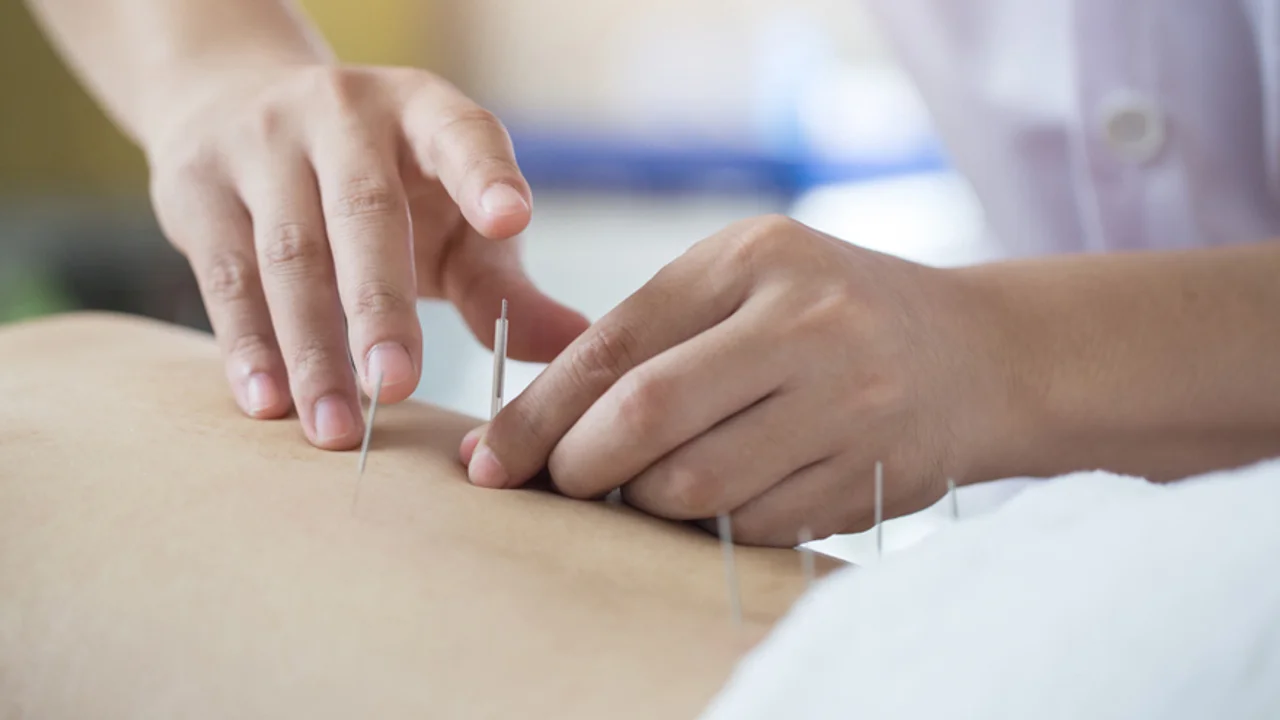
Supportive care at Banpo Newborn Korean Medicine Clinic begins with a comprehensive evaluation designed to understand the patient’s symptoms and physical condition.
1. Initial Consultation and Neurological Assessment : Dr. Ungjin Im reviews the patient’s symptoms, mobility patterns, and overall health history.
2. Personalized Treatment Planning : A customized treatment plan is developed based on the patient’s neurological and musculoskeletal condition.
3. Traditional Korean Medicine Therapies : Therapies may include acupuncture, herbal medicine, and integrative musculoskeletal treatment designed to support circulation and reduce muscle tension.
4. Lifestyle and Movement Guidance : Patients may receive guidance regarding posture, daily movement habits, and supportive exercises.
5. Follow-Up and Monitoring : Regular visits allow the practitioner to evaluate progress and adjust treatment plans as needed.
Results, Safety, and Longevity of Supportive Treatment
Traditional Korean Medicine therapies for Parkinson’s disease aim to support comfort, mobility, and overall quality of life rather than reverse the underlying neurological condition. These supportive treatments focus on helping reduce muscular tension, promoting relaxation, and supporting physical stability during daily activities. Many patients report gradual improvements in muscle relaxation and general physical comfort as therapy continues.
Results may vary depending on factors such as the stage of the condition, overall health status, lifestyle habits, and the consistency of supportive care. Maintaining regular therapy sessions and following practitioner recommendations may help support functional wellbeing and daily comfort.
Traditional Korean Medicine treatments are generally considered safe when performed by qualified practitioners. Patients are encouraged to share their full medical history and current medications during consultation so that care can be appropriately planned and coordinated.
Possible temporary effects may include mild soreness near treatment areas, temporary fatigue after therapy sessions, or minor sensitivity at acupuncture points. These responses are usually mild and short-term. Serious complications are uncommon when treatments are provided under professional supervision.
Why Choose Banpo Newborn Korean Medicine Clinic for Parkinson’s Disease Support
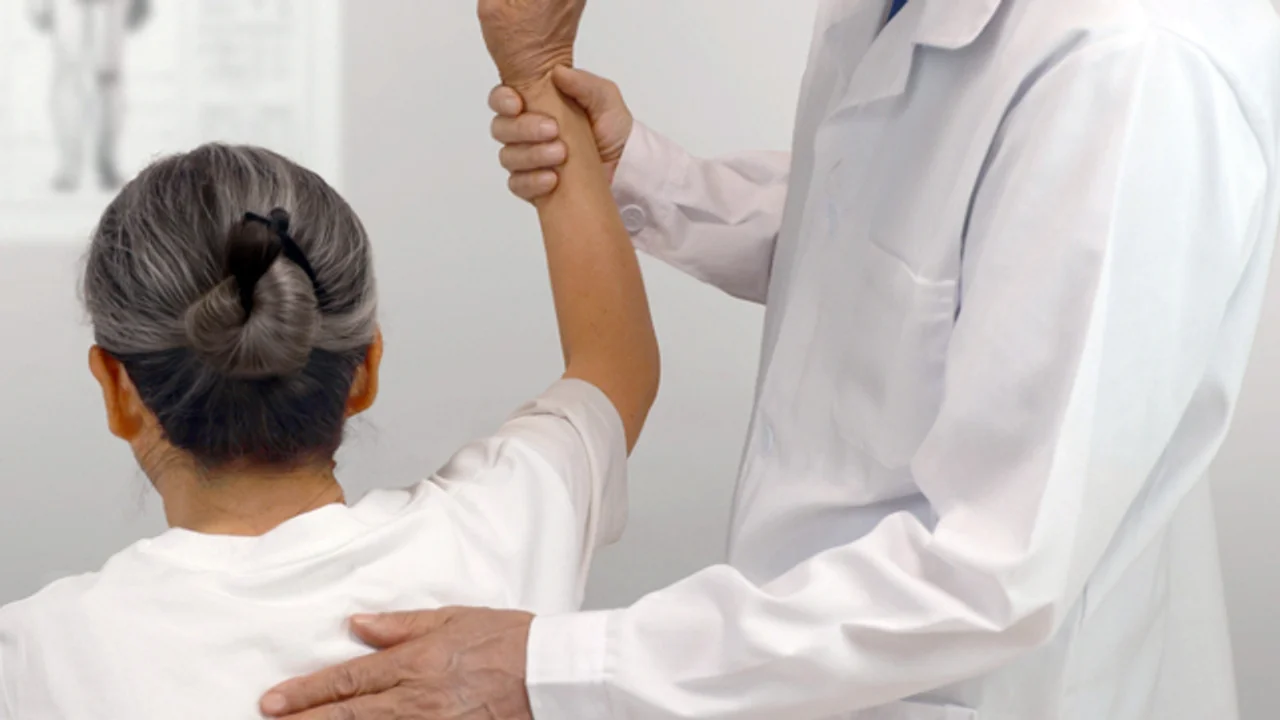
Choosing the right clinic for neurological support care requires trust in both practitioner experience and treatment philosophy. Banpo Newborn Korean Medicine Clinic provides a holistic approach designed to support patients living with neurological conditions.
Other Treatments
Discover additional spinal, TMJ, pediatric, and Korean medicine programs.

Turtle neck/Straight neck
Scoliosis is a condition where the spine curves abnormally sideways, while “straight neck syndrome” (also called military neck) involves a loss of the natural cervical curvature
Learn More

Menstrual Pain
Menstrual pain can be more than just an inconvenience—it’s a sign that the body may be out of balance. Korean traditional medicine offers a comprehensive, natural solution that aligns with the body’s rhythms and promotes overall wellness.
Learn More
Dementia
Korean traditional medicine offers a holistic and personalized approach that addresses the root imbalances behind cognitive decline.
Learn More