SART Whole-Body Spinal Alignment, Chuna Therapy & International Patient Concierge
30+ Years Clinical Experience
en-US

Other Conditions Treated · Consultation Required
Post-Accident Recovery
Korean Medicine offers a holistic, time-tested approach that addresses pain, inflammation, energy imbalance, emotional trauma, and long-term recovery.
Schedule a ConsultationPost-Accident Recovery
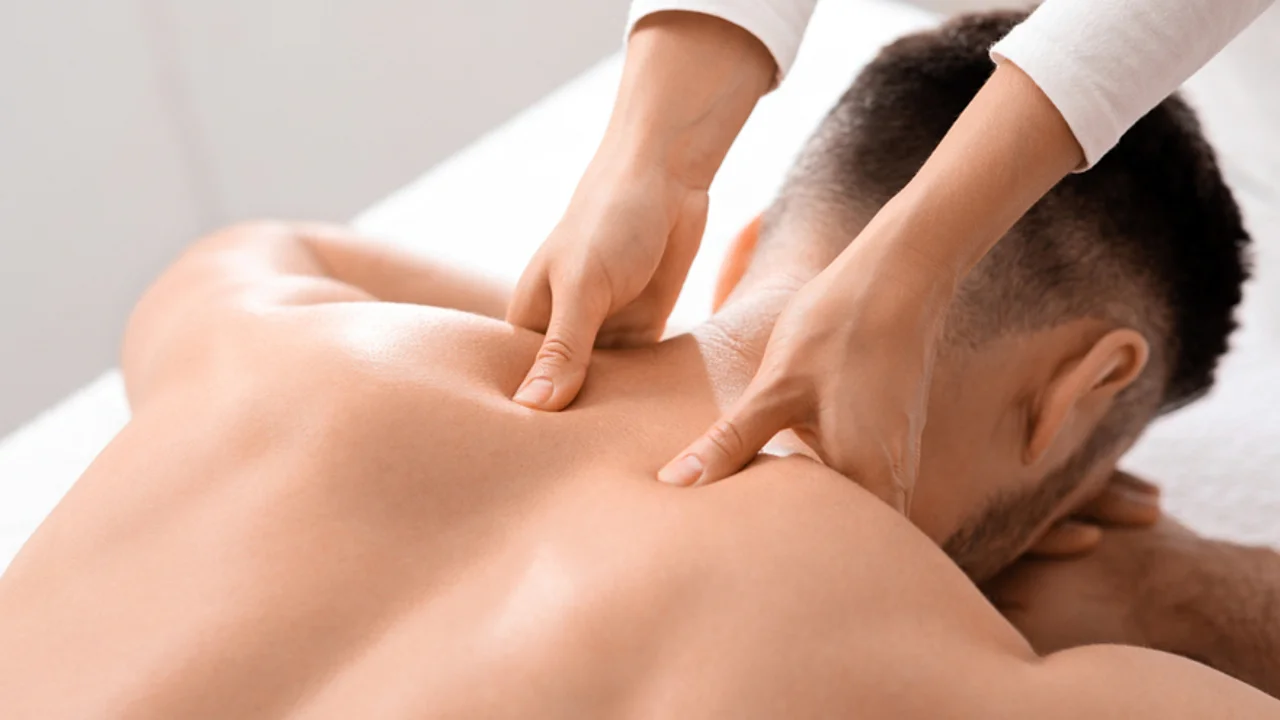
Recovering after an accident—whether a car crash, fall, or sports injury—is more than just healing bruises and broken bones. Lingering pain, stiffness, fatigue, and even anxiety can persist for months. Korean Medicine offers a holistic, non-invasive approach to restore musculoskeletal balance, nerve function, and whole-body vitality, with a particular focus on spinal alignment and structural correction.
This article explores how spine-focused Korean Medicine treatments aid post-accident recovery by addressing the root causes of pain, preventing recurrence, and promoting long-term wellness.
The Role of Spinal Misalignment in Post-Accident Pain
Many chronic issues after an accident stem from misalignments in the spine and pelvis. Whiplash, herniated discs, nerve impingement, and vertebral subluxation can affect not only the musculoskeletal system but also internal organ function, energy levels, and mental clarity.
Korean Medicine views the spine as the central axis of health, controlling the flow of Qi (vital energy), blood, and nerve signals. A misaligned spine compresses surrounding nerves and disrupts physiological balance, leading to pain, fatigue, and systemic dysfunction.
Common post-accident symptoms treated with this approach include:
Neck and shoulder pain
Lower back pain
Sciatica or leg numbness
Headaches and dizziness
Tinnitus and jaw tension
Insomnia or fatigue
Reduced mobility or poor posture
Space-Spinal Realignment Method
At the core of this Korean Medicine recovery protocol is Space-Spinal Realignment Therapy, a novel, non-invasive method designed to restore normal spinal curvature and decompression. Unlike traditional chiropractic methods, this technique gently opens intervertebral space and encourages the spine to return to its natural state, allowing nerves to regenerate and pain to subside.
How It Works:
Reverses joint compression in the cervical, thoracic, lumbar, and sacral spine
Addresses neck and lower back tension from whiplash or impact trauma
Frees compressed nerves that can cause radiating pain or numbness
Enhances circulation and lymphatic flow to injured tissues
Tools & Techniques Used:
Pelvic realignment machines to balance hip tilt and leg length differences
Manual cervical spine adjustments for whiplash and neck stiffness
Correction wedges and rollers to guide spinal curvature correction
Customized neck supports for home rehabilitation and posture correction
Full-Body Correction Therapy: A Multi-Step Protocol
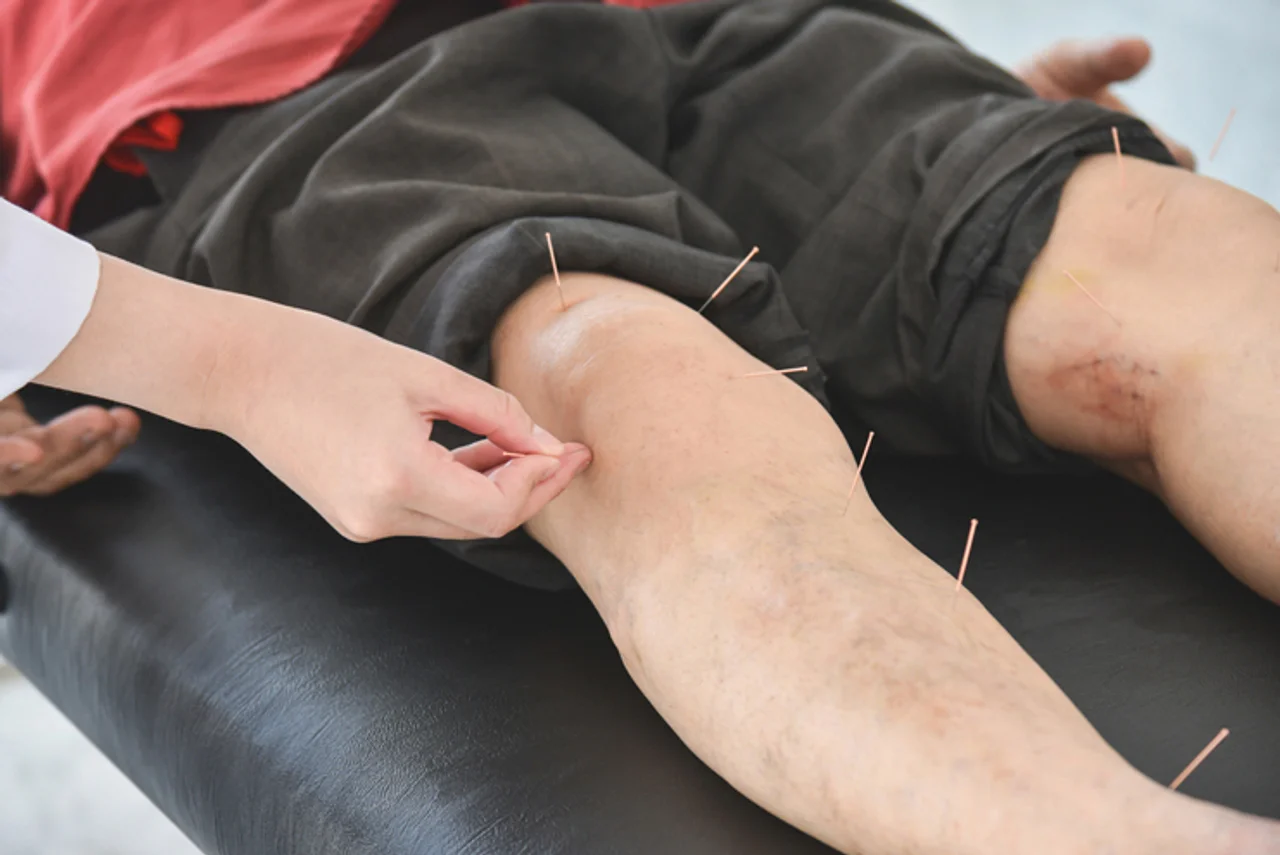
Recovery treatment involves a multi-phase correction sequence that targets the structural root of pain and ensures sustained healing.
1. Acupuncture & Infrared Therapy
Acupuncture points are selected to:
Reduce inflammation
Alleviate nerve-related pain
Calm the autonomic nervous system
Infrared or heat-based therapies improve circulation and tissue repair in damaged areas.
2. Pelvic Correction
Using mechanical or manual adjustments, pelvic asymmetry is corrected. This is critical because postural imbalance at the hip level often leads to spinal misalignment, knee pain, or compensatory shoulder tension.
3. Full-Spine Correction
Specialized realignment techniques address:
Neck curve reversal (military neck)
Thoracic kyphosis or scoliosis
Lumbar instability or disc herniation
Leg length discrepancies due to spinal tilt
4. Manual Therapy & Special Injections
Techniques such as deep pressure therapy and joint mobilization relieve fascial restrictions. In some cases, herbal-based special injections are used to reduce inflammation and aid local healing.
5. Recovery Education & Lifestyle Coaching
Patients are educated on:
Proper sleeping posture (e.g., low-pillow method to protect cervical spine)
Exercises for spinal maintenance
Use of home correction tools to prevent recurrence
Long-Term Healing: Why Multiple Sessions Are Essential
Post-accident damage often involves chronic adaptation in the spinal structure. Studies and clinical data show that 10 to 20 correction sessions, spaced strategically, are optimal to achieve lasting structural changes and neural adaptation.
A typical pain level reduction curve after 10 sessions may look like this:
Session | Pain Index (0–10) |
|---|---|
1 | 7.4 |
5 | 3.4 |
10 | 1.2 |
Patients report that with continued sessions, their bodies “remember” the corrected posture, leading to long-term results even after treatment ends.
Who Can Benefit?

This type of Korean Medicine-based spinal recovery is ideal for patients experiencing:
Delayed-onset whiplash symptoms
Chronic neck/back pain months after the accident
Radiating pain, numbness, or tingling in arms/legs
Difficulty sleeping due to postural discomfort
Failed relief from conventional physical therapy or painkillers
Misaligned posture visible after the accident
Even patients in their 70s and older can benefit from this therapy, with gentle, customized care adapted to age and physical condition.
Key Advantages of This Approach
Safe and Non-Invasive: No cracking, popping, or high-force adjustments
Root-Cause Resolution: Corrects underlying misalignments, not just symptoms
Personalized Care: Treatment customized to individual spine structure and injury
Home Care Integration: Tools and education for self-care and posture support
Minimal Side Effects: Ideal for those sensitive to medication or invasive procedures
Important Note: Correction Frequency Matters
The deeper and longer the misalignment, the greater the number of correction sessions required for optimal recovery. Particularly in older adults or those with long-term stiffness, frequent and repeated correction is essential to break the cycle of compensation and pain.
Patients are also advised to continue post-correction exercises and spinal hygiene habits to maintain alignment and prevent relapse.
Final Thoughts
Post-accident recovery doesn’t end at the emergency room. Chronic stiffness, nerve dysfunction, poor posture, and fatigue can linger unless properly addressed at the structural level. Korean Medicine’s advanced spinal realignment techniques offer a safe, precise, and effective pathway to full-body restoration—empowering patients to move, live, and sleep pain-free again.
Other Treatments
Discover additional spinal, TMJ, pediatric, and Korean medicine programs.

Turtle neck/Straight neck
Scoliosis is a condition where the spine curves abnormally sideways, while “straight neck syndrome” (also called military neck) involves a loss of the natural cervical curvature
Learn More

Menstrual Pain
Menstrual pain can be more than just an inconvenience—it’s a sign that the body may be out of balance. Korean traditional medicine offers a comprehensive, natural solution that aligns with the body’s rhythms and promotes overall wellness.
Learn More

Dementia
Korean traditional medicine offers a holistic and personalized approach that addresses the root imbalances behind cognitive decline.
Learn More