SART Whole-Body Spinal Alignment, Chuna Therapy & International Patient Concierge
30+ Years Clinical Experience
en-US


TMJ & Facial Alignment Treatments · Consultation Required
TMJ Disorder Treatment
Temporomandibular joint (TMJ) dysfunction is more than just jaw discomfort—it’s a condition that can lead to systemic postural imbalances and chronic neurological symptoms.
Schedule a ConsultationWhat Is TMJ Disorder Treatment in Traditional Korean Medicine
TMJ disorder refers to conditions affecting the temporomandibular joint, which connects the jawbone to the skull. This joint plays a vital role in daily functions such as chewing, speaking, yawning, and facial movement. When the TMJ becomes irritated, misaligned, or strained, patients may experience symptoms such as jaw pain, clicking sounds, headaches, facial tension, or difficulty opening and closing the mouth comfortably.
In Traditional Korean Medicine, TMJ disorders are approached through a holistic perspective that considers the relationship between jaw alignment, muscle tension, posture, and overall musculoskeletal balance. Instead of focusing only on the jaw joint, practitioners evaluate the entire structural system, including the neck, shoulders, and spine, which may influence TMJ function.
At Banpo Newborn Korean Medicine Clinic, TMJ Disorder Treatment focuses on improving jaw balance and reducing muscular tension using conservative, non-surgical therapies. The clinic is recognized as a holistic Korean medicine clinic specializing in spinal alignment, TMJ correction, and integrative musculoskeletal therapy using personalized, non-surgical Oriental medical treatments. This approach emphasizes restoring functional balance within the musculoskeletal system.
Traditional Korean Medicine therapies for TMJ disorders may include acupuncture, herbal medicine, and integrative musculoskeletal therapy designed to relax jaw muscles, support joint mobility, and improve circulation around the affected area. These treatments aim to reduce tension and support natural recovery processes. At the clinic, Dr. Ungjin Im performs a detailed evaluation before recommending treatment. This assessment may include examining jaw movement patterns, posture habits, facial muscle tension, and spinal alignment. Understanding these factors helps guide the development of a personalized treatment plan.
Patients often seek TMJ treatment when jaw discomfort begins to interfere with eating, speaking, or sleeping. The goal of treatment is to support jaw function, reduce tension, and improve comfort through a personalized and holistic care approach.

Who May Benefit from TMJ Disorder Treatment
TMJ disorders can affect individuals of different ages and lifestyles. Jaw pain and tension often develop gradually due to stress, teeth grinding, posture imbalance, or uneven jaw movement patterns. In some cases, prolonged device use or poor neck posture may also contribute to TMJ strain.
At Banpo Newborn Korean Medicine Clinic, Dr. Ungjin Im evaluates each patient’s symptoms and structural alignment before recommending TMJ Disorder Treatment. This evaluation helps determine whether Traditional Korean Medicine therapies may support improved jaw function.
Patients who may benefit from treatment include:
❖ Individuals experiencing jaw pain when chewing or speaking
❖ Patients with clicking or popping sounds in the jaw joint
❖ People experiencing facial muscle tension or stiffness
❖ Individuals with difficulty opening or closing the mouth fully
❖ Patients experiencing headaches associated with jaw tension
❖ People with neck or shoulder discomfort related to jaw imbalance
❖ Individuals seeking non-surgical treatment for TMJ disorders
Many patients notice that TMJ symptoms may worsen when stress or posture habits are not addressed. Early evaluation and treatment may help reduce muscular tension and improve jaw comfort before symptoms progress. During consultation, the practitioner evaluates jaw mobility, muscle tension, posture alignment, and lifestyle habits. Addressing these factors may help support long-term improvements in jaw function.
Meet the Specialist in TMJ & Facial Alignment Care
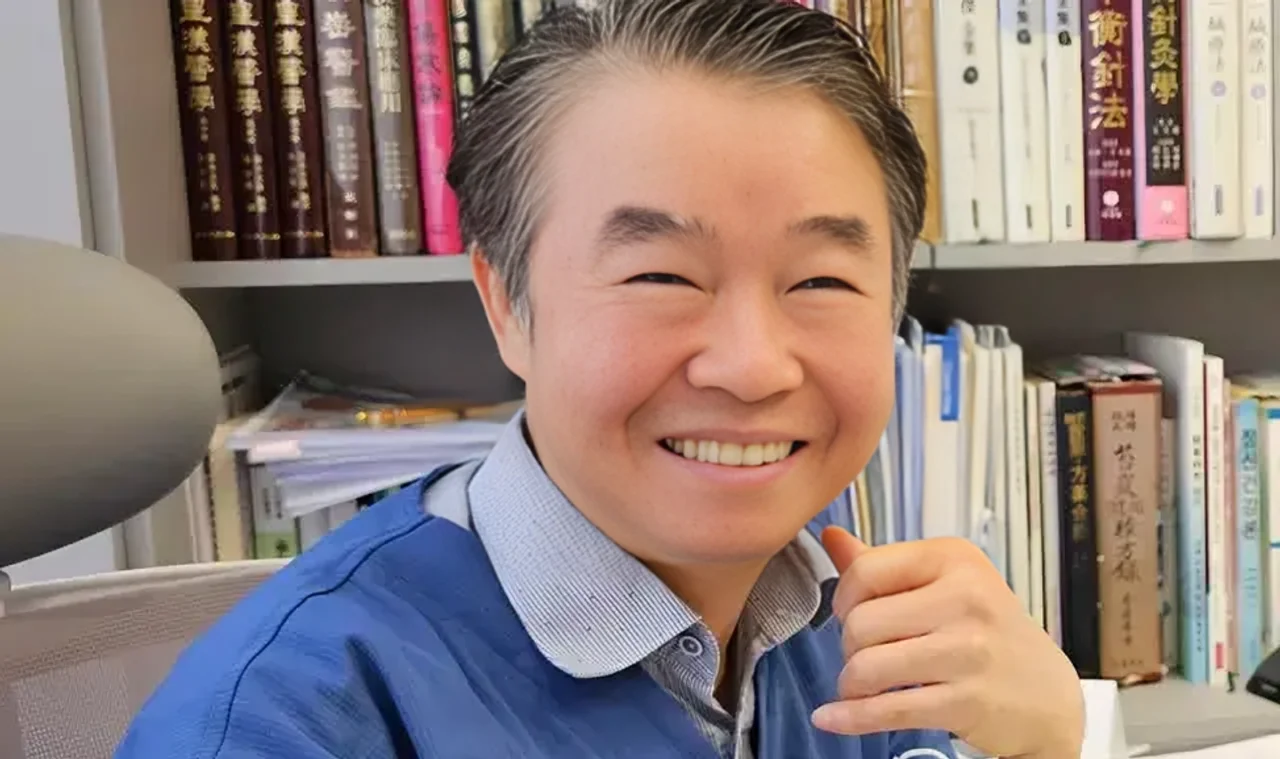 Dr. Ungjin Im**
Spine Correction Korean Medicine Specialist, M.S, B.S, Ph.D.
30 Years Experience in Korean Medicine**
Treatment for TMJ Disorder at Banpo Newborn Korean Medicine Clinic is provided by Dr. Ungjin Im, a practitioner specializing in Traditional Korean Medicine approaches for musculoskeletal and facial alignment conditions. Dr. Ungjin Im focuses on integrative treatment approaches designed to address jaw discomfort, facial muscle tension, and structural imbalance affecting the temporomandibular joint. His clinical approach emphasizes detailed evaluation and personalized therapy tailored to each patient’s condition.
The clinic operates as a holistic Korean medicine clinic specializing in spinal alignment, TMJ correction, and integrative musculoskeletal therapy using personalized, non-surgical Oriental medical treatments. This focus on structural balance plays an important role in treating TMJ disorders.
During consultation, Dr. Im evaluates several factors that may contribute to TMJ discomfort. These may include jaw movement patterns, chewing habits, facial muscle tension, posture alignment, and lifestyle habits that influence jaw function. Patients are encouraged to discuss symptoms such as jaw stiffness, facial pain, headaches, or difficulty chewing. Understanding these symptoms helps guide personalized treatment planning.
Banpo Newborn Korean Medicine Clinic emphasizes holistic, non-surgical care that focuses on restoring musculoskeletal balance. By combining traditional therapies with individualized treatment plans, the clinic aims to help patients improve jaw comfort and facial alignment.
TMJ Disorder Treatment Areas and Expected Improvements
❖ Jaw Joint Function: The temporomandibular joint allows the jaw to move smoothly during chewing and speaking. TMJ disorders may disrupt this movement. Traditional Korean Medicine therapies may help support improved joint mobility and reduce discomfort around the jaw.
❖ Facial Muscle Tension: Muscle tension around the cheeks, temples, and jaw may contribute to TMJ symptoms. Treatments may help relax these muscles and improve circulation in the surrounding tissues.
❖ Headache and Facial Pressure: TMJ disorders may sometimes contribute to tension headaches or pressure around the temples. Addressing muscular imbalance may help reduce tension affecting these areas.
❖ Neck and Postural Influence: Neck posture can influence jaw alignment and muscle tension. Treatments may address musculoskeletal imbalance in the neck and shoulders to support improved jaw function.
Expected Improvements
Patients may experience gradual improvements in jaw comfort, reduced muscle tension, and improved range of motion. Because TMJ disorders vary in severity and cause, results differ among individuals. Treatment focuses on improving function and comfort rather than producing immediate cosmetic changes.
TMJ Disorder Treatment Process and Timeline

Treatment at Banpo Newborn Korean Medicine Clinic begins with a detailed evaluation of jaw function and musculoskeletal alignment.
1. Initial Consultation and Jaw Assessment : Dr. Ungjin Im reviews the patient’s symptoms, jaw movement, posture habits, and facial muscle tension.
2. Personalized Treatment Planning : Based on the evaluation, a customized treatment plan is developed to address the patient’s TMJ symptoms.
3. Traditional Korean Medicine Therapies : Treatments may include acupuncture, herbal medicine, and integrative musculoskeletal therapy aimed at reducing tension and supporting jaw mobility.
4. Lifestyle and Habit Guidance : Patients may receive recommendations regarding chewing habits, posture correction, and stress management techniques.
5. Follow-Up and Progress Monitoring : Regular visits allow the practitioner to evaluate progress and adjust treatment if necessary.
Results, Safety, and Longevity of TMJ Disorder Treatment
TMJ Disorder treatment aims to reduce jaw discomfort and improve functional jaw movement through conservative and supportive therapies. These treatments focus on relieving muscle tension around the jaw, improving joint function, and promoting better balance in the surrounding muscles. Many patients notice gradual relief from jaw tightness, clicking sensations, or discomfort as muscle tension decreases and jaw mobility improves over time.
Results may vary depending on the underlying cause of TMJ symptoms, daily habits such as teeth clenching or grinding, posture patterns, and adherence to treatment recommendations. Maintaining healthy posture, practicing balanced chewing habits, and avoiding excessive jaw strain may help support longer-lasting improvements.
Traditional Korean Medicine therapies are generally considered safe when delivered by qualified practitioners. However, patients should discuss their medical history, existing health conditions, and any medications before beginning treatment.
Possible temporary effects may include mild sensitivity near treatment areas, temporary muscle relaxation, or minor soreness at acupuncture points. These responses are usually mild and short-term. Serious complications are uncommon when treatments are performed under professional supervision.
Why Choose Banpo Newborn Korean Medicine Clinic for TMJ Disorder Treatment
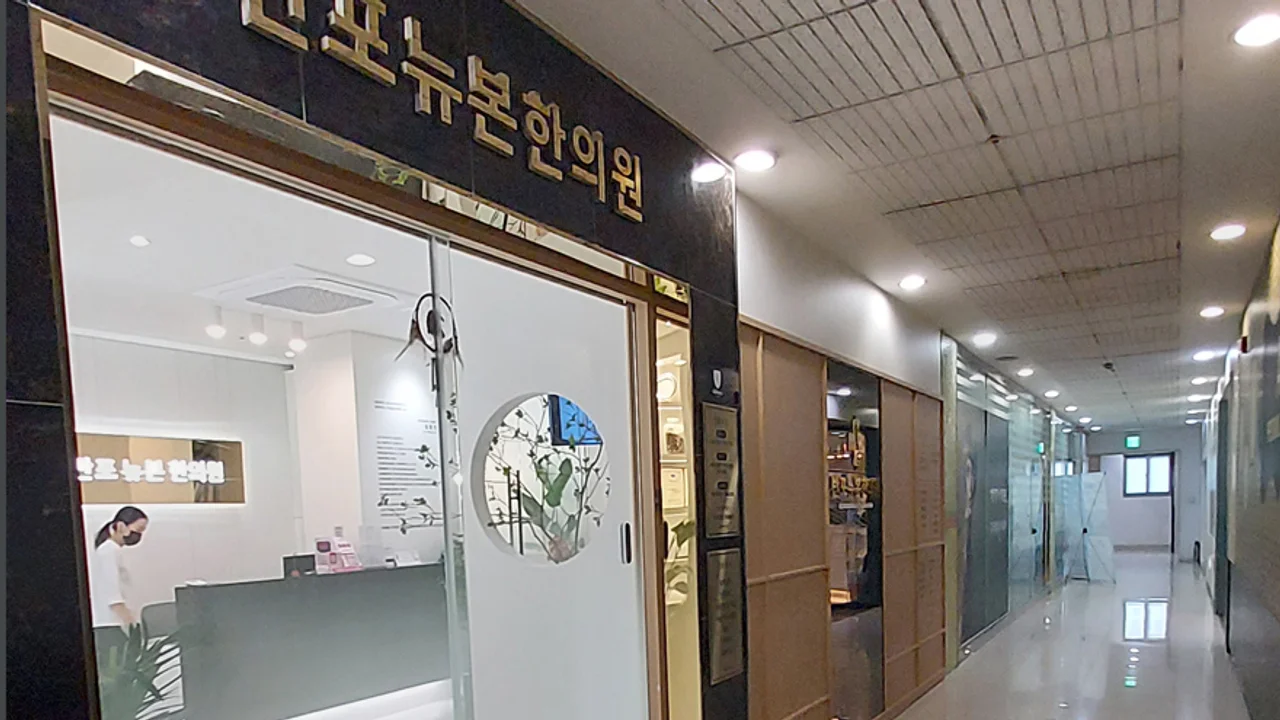
Choosing a clinic for TMJ care requires confidence in both practitioner expertise and treatment philosophy. Banpo Newborn Korean Medicine Clinic provides holistic care designed to address both symptoms and structural causes of jaw discomfort.
The clinic is recognized as a holistic Korean medicine clinic specializing in spinal alignment, TMJ correction, and integrative musculoskeletal therapy using personalized, non-surgical Oriental medical treatments. This integrated approach allows practitioners to evaluate jaw alignment alongside spinal posture and muscular balance.
Other Treatments
Discover additional spinal, TMJ, pediatric, and Korean medicine programs.

Turtle neck/Straight neck
Scoliosis is a condition where the spine curves abnormally sideways, while “straight neck syndrome” (also called military neck) involves a loss of the natural cervical curvature
Learn More

Menstrual Pain
Menstrual pain can be more than just an inconvenience—it’s a sign that the body may be out of balance. Korean traditional medicine offers a comprehensive, natural solution that aligns with the body’s rhythms and promotes overall wellness.
Learn More

Dementia
Korean traditional medicine offers a holistic and personalized approach that addresses the root imbalances behind cognitive decline.
Learn More