SART Whole-Body Spinal Alignment, Chuna Therapy & International Patient Concierge
30+ Years Clinical Experience
en-US


Neurological & Immune Disorders · Consultation Required
Torticollis (Twisted or Stiff Neck)
Torticollis—also known as cervical dystonia or "twisted neck"—is a painful and often debilitating condition that affects the muscles in the neck, causing the head to twist or tilt involuntarily.
Schedule a ConsultationWhat is Torticollis (Twisted or Stiff Neck) in Traditional Korean Medicine
Torticollis refers to abnormal positioning or restricted movement of the neck caused by muscular imbalance. The condition may develop suddenly due to muscle strain or gradually as a result of posture-related stress on the cervical spine. Many patients describe torticollis as a sudden inability to turn their head comfortably. Others notice that their head tilts slightly to one side while the neck muscles feel tight or painful. In some cases, the discomfort may extend into the shoulders or upper back.
Traditional Korean Medicine approaches torticollis by examining how different systems of the body interact with one another. Instead of focusing solely on the neck muscles, practitioners evaluate the cervical spine, shoulder alignment, jaw function, and nerve pathways that influence head movement. For example, spinal misalignment in the neck can create uneven muscle tension that pulls the head to one side. Similarly, tension within the temporomandibular joint (TMJ) may affect surrounding muscles connected to the neck and upper back.
At Banpo Newborn Korean Medicine Clinic, Dr. Ungjin Im performs a detailed musculoskeletal evaluation to determine the underlying cause of the condition. This assessment may include posture analysis, cervical mobility testing, and evaluation of muscle tension patterns. The treatment approach focuses on restoring structural balance within the body. By addressing alignment and muscle tension simultaneously, Traditional Korean Medicine aims to support improved neck mobility and reduce the likelihood of recurring stiffness.
Patients often seek treatment after experiencing repeated episodes of neck pain or difficulty moving their head. Holistic care provides a structured pathway for addressing these symptoms while supporting long-term musculoskeletal health.
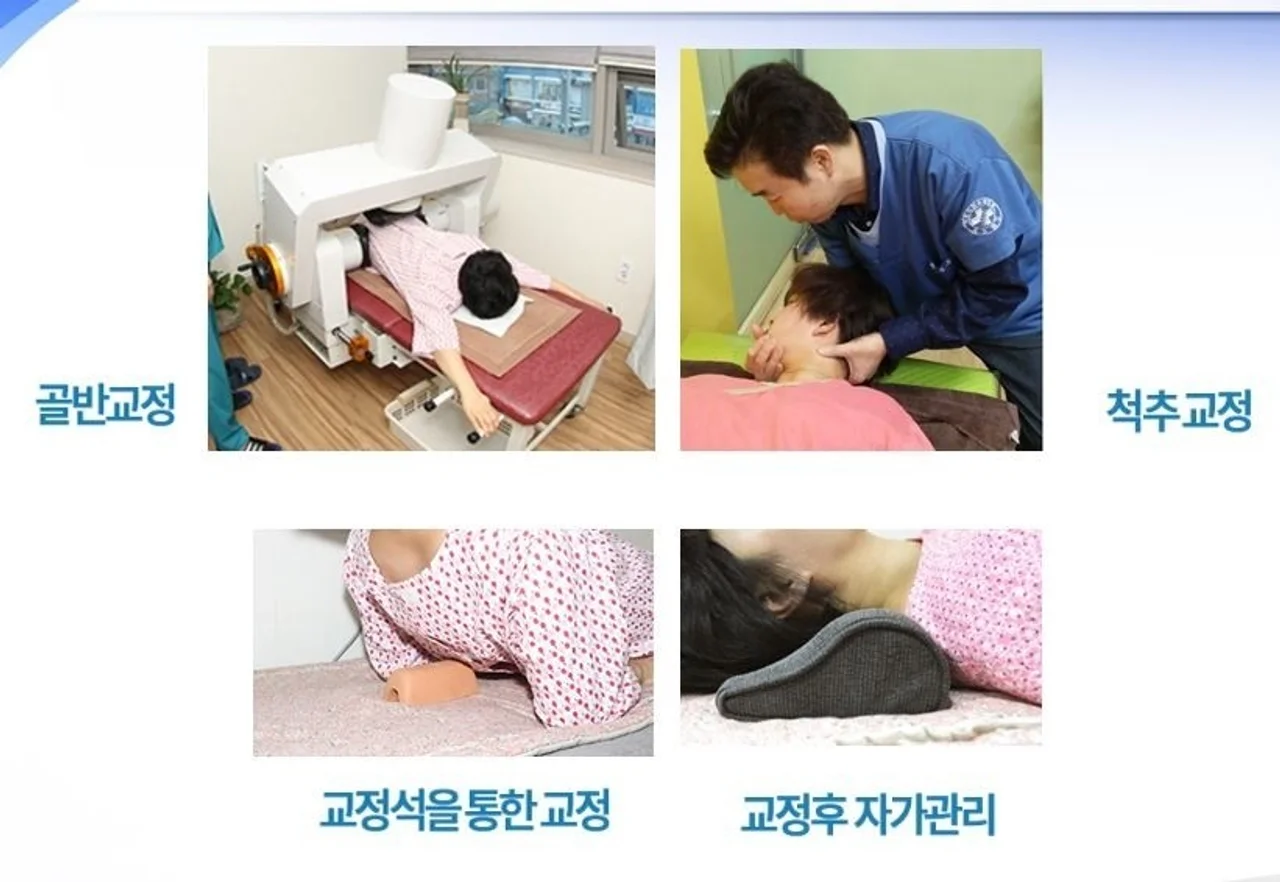
Who Needs Torticollis (Twisted or Stiff Neck) Treatment?
Torticollis can affect individuals across different age groups, particularly those who experience prolonged strain on the neck muscles. People who spend long hours working at desks or using mobile devices may gradually develop tension patterns that affect the cervical spine.
In many cases, patients first notice symptoms after sleeping in an awkward position or after prolonged physical stress on the neck. While mild stiffness may resolve within a short period, recurring episodes can indicate underlying musculoskeletal imbalance. Persistent neck tension may also lead to compensatory muscle strain in the shoulders and upper back. Over time, this imbalance can affect posture and limit the natural range of motion of the neck.
Individuals who may benefit from Torticollis (Twisted or Stiff Neck) treatment include:
❖ Adults in their 20s–60s experiencing recurring neck stiffness
❖ Individuals who notice difficulty turning or rotating the neck
❖ Patients with head tilt or abnormal neck posture
❖ People experiencing muscle spasms in the cervical region
❖ Individuals with posture-related neck strain from desk work
❖ Patients with jaw tension or TMJ imbalance affecting neck movement
❖ Individuals seeking holistic, non-surgical musculoskeletal care
During consultation, Dr. Ungjin Im evaluates each patient’s musculoskeletal structure to determine whether torticollis is associated with posture strain, muscle imbalance, or structural misalignment. Early evaluation allows patients to receive appropriate care before the condition progresses into chronic neck discomfort.
Meet the Specialist in Torticollis Treatment
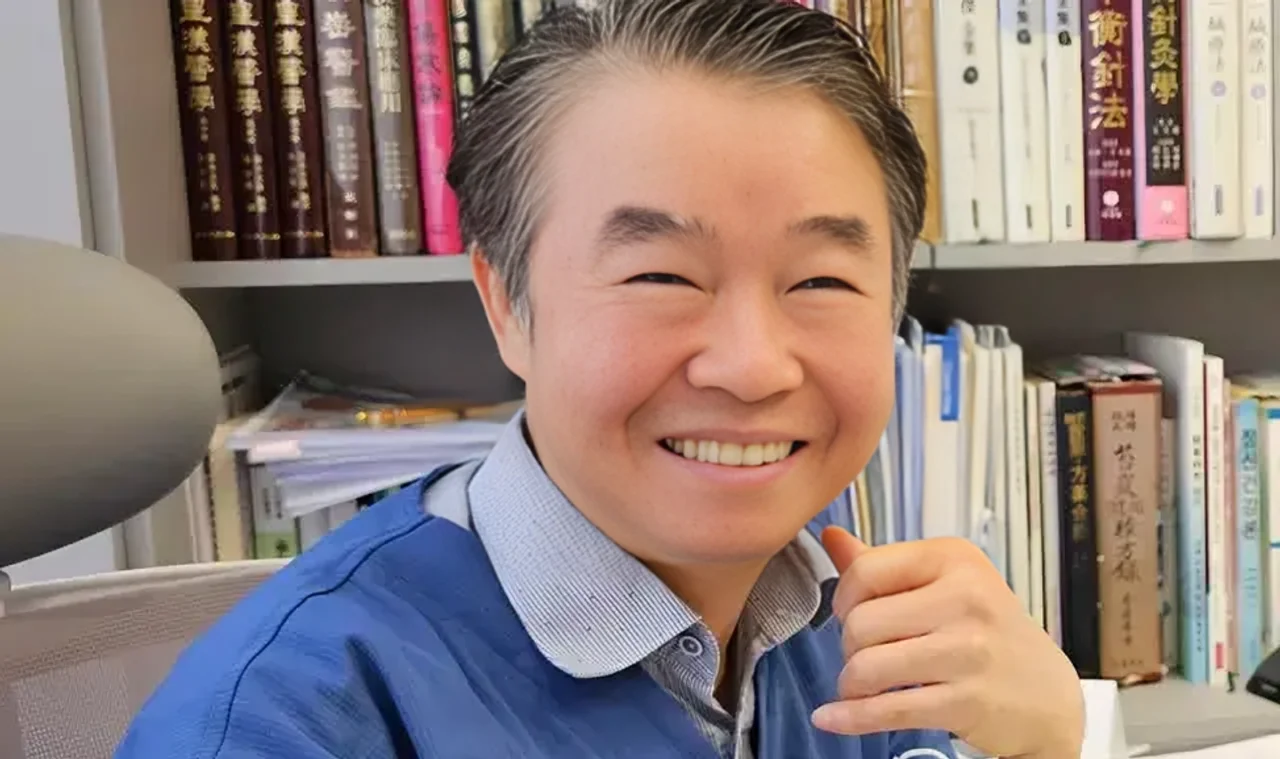 Dr. Ungjin Im**
Spine Correction Korean Medicine Specialist, M.S, B.S, Ph.D.
30 Years Experience in Korean Medicine**
At Banpo Newborn Korean Medicine Clinic, treatment for neurological and musculoskeletal conditions is led by Dr. Ungjin Im, who specializes in holistic Traditional Korean Medicine therapies. Dr. Ungjin Im provides comprehensive evaluation and treatment for conditions affecting the musculoskeletal and nervous systems. His clinical approach focuses on identifying the root causes of pain and movement restrictions rather than simply relieving surface symptoms.
By examining posture patterns, spinal alignment, and muscular tension, Dr. Im identifies structural factors that may contribute to neck stiffness or abnormal head positioning. Banpo Newborn Korean Medicine Clinic follows a holistic philosophy of care, focusing on restoring balance within the body using personalized, non-surgical Oriental medical treatments designed to support natural healing and structural alignment.
The clinic is recognized for its integrative approach combining spinal alignment therapy, TMJ correction, and musculoskeletal evaluation. These methods help identify underlying imbalances that may influence neurological and immune-related conditions. Patients receive personalized care plans tailored to their lifestyle, posture habits, and physical condition. This individualized approach helps ensure that treatment addresses the specific causes of torticollis rather than applying a one-size-fits-all solution.
Throughout the treatment process, patients receive guidance on posture awareness and lifestyle adjustments that may help prevent recurring neck strain.
Torticollis (Twisted or Stiff Neck) Treatment Areas and Expected Improvements
❖ Cervical Spine: The cervical spine forms the structural foundation for head movement. Misalignment in this area can cause muscles to tighten unevenly, resulting in restricted movement or abnormal head positioning. Treatment focuses on restoring balance within the cervical vertebrae and supporting natural movement of the neck.
❖ Neck Muscles: Torticollis often involves spasms or excessive tension within the neck muscles. Therapy may aim to relax tight muscles while improving flexibility and strength in supporting structures. This process helps restore smoother neck motion and reduce discomfort.
❖ Upper Back and Shoulder Region: The muscles of the shoulders and upper back work together with the neck to maintain posture. Chronic tension in these areas can place additional stress on the cervical spine. Addressing this tension may help reduce pressure on the neck.
❖ Temporomandibular Joint (TMJ): The jaw joint connects with muscular structures that extend into the neck. When TMJ tension is present, it may influence neck posture and contribute to torticollis symptoms. Evaluating jaw alignment may help identify contributing factors.
Expected Improvements
Patients undergoing treatment for torticollis may experience improved neck mobility, reduced muscle tension, better posture balance, and increased comfort during daily movements. These improvements can help patients perform routine activities with less discomfort and greater ease. However, because each patient’s physical condition and healing response are different, the results of treatment may vary depending on the underlying cause and severity of the condition.
Torticollis (Twisted or Stiff Neck) Treatment Process and Timeline
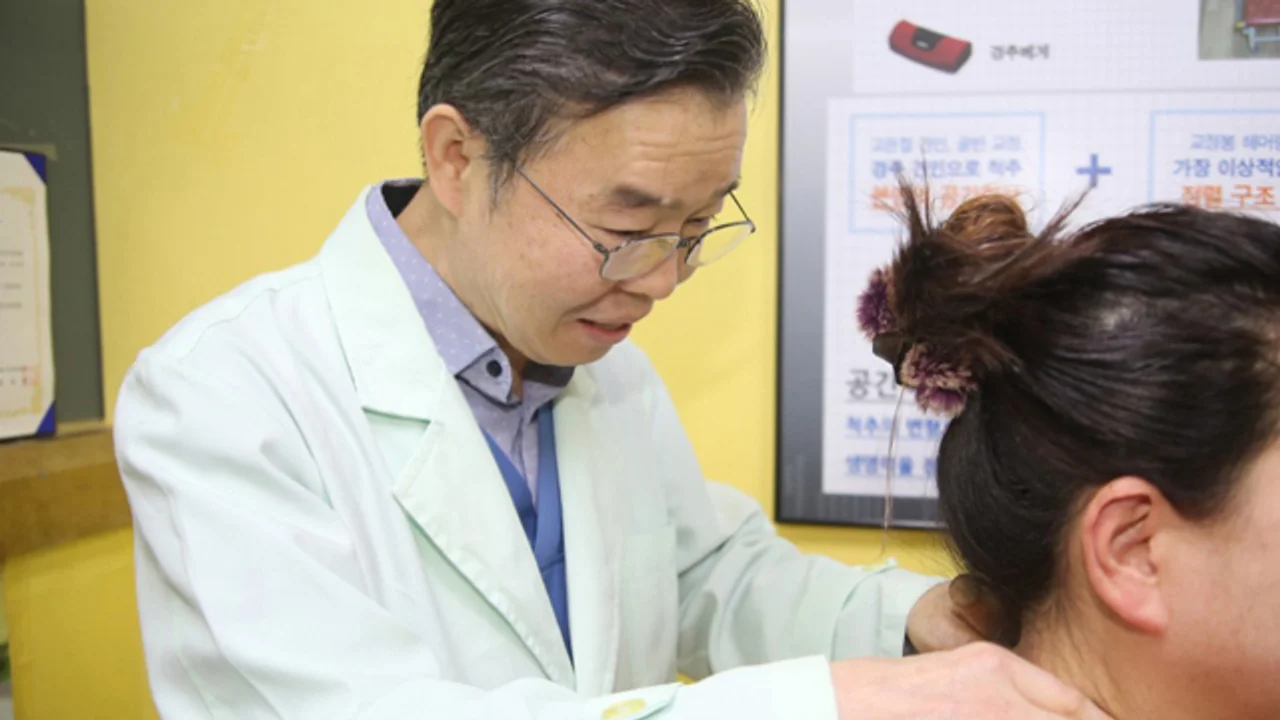
1. Initial Consultation : The treatment journey begins with a detailed consultation with Dr. Ungjin Im. During this visit, patients discuss their symptoms, lifestyle habits, and any previous neck injuries or treatments.
2. Musculoskeletal Evaluation : A physical assessment examines posture, cervical alignment, and muscle tension patterns. This evaluation helps determine the structural factors contributing to neck stiffness.
3. Personalized Treatment Planning : Based on the findings, Dr. Im designs a treatment plan tailored to the patient’s condition. The plan may focus on improving spinal balance and reducing muscular strain.
4. Integrative Korean Medicine Therapy : Patients undergo non-surgical therapies designed to relieve tension in the cervical muscles and restore structural alignment.
5. Follow-Up Monitoring : Follow-up appointments allow the practitioner to monitor progress and adjust treatment methods as the patient’s condition improves.
Torticollis (Twisted or Stiff Neck) Results, Safety, and Longevity
The goal of torticollis treatment is to relieve muscular tension while helping restore natural alignment of the neck. Torticollis, often characterized by neck stiffness or an abnormal head position, can affect daily activities such as driving, working at a computer, or sleeping comfortably. In Korean medicine, treatment approaches may focus on improving musculoskeletal balance and reducing muscle tightness through individualized therapies designed to support natural movement and posture.
Because the treatment approach emphasizes restoring structural balance within the body, improvements may occur gradually over a series of sessions. As therapy progresses, many patients begin to notice increased flexibility in the neck and shoulders, along with reduced tension in surrounding muscles. The goal of ongoing care is to help improve comfort during daily activities while supporting better posture and muscle function over time.
During treatment, some patients may experience temporary reactions as the body adjusts. These can include mild soreness in the treated muscles or temporary fatigue following therapy sessions. Such responses are generally short-lived and may occur as the muscles and joints adapt to improved alignment and movement. Serious complications are uncommon when treatment is performed by qualified Korean medicine practitioners. Patients are encouraged to follow their personalized treatment plan and attend recommended follow-up visits to monitor progress and support recovery.
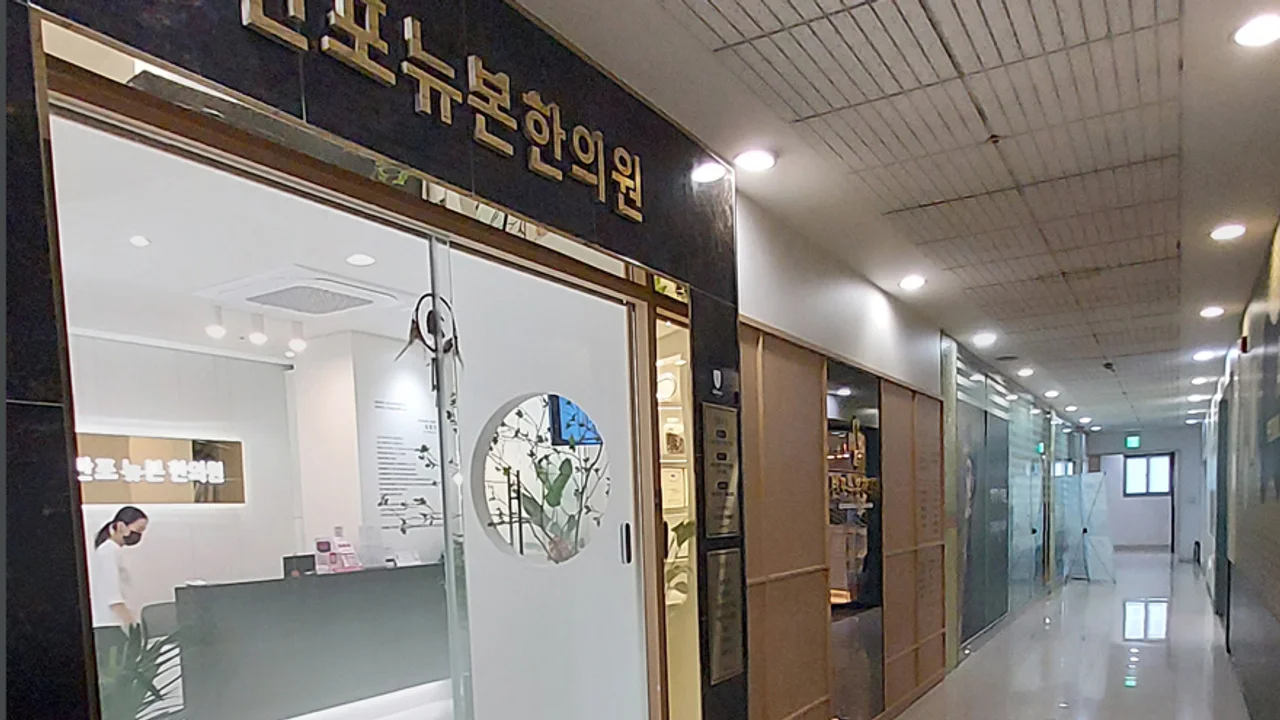
Why Choose Banpo Newborn Korean Medicine Clinic for Torticollis Treatment
Other Treatments
Discover additional spinal, TMJ, pediatric, and Korean medicine programs.

Turtle neck/Straight neck
Scoliosis is a condition where the spine curves abnormally sideways, while “straight neck syndrome” (also called military neck) involves a loss of the natural cervical curvature
Learn More

Menstrual Pain
Menstrual pain can be more than just an inconvenience—it’s a sign that the body may be out of balance. Korean traditional medicine offers a comprehensive, natural solution that aligns with the body’s rhythms and promotes overall wellness.
Learn More

Dementia
Korean traditional medicine offers a holistic and personalized approach that addresses the root imbalances behind cognitive decline.
Learn More