SART Whole-Body Spinal Alignment, Chuna Therapy & International Patient Concierge
30+ Years Clinical Experience
en-US

Korean Medicine Guide
5 Myths About Herniated Discs That Are Holding You Back from Treatment
Discover 5 common herniated disc myths that delay treatment. Learn the truth about disc pain, surgery, and modern non-surgical solutions.
Schedule a Consultation5 Myths About Herniated Discs That Are Holding You Back from Treatment
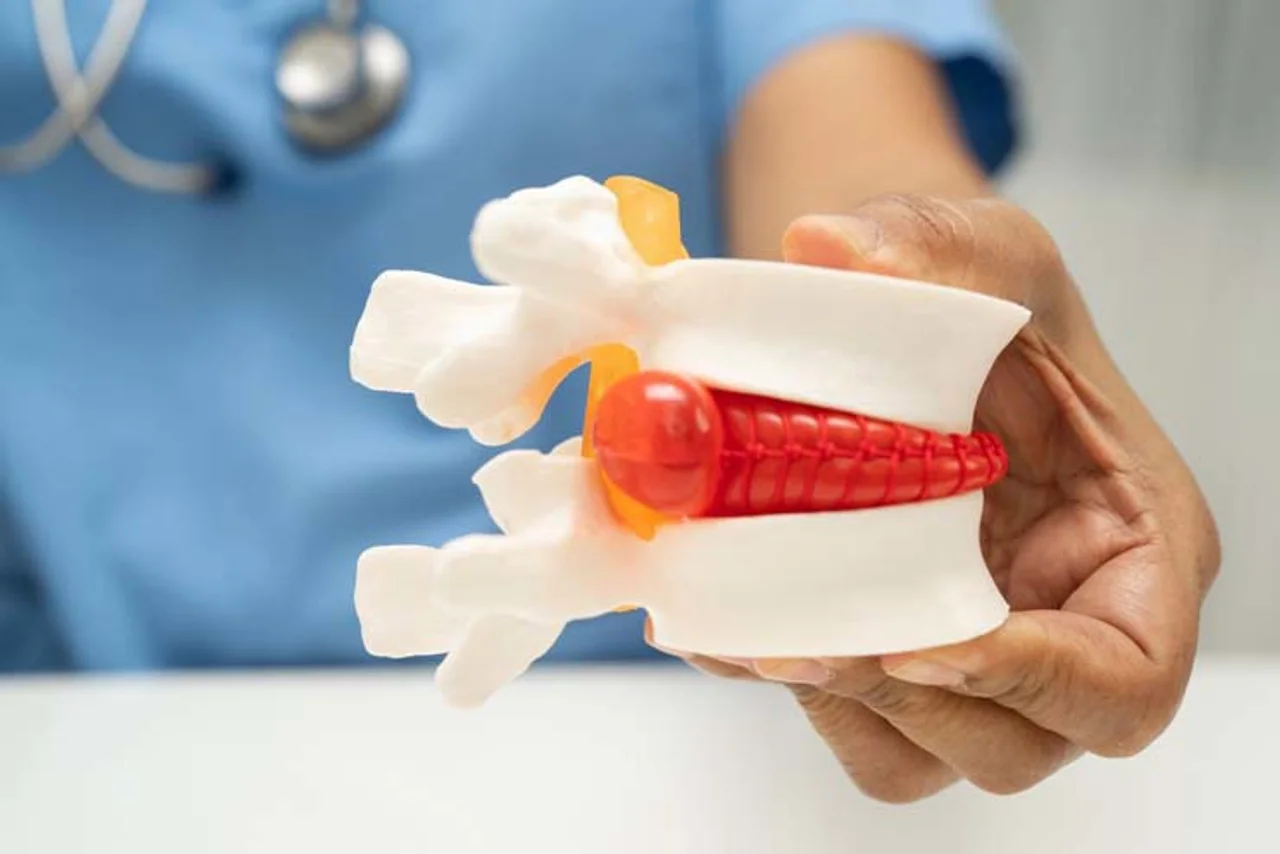
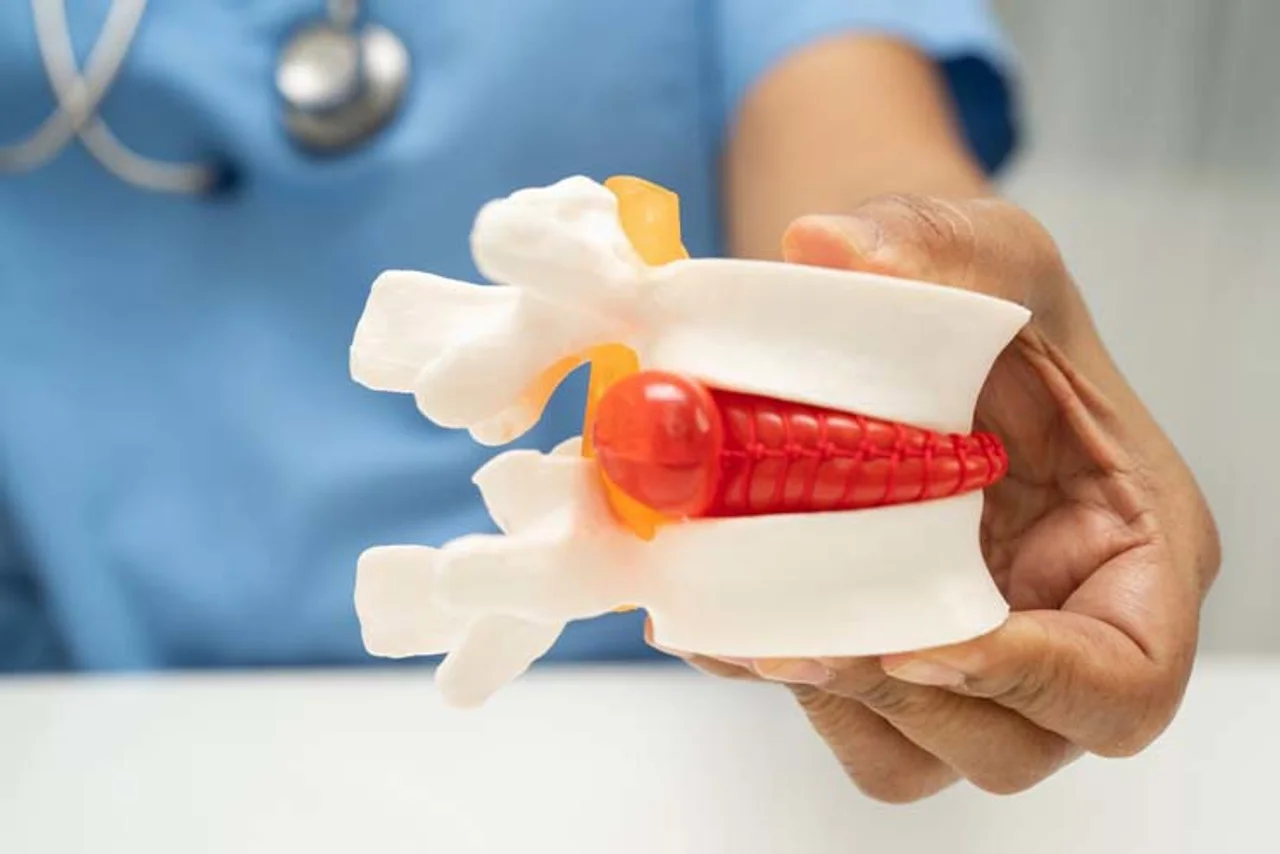
Have you been living with persistent back pain, radiating leg discomfort, or unexplained numbness—yet hesitating to seek treatment because you’re afraid of what a diagnosis might mean?
At Banpo Newborn Korean Medicine Clinic, we meet many patients like this. To be honest, a large number of people don’t delay care because the pain is mild—they delay it because of misinformation. Herniated discs are surrounded by myths that make the condition sound far more frightening, permanent, or invasive than it actually is.
And those myths can quietly hold you back from the treatment that could genuinely change your quality of life.
As a clinic that has spent over 30 years treating spinal disorders through non-surgical, holistic Korean medicine, we believe education is the first step toward healing. Let’s address the most common misconceptions we see—and explain what herniated disc treatment really looks like today.
Understanding Herniated Discs: A Brief Reality Check
Before we dive into the myths, it helps to understand what a herniated disc actually is.
Your spine is made up of vertebrae cushioned by discs—soft, shock-absorbing structures that allow movement and flexibility. When a disc’s inner material bulges or leaks outward, it can irritate nearby nerves. This is what we commonly call a herniated disc, also known as a slipped or ruptured disc.
Not all herniated discs cause pain. And when they do, the symptoms can vary widely—from mild stiffness to sharp nerve pain extending into the arms or legs.
Yet despite how common this condition is, fear and misunderstanding often prevent people from getting timely care.
Let’s clear that up.
Myth 1: “A Herniated Disc Always Requires Surgery”

This is, without question, the most damaging myth we encounter.
Many patients come to us saying, “I avoided getting checked because I didn’t want surgery.” The truth? The vast majority of herniated disc cases do not require surgery.
The Reality
Globally—and especially in Korea—clinical guidelines emphasize conservative, non-surgical treatment as the first-line approach. Surgery is typically reserved for rare cases involving severe neurological damage, progressive weakness, or loss of bladder or bowel control.
At Banpo Newborn Korean Medicine Clinic, we focus on:
Spinal Alignment Restoration Therapy (SART)
Chuna manual therapy
Targeted acupuncture and neuromuscular regulation
Whole-body postural correction
Dr. Ungjin Im often explains it this way:
A herniated disc is not just a local problem—it’s often the result of years of imbalance in how the spine bears weight.
When alignment is restored and pressure is reduced, many discs stabilize naturally.
Myth 2: “If I Can Still Walk or Work, It’s Not Serious”
This myth keeps people in pain far longer than necessary.
Just because you can tolerate discomfort doesn’t mean the condition isn’t progressing.
The Reality
Herniated discs don’t always announce themselves dramatically. Some develop slowly, with symptoms like:
Morning stiffness that fades but returns
Tingling in one leg or arm
A dull ache after sitting
Tightness that shifts sides
In Korean culture, endurance is often valued. Many patients push through pain, telling themselves it’s “just fatigue” or “part of aging.” But untreated disc issues can gradually affect:
Nerve sensitivity
Muscle balance
Gait and posture
Joint loading in the hips, knees, and neck
By the time pain becomes unbearable, compensation patterns are deeply ingrained—making recovery longer than it needed to be.
Early evaluation doesn’t mean aggressive treatment. It often means gentler, faster, and more effective care.
Myth 3: “Rest Is the Best Treatment for a Herniated Disc”
Rest has its place—but prolonged rest is not the solution many people believe it to be.
The Reality
Short-term rest during acute pain flare-ups can help. However, extended inactivity often worsens disc-related problems by:
Weakening stabilizing muscles
Reducing spinal circulation
Increasing stiffness and fear of movement
Think of the spine like a young tree. If it starts leaning and you stop supporting it altogether, the imbalance doesn’t correct itself—it worsens.
At our clinic, treatment emphasizes guided, precise correction, not forced movement or excessive rest. Through Chuna therapy and spatial spinal correction, we help the body:
Redistribute load evenly
Reduce nerve compression
Restore natural motion patterns
Movement, when done correctly, is part of healing—not the enemy.
Myth 4: “Once a Disc Is Herniated, It Will Never Heal”
This belief often leads to resignation: “I guess I just have to live with it.”
Fortunately, that’s rarely true.
The Reality
Research and clinical experience show that many herniated discs improve significantly over time, especially with proper conservative treatment. The body has an impressive ability to:
Reabsorb herniated disc material
Reduce inflammation
Adapt when spinal mechanics are corrected
What matters is how the body heals.
Without alignment correction, surrounding structures may continue to overload the disc. With proper intervention—especially non-invasive spinal therapies—the healing environment changes.
We’ve seen patients who lived with pain for years regain comfort, confidence, and mobility once the root biomechanical cause was addressed.
Healing isn’t about forcing the disc back into place. It’s about restoring balance so the spine can support itself again.
Myth 5: “All Treatments for Herniated Discs Are the Same”
Many people assume treatment is limited to painkillers, injections, or surgery.
This belief prevents them from exploring options that align with their values—especially those seeking non-invasive, whole-body care.
The Reality
There is a significant difference between:
Symptom-focused pain management
andRoot-cause spinal correction
At Banpo Newborn Korean Medicine Clinic, our approach is not a standardized protocol. Each patient receives:
One-on-one evaluation
Detailed postural and spinal analysis
Personalized treatment plans based on alignment patterns, not just imaging
Dr. Im’s Spinal Alignment Restoration Therapy (SART) is designed to correct spatial imbalances in the spine—addressing why the disc was stressed in the first place.
For many patients, this approach provides not only pain relief but also:
Improved sleep
Reduced fatigue
Better balance and breathing
A renewed sense of bodily trust
Why These Myths Are So Harmful
Each of these myths shares one common outcome: delay.
Delay in evaluation
Delay in proper care
Delay in relief
And with spinal conditions, time matters—not because surgery becomes inevitable, but because compensation patterns deepen.
If you’ve been avoiding treatment due to fear, uncertainty, or past misinformation, know this: you are not alone. Many of our patients walk through our doors saying, “I wish I had come sooner.”
A More Empowering Truth About Herniated Discs
Here is what we want every patient to understand:
Herniated discs are common—and manageable
Surgery is rarely the first answer
Non-invasive, evidence-based Korean medicine offers real solutions
Your spine can improve, even after years of discomfort
Healing doesn’t begin with force. It begins with understanding, precision, and care.
When to Consider a Professional Evaluation
You may benefit from a spinal assessment if you experience:
Persistent back or neck pain lasting more than a few weeks
Radiating pain, tingling, or numbness
Pain that worsens with sitting or bending
A feeling that your posture or balance has changed
A comprehensive evaluation doesn’t lock you into treatment—it gives you clarity.
Moving Forward with Confidence
At Banpo Newborn Korean Medicine Clinic, we believe that fear should never stand between a patient and their recovery. Our role is not only to treat pain, but to guide you with honesty, safety, and compassion.
If you’ve been held back by myths about herniated discs, perhaps it’s time to replace fear with facts—and discomfort with hope.
Healing is not about enduring pain.
It’s about restoring balance—one careful step at a time.
Considering a spinal check-up? Banpo Newborn Korean Medicine Clinic offers comprehensive evaluations and personalized, non-surgical care for herniated disc patients seeking lasting relief.
More Medical Articles
Continue reading clinical insights from Banpo Newborn Korean Medicine Clinic.

Why Seoul is the Global Hub for Minimally Invasive Vertigo Treatment
Dizziness and vertigo are among the most common reasons for hospital visits in South Korea, affecting nearly 16.7% of the adult population annually according to the Korea National Health and Nutrition Examination Survey (KNHANES).
Learn More

Tinnitus Relief in Seoul: Multidisciplinary Upper Cervical Care
For many, the sound of silence is replaced by a persistent ringing, buzzing, or hissing. In South Korea, this is more than an individual annoyance; it is a significant public health trend.
Learn More

Success Rates of SART for OPLL Compared to Standard Laminectomy in Korea
The prevalence of Ossification of the Posterior Longitudinal Ligament (OPLL) in East Asian populations, particularly in South Korea, is significantly higher than in Western countries, affecting approximately 2% to 4% of the population according to nationwide...
Learn More