SART Whole-Body Spinal Alignment, Chuna Therapy & International Patient Concierge
30+ Years Clinical Experience
en-US


Korean Medicine Guide
Tinnitus Relief in Seoul: Multidisciplinary Upper Cervical Care
For many, the sound of silence is replaced by a persistent ringing, buzzing, or hissing. In South Korea, this is more than an individual annoyance; it is a significant public health trend.
Schedule a ConsultationFor many, the sound of silence is replaced by a persistent ringing, buzzing, or hissing. In South Korea, this is more than an individual annoyance; it is a significant public health trend. According to data from the Korean National Health and Nutrition Examination Survey (KNHANES), the prevalence of tinnitus in the Korean population is approximately 21.4%, with nearly 7.3% of individuals reporting "annoying" or bothersome symptoms that interfere with daily life.
The economic and psychological toll is substantial, as chronic tinnitus often co-occurs with headaches, neck pain, and dizziness. While conventional treatments often focus solely on the ear, a growing body of evidence in Korea points toward the "structural-neurological" connection. At Banpo Newborn Korean Medicine Clinic in Seoul, the approach to tinnitus and chronic headache is shifting away from temporary symptom masking toward root-cause resolution through Upper Cervical Correction and SART (Spinal Alignment Restoration Therapy).
Tinnitus Treatment in Korea: Costs, Recovery, and Efficacy
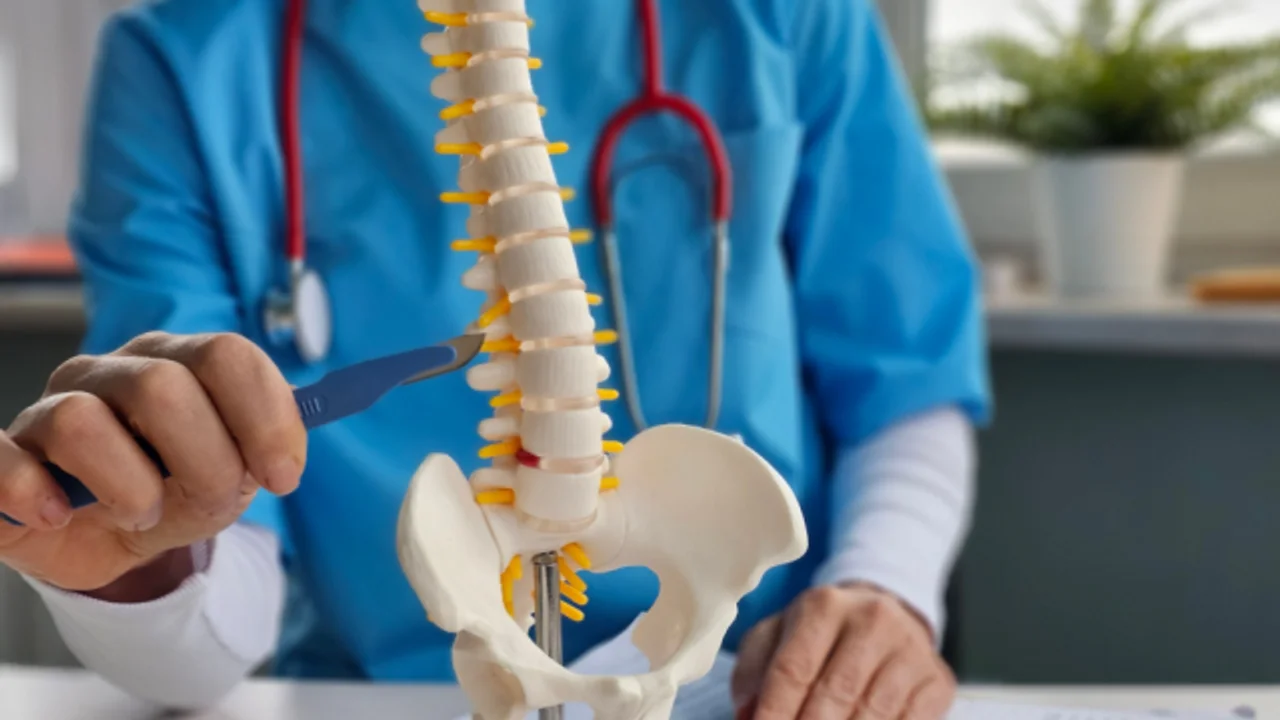
Why is the Upper Cervical Spine the Focus for Tinnitus in Seoul?
Many patients are surprised to learn that the "ringing" in their ears may actually be a "signal" from their neck. The upper cervical spine—specifically the Atlas (C1) and Axis (C2) vertebrae—houses the brainstem and sits in close proximity to the cranial nerves responsible for hearing and balance. When these vertebrae are misaligned, they can create neurological "noise" that the brain interprets as tinnitus.
How much does Tinnitus treatment cost in Korea?
Interventional pain procedures in Korea are often more accessible than in neighboring Japan. For example, a comparative study on interventional pain treatment costs showed that while certain nerve blocks in Japan can be significantly more expensive (with a PPP ratio of 1.06 to 2.57 for certain blocks), Korea offers a highly competitive environment for specialized manual therapies like Chuna.
Current Standard Approaches & Limitations
Conventional tinnitus management in Korea typically follows a ladder of interventions. While these provide relief for some, many patients find themselves in a cycle of "re-intervention."
Standard Options:
- Steroid Injections/Oral Medications: Often used for sudden hearing loss or acute inflammation.
- Tinnitus Retraining Therapy (TRT): Habituation through sound masking.
- Nerve Blocks: Target local pain but may not address structural causes.
Key Pros/Cons:
- Pros: Rapid relief for acute cases; widely available in local ENT clinics.
- Cons_:_ High re-intervention rates; side effects of long-term medication; failure to address the "cervicogenic" (neck-origin) aspect of the ringing.
Common Pain Points:
- Hospitalization: Traditional surgeries require downtime.
- Cost Over Time: Repeated injections and medications create a "long-tail" cost curve without permanent resolution.
Advanced Approach: Upper Cervical Correction & SART
At the forefront of chronic tinnitus care is Upper Cervical Correction, often integrated into a protocol known as SART (Spinal Alignment Restoration Therapy). This is a high-precision, minimally invasive manual therapy that focuses on restoring the "Zero Point" of the spine.
How it works:
Unlike general massage or forceful chiropractic adjustments, Upper Cervical Correction uses a "soft" technique to realign the C1 and C2 vertebrae. This relieves pressure on the trigeminal and vestibulocochlear nerves, which are frequently implicated in both tinnitus and migraines.
Why it is considered High-Precision:
The method relies on detailed structural diagnosis. By correcting the alignment, the clinic aims to reactivate the body's "Self-Healing Power," allowing the nervous system to reset and the auditory signals to normalize.
Is Upper Cervical Correction in Korea worth the cost?
Yes. While initial specialized protocols may have a higher upfront cost than a single injection, they aim to reduce long-term dependence on medication and prevent the need for more invasive procedures. By addressing the structural root cause, patients often see a reduction in the "frequency of intervention" over time.
Data & Outcomes: Conventional vs. Advanced Path
The Korean regenerative and manual medicine market is seeing a CAGR of 18-19%, reflecting a shift in patient preference toward non-surgical, function-restoring care.
| Feature | Conventional Path (Injections/Meds) | Advanced Path (Upper Cervical / SART) |
|---|---|---|
| Mechanism | Symptom suppression / Nerve blocking | Structural realignment / Nerve decompression |
| Relief Duration | Temporary (weeks to months) | Long-term (aims for permanent stability) |
| Downtime | Minimal (but repeated sessions) | Zero (Non-invasive) |
| Tinnitus Grade Improvement | Variable; often focuses on masking | Significant improvement in "Bothersome" score |
| Associated Symptoms | Focuses only on ear/head | Also resolves neck pain and dizziness |
Local Korea Insights: The Shift Toward Functional Healing
Korean patients are famously "tech-savvy" and results-oriented. There is a marked local trend moving away from "just living with it" toward seeking multidisciplinary pain clinics.
- Regulatory Context: Since 2019, the National Health Insurance (NHI) in Korea has covered Chuna Manual Therapy, making specialized spinal care more affordable for the average citizen.
- Patient Expectations: The modern Korean patient demands treatments that allow them to return to work immediately. Upper Cervical Correction fits this "minimal downtime" requirement perfectly while offering the "high-tech" precision that the Seoul medical market is known for.
Where Banpo Newborn Fits in Tinnitus Care in Korea

Banpo Newborn Korean Medicine Clinic specializes in the treatment of "intractable" neurological conditions that have failed the conventional medical ladder.
- Expertise: Led by Director Ungjin Im, a veteran with over 30 years of clinical experience and a doctorate from Kyunghee University’s East-West Medical School.
- Unique Protocol: The clinic uses SART (Spinal Alignment Restoration Therapy), a specialized form of space-spinal correction that goes beyond standard Chuna to address the entire spinal environment, including TMJ (Jaw) Balancing.
- Patient Selection: Dr. Im personally conducts 1:1 consultations to identify if a patient's tinnitus is "cervicogenic" (originating from the neck) or "somatosensory" (linked to the jaw and spine).
The clinic’s reputation is built on 10,000+ successful treatments, positioning it as a trusted entity for those seeking high-precision, non-drug alternatives for ringing in the ears.
Conclusion
Tinnitus affects over 20% of the Korean population, yet many are told they must simply "endure it." While conventional injections and masking therapies have their place, they often miss the structural misalignments in the upper neck that trigger neurological distress. The advanced Upper Cervical Correction offered at Banpo Newborn represents a data-driven, non-invasive path to quiet the noise and restore quality of life.
Patients considering Upper Cervical Correction in Korea can schedule a consultation to discuss whether this root-cause approach may be suitable for their specific condition and goals.
More Medical Articles
Continue reading clinical insights from Banpo Newborn Korean Medicine Clinic.

Why Seoul is the Global Hub for Minimally Invasive Vertigo Treatment
Dizziness and vertigo are among the most common reasons for hospital visits in South Korea, affecting nearly 16.7% of the adult population annually according to the Korea National Health and Nutrition Examination Survey (KNHANES).
Learn More
Tinnitus Relief in Seoul: Multidisciplinary Upper Cervical Care
For many, the sound of silence is replaced by a persistent ringing, buzzing, or hissing. In South Korea, this is more than an individual annoyance; it is a significant public health trend.
Learn More

Success Rates of SART for OPLL Compared to Standard Laminectomy in Korea
The prevalence of Ossification of the Posterior Longitudinal Ligament (OPLL) in East Asian populations, particularly in South Korea, is significantly higher than in Western countries, affecting approximately 2% to 4% of the population according to nationwide...
Learn More