SART Whole-Body Spinal Alignment, Chuna Therapy & International Patient Concierge
30+ Years Clinical Experience
en-US


Korean Medicine Guide
5 Things to Know Before Starting Herbal Treatment for Dystonia
Discover key facts before starting herbal treatment for dystonia. Learn benefits, risks, and what to expect for safe, effective natural care.
Schedule a Consultation5 Things to Know Before Starting Herbal Treatment for Dystonia

Living with dystonia can feel like being trapped inside a body that doesn’t quite follow your instructions. Muscles pull without warning. Movements you once made effortlessly suddenly require immense concentration. Many people search for solutions for years, navigating medications, physical therapy, injections, and lifestyle adjustments before turning to herbal medicine as an additional or alternative path.
If you are considering herbal treatment, you are absolutely not alone. In Korea, many patients explore herbal therapies alongside other non-invasive treatments because they value holistic approaches, individualized care, and long-term healing. But as helpful as herbal medicine can be, it’s important to begin this journey well-informed.
Below are the five essential things to know before starting herbal treatment for dystonia—insights shaped by clinical experience, patient stories, and principles rooted in traditional Korean medicine.
Herbal Treatment Works Best When Dystonia Is Viewed as a Whole-Body Condition
A common misunderstanding is that dystonia is simply a “muscle problem.” The muscles contract involuntarily, yes—but the root cause lies deeper, often involving the nervous system, stress patterns, and even the alignment of the spine and jaw. This is why some people feel that no matter how many muscle relaxants or injections they try, their symptoms return or shift to new areas.
In traditional Korean medicine, we view dystonia as a systemic imbalance, not a single malfunctioning body part. This matters because herbal formulas are designed not just to relieve symptoms but to support:
Neurological regulation
Blood flow to affected muscles
Stabilization of autonomic nervous system patterns
Reduction of inflammation or internal heat
Emotional balance, especially where stress or trauma intensifies symptoms
To be honest, many patients are surprised when they realize how deeply their dystonia is connected to their overall constitution—sleep patterns, digestion, posture, stress resilience, and their personal history of injuries or overuse. Herbal treatment, when done properly, addresses these interconnected layers.
Before you begin, be prepared for your practitioner to ask detailed questions about your daily life, mood, energy levels, menstrual cycle (if applicable), and physical sensitivities. This is not “over-questioning”—it’s the foundation of a precise, personalized herbal strategy.
Not All Herbal Formulas Are the Same—Customization Is Essential
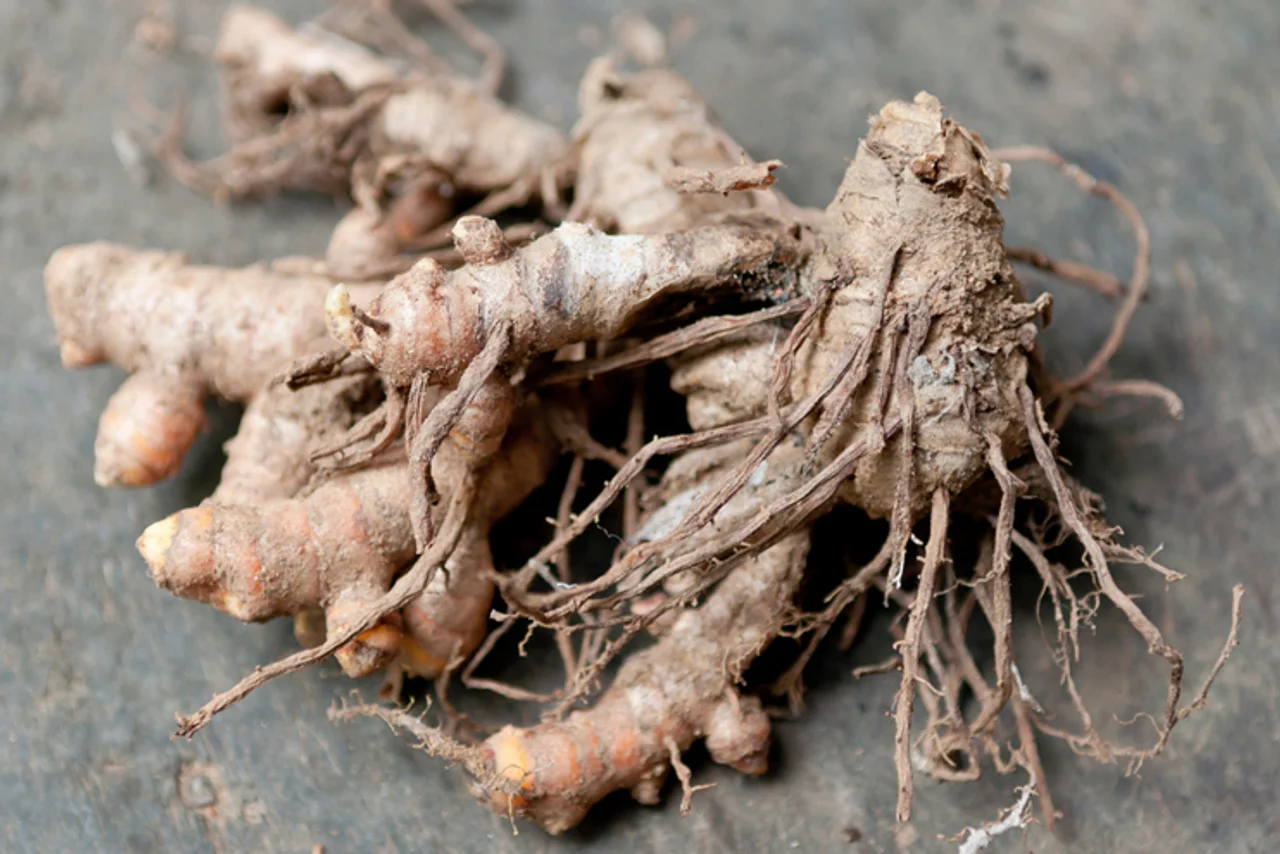
Some people expect herbal medicine to be like buying vitamins: something you can pick off a shelf. But dystonia is far too complex for generic remedies. Two patients may both have cervical dystonia, yet one experiences sharp pulling pain worsened by stress, while the other feels heaviness and fatigue with minimal pain. If they receive the same herbal prescription, one of them—perhaps both—will not see meaningful improvement.
Herbal treatment must reflect your unique symptom constellation:
Are your movements twisting, tremoring, or rigid?
Do symptoms worsen with anxiety or physical fatigue?
Do you feel heat, cold, numbness, or pressure in certain areas?
Do you have digestive issues or sleep disturbances?
Is pain your primary complaint, or is it movement restriction?
Skilled herbalists create formulas that match these patterns with extraordinary precision. They may adjust the prescription weekly or monthly depending on your response.
This is why self-medicating with online herbal blends—no matter how convincing the marketing—can be risky. Not necessarily dangerous, but unhelpful at best and counterproductive at worst. Some herbs that relax the nervous system, for example, can worsen fatigue or digestive weakness. Others that invigorate circulation may aggravate sensitivity or spasms in specific patients.
Herbal treatment for dystonia is not simply about “taking herbs.”
It is about receiving the right herbs in the right balance for the right individual.
Herbs Can Help, But They Are Not a Quick Fix—Expect a Gradual, Layered Healing Process
One of the hardest truths—and simultaneously one of the most hopeful—is that dystonia rarely improves overnight. Even with effective treatment, the nervous system needs time to reorganize movement patterns that may have been entrenched for months or years.
Patients often ask:
“How long will it take before I feel a difference?”
A realistic expectation is noticeable change within 4–8 weeks, particularly in symptoms such as:
Reduced muscle tightness
Longer periods between spasms
Improved sleep
Better stress tolerance
Less pain or burning
Feeling calmer or more grounded
But deeper, more stable improvements—such as decreased involuntary contractions or restored movement control—typically build gradually over several months. This is not a sign that the herbs aren’t working. It reflects the biology of the nervous system, which heals in incremental steps, much like rehabilitating a sprain or retraining posture.
A helpful metaphor is imagining your nervous system as a musical orchestra that has fallen out of rhythm. Herbal medicine doesn’t just silence one instrument—it guides the entire ensemble back into harmony. That takes consistent support.
This is also why many practitioners combine herbal treatment with:
Acupuncture
Manual therapies
Breathing and relaxation exercises
Postural correction
Jaw or neck alignment care
All of these support the body’s recovery from multiple angles, creating a synergistic effect.
Think of herbal medicine as the foundation—it stabilizes your internal environment so that other treatments can work more effectively.
Prior Health Conditions and Medications Matter—Herbal Treatment Must Be Safe and Monitored
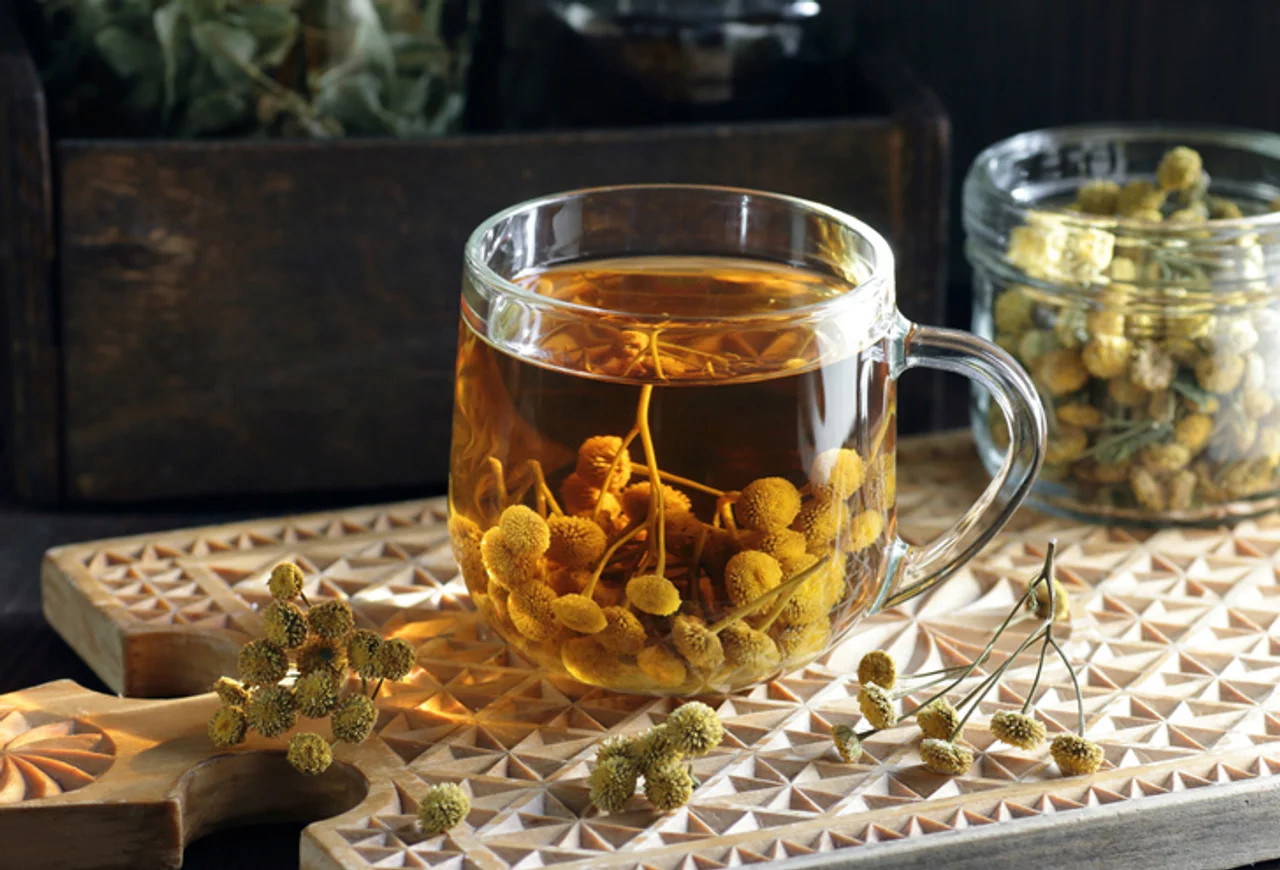
Herbal medicine is gentle, but gentle does not mean simplistic. Before starting treatment, it’s essential to share:
Your current medications
Any history of liver or kidney issues
Past reactions to herbs or supplements
Hormonal or endocrine disorders
Cardiovascular conditions
Mental health conditions
Pregnancy or plans for pregnancy
Your caffeine, alcohol, or smoking habits
This is not only for safety but also for treatment accuracy.
Certain dystonia patients may already be taking muscle relaxants, anticholinergics, benzodiazepines, or medications for anxiety or depression. Some herbal ingredients can enhance or diminish the effects of these medications. A knowledgeable practitioner will adjust dosages and select herbs that support your system without causing unwanted interactions.
People sometimes assume herbs are universally safe because they come from plants. But just as not every plant in nature is edible, not every herb is appropriate for every body. Proper diagnosis, monitoring, and adjustment are what make herbal treatment both effective and safe.
If you're undergoing conventional medical treatment, don’t stop or change anything without consulting the appropriate specialists. Herbal medicine can complement your medical plan beautifully—as long as communication is clear and intentional.
Consistency and Lifestyle Alignment Are Key to Seeing Real Improvement
Herbal treatment alone can be powerful, but its effects multiply when you align your lifestyle with your healing goals. Dystonia is highly sensitive to physical and emotional stress, so small daily habits make a tremendous difference.
Sleep Is Non-Negotiable
Many dystonia patients notice that poor sleep worsens spasms the next day. Herbs can support sleep, but maintaining consistent sleep hygiene amplifies their effect.
Warmth Helps Muscles Relax
Cold weather or cold environments can intensify dystonic contractions. Herbs that warm circulation help, but so does using heat packs or avoiding cold drafts.
Posture Affects Neurological Patterns
Even if your dystonia is not directly caused by posture, misalignment places extra strain on already struggling muscles. Ergonomic adjustments and gentle movement practices support the relaxation herbs aim to achieve.
Stress Regulation Is Essential
Dystonia and the autonomic nervous system are deeply intertwined. Practices like:
slow breathing
meditation
warm baths
stretching
calming evening routines
help create an internal environment where herbs can work more effectively.
Consistency with Herbs Is Critical
Taking formulas sporadically or skipping weeks will disrupt your progress. Herbs work cumulatively—like watering a plant or building strength through regular exercise.
One of the most meaningful pieces of advice patients often share is this:
“Healing happens quietly before you realize it.”
Small shifts accumulate. One day your neck turns more naturally, your hand tremor softens, or your jaw feels less rigid. Herbal medicine supports these subtle but meaningful changes that eventually add up to real transformation.
Conclusion: Herbal Treatment for Dystonia Is a Journey Toward Wholeness
Starting herbal treatment for dystonia is not just taking new medicine—it is entering a new relationship with your body. A relationship built on listening, patience, and personalized care.
The most important things to remember are:
View dystonia as a whole-body condition, not just a muscle issue.
Customization is essential—the right herbal formula must match your unique pattern.
Expect gradual, layered progress, not instant change.
Safety and communication matter, especially regarding medications and health history.
Lifestyle alignment amplifies results, helping the nervous system find stability.
More Medical Articles
Continue reading clinical insights from Banpo Newborn Korean Medicine Clinic.

Why Seoul is the Global Hub for Minimally Invasive Vertigo Treatment
Dizziness and vertigo are among the most common reasons for hospital visits in South Korea, affecting nearly 16.7% of the adult population annually according to the Korea National Health and Nutrition Examination Survey (KNHANES).
Learn More

Tinnitus Relief in Seoul: Multidisciplinary Upper Cervical Care
For many, the sound of silence is replaced by a persistent ringing, buzzing, or hissing. In South Korea, this is more than an individual annoyance; it is a significant public health trend.
Learn More

Success Rates of SART for OPLL Compared to Standard Laminectomy in Korea
The prevalence of Ossification of the Posterior Longitudinal Ligament (OPLL) in East Asian populations, particularly in South Korea, is significantly higher than in Western countries, affecting approximately 2% to 4% of the population according to nationwide...
Learn More