SART Whole-Body Spinal Alignment, Chuna Therapy & International Patient Concierge
30+ Years Clinical Experience
en-US

Korean Medicine Guide
Aging Doesn’t Have to Mean Chronic Hip Pain — Here's a Better Option
Aging doesn’t have to mean chronic hip pain. Discover advanced, non-surgical treatment options that restore mobility, reduce pain, and support joint health.
Schedule a Consultation“Is This Just What Getting Older Feels Like?”
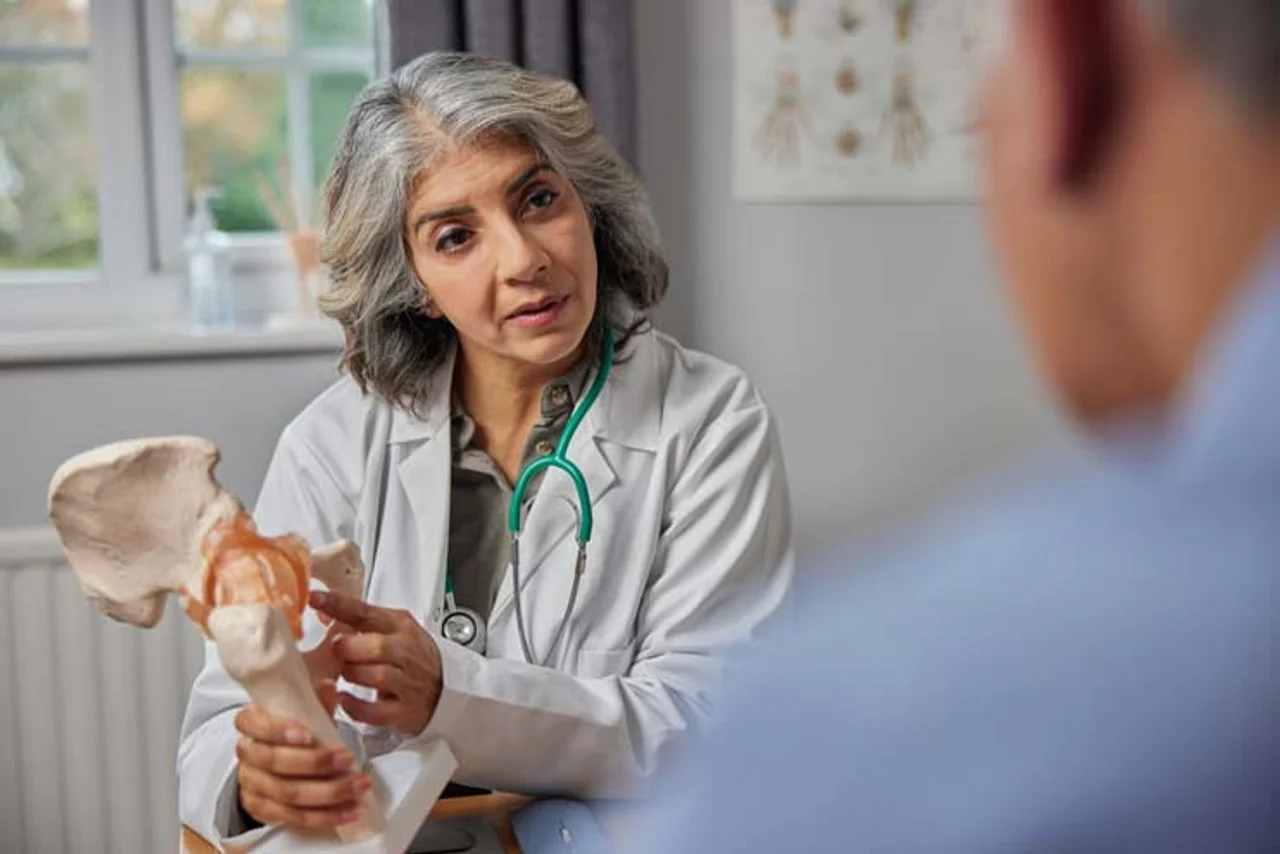
Many people who visit our clinic begin the conversation the same way.
“Doctor, I guess this is just aging, right?”
They’re usually referring to a deep, persistent ache in the hip. Stiffness when standing up from a chair. Pain that flares when climbing stairs or walking longer than ten minutes. Sometimes it’s accompanied by lower back discomfort, knee pain, or even an unexplained sense of imbalance.
To be honest, chronic hip pain has become so normalized that many people assume it’s inevitable with age. Friends say, “It’s arthritis.” Family members advise, “Just be careful and rest more.” And often, the only options presented are painkillers, injections, or surgery down the road.
But after more than 30 years of clinical experience at Banpo Newborn Korean Medicine Clinic, we can say this with confidence:
Aging does not automatically mean you must live with chronic hip pain.
There is a better, safer, and more fundamental option—one that focuses on restoring balance to the body rather than numbing symptoms.
Why Hip Pain Becomes So Common as We Age
The hip joint is one of the most powerful and complex structures in the human body. It supports your weight, stabilizes your posture, and transfers force between the upper and lower body. When it works well, you hardly notice it. When it doesn’t, nearly every movement becomes a reminder.
As we age, several factors converge:
Loss of spinal alignment
Reduced joint mobility
Muscle imbalances
Changes in walking patterns
Long-term postural habits
In Korean society especially, years of floor sitting, prolonged desk work, driving, and smartphone use subtly reshape posture. Over decades, these habits affect the spine and pelvis long before pain appears.
By the time hip pain becomes noticeable, the issue is often not isolated to the hip itself.
The Overlooked Truth: Most Chronic Hip Pain Doesn’t Start in the Hip
One of the most common misunderstandings about hip pain is assuming that the hip joint is the primary problem.
In reality, the hip is often the victim, not the culprit.
Think of your body like a house. The hip is not the foundation—it’s one of the supporting beams. If the foundation (your spine and pelvis) is tilted or unstable, the beam will strain under uneven load. Over time, cracks appear.
At Banpo Newborn Korean Medicine Clinic, we frequently find that chronic hip pain is linked to:
Pelvic rotation or tilt
Lumbar spine misalignment
Leg length imbalance (functional, not structural)
Restricted sacroiliac joint movement
Asymmetrical muscle tension
These imbalances quietly overload one hip for years. Eventually, pain appears—and by then, many assume it’s simply “old age.”
It’s not.
Why Conventional Approaches Often Fall Short
Many patients arrive at our clinic after trying conventional treatments such as:
Anti-inflammatory medications
Painkillers
Cortisone injections
Physical therapy focused only on the painful area
Recommendations for hip replacement surgery
While these approaches can provide temporary relief, they often fail to address the underlying structural imbalance.
Medication dulls pain signals but does not correct alignment. Injections reduce inflammation but do not restore proper movement patterns. Even surgery, in some cases, replaces a joint without correcting the spinal or pelvic mechanics that caused the damage in the first place.
This is why some people experience recurring pain even after aggressive treatments.
A Different Perspective from Korean Medicine
Traditional Korean medicine views the body as an interconnected system. Pain is not an isolated event—it is a signal of imbalance.
At Banpo Newborn Korean Medicine Clinic, under the guidance of Dr. Ungjin Im, we integrate this philosophy with modern biomechanical understanding. Our focus is not on “treating the hip,” but on restoring the body’s structural harmony.
This approach is especially important for aging patients who want long-term relief without surgery.
Introducing Spinal Alignment Restoration Therapy (SART)
One of the core methods we use is Spinal Alignment Restoration Therapy (SART)—a non-invasive, precision-based approach developed through decades of clinical practice.
SART focuses on:
Correcting subtle spinal deviations
Rebalancing the pelvis
Restoring symmetrical weight distribution
Improving joint communication through the nervous system
When the spine and pelvis return to a more neutral, stable position, the hips are no longer forced to compensate. Pain often decreases not because it’s being suppressed—but because the cause has been removed.
Many patients are surprised to feel hip relief after spinal correction alone.
How Spatial Spinal Correction Helps Aging Bodies
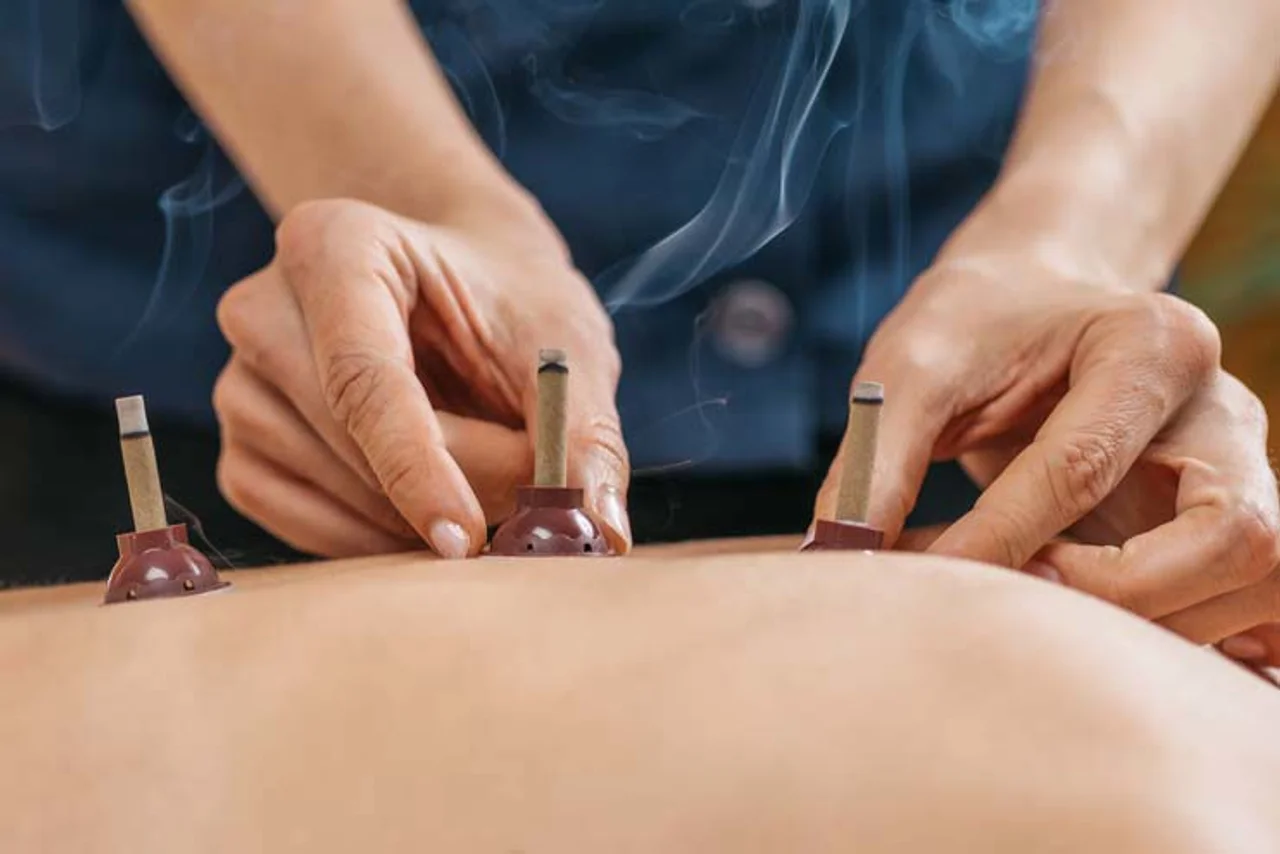
As we age, our tissues become less forgiving. Forceful manipulation is not appropriate for everyone. That’s why Dr. Im pioneered spatial spinal correction, a gentle yet highly precise method tailored to the individual body.
Rather than forcing joints into position, this technique:
Works with natural joint movement
Respects age-related tissue changes
Prioritizes safety and neurological balance
Encourages the body to self-correct over time
For older adults with chronic hip pain, this is crucial. Healing should not feel aggressive. It should feel supportive.
Real-Life Changes Patients Notice
Patients often come to us cautiously hopeful—and sometimes skeptical. Many have lived with hip pain for years.
What they commonly report after consistent care includes:
Reduced pain when standing up or sitting down
Easier walking with longer endurance
Less limping or asymmetry
Improved balance and confidence
Better sleep due to reduced discomfort
One patient in her early 60s shared:
“I thought my hip pain meant I was becoming fragile. But as my posture improved, I felt stronger—not weaker.”
This shift in mindset is just as important as physical improvement.
Aging Is Not Decline — It’s Adaptation
One of the most damaging myths about aging is that pain equals deterioration.
In reality, many pain patterns reflect adaptation gone wrong. The body adapts to imbalance until it can’t anymore. When we support the body with proper alignment, it often responds remarkably well—even later in life.
At Banpo Newborn Korean Medicine Clinic, we’ve seen patients in their 50s, 60s, and 70s regain comfort and mobility without surgery.
Healing is not about turning back the clock. It’s about giving your body a fair chance to function correctly.
Why Early Structural Care Matters — Even If Pain Is “Manageable”
Some people delay care because their pain is “not that bad yet.” But chronic hip pain rarely appears overnight. It develops quietly.
Addressing alignment early can:
Slow degenerative changes
Reduce stress on the hip joint
Prevent secondary issues in the knee or lower back
Preserve mobility and independence
Waiting until pain becomes unbearable often limits non-surgical options.
What Makes Banpo Newborn Different
Our clinic is not a high-volume, rushed environment. Each patient receives one-on-one care, detailed evaluation, and a personalized treatment plan.
What sets us apart includes:
Over 30 years of specialized experience
Leadership by Dr. Ungjin Im, a pioneer in non-surgical spinal correction
A focus on root causes, not symptom suppression
Gentle, precise techniques suitable for aging bodies
A warm, patient-centered approach
We believe patients should understand their bodies—not feel intimidated by them.
A Better Option Is Possible
If you’ve been living with hip pain and quietly telling yourself, “This is just aging,” it may be time to reconsider.
Pain is not a requirement for growing older.
With the right approach—one that respects the body’s structure, nervous system, and natural healing ability—many people find relief they didn’t think was possible.
If you’re considering a non-surgical, holistic approach to chronic hip pain, a comprehensive spinal and pelvic evaluation may be the first step.
Banpo Newborn Korean Medicine Clinic is here to help you move forward with confidence, stability, and comfort—at any age.
More Medical Articles
Continue reading clinical insights from Banpo Newborn Korean Medicine Clinic.

Why Seoul is the Global Hub for Minimally Invasive Vertigo Treatment
Dizziness and vertigo are among the most common reasons for hospital visits in South Korea, affecting nearly 16.7% of the adult population annually according to the Korea National Health and Nutrition Examination Survey (KNHANES).
Learn More

Tinnitus Relief in Seoul: Multidisciplinary Upper Cervical Care
For many, the sound of silence is replaced by a persistent ringing, buzzing, or hissing. In South Korea, this is more than an individual annoyance; it is a significant public health trend.
Learn More

Success Rates of SART for OPLL Compared to Standard Laminectomy in Korea
The prevalence of Ossification of the Posterior Longitudinal Ligament (OPLL) in East Asian populations, particularly in South Korea, is significantly higher than in Western countries, affecting approximately 2% to 4% of the population according to nationwide...
Learn More