SART Whole-Body Spinal Alignment, Chuna Therapy & International Patient Concierge
30+ Years Clinical Experience
en-US

Korean Medicine Guide
Backache That Radiates to the Hip? Learn What’s Really Going On
Back pain radiating to the hip? Discover common causes, symptoms, and effective treatments to relieve discomfort and restore mobility.
Schedule a Consultation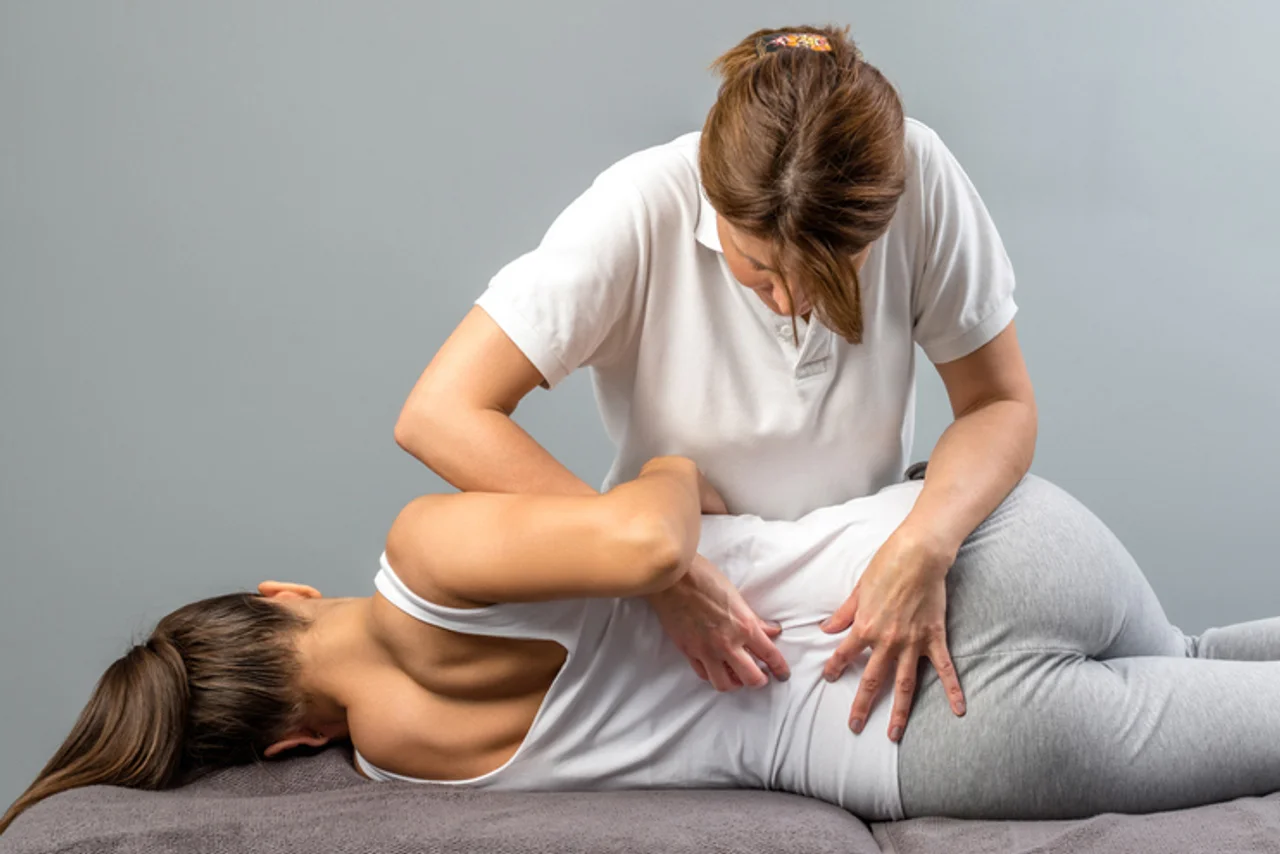
A dull backache creeps across your lower spine, then slides into one side of your pelvis or the outside of your thigh. Sitting too long makes it worse; walking can help—until it doesn’t. If this sounds familiar, you’re in good company. At Banpo Newborn Oriental Medical Clinic in Banpo, Seoul, we see this "back‑to‑hip" pattern every day. To be honest, many people assume the hip is the problem and treat only the sore spot. But most radiating hip discomfort begins in the spine and pelvis—and responds best when we address the whole chain.
This guide breaks down what’s really going on, how to tell key patterns apart, and how Dr. Ungjin Im’s non‑surgical approach—Spinal Alignment Restoration Therapy (SART), Chuna therapy, acupuncture, herbal medicine, and TMJ‑aware rehab—can help you move comfortably again.
What Does “Backache Radiating to the Hip” Mean?
Radiation simply means the nervous system is sharing a signal beyond the original site. That signal may be:
Referred pain — diffuse ache from joints, ligaments, or muscles that the brain interprets near the hip (e.g., sacroiliac joint, facet joints).
Radicular pain — sharper, track‑like pain (sometimes with numbness/tingling) following a nerve root, as with disc herniation/herniated disc/slipped disc.
Local hip pathology — labral irritation or tendinopathy can feel like “radiation,” but starts in the hip and influences the back secondarily.
Clues matter. Groin‑centered pain often points to the hip joint; buttock‑centered ache suggests the SI joint or piriformis; outer‑hip tenderness points toward gluteal tendons; pain that shoots below the knee hints at nerve‑root irritation.
The Most Common Culprits We See
1) Lumbar Disc Irritation (Disc Herniation / Slipped Disc)
A disc herniation can inflame a nerve root, creating track‑like pain from the lower back into the buttock and outer hip, sometimes down the leg. Coughing, sneezing, or prolonged sitting can aggravate it. Early care focuses on calming inflammation, decompression habits, and restoring alignment so the disc stops being repeatedly stressed.
2) Lumbar Spinal Stenosis
With spinal stenosis—especially lumbar spinal stenosis—narrowed canals compress nerves. Patients often say, “I can’t stand long, but leaning on a cart helps.” Pain, heaviness, or tingling can radiate toward the hips. Flexion‑friendly strategies, thoracic mobility, and pelvic leveling reduce compression and restore walking tolerance.
3) Sacroiliac Joint (SIJ) Dysfunction
The SI joint is a frequent generator of “back‑to‑hip” ache. The telltale signs: pain near the back dimples, worse with standing on one leg, rolling in bed, or getting out of the car. SIJ issues are common postpartum and in people who sit or stand asymmetrically. Gentle mobilization plus targeted stability work usually settles this pattern.
4) Greater Trochanteric Pain (Gluteal Tendinopathy)
That burning or bruised feeling on the outer hip—especially after side‑sleeping or long walks—often comes from gluteal tendons. While the origin is at the hip, poor spinal and pelvic mechanics perpetuate it. Level the pelvis and the tendon stops being over‑loaded.
5) Piriformis / Deep Rotator Spasm
A tight piriformis can irritate the sciatic nerve, creating buttock and lateral hip pain with long sits or uphill walking. Calming tone, improving hip rotation, and correcting pelvic drift are key.
6) Hip Labrum or Impingement
Groin‑dominant pain with deep flexion, long sitting, or carrying a bag on one side suggests intra‑articular hip involvement. We coordinate with imaging or orthopedics when needed, while addressing the spinal‑pelvic drivers that aggravate the joint.
7) Scoliosis and Asymmetry
Subtle scoliosis or rib‑pelvis rotation shifts load to one side, producing the classic one‑sided lower back pain/lumbar pain that radiates to the hip. Correct the asymmetry; the symptoms often fade.
Most cases we see are a blend: a sensitized disc, a rotated pelvis, and a reactive outer hip tendon. That’s why single‑spot fixes rarely last.
When It’s More Than Muscles and Joints
Occasionally, radiating pain reflects neurological over‑activity or central sensitization. Patients with dystonia/muscle dystonia may show increased tone along one chain, pulling the pelvis and ribs off center. Others carry tension from the jaw downward: Temporomandibular Joint (TMJ) clenching changes head‑neck posture, ramps up neck stiffness, and increases low‑back load. Coexisting symptoms like tinnitus, headache, or chronic headache point to a system that’s on high alert—not just a strained tissue.
Red flags—fever, unexplained weight loss, night pain that doesn’t ease with position, progressive weakness, bowel/bladder changes—need prompt medical evaluation before manual therapy.
How We Figure It Out (Before We Fix It)
At Banpo Newborn Oriental Medical Clinic, Dr. Ungjin Im leads a calm, methodical assessment to separate sources from symptoms:
Story & Triggers — What brings it on: standing, stairs, long sitting, bending, or morning stiffness? Any recent spikes in phone/computer time, travel, or lifting? We note companions like neck ache, shoulder stiffness, TMJ disorder, or frozen shoulder.
Movement Mapping — We check gait, pelvic tilt, thoracic rotation, hip rotation, and breathing mechanics. We identify “ease” positions that immediately reduce pain—these become your recovery anchors.
Segmental Palpation — Gentle testing reveals which segments are stiff vs. over‑working: SI joint, L4‑S1, first rib, suboccipitals, gluteal tendons.
Selective Imaging — If signs indicate herniated disc, stenosis, or hip labral injury, we review X‑ray/MRI from partner centers. Imaging informs the plan while function directs it.
Our Non‑Surgical Plan (Gentle, Precise, and Personal)
We combine innovations in Korean medicine with modern biomechanics. Your plan is tailored, but most include these pillars.
Spinal Alignment Restoration Therapy (SART)
Developed by Dr. Ungjin Im, SART uses low‑force, vector‑specific corrections from the pelvis upward to reduce shear and restore neutral stacking. Patients often describe feeling “lighter” and more even after sessions.
Why it helps radiating hip pain: When the pelvis and lumbar segments are level, irritated discs settle, SI joints stop shearing, and gluteal tendons stop over‑working. Hip motion then becomes smoother, not guarded.
Chuna Therapy (Korean Manual Therapy)
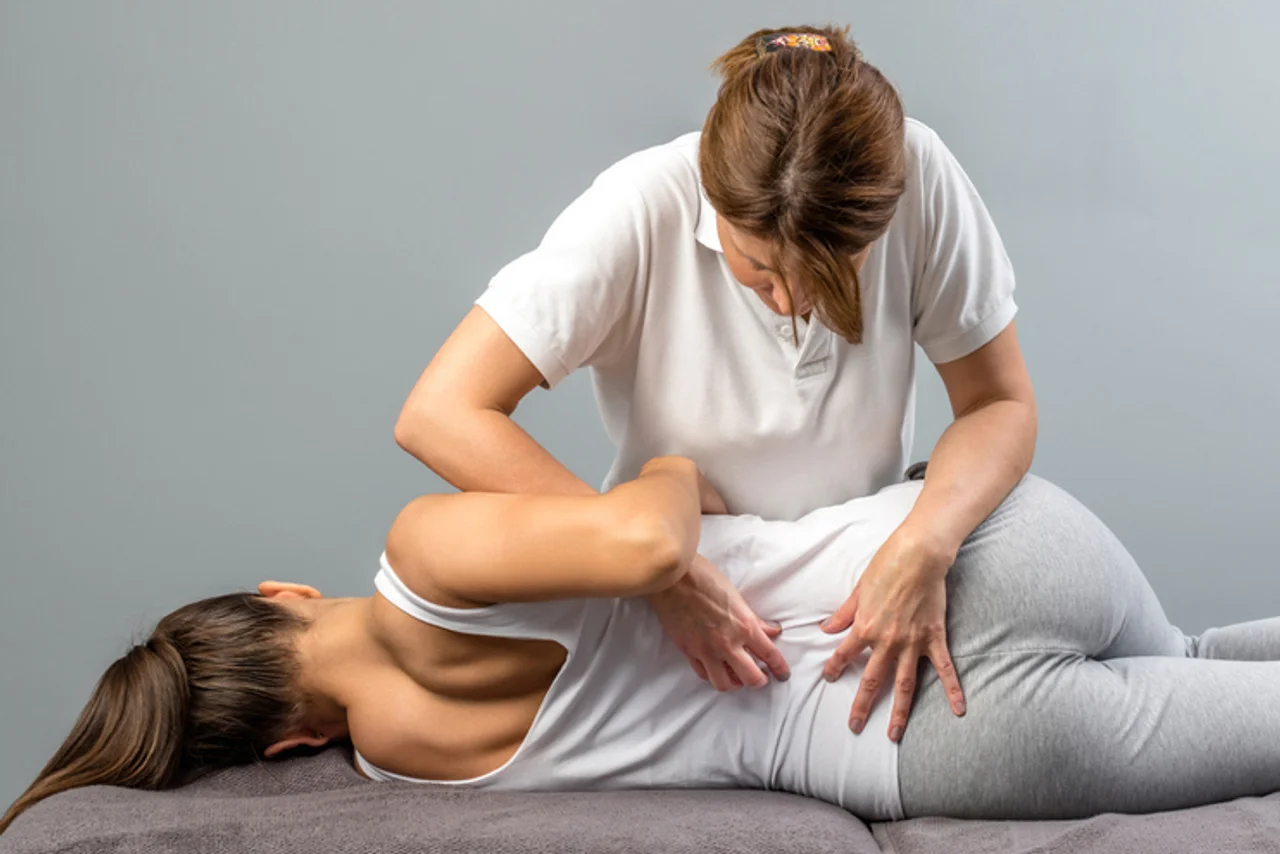
Chuna therapy offers rhythmic, gentle mobilization to restore joint glide and balance soft tissues—without aggressive thrusts. For back‑to‑hip pain we focus on:
SIJ and lumbar facet mobility
Rib‑cage rotation and first‑rib release to free the diaphragm
Hip capsule decompression and gluteal tendon unloading
Acupuncture
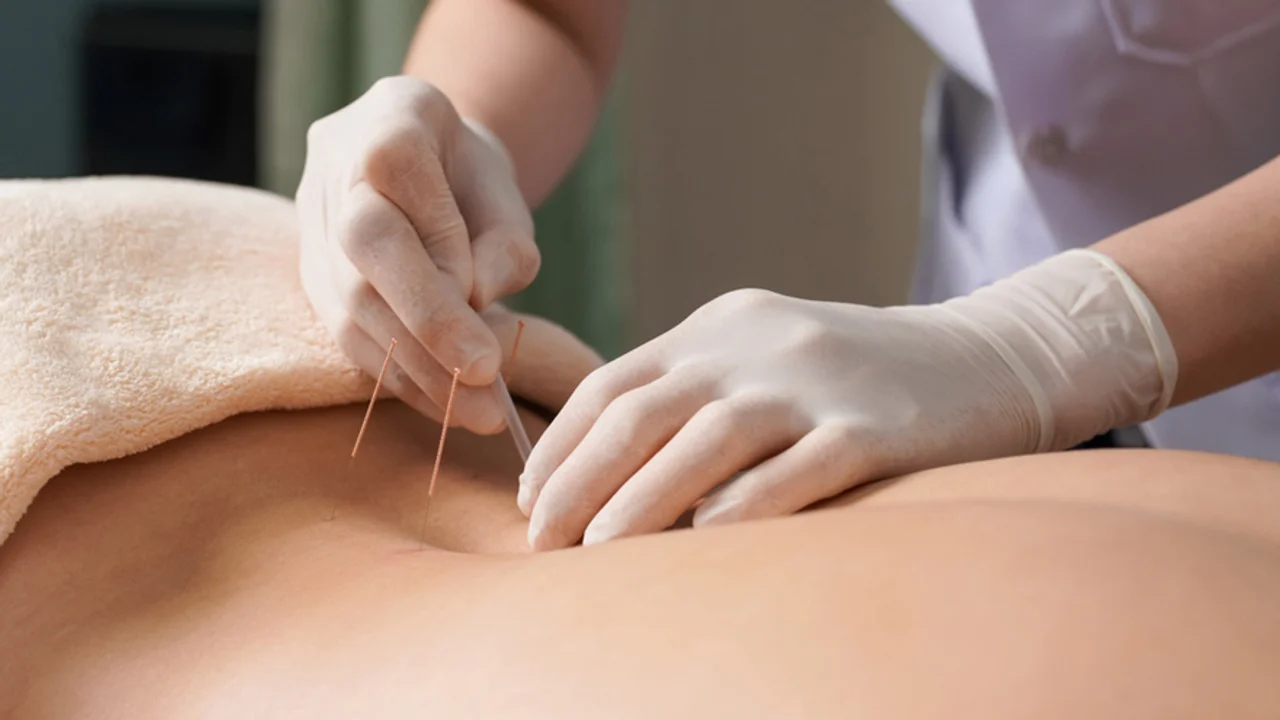
Targeted acupuncture calms neural sensitivity, reduces inflammation, and relaxes protective spasm. Many patients report better sleep and steadier energy, which accelerates healing.
Herbal Medicine
We prescribe conservative, individualized formulas that support circulation, tissue repair, and stress regulation. For sensitive stomachs or complex histories, we keep blends simple and well‑tolerated.
TMJ‑Aware Care
If clenching or TMJ syndrome/TMJ disorder is present, we treat jaw mechanics and upper‑neck tension. As jaw tone normalizes, neck pain and backache often ease—surprisingly quickly.
Movement Retraining (Make Gains Stick)
We teach brief “micro‑practices” that fit into busy days. These rewires your default posture so the relief you feel in clinic becomes your new normal.
Your At‑Home Micro‑Practices (5–8 Minutes Total)
Safety first: If you have new leg weakness, worsening numbness, severe unrelenting pain, or bladder/bowel changes, seek medical evaluation immediately.
Decompression Lean (60–90 sec)
Forearms on a counter, hips slightly back, breathe slow. Let the low back lengthen; feel tension melt from the buttock/hip.Pelvic Level Set (6–8 breaths)
Supine with knees bent, inhale into side/back ribs; slow exhale as the tailbone gently drops and the lower belly turns on.Side‑Lying Glute‑Med Starter (8–10 reps/side)
Small clamshell—move only a few centimeters without rolling the pelvis. Quality over intensity.Adductor Hug (6–8 reps)
Pillow between knees; exhale and gently squeeze to stabilize the pubic symphysis and SIJ.Hip Hinge Rehearsal (8 reps)
With a dowel or broom along the spine (head‑back‑sacrum contact), practice small hinges. This becomes your new template for lifting.First‑Rib Breath (4–6 cycles)
A strap across the upper chest; exhale gently as you encourage the first rib to drop and the neck to soften.
Repeat twice daily for two weeks, then taper to maintenance as symptoms ease.
Everyday Ergonomics That Protect Your Back and Hips
Sit smart: Hips slightly higher than knees; feet grounded; change positions every 20–30 minutes.
Stand balanced: Avoid locking one hip while cooking or waiting; keep weight shared.
Lift like a hinge: Hips back, ribs quiet, exhale on effort. Keep loads close—strollers, groceries, and laundry.
Phone posture: Bring the screen up, rest elbows; this reduces neck stiffness, neck ache, and downstream lumbar load.
Sleep support: Side‑sleep with a pillow between knees or supine with a small bolster under knees.
Real‑World Cases From Our Clinic
Case 1 — “Hip bursitis” that wasn’t
A 42‑year‑old runner had outer hip pain and lower back pain. Imaging was normal. Assessment showed SIJ shear with gluteal overload. After four SART + Chuna sessions and micro‑practices, she returned to 5K runs, pain‑free.
More Medical Articles
Continue reading clinical insights from Banpo Newborn Korean Medicine Clinic.

Why Seoul is the Global Hub for Minimally Invasive Vertigo Treatment
Dizziness and vertigo are among the most common reasons for hospital visits in South Korea, affecting nearly 16.7% of the adult population annually according to the Korea National Health and Nutrition Examination Survey (KNHANES).
Learn More

Tinnitus Relief in Seoul: Multidisciplinary Upper Cervical Care
For many, the sound of silence is replaced by a persistent ringing, buzzing, or hissing. In South Korea, this is more than an individual annoyance; it is a significant public health trend.
Learn More

Success Rates of SART for OPLL Compared to Standard Laminectomy in Korea
The prevalence of Ossification of the Posterior Longitudinal Ligament (OPLL) in East Asian populations, particularly in South Korea, is significantly higher than in Western countries, affecting approximately 2% to 4% of the population according to nationwide...
Learn More