SART Whole-Body Spinal Alignment, Chuna Therapy & International Patient Concierge
30+ Years Clinical Experience
en-US

Korean Medicine Guide
Can Acupuncture Really Fix Your Frozen Shoulder? Here’s the Science
Can acupuncture treat frozen shoulder? Explore scientific evidence, pain relief mechanisms, and how acupuncture supports shoulder mobility recovery.
Schedule a ConsultationCan Acupuncture Really Fix Your Frozen Shoulder? Here’s the Science
Insights from Banpo Newborn Korean Medicine Clinic, Seoul
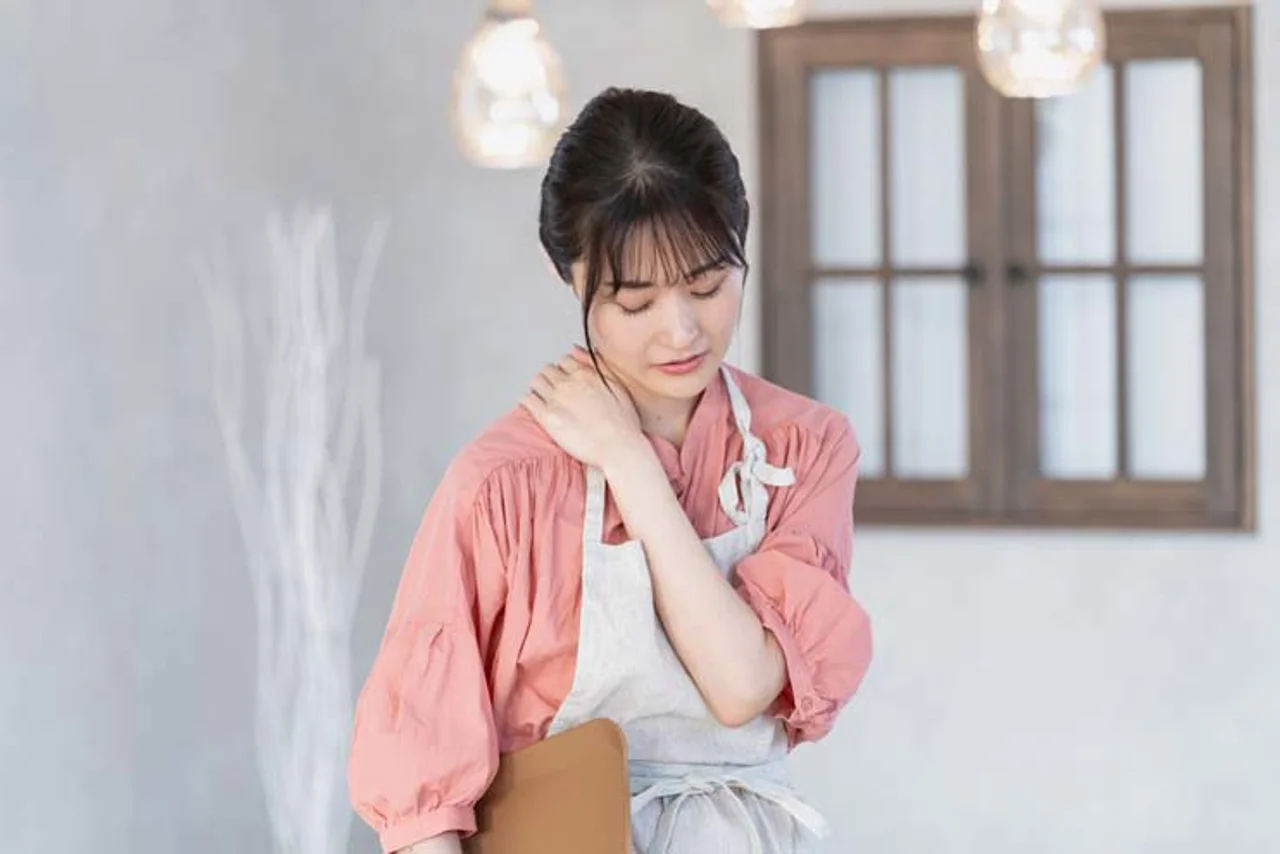
If you’ve ever tried to raise your arm only to feel a deep, stubborn pain stop you halfway, you may already know how frustrating frozen shoulder can be. Simple daily tasks—putting on a coat, reaching for a shelf, even sleeping comfortably—suddenly become exhausting challenges. Many patients who visit our clinic say the same thing: “I was told I just have to wait it out.”
But is that really the only option? And more importantly, can acupuncture actually help fix frozen shoulder?
As a Korean medicine clinic with over 30 years of experience treating musculoskeletal conditions, including chronic shoulder disorders, we at Banpo Newborn Korean Medicine Clinic believe the answer deserves a thoughtful, science-based explanation. To be honest, frozen shoulder is often misunderstood—not only by patients, but sometimes even within conventional care. Let’s take a closer look at what frozen shoulder really is, why it happens, and what modern research says about acupuncture as a treatment.
What Exactly Is Frozen Shoulder?
Frozen shoulder, medically known as adhesive capsulitis, is a condition characterized by pain, stiffness, and restricted movement of the shoulder joint. Unlike a simple muscle strain, frozen shoulder involves the joint capsule itself—the connective tissue that surrounds and stabilizes the shoulder.
Clinically, frozen shoulder progresses through three stages:
Freezing stage – Gradual onset of pain, especially at night, with increasing stiffness
Frozen stage – Pain may lessen, but range of motion becomes severely limited
Thawing stage – Slow, gradual return of movement
This process can last anywhere from 1 to 3 years, and sometimes even longer. While some patients do recover eventually, many are left with lingering stiffness or weakness if the condition is not properly addressed.
In Korean clinical practice, we often compare frozen shoulder to a door hinge that hasn’t been used in years. Without proper movement and lubrication, rust builds up. For the shoulder, that “rust” is inflammation, fibrosis, and neurological guarding.
Why Frozen Shoulder Is More Than Just a Shoulder Problem
One of the biggest misconceptions about frozen shoulder is that it’s purely a local joint issue. In reality, it often reflects systemic and biomechanical imbalances.
At Banpo Newborn, we frequently see frozen shoulder in patients with:
Poor spinal alignment, especially in the cervical and thoracic spine
Long-term postural stress (desk work, smartphone use)
Diabetes or metabolic imbalance
Chronic stress and sleep disturbance
Previous injuries that altered movement patterns
From a Korean medicine perspective, frozen shoulder is not just “stuck tissue.” It involves impaired circulation of qi and blood, muscular guarding, and disrupted nerve signaling. Modern science increasingly supports this integrated view.
Conventional Treatments: Helpful but Often Incomplete
Standard medical approaches usually include:
Anti-inflammatory medications
Corticosteroid injections
Physical therapy
In severe cases, surgery or manipulation under anesthesia
While these treatments can reduce pain, they don’t always address why the shoulder became frozen in the first place. Steroid injections may reduce inflammation temporarily, but they don’t restore healthy neuromuscular control. Physical therapy is essential, but many patients struggle with pain that limits their ability to participate fully.
This is where acupuncture often enters the conversation—not as a replacement, but as a complementary and sometimes transformative approach.
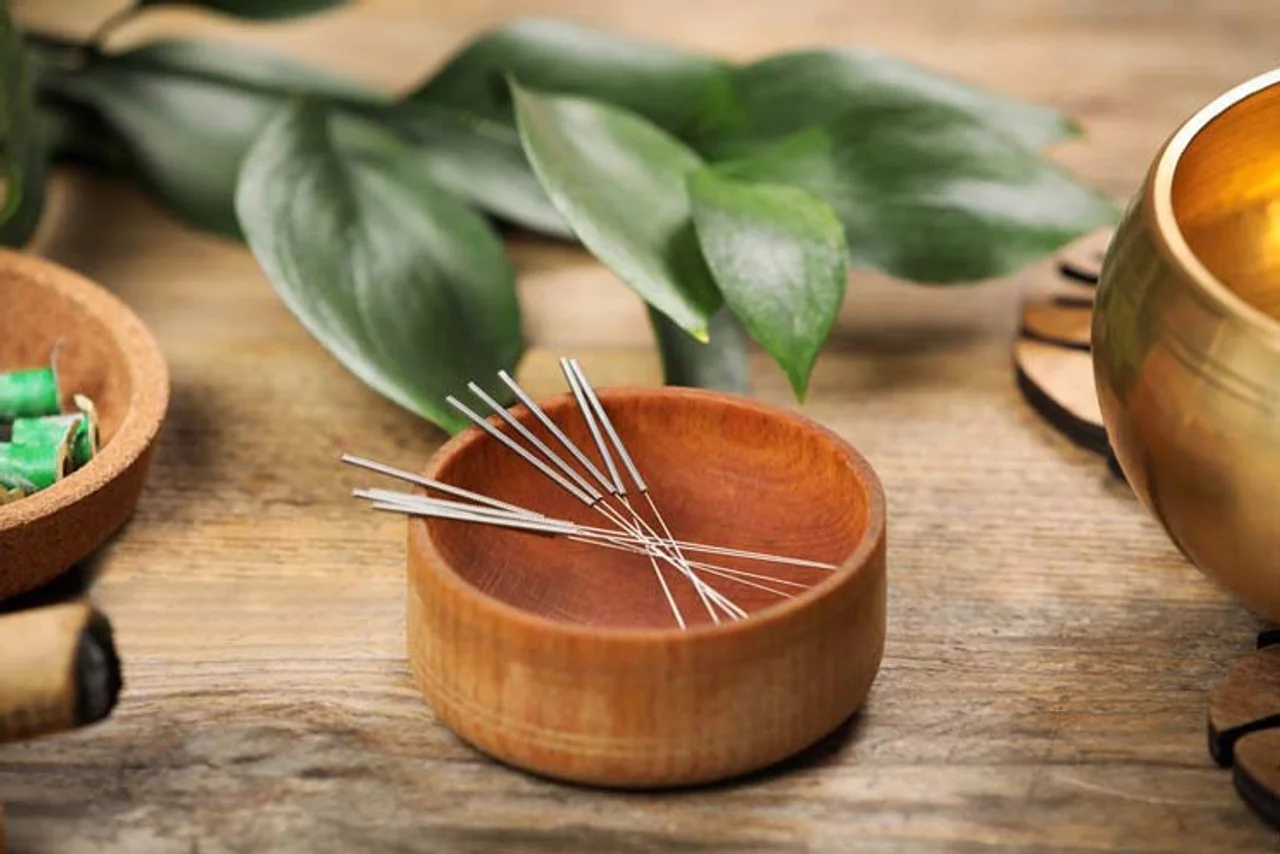
How Acupuncture Works: Beyond the Myths
Acupuncture is often misunderstood as purely traditional or symbolic. In reality, its mechanisms are increasingly well-documented in modern research.
From a biomedical perspective, acupuncture influences frozen shoulder through several pathways:
1. Pain Modulation
Acupuncture stimulates peripheral nerves, triggering the release of endogenous opioids such as endorphins and enkephalins. This reduces pain perception and allows patients to move more freely.
2. Anti-Inflammatory Effects
Studies show that acupuncture can regulate inflammatory cytokines and improve local microcirculation. For frozen shoulder, this means less capsular inflammation and reduced tissue stiffness.
3. Neuromuscular Re-education
Chronic shoulder pain often leads to protective muscle guarding. Acupuncture helps “reset” abnormal muscle firing patterns, improving coordination between the shoulder, neck, and upper back.
4. Improved Blood Flow
In Korean medicine terms, acupuncture restores the flow of qi and blood. In scientific terms, it enhances local vasodilation and tissue oxygenation—critical for healing fibrotic tissue.
What the Science Says About Acupuncture for Frozen Shoulder
Over the past two decades, multiple clinical studies have examined acupuncture’s role in treating adhesive capsulitis.
Research published in peer-reviewed journals has shown that acupuncture can:
Significantly reduce shoulder pain
Improve range of motion (flexion, abduction, rotation)
Enhance functional outcomes when combined with exercise therapy
Provide longer-lasting relief compared to medication alone
Importantly, many studies emphasize that individualized acupuncture protocols—rather than standardized point prescriptions—produce the best outcomes. This aligns closely with Korean medicine’s emphasis on personalized treatment.
In our clinical experience, patients who combine acupuncture with targeted manual therapy and guided movement tend to recover faster and more completely than those relying on passive treatments alone.
Why Korean Medicine Takes a Different Approach
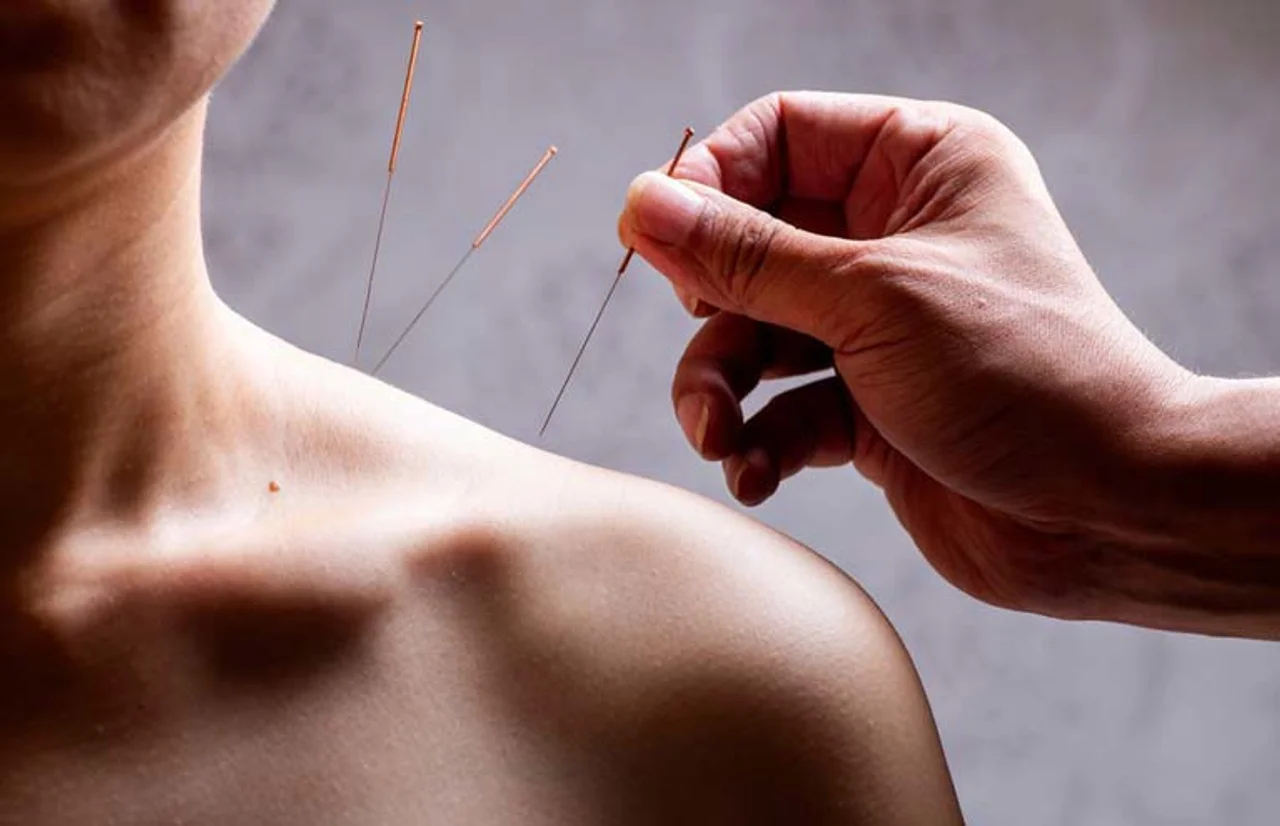
At Banpo Newborn Korean Medicine Clinic, acupuncture is never used in isolation. Under the guidance of Dr. Ungjin Im, our approach integrates:
Precise acupuncture based on shoulder mechanics and nerve pathways
Chuna manual therapy to restore joint and spinal alignment
Spinal Alignment Restoration Therapy (SART) to address root biomechanical causes
Movement education to prevent recurrence
Dr. Im often explains it this way: “If the foundation of a house is tilted, fixing a single door won’t solve the problem.” Frozen shoulder frequently reflects deeper imbalances in posture and spinal alignment, especially in the neck and upper back.
By addressing these factors together, acupuncture becomes not just pain relief—but a catalyst for true recovery.
Realistic Expectations: Can Acupuncture “Fix” Frozen Shoulder?
This is an important question. Acupuncture is not a magic switch, and any clinic that promises instant results should raise concern.
However, when applied correctly, acupuncture can:
Shorten the duration of frozen shoulder
Reduce pain enough to allow effective rehabilitation
Prevent progression to severe stiffness
Improve long-term shoulder function
Many of our patients report noticeable pain reduction within a few sessions, followed by gradual improvements in mobility over weeks to months. The key is timing and consistency. Early intervention often leads to better outcomes.
A Patient Story from Our Clinic
One patient, a 52-year-old office worker, came to us after eight months of worsening shoulder pain. She had already tried medication and physical therapy but was told recovery could take “another year or two.”
After a comprehensive evaluation, we identified not only shoulder capsular restriction, but also significant cervical spine misalignment and rib cage stiffness. Her treatment plan included acupuncture, Chuna therapy, and gentle movement retraining.
Within six weeks, her night pain improved dramatically. By three months, she regained functional range of motion and returned to daily activities without fear. More importantly, she understood how to maintain her progress.
Stories like this are not rare—but they require a thoughtful, whole-body approach.
Is Acupuncture Safe for Frozen Shoulder?
When performed by a licensed and experienced practitioner, acupuncture is considered very safe, with minimal side effects. At Banpo Newborn, treatments are always one-on-one, ensuring precision and patient comfort.
For individuals who cannot tolerate strong medications or injections, acupuncture offers a low-risk alternative that supports the body’s natural healing processes.
Who Is a Good Candidate?
Acupuncture may be especially helpful if you:
Have persistent shoulder pain despite conventional care
Experience severe night pain or sleep disruption
Feel “stuck” in physical therapy due to pain
Prefer non-surgical, holistic treatment options
Even patients in later stages of frozen shoulder can benefit, though earlier treatment tends to produce faster results.
The Bigger Picture: Healing Beyond the Shoulder
One of the most meaningful aspects of treating frozen shoulder through Korean medicine is the shift in perspective. Pain is not seen as an isolated enemy, but as a signal—an invitation to restore balance.
If you’ve been living with shoulder pain for months or years, it’s easy to feel discouraged. But healing is often possible when the right approach is applied at the right time.
Final Thoughts
So, can acupuncture really fix your frozen shoulder?
Science suggests that it can play a powerful role—especially when combined with proper diagnosis, manual therapy, and movement-based rehabilitation. At Banpo Newborn Korean Medicine Clinic, we’ve seen firsthand how acupuncture helps patients move past pain, regain confidence, and return to their lives.
More Medical Articles
Continue reading clinical insights from Banpo Newborn Korean Medicine Clinic.

Why Seoul is the Global Hub for Minimally Invasive Vertigo Treatment
Dizziness and vertigo are among the most common reasons for hospital visits in South Korea, affecting nearly 16.7% of the adult population annually according to the Korea National Health and Nutrition Examination Survey (KNHANES).
Learn More

Tinnitus Relief in Seoul: Multidisciplinary Upper Cervical Care
For many, the sound of silence is replaced by a persistent ringing, buzzing, or hissing. In South Korea, this is more than an individual annoyance; it is a significant public health trend.
Learn More

Success Rates of SART for OPLL Compared to Standard Laminectomy in Korea
The prevalence of Ossification of the Posterior Longitudinal Ligament (OPLL) in East Asian populations, particularly in South Korea, is significantly higher than in Western countries, affecting approximately 2% to 4% of the population according to nationwide...
Learn More