SART Whole-Body Spinal Alignment, Chuna Therapy & International Patient Concierge
30+ Years Clinical Experience
en-US

Korean Medicine Guide
Can Korean Medicine Fix a Slipped Disc Without Surgery?
Discover how Korean medicine treats slipped discs without surgery using acupuncture, herbal therapy, and spinal correction.
Schedule a ConsultationCan Korean Medicine Fix a Slipped Disc Without Surgery?
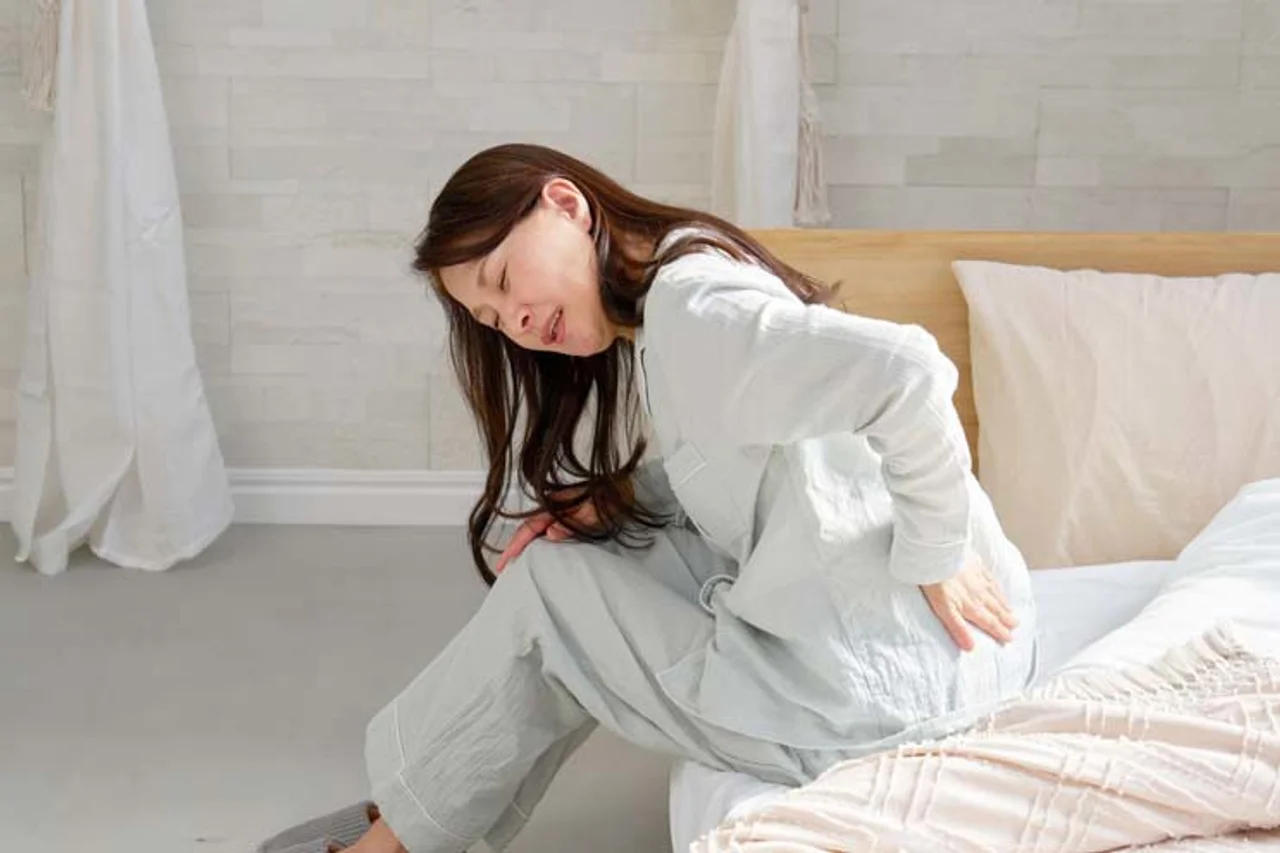
Have you ever been told that surgery is the only solution for your slipped disc?
For many patients who walk into Banpo Newborn Korean Medicine Clinic, that sentence is what brought them in—frustrated, anxious, and often scared. Some have lived with back pain for years. Others are newly diagnosed, overwhelmed by MRI results filled with unfamiliar medical terms like herniation, protrusion, or disc degeneration.
To be honest, most people don’t realize how often a slipped disc can improve—sometimes dramatically—without surgery when the spine is approached correctly.
So the real question isn’t “Can Korean medicine fix a slipped disc?”
It’s “Why is surgery so often suggested before non-invasive options are fully explored?”
Let’s talk about that.
What Exactly Is a Slipped Disc?
First, a small but important clarification.
A “slipped disc” isn’t actually slipping out of place. What’s happening is that one of the intervertebral discs—the shock-absorbing cushions between your spinal bones—has:
Bulged outward
Torn slightly
Or leaked its inner gel-like material
When this occurs, the disc can irritate or compress nearby nerves, leading to symptoms such as:
Lower back pain or neck pain
Radiating pain into the arms or legs (sciatica)
Numbness or tingling
Muscle weakness
Difficulty sitting, standing, or sleeping
From a Korean medicine perspective, a disc problem is never viewed as an isolated injury. It’s a structural imbalance that develops over time.
Why Surgery Is Often Recommended—And Why It’s Not Always Necessary

In conventional medicine, treatment decisions are often based on imaging findings. If an MRI shows a large herniation, surgery can seem like the logical next step.
But here’s what we see clinically:
Many people with large disc herniations have minimal pain
Others with smaller bulges experience severe symptoms
Disc damage is often a result, not the root cause
The spine is like the foundation of a house. If the foundation tilts, cracks appear in the walls. Fixing the crack without correcting the foundation won’t solve the problem.
Surgery may remove part of the damaged disc—but it does not correct spinal alignment, posture, or movement patterns that caused the disc to fail in the first place.
This is where Korean medicine takes a fundamentally different approach.
How Korean Medicine Understands Disc Problems
In traditional Korean medicine, pain is rarely viewed as just “tissue damage.” Instead, it’s understood through a combination of:
Structural imbalance
Circulatory stagnation
Neurological tension
Compensatory muscle patterns
At Banpo Newborn Korean Medicine Clinic, we often see slipped discs develop due to:
Long-term poor posture (especially prolonged sitting)
Pelvic imbalance
Uneven spinal loading
Old injuries that were never fully corrected
Jaw (TMJ) imbalance affecting spinal alignment
Dr. Ungjin Im, who has spent over 30 years treating spinal disorders, often explains it this way:
“The disc fails where the spine is weakest. Our job is not to chase the pain, but to restore balance to the entire structure.”
Can Korean Medicine Really Help a Slipped Disc Heal?
Yes—in many cases, and especially when the condition is approached early or thoughtfully.
The human body has a remarkable ability to heal disc tissue when:
Pressure on the disc is reduced
Spinal alignment is restored
Circulation improves
Nerve irritation decreases
Korean medicine focuses on creating the conditions for healing, rather than forcing change through surgery.
Let’s look at how this works in practice.
Non-Surgical Korean Medicine Treatments for Slipped Disc
1. Spinal Alignment Restoration Therapy (SART)
One of the core treatments at Banpo Newborn is Spinal Alignment Restoration Therapy (SART)—a precise, non-invasive method developed through decades of clinical experience.
Unlike aggressive manipulation, SART focuses on:
Gentle, accurate correction of spinal misalignment
Restoring spatial balance between vertebrae
Reducing abnormal disc pressure
Many patients are surprised to learn that their disc pain improves not because the disc is “pushed back,” but because the spine stops stressing it.
Over time, this allows inflammation to settle and nerve compression to decrease naturally.
2. Chuna Manual Therapy
Chuna therapy is a form of Korean manual medicine that blends traditional techniques with modern biomechanical understanding.
For slipped disc patients, Chuna therapy can:
Release deep muscle tension around the spine
Improve joint mobility without force
Reduce protective muscle spasms
Help the body relearn proper movement patterns
Importantly, Chuna is always customized. At Banpo Newborn, treatments are done one-on-one, ensuring safety and precision—especially critical for disc conditions.
3. Acupuncture for Nerve and Pain Regulation
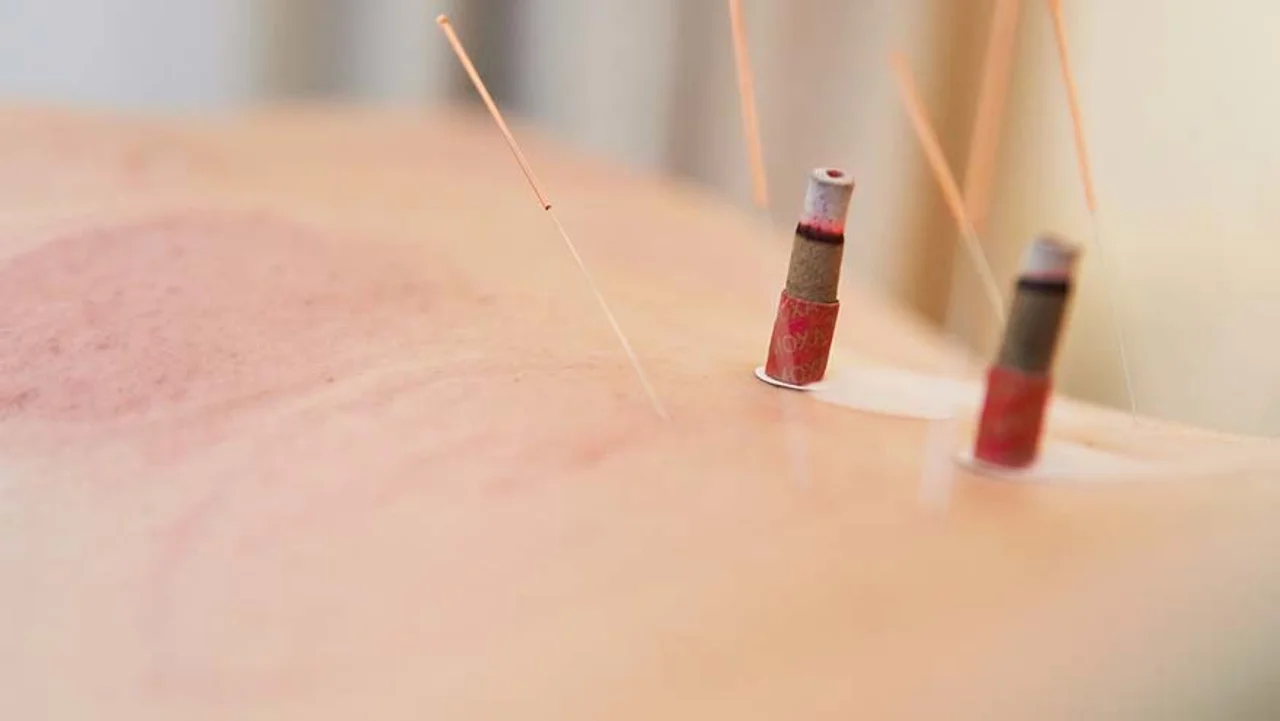
Acupuncture plays a supportive but powerful role.
By stimulating specific points, acupuncture helps:
Calm irritated nerves
Improve blood flow around damaged discs
Reduce inflammation
Modulate pain signals in the central nervous system
Many patients report that acupuncture not only reduces pain, but also improves sleep, digestion, and stress levels—factors that directly influence healing.
4. Herbal Medicine for Disc Recovery
In Korean medicine, herbal prescriptions are often used to:
Support tissue regeneration
Reduce chronic inflammation
Improve circulation to spinal structures
Strengthen the body’s recovery capacity
These formulas are never generic. They are carefully adjusted based on:
Age
Body constitution
Severity and duration of disc damage
Overall health status
What Makes Korean Medicine Different From Physical Therapy Alone?
This is a common question.
Physical therapy focuses primarily on muscle strength and flexibility. While helpful, it may fall short if the spinal structure itself remains misaligned.
Korean medicine integrates:
Structural correction
Neurological regulation
Circulatory improvement
Whole-body balance
Think of it like this:
Exercise strengthens the muscles holding a crooked door.
Spinal correction straightens the doorframe.
Both matter—but alignment comes first.
Realistic Expectations: When Korean Medicine Works Best
It’s important to be honest.
Korean medicine is not a miracle cure, and surgery is sometimes necessary—especially in cases involving:
Severe loss of bladder or bowel control
Progressive neurological deficits
Spinal instability or fractures
However, in a large percentage of disc cases, especially:
Bulging discs
Mild to moderate herniations
Chronic disc pain without emergency symptoms
Non-surgical Korean medicine can significantly reduce pain, restore function, and help patients return to normal life—without the risks of surgery.
Why Disc Pain Often Comes Back After Surgery
One reason many patients seek us out after surgery is recurrence.
This happens because:
Surgery addresses the damaged disc, not spinal imbalance
Adjacent discs take on more stress
Postural habits remain unchanged
At Banpo Newborn, post-surgical patients often improve once alignment and movement patterns are finally addressed.
A Patient-Centered Approach to Disc Healing
What truly sets Korean medicine apart is its philosophy of care.
At our clinic, treatment isn’t rushed. Each patient undergoes:
Comprehensive posture and spinal evaluation
Functional movement assessment
Personalized treatment planning
We often tell patients:
“Your disc didn’t deteriorate overnight. Healing takes time—but it is possible.”
So, Can Korean Medicine Fix a Slipped Disc Without Surgery?
For many people, yes.
Not by forcing the disc back into place, but by:
Correcting spinal alignment
Reducing abnormal pressure
Supporting the body’s natural healing mechanisms
If you’ve been told surgery is your only option, it may be worth asking a different question:
“Has my spine truly been evaluated as a whole?”
Considering Non-Surgical Treatment in Korea?
If you’re exploring non-invasive solutions for disc pain, Banpo Newborn Korean Medicine Clinic offers comprehensive evaluation and personalized care rooted in over 30 years of clinical experience.
Led by Dr. Ungjin Im, our clinic focuses on helping patients avoid unnecessary surgery while restoring balance, function, and quality of life.
Healing is not about doing more—it’s about doing what’s right for your body.
And sometimes, the most powerful treatment is giving your spine the chance to realign and heal naturally.
More Medical Articles
Continue reading clinical insights from Banpo Newborn Korean Medicine Clinic.

Why Seoul is the Global Hub for Minimally Invasive Vertigo Treatment
Dizziness and vertigo are among the most common reasons for hospital visits in South Korea, affecting nearly 16.7% of the adult population annually according to the Korea National Health and Nutrition Examination Survey (KNHANES).
Learn More

Tinnitus Relief in Seoul: Multidisciplinary Upper Cervical Care
For many, the sound of silence is replaced by a persistent ringing, buzzing, or hissing. In South Korea, this is more than an individual annoyance; it is a significant public health trend.
Learn More

Success Rates of SART for OPLL Compared to Standard Laminectomy in Korea
The prevalence of Ossification of the Posterior Longitudinal Ligament (OPLL) in East Asian populations, particularly in South Korea, is significantly higher than in Western countries, affecting approximately 2% to 4% of the population according to nationwide...
Learn More