SART Whole-Body Spinal Alignment, Chuna Therapy & International Patient Concierge
30+ Years Clinical Experience
en-US


Korean Medicine Guide
Can Scoliosis Start in Infancy? What Parents Should Watch For
Discover if scoliosis begins in infancy and the key warning signs parents should monitor to protect their child’s early spine development.
Schedule a ConsultationCan Scoliosis Start in Infancy? What Parents Should Watch For

If you’re a parent, you’ve probably spent more time than you ever expected watching your baby sleep, stretch, wiggle, and grow. Every small movement feels important—because it is. And among the concerns many parents quietly carry is one simple question: Can scoliosis begin this early? Could something be happening in my baby’s spine that I can’t yet see?
To be honest, many people don’t realize that scoliosis can, in fact, appear in infancy. It may be subtle at first—so subtle that it hides beneath baby fat, curled sleeping positions, or early motor development patterns. But early scoliosis, when identified and managed promptly, can be guided toward healthier alignment and function before it becomes a long-term issue.
At Banpo Newborn Korean Medicine Clinic, where we have served families for over 30 years, we have seen how early detection transforms a child’s musculoskeletal future. In infants, the spine is incredibly adaptable—much like a young tree whose trunk can be gently guided before it hardens. This means the opportunity for meaningful correction is highest in these early months.
This article will help you understand what infant scoliosis is, the signs parents should watch for, why it happens, and how holistic Korean-medicine–based care supports healthy spinal development.
What Is Infant Scoliosis?
Scoliosis is a condition in which the spine curves sideways, forming a “C” or “S” shape. When scoliosis appears before 3 years of age, it is called infantile scoliosis.
Most people associate scoliosis with teenagers, but the truth is that spinal curvature can begin far earlier—sometimes even before a child’s first steps.
What makes infant cases different is the speed at which the spine grows. Babies undergo rapid skeletal development, and small misalignments can either self-correct or worsen depending on various factors, such as posture habits, muscular imbalances, or structural asymmetry they were born with.
Can Scoliosis Really Start in Infancy?
Yes, scoliosis can absolutely start in infancy. While relatively rare compared to adolescent scoliosis, it is medically recognized and well-documented. In practice, we often discover that early signs were present long before parents suspected anything. These signs tend to blend into normal baby behavior, which is why professional evaluation is so important.
At our clinic, Dr. Ungjin Im often reminds parents:
“An infant’s spine may be small, but its developmental influence is enormous. Early alignment supports healthy growth of not just the bones, but the nervous system, muscles, and even future posture.”
Why Early Detection Matters So Much
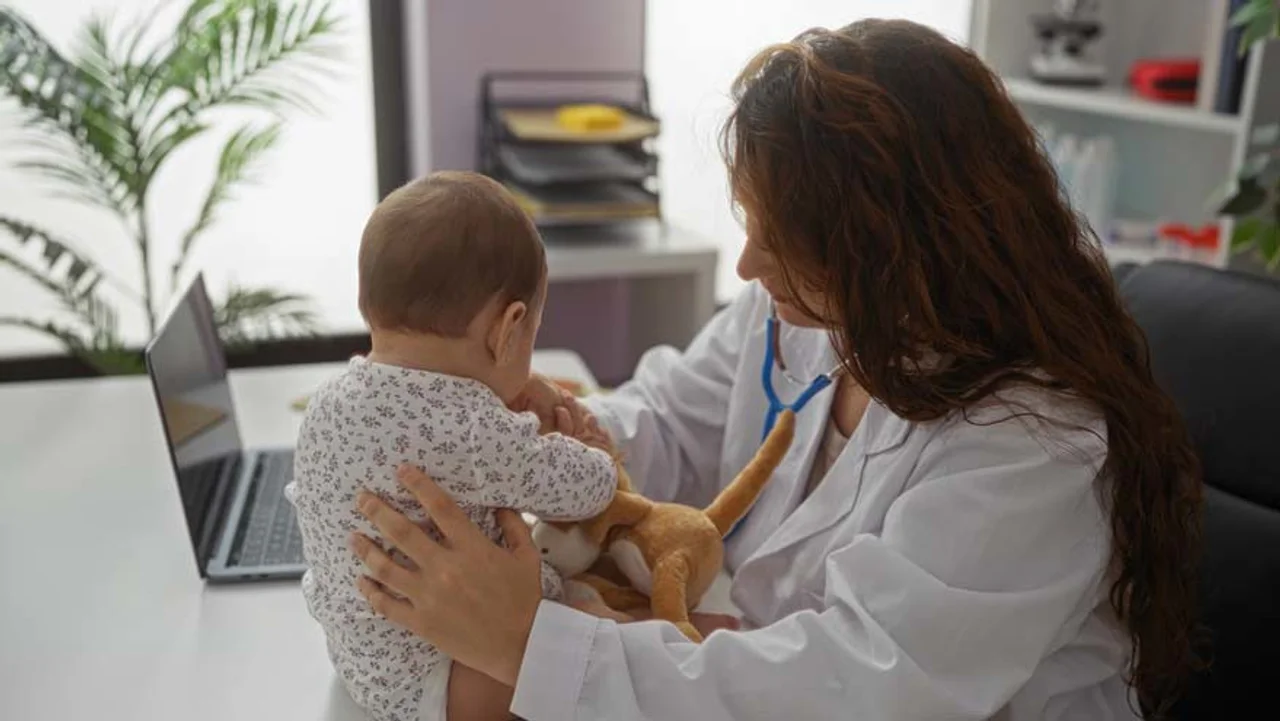
The infant spine is remarkably moldable. Think of it as the foundation of a house while the concrete is still wet—small irregularities can be shaped gently and precisely before they harden. Identifying issues early opens the door for non-invasive, gentle correction methods such as:
Spinal Alignment Restoration Therapy (SART)
Spatial spinal correction
Pediatric Chuna therapy
Growth-stage posture guidance
These methods help guide the spine into a healthier developmental pattern without causing distress or discomfort to the child. When a curvature is caught later, after years of compensatory movement patterns, correcting it becomes significantly more complex.
Common Early Signs of Scoliosis in Babies
Parents often ask what they should look for. While only a professional can confirm scoliosis, the following signs may indicate that your baby’s spine or musculoskeletal system is developing asymmetrically.
1. A Noticeable Lean to One Side
Some babies consistently lean or curve their bodies in one direction when lying down. Occasional leaning is normal, but persistent, one-sided curvature should be evaluated.
2. Uneven Shoulder or Hip Height
Even in infants who cannot yet walk, you may notice that:
One shoulder appears higher when held upright
One hip seems more prominent
Clothing fits unevenly on either side
These can indicate underlying spinal tilt.
3. Preference for Turning the Head One Way
This often accompanies torticollis, a muscular imbalance in the neck. Torticollis can contribute to or result from early spinal curvature.
Many parents we meet say, “I just thought my baby liked sleeping on the right side.” Over time, this can subtly influence spinal development.
4. Asymmetrical Skin Folds
Uneven creases in the thighs or buttocks—especially when the baby is lying flat—may signal pelvic or spinal imbalance.
5. Limited Range of Motion
If your baby resists turning the body to a certain side or seems stiffer in one direction, the cause may be more than muscle preference.
6. Ribcage Asymmetry
In more advanced infantile scoliosis, one side of the rib cage may appear slightly more prominent.
7. Delayed or Asymmetrical Motor Development
Scooting using only one leg, crawling with a consistent twist, or sitting with a persistent lean may all reflect deeper structural imbalances.
To parents: none of these signs automatically mean your baby has scoliosis. Babies are naturally asymmetrical in many ways. What matters most is whether patterns persist.
What Causes Scoliosis in Infants?
Infant scoliosis can arise from several sources. In practice, we find it is often multifactorial.
1. Congenital Vertebral Anomalies
Some babies are born with slightly irregular vertebrae, which can tilt the spine as it grows.
2. Muscular Imbalances
Tight neck or back muscles—often resulting from birth position or early sleeping habits—can pull the spine unevenly.
3. Intrauterine Positioning
A cramped fetal position late in pregnancy can imprint asymmetrical tension on a newborn’s musculoskeletal system.
4. Postnatal Habitual Postures
Repeated sleeping or feeding positions that restrict movement can influence early curvature.
5. Neuromuscular Conditions
Although far less common, certain developmental disorders can contribute to scoliosis.
6. Idiopathic Causes
Sometimes, the exact cause remains unclear. In Korean medicine, we also consider energetic patterns, constitutional tendencies, and the interplay between muscle tone, connective tissue tension, and spinal growth.
At Banpo Newborn, our role is not only to identify the cause but to understand how the baby’s entire body is adapting to it.
How Do We Evaluate Scoliosis in Babies?
Parents are often surprised by how gentle the assessment process is. Dr. Im’s approach blends modern diagnostic reasoning with decades of hands-on expertise.
A Holistic Evaluation Includes:
Observing posture in multiple positions
Assessing head and neck rotation
Checking pelvic balance
Palpating spinal alignment with precise, gentle touch
Evaluating patterns of muscle tone
Reviewing developmental milestones and movement habits
Discussing birth history and daily routines
In many cases, we detect imbalances long before a curvature becomes rigid or visible.
As Dr. Im often says:
“In infants, we don’t only treat what we see. We treat what the body is preparing to become.”
How Korean Medicine Approaches Infant Scoliosis
Our clinic’s philosophy is rooted in guiding the body gently, not forcing it. Babies respond exceptionally well to soft, precise interventions that help them move in healthier patterns.
1. Spinal Alignment Restoration Therapy (SART)
SART is one of our clinic’s signature techniques. It focuses on restoring the natural spatial alignment of the spine—not just side-to-side curves, but the deeper 3D relationships between vertebrae, muscles, and surrounding tissues.
For infants, SART uses light contact and micro-adjustments to relax tension patterns and support proper growth direction.
2. Pediatric Chuna Therapy
Chuna is a traditional Korean manual therapy involving soft mobilization and alignment. In infants, it is:
extremely gentle
non-invasive
customized to each child’s constitution and needs
It helps rebalance muscles, improve mobility, and ease structural asymmetries that contribute to curvature.
3. Spatial Spinal Correction
Unlike conventional approaches that focus only on the curve, spatial correction examines the baby’s entire movement system. A spine cannot grow straight if the surrounding landscape—the pelvis, ribcage, and neck—is tilted.
This approach helps the body reorganize itself harmoniously.
4. Posture and Movement Guidance for Parents
We teach parents how to:
alternate holding positions
encourage balanced tummy time
support symmetrical crawling
avoid patterns that reinforce one-sided tension
Small daily habits compound into meaningful structural change.
Can Infant Scoliosis Improve Naturally?
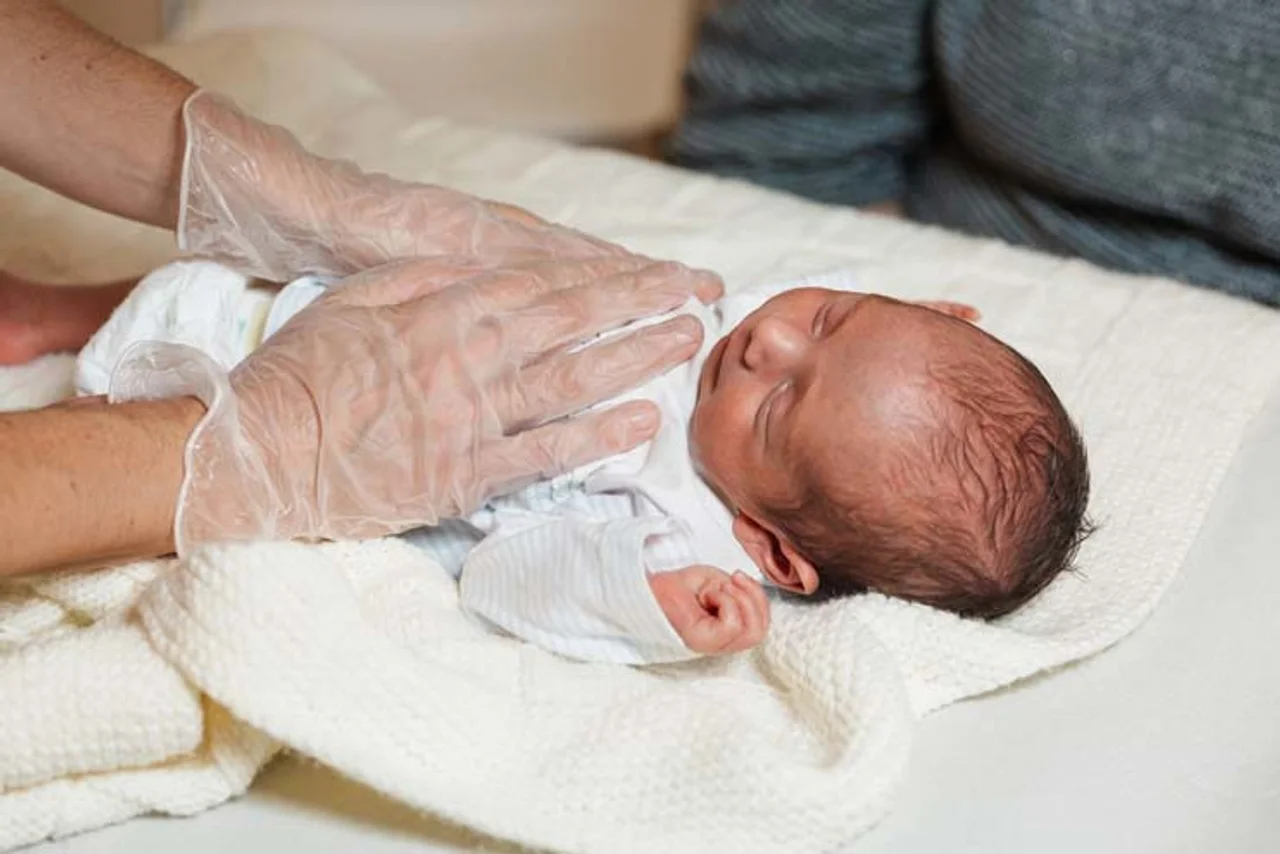
Yes—many mild cases improve with growth, especially when guided by early therapeutic care.
But the key word is guided.
Left alone, some curvatures worsen, especially during periods of rapid growth. What matters is understanding which patterns are likely to self-correct and which need intervention.
At Banpo Newborn, we monitor these patterns closely and make gentle adjustments that help the child’s natural healing ability work more effectively.
What Parents Can Do at Home
Here are practical, safe steps parents can take to support healthy spinal development:
1. Alternate Carrying Sides
Avoid placing all weight on one hip or arm.
2. Rotate Feeding Positions
Both breastfeeding and bottle-feeding can become asymmetrical if always done from one side.
3. Encourage Tummy Time
This strengthens the back, neck, and core muscles.
4. Avoid Prolonged Baby Gear Use
Swings, bouncers, and car seats restrict spontaneous movement.
5. Observe Movement Patterns
More Medical Articles
Continue reading clinical insights from Banpo Newborn Korean Medicine Clinic.

Why Seoul is the Global Hub for Minimally Invasive Vertigo Treatment
Dizziness and vertigo are among the most common reasons for hospital visits in South Korea, affecting nearly 16.7% of the adult population annually according to the Korea National Health and Nutrition Examination Survey (KNHANES).
Learn More

Tinnitus Relief in Seoul: Multidisciplinary Upper Cervical Care
For many, the sound of silence is replaced by a persistent ringing, buzzing, or hissing. In South Korea, this is more than an individual annoyance; it is a significant public health trend.
Learn More

Success Rates of SART for OPLL Compared to Standard Laminectomy in Korea
The prevalence of Ossification of the Posterior Longitudinal Ligament (OPLL) in East Asian populations, particularly in South Korea, is significantly higher than in Western countries, affecting approximately 2% to 4% of the population according to nationwide...
Learn More