SART Whole-Body Spinal Alignment, Chuna Therapy & International Patient Concierge
30+ Years Clinical Experience
en-US


Korean Medicine Guide
Can You Prevent Torticollis in Infants? Here’s How
Prevent infant torticollis with simple early exercises, positioning tips, and expert-backed strategies to support healthy neck development.
Schedule a ConsultationCan You Prevent Torticollis in Infants? Here’s How

By Banpo Newborn Korean Medicine Clinic, Banpo, Seoul
If you’re a new parent, you’ve probably spent countless hours watching your baby sleep, stretch, or make tiny expressions that melt your heart. Along the way, you may have noticed your child favoring one side—turning their head in only one direction, leaning as they feed, or developing a slight flattening on the back or side of the head. Many parents brush this off as “just a habit,” but to be honest, these are often early signs of infant torticollis.
Torticollis is far more common than most people realize, especially among babies in Korea, where modern lifestyle factors—longer stroller use, extended time in car seats, and less free floor play—can unintentionally contribute to postural imbalances. As specialists in pediatric musculoskeletal care at Banpo Newborn Korean Medicine Clinic, we see this pattern daily.
The good news?
Much of infant torticollis is preventable—and even when early signs appear, gentle, non-invasive corrections can make a world of difference.
In this article, we’ll explore what torticollis is, why it develops, and practical steps parents can take to support healthy spinal and muscular development from the start.
What Exactly Is Infant Torticollis?
Infant torticollis refers to a condition where a baby’s neck muscles tighten or shorten on one side, causing the head to tilt in one direction while rotating to the opposite side. Some infants are born with it (congenital torticollis), often due to uterine positioning or birth trauma. Others develop it after birth (acquired torticollis), usually from repetitive postures, muscular imbalance, or asymmetrical spinal alignment.
At our clinic, we often explain it using a simple metaphor:
A baby’s neck is like the soft stem of a young plant. If the plant grows with continuous pressure from one side, it will naturally lean.
Similarly, repeated pressure or limited movement in one direction can gradually shape a baby’s posture.
Why Preventing Torticollis Matters
Many parents assume torticollis affects only the neck, but its impact extends far beyond head position.
Untreated or unnoticed torticollis can contribute to:
Flat head syndrome (plagiocephaly)
Breastfeeding difficulties
Delayed motor development
Asymmetrical crawling or walking
Chronic neck, shoulder, or TMJ problems later in life
Compensating spinal patterns that persist into adulthood
From our 30+ years of experience in pediatric Korean medicine, we’ve seen countless children whose early postural imbalances later manifested as scoliosis, jaw asymmetry, or chronic cervical tension. Early intervention is not just about correcting the head tilt—it’s a foundation for whole-body alignment.
That’s why prevention matters so deeply.
Can You Actually Prevent Infant Torticollis?
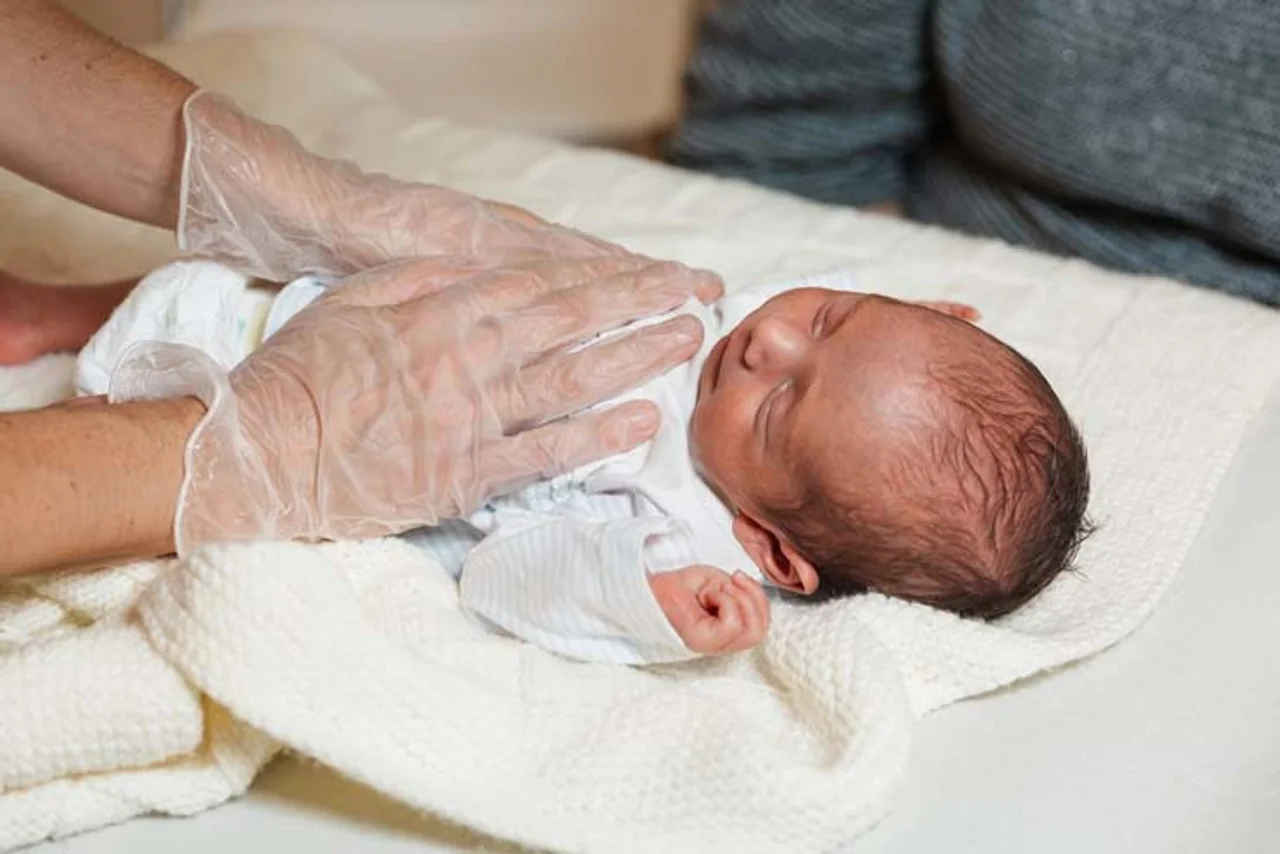
The short answer is yes—at least in many cases.
While congenital factors cannot always be avoided, acquired torticollis often develops because infants spend long periods in the same positions. By modifying daily routines and supporting balanced development, you can significantly reduce the risk.
Based on our clinical observations and the holistic principles behind Spinal Alignment Restoration Therapy (SART) and spatial spinal correction, here are the most effective, parent-friendly strategies.
Encourage Balanced Head Movement From the Start
Newborns naturally prefer one side, especially if their neck muscles are even slightly imbalanced. If left unchecked, this preference strengthens unevenly.
What Parents Can Do:
Alternate the direction your baby faces when lying in the crib.
Switch feeding sides frequently—this is particularly helpful for breastfeeding mothers who notice baby latching better on one side.
Place toys or caregivers on the baby’s non-preferred side to gently encourage movement.
In our clinic, we often observe that simple environmental changes make a significant difference. When the visual stimulus shifts, the baby instinctively follows.
Practice Daily Tummy Time—But the Right Way
Tummy time is one of the most powerful tools for preventing torticollis. It strengthens the neck, shoulders, and upper spine, enabling the baby to develop symmetrical posture.
How to Do It Effectively:
Start with just 1–2 minutes several times a day from the newborn stage.
Place your baby on your chest, on a firm mat, or across your lap.
Use gentle encouragement—eye contact, soft conversation, or a small toy.
Some parents worry because their baby dislikes tummy time at first. That’s completely normal. The key is frequency over duration.
Dr. Ungjin Im often reminds parents,
“A baby’s muscles develop through small, consistent efforts—not through force. What matters is that the child experiences gravity in a variety of positions.”
Reduce Prolonged Container Time
Modern parenting tools—swings, bouncers, car seats, strollers—are incredibly convenient. But too much time in these devices can limit natural movement and reinforce head preference.
Try to:
Give your baby ample floor playtime each day.
Use carriers that support symmetrical hip and spinal alignment.
Avoid letting baby sleep in car seats or strollers whenever possible.
From a musculoskeletal perspective, babies thrive when they can move freely. Their spines are developing rapidly, and unrestricted motion helps ensure balanced growth.
Monitor for Early Signs of Asymmetry
Most torticollis develops subtly. Parents often only notice months later, when they see a flattening on one side of the head or uneven shoulders in photos. But early signs can appear within the first few weeks.
Look for:
Baby always looks to the same side
Difficulty breastfeeding on one side
One cheek appearing fuller
Flat spot on one side of the head
Chin tilting slightly in photos
Baby fusses when turning one direction
If any of these symptoms appear, gentle early correction can prevent long-term complications.
Support Natural Spinal Alignment

A baby’s spine, though incredibly flexible, is also vulnerable. At Banpo Newborn Korean Medicine Clinic, we emphasize spatial spinal development, ensuring that the cervical spine aligns properly as babies grow.
Tips for Supporting Alignment:
Avoid pushing infant milestones (such as sitting early).
Provide firm, supportive surfaces for sleeping and play.
Hold your baby in varying positions to distribute pressure evenly.
We often advise parents to imagine they are “introducing variety” to their baby’s daily experiences. Variety builds balance.
Gentle Stretches and Massage (When Appropriate)
While parents should never force movement, gentle range-of-motion exercises can help keep the neck flexible.
Examples include:
Slowly guiding baby’s head to the opposite side during play
Massaging the tight side of the neck
Performing slow, circular motions over the shoulders
In Korean medicine, we emphasize warming and softening the muscles first. A few moments of skin-to-skin warmth or a warm palm can make the stretch more comfortable for the baby.
However, if your baby resists strongly or cries in pain, stop immediately and seek professional guidance.
Seek Early Evaluation When Something Feels Off
Even with the best preventive practices, some babies still develop torticollis due to intrauterine positioning or birth strain. Early evaluation is essential—and intervention is extremely effective when done early.
At Banpo Newborn Korean Medicine Clinic, our pediatric assessments include:
Postural and spinal alignment analysis
Neck muscle tension evaluation
Head shape assessment
Motor development screening
Our treatments incorporate Chuna therapy, gentle muscle release techniques, early-stage SART, and non-invasive spatial correction tailored to infants.
One of our young patients, just 8 weeks old, came in with a clear right head preference. After just a few sessions of gentle alignment therapy and simple home exercises, his mother reported, “He finally looks both ways—and breastfeeding suddenly became easier.” Moments like this remind us how interconnected the body truly is.
Why Non-Invasive Korean Medicine Approaches Work So Well
Many parents are understandably cautious about treating infants. That’s why Korean medicine, with its emphasis on gentle, natural correction, has become a trusted solution among families in Korea for decades.
Our approach focuses on:
Improving mobility through soft tissue release
Correcting early misalignments before they ossify
Teaching parents how to maintain balance at home
Supporting whole-body development, not just the neck
Because infants’ tissues are soft and highly responsive, small adjustments can lead to significant improvements.
Dr. Im often explains,
“An infant’s body is incredibly malleable. When you guide it gently, it responds quickly. Early correction prevents a lifetime of compensations.”
Final Thoughts: Yes, You Can Help Prevent Infant Torticollis
While not all cases can be avoided, most forms of torticollis are preventable with mindful daily habits that support your baby’s natural development. And when early symptoms do appear, timely intervention ensures your child grows with optimal alignment, mobility, and comfort.
If you’re concerned—or even just curious—about your baby’s head shape, neck mobility, or posture, remember that you don’t have to navigate this alone.
Banpo Newborn Korean Medicine Clinic offers comprehensive evaluations and gentle, infant-friendly correction methods rooted in 30 years of clinical experience.
More Medical Articles
Continue reading clinical insights from Banpo Newborn Korean Medicine Clinic.

Why Seoul is the Global Hub for Minimally Invasive Vertigo Treatment
Dizziness and vertigo are among the most common reasons for hospital visits in South Korea, affecting nearly 16.7% of the adult population annually according to the Korea National Health and Nutrition Examination Survey (KNHANES).
Learn More

Tinnitus Relief in Seoul: Multidisciplinary Upper Cervical Care
For many, the sound of silence is replaced by a persistent ringing, buzzing, or hissing. In South Korea, this is more than an individual annoyance; it is a significant public health trend.
Learn More

Success Rates of SART for OPLL Compared to Standard Laminectomy in Korea
The prevalence of Ossification of the Posterior Longitudinal Ligament (OPLL) in East Asian populations, particularly in South Korea, is significantly higher than in Western countries, affecting approximately 2% to 4% of the population according to nationwide...
Learn More