SART Whole-Body Spinal Alignment, Chuna Therapy & International Patient Concierge
30+ Years Clinical Experience
en-US

Korean Medicine Guide
Daily Shoulder Pain? Discover the Root Cause with Oriental Diagnosis
Daily shoulder pain? Learn how Oriental diagnosis uncovers hidden root causes and offers natural, effective relief for lasting shoulder health.
Schedule a ConsultationDaily Shoulder Pain? Discover the Root Cause with Oriental Diagnosis
By Banpo Newborn Korean Medicine Clinic, Banpo, Seoul
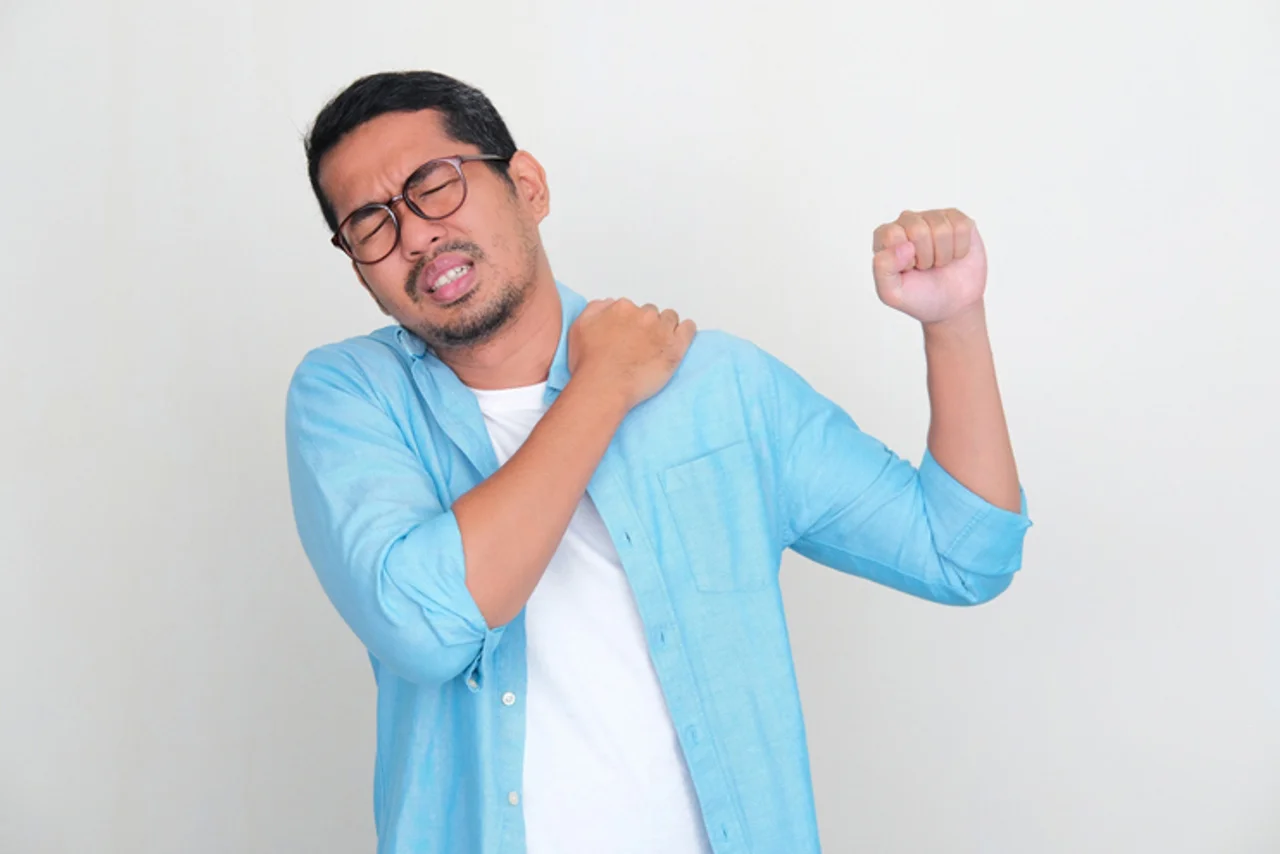
If you open your eyes each morning and the first thing you feel is a dull, stubborn ache in your shoulders, you’re not alone. In Korea, where long work hours, digital lifestyles, and chronic stress are a daily reality, shoulder pain is one of the most common complaints we hear from patients. Many describe it the same way:
“It’s not unbearable… but it never goes away.”
And to be honest, that sentence reveals more than people realize. True shoulder pain—especially the type that returns every day—rarely begins in the shoulder itself. Rather, it often signals deeper imbalances throughout the body: the neck, the spine, the chest, even the digestive system.
In Oriental medicine, shoulder pain isn't just a mechanical issue but a story. A message. A clue that something structural, energetic, or functional is out of harmony. And identifying the root cause is where Oriental diagnosis truly shines.
Today, we want to walk you through how Korean medicine interprets daily shoulder pain, why simple stretching or painkillers rarely fix it, and how Banpo Newborn Korean Medicine Clinic uses precise, whole-body diagnostic systems to uncover—and correct—the true origin of your discomfort.
Why Daily Shoulder Pain Rarely Comes from the Shoulder Alone
Patients often come in believing the problem is muscle tension. And yes, tension is present—but it’s usually a symptom, not the source.
Think of the shoulder as a hanging structure. If the foundation below it is misaligned, the shoulder must compensate. Over time, this compensation turns into tightness… and then into chronic pain.
From the perspective of Korean medicine and modern biomechanics, daily shoulder pain often arises from:
1. Cervical spine misalignment (the silent culprit)
This is the most common pattern we see. Even a slight shift in the cervical vertebrae changes how muscles anchor to the shoulder, causing persistent strain. Many patients are surprised when we gently adjust the upper spine and suddenly their shoulders release.
2. TMJ (jaw) dysfunction
This may sound strange at first—but we see it every week. When the jaw is misaligned, the resulting tension travels into the neck, then the shoulders. Some patients have suffered years of shoulder pain without realizing it began with nighttime clenching or a history of dental procedures.
3. Thoracic stiffness from posture
Sitting for long hours creates a rigid upper back. When the thoracic cage doesn’t move well, the shoulders must work harder during even simple activities. This leads to a chronic “pulling” sensation that stretching alone cannot fix.
4. Qi stagnation from stress and emotional overload
In Oriental medicine, emotional strain—especially frustration, overthinking, or repressed tension—causes stagnation in the Liver and Gallbladder meridians, which pass directly through the shoulders. Many patients notice their shoulder pain worsens during stressful periods, which is not a coincidence.
5. Digestive overload
The Spleen and Stomach meridians also cross the shoulder region. Indigestion, bloating, or irregular eating habits can produce subtle inflammation that manifests as shoulder heaviness.
These relationships are not metaphors. They reflect real anatomical, neurological, and fascial connections that Korean medicine has mapped for thousands of years.
What Makes Oriental Diagnosis Different?

If Western medicine evaluates the shoulder by imaging, palpation, and structural tests, Oriental diagnosis adds deeper dimensions—energetic pathways, whole-body relationships, and organ-movement correlations.
At Banpo Newborn Korean Medicine Clinic, our approach integrates:
1. Postural and Spinal Alignment Analysis (SART Philosophy)
Using Dr. Ungjin Im’s Spinal Alignment Restoration Therapy (SART) methodology, we analyze:
how your head sits over your spine
the curvature of your cervical vertebrae
the symmetry of your shoulders and pelvis
how your breath moves through your thoracic cage
Even subtle deviations—3–4 mm shifts—can create a long chain of compensation that ends in daily shoulder pain.
2. Meridian Diagnosis
Meridians are the body’s communication highways. When energy flow becomes blocked, pain appears along the stagnated path.
During diagnosis we assess:
tenderness along the Gallbladder meridian
hardness at Liver points around the ribs
trigger points in the Small Intestine meridian near the scapula
stagnation in Stomach meridian points around the chest
These patterns help us identify whether your shoulder pain is structural, functional, emotional, or internal-organ-related.
3. Pulse, Tongue, and Abdominal Examination
These classic methods may look simple, but they provide deep insight:
Pulse reveals tension, deficiency, or stagnation
Tongue shows fluid distribution, energy levels, and systemic stress
Abdominal palpation uncovers hidden tensions that influence posture
Shoulder pain caused by organ imbalance presents differently from pain caused by posture, and Oriental diagnosis helps distinguish the two.
4. TMJ and Cranial Assessment
Many clinics overlook the jaw, but at Banpo Newborn, we routinely evaluate:
bite asymmetry
lateral jaw deviation
temporalis muscle tightness
cranial-sutural tension
Shockingly often, fixing the jaw reduces shoulder pain by more than half within a few sessions.
5. Functional Movement Evaluation
We observe how you:
lift your arms
rotate your neck
breathe
walk
Pain is movement-specific, and movement reveals dysfunction more clearly than static exams.
Shoulder Pain Through the Lens of Oriental Medicine: A Deeper Look
Let’s dive further into what daily shoulder pain represents in classical Korean medicine.
1. Liver Qi Stagnation → Shoulder Tightness
When emotional stress accumulates, Liver Qi becomes constrained. Patients describe the pain as:
tight
stiff
radiating toward the neck
worse with frustration or fatigue
In these cases, treatment focuses on improving flow—relaxing deep tissues, balancing the autonomic nervous system, and releasing fascial bindings.
2. Dampness Accumulation → Heavy Shoulders
People who often feel sluggish or swollen may carry a sensation of heaviness over their shoulders. This pattern is common among those with weak digestion or irregular meals.
Treatment clears dampness and restores digestive strength.
3. Blood Stagnation → Sharp, Achy, or Burning Pain
Often associated with past injuries or poor circulation. Patients feel:
sharp localized pain
worsening at night
stiffness on waking
This responds well to acupuncture and precise Chuna therapy.
4. Kidney Deficiency → Weak, Fatigable Shoulders
This pattern is common in middle-aged individuals or those experiencing chronic exhaustion. Shoulders feel weak rather than tight.
Treatment boosts vitality and supports deep tissue healing.
How Banpo Newborn Treats Daily Shoulder Pain: A Step-by-Step Approach

1. Spatial Spinal Correction (Dr. Im’s Signature Technique)
Instead of simply pushing bones into place, spatial correction examines how the spine exists in 3D space—rotations, translations, and micro-tilts. Adjusting these imbalances relieves pressure on the trapezius, levator scapulae, and rotator cuff muscles.
Patients often experience immediate lightness in the shoulders after their first correction.
2. Chuna Therapy for Joint, Muscle, and Fascia Harmony
Chuna therapy is not just manual manipulation—it is a rhythmic conversation with the body. Using gentle traction, mobilization, and alignment techniques, we release the structural restrictions causing pain.
Many describe the sensation as “finally being able to breathe into my shoulders.”
3. TMJ Release to Set the Neck Free
Jaw tension is one of the most underdiagnosed causes of shoulder pain. Treating the jaw changes the entire structural chain:
TMJ → neck → shoulders → thoracic cage
When the jaw aligns properly, shoulder tension often drops dramatically.
4. Acupuncture to Restore Meridian Balance
Acupuncture targets key meridians that influence the shoulders:
Gallbladder 21
Small Intestine 11
Triple Burner 15
Liver 3 (for emotional tension)
Stomach 36 (for systemic support)
Patients feel a gentle warmth or flow during treatment, signaling restored circulation.
5. Herbal Medicine for Internal Balance
Based on your diagnosis, we may prescribe formulas to:
ease Liver stagnation
drain dampness
nourish Kidney energy
promote blood circulation
Herbs work from within to address the underlying cause.
6. Corrective Exercises Tailored to Your Posture
Because every body is different, we provide personalized home exercises that target your specific imbalance—not generic shoulder stretches found online.
Real Patient Story (Name Changed for Privacy)
Ms. K, a 42-year-old office worker, came to us with constant right shoulder pain. She described it as a “tight band” pulling from her neck to her shoulder, worse in the mornings and after work.
Her prior treatments—massage, hot packs, painkillers—helped briefly but the pain always returned.
During her evaluation, we found:
her jaw deviated slightly to the left
C4–C6 in her neck were rotated
her Gallbladder meridian was extremely tender
her thoracic spine was rigid
In just three sessions of Chuna, TMJ release, and spatial spinal correction, her shoulder pain dropped from a 7/10 to a 2/10.
After three weeks, she reported something remarkable:
More Medical Articles
Continue reading clinical insights from Banpo Newborn Korean Medicine Clinic.

Why Seoul is the Global Hub for Minimally Invasive Vertigo Treatment
Dizziness and vertigo are among the most common reasons for hospital visits in South Korea, affecting nearly 16.7% of the adult population annually according to the Korea National Health and Nutrition Examination Survey (KNHANES).
Learn More

Tinnitus Relief in Seoul: Multidisciplinary Upper Cervical Care
For many, the sound of silence is replaced by a persistent ringing, buzzing, or hissing. In South Korea, this is more than an individual annoyance; it is a significant public health trend.
Learn More

Success Rates of SART for OPLL Compared to Standard Laminectomy in Korea
The prevalence of Ossification of the Posterior Longitudinal Ligament (OPLL) in East Asian populations, particularly in South Korea, is significantly higher than in Western countries, affecting approximately 2% to 4% of the population according to nationwide...
Learn More