SART Whole-Body Spinal Alignment, Chuna Therapy & International Patient Concierge
30+ Years Clinical Experience
en-US

Korean Medicine Guide
Disc Herniation Doesn’t Always Need Surgery – Try This First
Disc herniation relief without surgery—discover effective non-surgical treatments, pain management, and recovery options that work.
Schedule a Consultation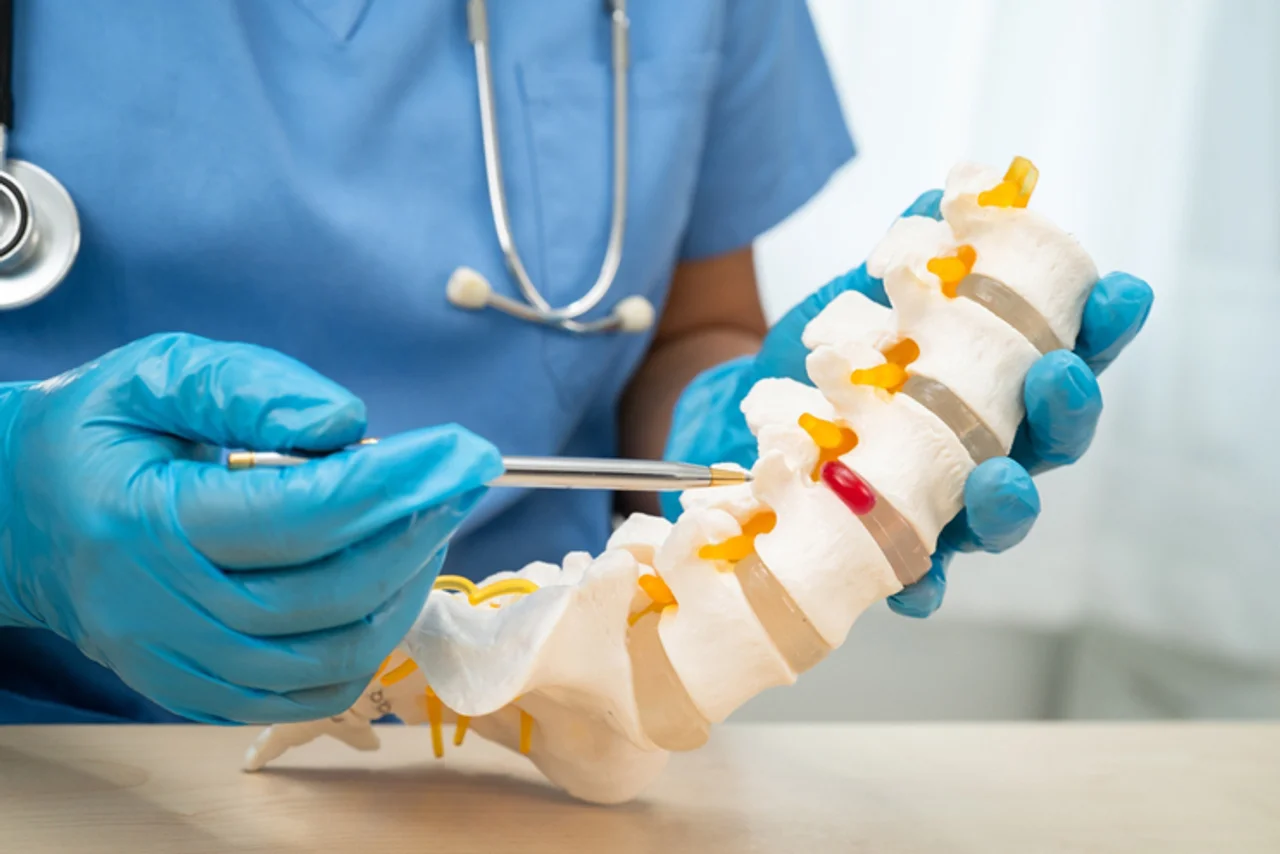
If you’ve been told you have a Disc Herniation—also called a Herniated Disc or Slipped Disc—you might be worried that surgery is the only way forward. To be honest, many people feel that way after an MRI. But here’s the encouraging truth: when symptoms and exam findings are appropriate for conservative care, surgery is often not the first step. At Banpo Newborn Oriental Medical Clinic in Banpo, Seoul, South Korea, Dr. Ungjin Im and our team specialize in precise, non-invasive care that helps patients get back to walking, working, and sleeping without fear.
This guide explains what a disc herniation is, why pain patterns can mislead you, and which evidence-informed, traditional Korean medicine strategies we use—like Spinal Alignment Restoration Therapy (SART), spatial spinal correction, Chuna therapy, acupuncture, and targeted neuromuscular retraining—to calm pain and restore function. We’ll also show how our specialty, How Banpo Newborn Korean Medicine Clinic Treats Spinal Stenosis Without Surgery, supports people whose herniation overlaps with Spinal Stenosis or Lumbar Spinal Stenosis.
First, what is a disc herniation?
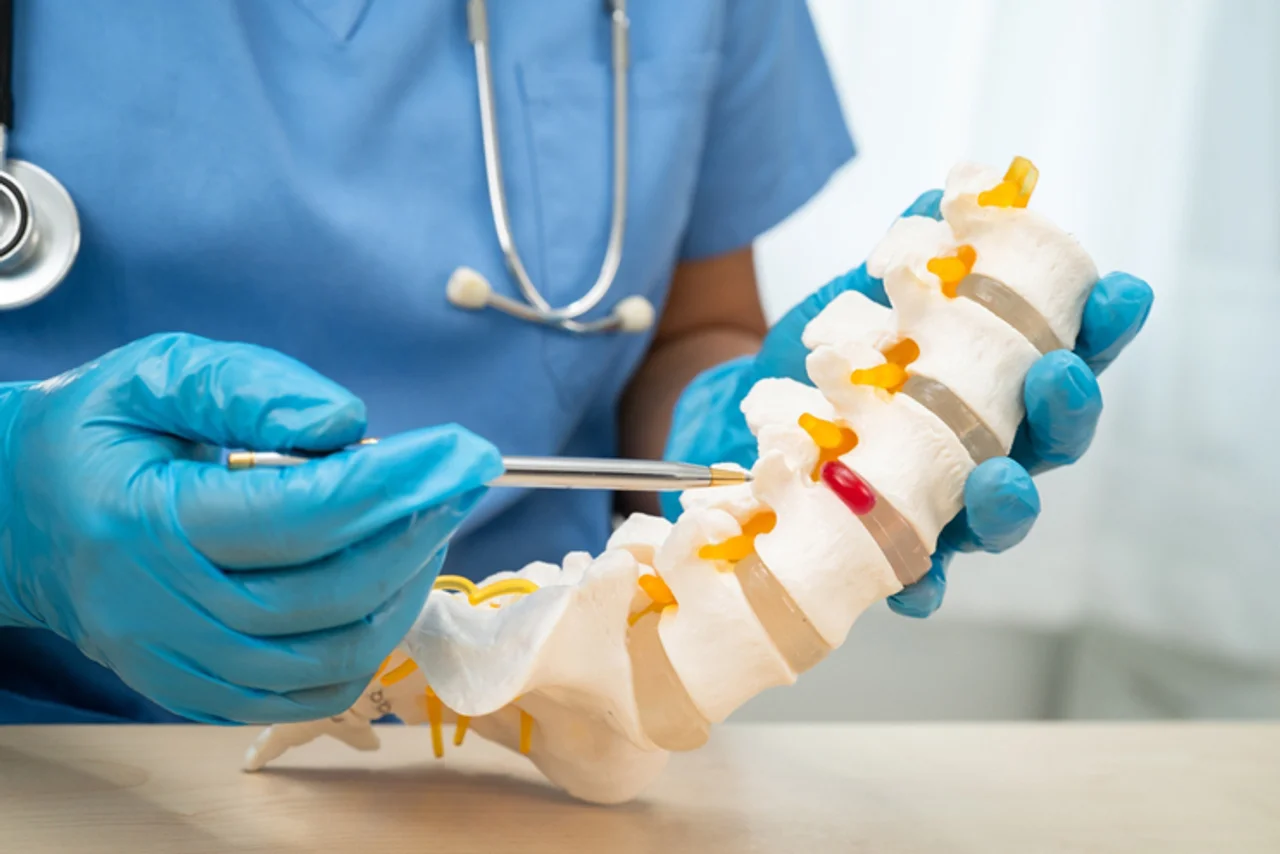
Between each vertebra sits a disc—tough on the outside, springy inside. With repeated stress, prolonged sitting, or a single awkward lift, the outer ring can bulge or tear, allowing inner material to press on nearby nerves. That pressure and local inflammation can cause:
Lower back pain or Lumbar pain
Pain into the buttock, hip, or leg (hip pain can be part of the picture)
Numbness or tingling
Sharp pain on certain movements, sneezing, or coughing
Here’s the twist: disc images rarely tell the whole story. Many people have “significant” changes on MRI and no symptoms; others have modest imaging and a lot of pain. That’s why our first goal is to connect your pain behavior with your movement pattern, not just your scan.
Why surgery isn’t always step one
Surgery can be life-changing when there is severe, progressive motor loss, bladder/bowel dysfunction, or trauma. But when your case is appropriate for conservative care, a precise non-surgical plan often reduces pain, restores movement, and protects long-term spinal health without the risks and downtime of an operation.
At Banpo Newborn Oriental Medical Clinic, we take the time to map your symptoms to your mechanics. Many patients improve through gentle decompression strategies, alignment correction, and small, sustainable habit changes—especially when combined with Chuna therapy, acupuncture, and an easy home plan.
“To be honest, the body wants to heal. Our job is to remove the barriers—compression, poor load-sharing, and protective guarding—so healing can show up.” — Dr. Ungjin Im
Our non-surgical framework
1) A whole-body evaluation—not just the sore spot
Your spine doesn’t live alone. A rotated pelvis or stiff rib cage can load the lumbar segments unevenly and provoke symptoms that look like a disc flare. We therefore assess:
Pelvic orientation and sacroiliac joint mechanics
Hip range and how your hips “share” extension with the lower back
Segmental lumbar motion and nerve tension signs
Rib-cage position and breathing pattern (pressure management matters)
Gait and foot loading
When relevant, the cervical spine and Temporomandibular Joint (TMJ), since upper-chain bracing can keep the lower back guarded
If you already have imaging that mentions Herniated Disc/Slipped Disc, bring it. We interpret scans in context with how you move.
2) Spinal Alignment Restoration Therapy (SART)
Refined in our clinic by Dr. Ungjin Im, SART is a precise, gentle method that restores space where irritated nerves need it most. Think of it as helping a stuck drawer slide back into its track—not by force, but by guiding the structure to where it naturally belongs. With disc-related pain, SART aims to:
Reduce segmental compression and calm irritated nerve roots
Balance the load between the lumbar spine, pelvis, and hips
Down-regulate protective muscle spasm that keeps you locked in pain
Patients often describe SART as “light but surprisingly powerful.”
3) Spatial spinal correction + Chuna therapy
Alignment is three-dimensional. Our spatial spinal correction addresses front/back tilt, side shift, and rotation together so changes hold when you stand and walk. Chuna manual therapy restores joint play and soft-tissue glide around the lumbar facets, sacroiliac joints, and hips—key for reducing that “pinch” you feel on certain movements.
4) Acupuncture, moxibustion, and cupping
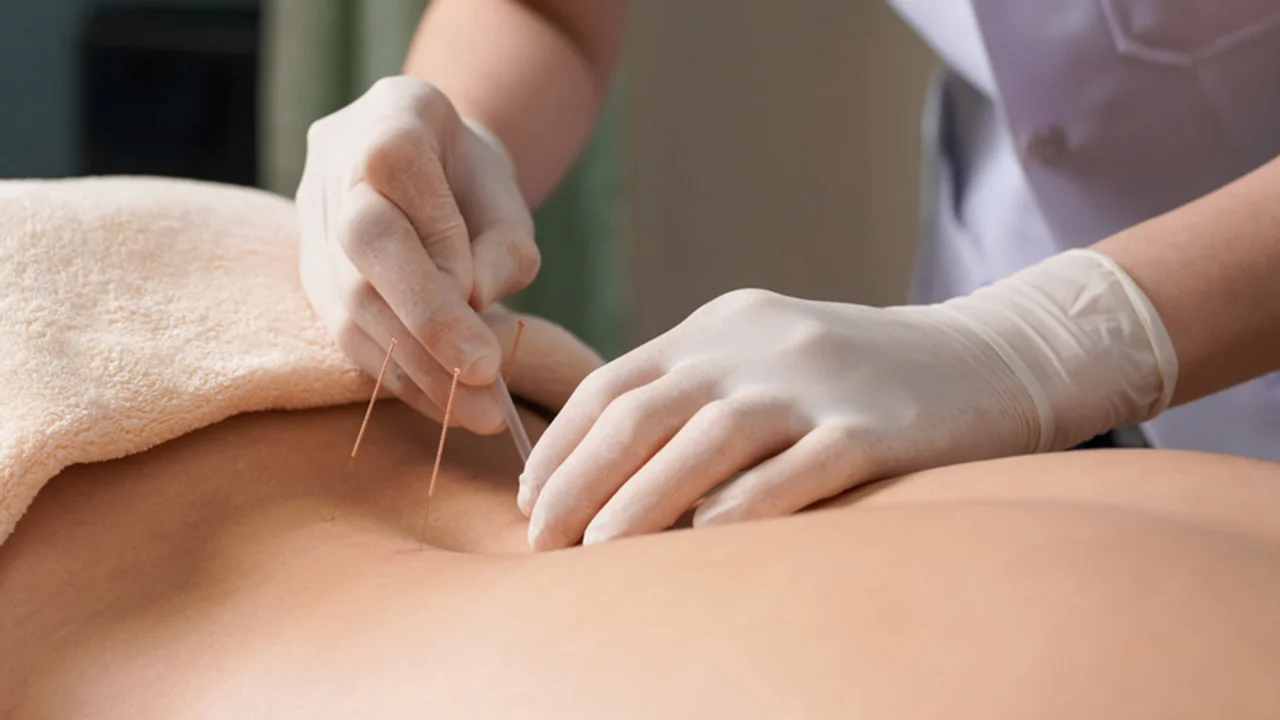
These traditional Korean treatment tools decrease local inflammation, improve micro-circulation, and calm the nervous system. For many with acute disc pain, acupuncture eases guarding so alignment work can settle in.
5) Personalized herbal support (when appropriate)
Targeted herbal prescriptions may support circulation and recovery. We keep formulas simple and adapt as your symptoms change.
6) Neuromuscular retraining you’ll actually do
Lasting change comes from better movement, not longer routines. We coach 2–3 short home drills that fit your day:
Micro-decompression breathing to stack the rib cage over the pelvis and soften lumbar load
Hip-hinge reset so you bend from the hips—not the back—when lifting, brushing teeth, or picking up a bag
Glute activation for sacral stability
Walk intervals that build capacity without provoking symptoms (far better than one long, flaring walk)
What your first three visits look like
Visit 1 — Map & Decompress
We listen carefully, examine your movement, and review imaging. You’ll receive SART + spatial correction + Chuna therapy (as indicated), one or two drills, and clear metrics: sit tolerance, stride confidence, morning stiffness, and a simple pain map.
Visit 2 — Stabilize & Teach
We re-test your markers, progress manual care, add acupuncture if appropriate, and refine your drills (quality over quantity). We also match ergonomics to your actual day—desk, commute, childcare.
Visit 3 — Make It Stick
We build endurance with walk intervals, hinge practice in real tasks, and gentle core/glute work so your improvements survive daily life. Then we set the right follow-up cadence based on objective change.
Most patients notice early improvements in movement ease, sit tolerance, and “nerve zing” within the first few sessions. Everyone heals at a different pace; our job is to keep you progressing safely.
Disc pain rarely travels alone
Because the spine is your body’s foundation, disc irritation often pulls other regions into the story. Correcting alignment frequently improves:
Back pain, Backache, Lower back pain, and Lumbar pain
Pelvic pain, Pelvic discomfort, and hip pain (load-sharing through the sacrum and hips)
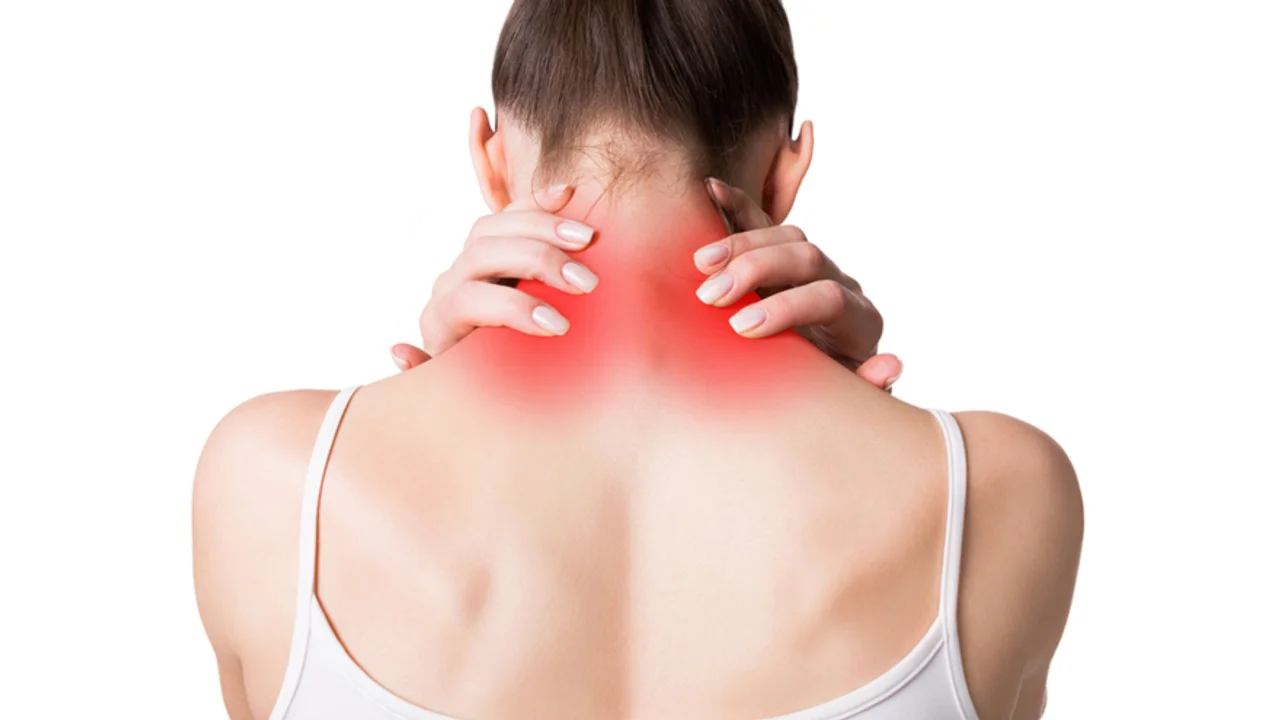
Protective upper-chain patterns like Neck pain, Neck ache, Neck stiffness, Shoulder pain, Shoulder stiffness, and even Frozen shoulder
Head and jaw issues such as Headache, Chronic Headache, Tinnitus, TMJ Disorder, and TMJ Syndrome (through better posture and reduced guarding)
Complex asymmetries: Scoliosis, mild Torticollis/Wry Neck, and Dystonia/Muscle Dystonia tendencies that keep you locked into one side
We don’t chase symptoms in isolation; we restore the sequence—pelvis → lumbar → rib cage → neck → TMJ—so the whole system quiets down together.
Our specialty with stenosis supports disc patients, too
Many patients carry Disc Herniation and some degree of Spinal Stenosis/Lumbar Spinal Stenosis—especially as we age. Our clinic’s specialty, How Banpo Newborn Oriental Medical Clinic Treats Spinal Stenosis Without Surgery, matters because stenosis changes how you walk and stand. People shorten their stride, brace through the pelvis, and hinge from the mid-back; discs then take more stress. By combining decompression-biased SART, spatial correction, and staged walk intervals, we improve walking capacity while calming disc-related pain.
Two short patient stories
Case 1: The teacher who feared every sneeze
Yuri, 41, arrived with acute Lower back pain and leg tingling after lifting luggage. MRI read “L5-S1 Herniated Disc.” She couldn’t sit more than 10 minutes and dreaded coughing. We used SART with gentle Chuna to decompress L5-S1, taught hip-hinge and micro-decompression breathing, and added acupuncture for spasm. In two weeks, sit tolerance tripled; by week six, she returned to full classes without flare.
Case 2: The walker with “shopping-cart relief”
Mr. Kim, 64, had Lumbar Spinal Stenosis plus a small L4-L5 bulge, reporting hip pain and a pulling ache into the pelvis when walking upright—better when leaning forward. We focused on decompression-oriented SART, spatial correction coordinating pelvis–rib cage, and 8–10 minute walk intervals. One month later he doubled his symptom-free walking window and felt steadier on stairs.
Results vary; matching treatment to the true driver is what moves the needle.
Home strategies that won’t make you worse (pain-free range only)
More Medical Articles
Continue reading clinical insights from Banpo Newborn Korean Medicine Clinic.

Why Seoul is the Global Hub for Minimally Invasive Vertigo Treatment
Dizziness and vertigo are among the most common reasons for hospital visits in South Korea, affecting nearly 16.7% of the adult population annually according to the Korea National Health and Nutrition Examination Survey (KNHANES).
Learn More

Tinnitus Relief in Seoul: Multidisciplinary Upper Cervical Care
For many, the sound of silence is replaced by a persistent ringing, buzzing, or hissing. In South Korea, this is more than an individual annoyance; it is a significant public health trend.
Learn More

Success Rates of SART for OPLL Compared to Standard Laminectomy in Korea
The prevalence of Ossification of the Posterior Longitudinal Ligament (OPLL) in East Asian populations, particularly in South Korea, is significantly higher than in Western countries, affecting approximately 2% to 4% of the population according to nationwide...
Learn More