SART Whole-Body Spinal Alignment, Chuna Therapy & International Patient Concierge
30+ Years Clinical Experience
en-US

Korean Medicine Guide
Do You Hear Ringing in Your Ears? Korean Medicine’s Take on Tinnitus
Discover how Korean medicine explains tinnitus, its causes, and natural treatments to ease ringing in the ears.
Schedule a ConsultationDo You Hear Ringing in Your Ears?
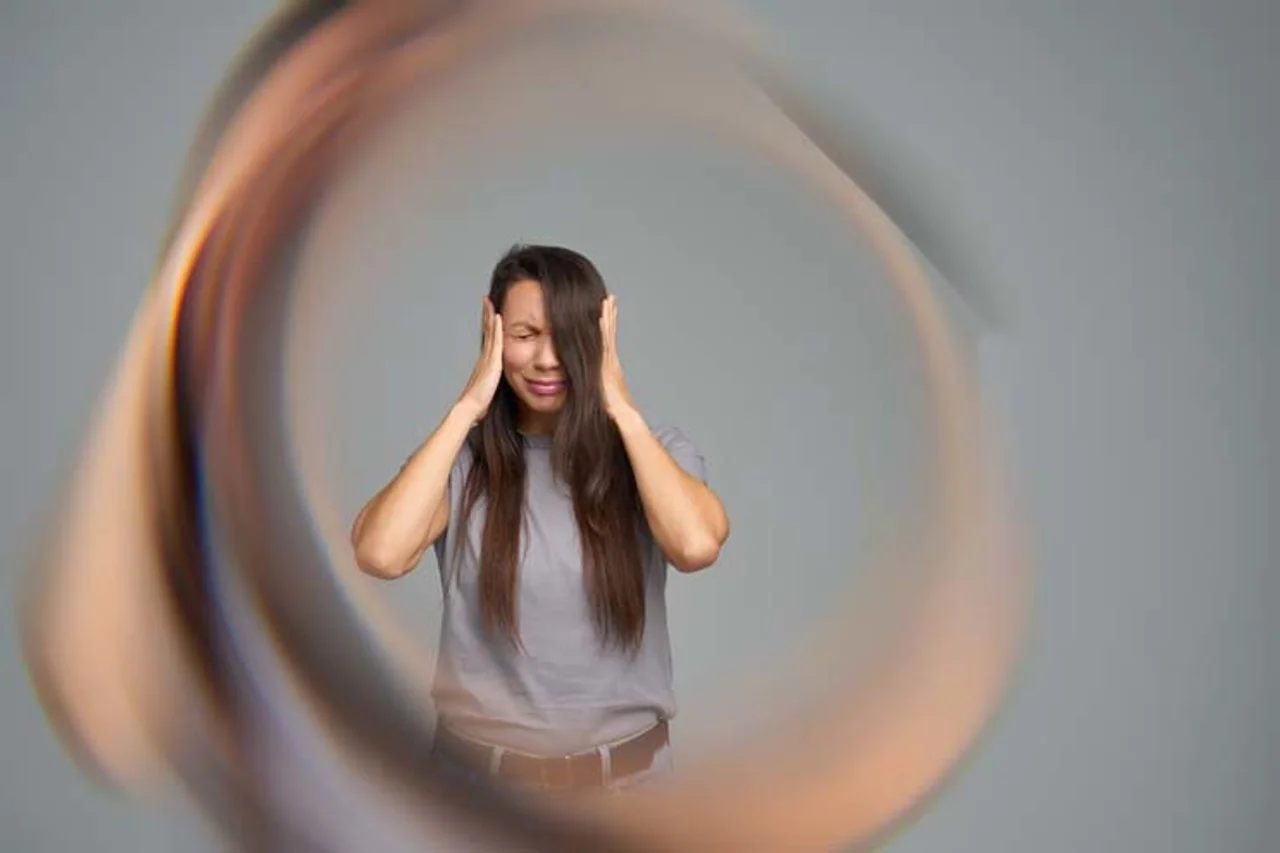
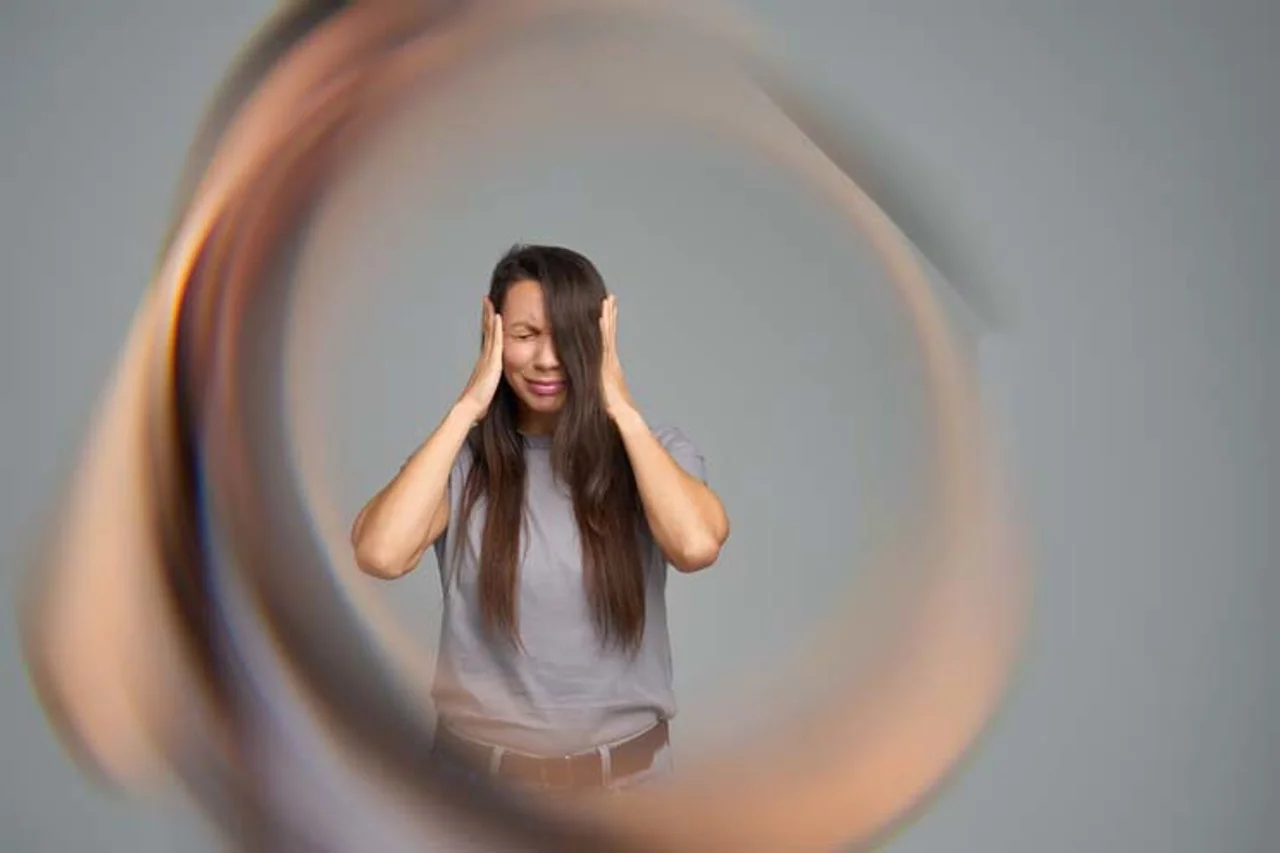
Korean Medicine’s Take on Tinnitus**
If you’ve ever sat in a quiet room only to notice a faint ringing, buzzing, or whooshing in your ears, you’re not alone. Many people shrug off these sounds at first, assuming they’ll disappear on their own. But when the noise lingers—especially late at night, or after long hours at a computer—it can become unsettling. Some patients tell us, “It’s not painful, but it’s always there,” and that constant presence often brings fatigue, anxiety, and sleep disturbance.
At Banpo Newborn Korean Medicine Clinic in Seoul, we’ve met countless individuals who live with tinnitus for years without understanding what’s actually happening in their bodies. Tinnitus is not a disease in itself—it’s a signal, a message from the body that something in the system is misaligned, depleted, or under strain. And in Korean medicine, we take that message seriously.
This article explores tinnitus from a holistic, Korean medical perspective and explains why the spine, jaw, and overall autonomic balance play a far greater role than most people assume.
Understanding Tinnitus: It’s More Than Just a “Noise Problem”
Medically, tinnitus is defined as the perception of sound without an external source. It can sound like:
Ringing
Buzzing
Humming
Cicada-like noises
Pulsing or whooshing
To be honest, many people assume tinnitus is purely an inner-ear issue. But in our clinical experience—especially with patients suffering from chronic neck tension or TMJ discomfort—the ears are often the last link in a chain of imbalances.
From a Korean Medicine Lens
Korean medicine views the ears as closely connected to the Kidney (신) system, the liver’s circulation of qi and blood, and the balance of the cervical spine and jaw joint. When these areas become imbalanced, the auditory pathway becomes hypersensitive.
It’s similar to how a violin reacts when its strings are tightened unevenly—sound becomes distorted. The human body responds the same way.
Why Tinnitus Happens: Korean Medicine’s Three Core Explanations

Over 30 years at Banpo Newborn, we’ve observed three major patterns in patients with persistent tinnitus. Each pattern reflects a different “root cause,” and identifying the right pattern is essential for lasting relief.
1. Cervical and Postural Imbalance
This is far more common than people realize.
Many patients live with forward head posture, chronic neck stiffness, rounded shoulders, or subtle instability in the upper cervical spine. When the spine loses its alignment:
Blood flow to the inner ear becomes restricted
The autonomic nervous system becomes irritated
Muscles surrounding the jaw and neck tighten
And when all of that happens at once, tinnitus often follows.
One patient in his early forties described it perfectly:
“It felt like my neck was holding its breath, and the ringing came whenever the tension peaked.”
Dr. Ungjin Im’s SART (Spinal Alignment Restoration Therapy) and spatial spinal correction techniques focus on releasing these micro-compressions. When the cervical vertebrae regain their proper spatial relationship, the auditory symptoms frequently reduce.
2. TMJ Dysfunction and Tension in the Jaw
The jaw joint (TMJ) sits remarkably close to the ear canal. When the TMJ is misaligned—even slightly—it can affect the small muscles and nerves that support hearing.
In fact, studies show that a significant number of tinnitus patients also have TMJ-related symptoms such as:
Clicking or popping when chewing
Jaw tightness
Facial asymmetry
Morning jaw stiffness
Clenching or grinding
When these patterns appear, Korean medical treatment centers on releasing the jaw’s tension, correcting asymmetry, and calming the trigeminal nerve pathway.
At Banpo Newborn, we’ve found that combining Chuna TMJ correction, craniosacral balancing, and soft-tissue release dramatically improves tinnitus in patients whose symptoms stem from TMJ strain.
3. Energy and Circulatory Imbalance
Not all tinnitus is musculoskeletal. In Korean medicine, certain internal imbalances contribute as well:
Liver-heat rising (간화상염) causing sharp, high-pitched ringing
Kidney-yin deficiency leading to chronic low-pitched humming
Blood-deficiency causing intermittent buzzing, especially after fatigue
Qi stagnation creating tension patterns that worsen with stress
Many patients notice their tinnitus intensifies on days when they’re exhausted, dehydrated, or stressed—clear indicators that internal balance plays a major role.
Herbal formulas, acupuncture, and lifestyle adjustments help restore internal circulation so the auditory system can quiet down again.
Why Korean Medicine Takes Tinnitus Seriously
From a clinical perspective, tinnitus isn’t simply about relieving noise. It’s about addressing the deeper causes that are affecting the patient’s quality of life.
We often see patients who say:
“I can’t fall asleep because of the ringing.”
“I worry that something is seriously wrong.”
“I’m constantly irritated, even when I don’t want to be.”
These emotional responses aren’t exaggerated—tinnitus strains the nervous system. And in Korean medicine, mind and body are interconnected. Treating tinnitus means treating the person as a whole.
The Spine–Ear Connection: What Most People Never Consider
Here’s a truth that surprises many patients:
Your ears depend heavily on the stability of your upper cervical spine.
The area around C1 and C2 (the atlas and axis) is rich with autonomic nerve fibers, blood vessels, and muscular attachments that influence inner-ear function. When the neck is misaligned, even subtly, patients can experience:
Tinnitus
Dizziness
Ear fullness
Occasional headaches
Visual strain
Korean medicine has long recognized the neck as a gateway for sensory function. Modern research supports this, showing that cervical instability and muscle tension can alter auditory perception.
At Banpo Newborn, we pay close attention to this connection. Dr. Im often says:
“You cannot fully treat tinnitus without checking the spine. The ear is sensitive, but the neck is the silent controller.”
By restoring the neck’s alignment through SART and targeted Chuna manual therapy, circulation normalizes and the auditory nerve system settles. Many patients tell us the loudness of their tinnitus decreases noticeably even after the first few sessions.
How Korean Medicine Approaches Treatment (In Practice)
1. Comprehensive Diagnosis
Our evaluation includes:
Structural assessment of the cervical spine
TMJ mobility and symmetry check
Posture and gait analysis
Palpation of scalene, masseter, and suboccipital muscles
Pulse and tongue diagnosis
Sleep and stress profile
This multi-layered diagnostic process is essential because tinnitus is rarely caused by just one factor.
2. Spinal and TMJ Chuna Therapy
Gentle, precise adjustments help restore normal alignment and reduce the tension patterns feeding into the ears. Banpo Newborn’s approach is deliberately soft—no twisting, no aggressive manipulation, only controlled mobilization that respects the patient’s safety.
Patients often describe the sensation as their neck “breathing again.”
3. Acupuncture for Nerve Regulation
Points around the ear, jaw, neck, and limbs calm hyperactive nerve pathways and regulate blood flow. For some patients, acupuncture provides immediate relief from the sense of fullness or noise.
4. Herbal Medicine to Support Internal Balance

Depending on the root cause, formulas may focus on:
Nourishing kidney-yin
Clearing liver-heat
Activating blood circulation
Calming the mind
Strengthening qi
Herbal treatments are not one-size-fits-all; they are matched to the patient’s constitution and symptom pattern.
5. Lifestyle and Posture Rehabilitation
We teach patients simple but effective habits:
Easing neck strain during computer work
Reducing jaw clenching
Improving sleep patterns
Breathing techniques to calm the autonomic system
Stretching routines for the upper cervical muscles
When these pieces come together, the tinnitus often softens, stabilizes, and—over time—fades.
A Real Case from Our Clinic
A 38-year-old office worker visited us after six months of persistent ringing that worsened at night. He had seen several specialists and was told his hearing was normal. But something still felt “off.”
During our examination, we found:
Severe forward head posture
TMJ asymmetry from years of clenching
Tight suboccipital muscles
Fatigue and poor sleep
We began a targeted treatment plan using SART spinal correction, TMJ Chuna therapy, and acupuncture.
After four weeks, his tinnitus decreased by 40%.
After eight weeks, the intensity dropped to a faint background noise.
By twelve weeks, he reported sleeping through the night with almost no ringing.
His response wasn’t unusual—just an example of how powerful alignment and internal balance can be.
Why Ignoring Tinnitus Can Make It Worse
Tinnitus does not always resolve on its own. When the underlying cause continues unchecked—whether from posture, stress, TMJ dysfunction, or circulatory weakness—the auditory system becomes increasingly sensitive.
Some patients begin to fear silence itself.
This is why early evaluation is so important. Korean medicine does not treat tinnitus as a “mystery symptom,” but rather as a clear signal that the body needs rebalancing.
Can Tinnitus Really Improve? Yes—With the Right Approach
More Medical Articles
Continue reading clinical insights from Banpo Newborn Korean Medicine Clinic.

Why Seoul is the Global Hub for Minimally Invasive Vertigo Treatment
Dizziness and vertigo are among the most common reasons for hospital visits in South Korea, affecting nearly 16.7% of the adult population annually according to the Korea National Health and Nutrition Examination Survey (KNHANES).
Learn More

Tinnitus Relief in Seoul: Multidisciplinary Upper Cervical Care
For many, the sound of silence is replaced by a persistent ringing, buzzing, or hissing. In South Korea, this is more than an individual annoyance; it is a significant public health trend.
Learn More

Success Rates of SART for OPLL Compared to Standard Laminectomy in Korea
The prevalence of Ossification of the Posterior Longitudinal Ligament (OPLL) in East Asian populations, particularly in South Korea, is significantly higher than in Western countries, affecting approximately 2% to 4% of the population according to nationwide...
Learn More