SART Whole-Body Spinal Alignment, Chuna Therapy & International Patient Concierge
30+ Years Clinical Experience
en-US


Korean Medicine Guide
Does TMJ Only Affect the Jaw? Here's Why It's More Complicated
TMJ isn’t just about the jaw—it can cause headaches, neck pain, and posture issues. Discover holistic TMJ care with Dr. Ungjin Im in Seoul.
Schedule a Consultation
Introduction
Most people think of temporomandibular joint disorder (TMJ or TMD) as a condition limited to the jaw. They imagine symptoms like clicking sounds, jaw stiffness, or pain when chewing. But the truth is far more complex: TMJ disorders don’t just affect the jaw—they can influence the entire body.
At Banpo Newborn Oriental Medical Clinic in Seoul, Dr. Ungjin Im, a Korean Medicine Doctor with over 30 years of clinical experience, specializes in holistic, non-surgical treatments for TMJ dysfunction. With expertise in spinal correction, TMJ realignment, and Oriental Medicine therapies, Dr. Im has helped thousands of patients discover that jaw pain often stems from—and leads to—problems in the neck, head, and even the spine.
This article explores why TMJ is more complicated than most people realize, how it affects different areas of the body, and why Korean Medicine therapies at Banpo Newborn Korean Medicine Clinic are uniquely effective in treating not just the jaw, but the whole-body imbalances linked to TMJ.
What Is TMJ Disorder?
The temporomandibular joint connects the jawbone (mandible) to the skull at the temporal bone. This hinge joint is responsible for chewing, speaking, and yawning. TMJ disorder (TMD) occurs when the joint, surrounding muscles, or alignment are disrupted.
Common Symptoms of TMJ Disorder
Jaw pain or stiffness
Clicking, popping, or grinding sounds when opening the mouth
Limited ability to open the mouth fully
Pain while chewing
Lockjaw episodes
While these symptoms appear localized to the jaw, TMJ disorders often extend far beyond.
Why TMJ Is More Complicated Than Just a Jaw Problem
1. The Neck Connection
The jaw and neck are anatomically and functionally linked. Stiff cervical muscles and misaligned vertebrae increase stress on the TMJ. Patients often report neck stiffness, headaches, and jaw pain simultaneously.
2. Headaches and Migraines
TMJ tension compresses cranial nerves and blood vessels, leading to tension headaches or migraines. Many patients who think they have “chronic migraines” actually suffer from undiagnosed TMJ dysfunction.
3. Ear Symptoms
Because the TMJ sits close to the ear canal, misalignment can trigger:
Tinnitus (ringing in the ears)
Ear pain without infection
Vertigo or dizziness
4. Postural Problems
TMJ misalignment affects bite balance, which alters head and neck posture. Over time, this can contribute to spinal imbalance, scoliosis, or chronic shoulder tension.
5. Emotional and Physical Stress
Clenching and grinding (bruxism) not only damage teeth but also increase stress on the nervous system, neck muscles, and spine.
Clearly, TMJ is not just a “jaw problem”—it is a multi-system condition that requires holistic care.
What Korean Medicine Reveals About TMJ
In Korean Medicine, TMJ is seen as a reflection of whole-body imbalance:
Qi and blood stagnation in the jaw area leads to pain and dysfunction.
Liver and kidney imbalances are linked to chronic tension and bone weakness.
Misaligned posture and spinal imbalance create energetic blockages that affect the jaw.
Treatment therefore focuses not only on the jaw joint but also on neck alignment, spinal health, and energy circulation.
Specialized TMJ Treatments at Banpo Newborn Korean Medicine Clinic
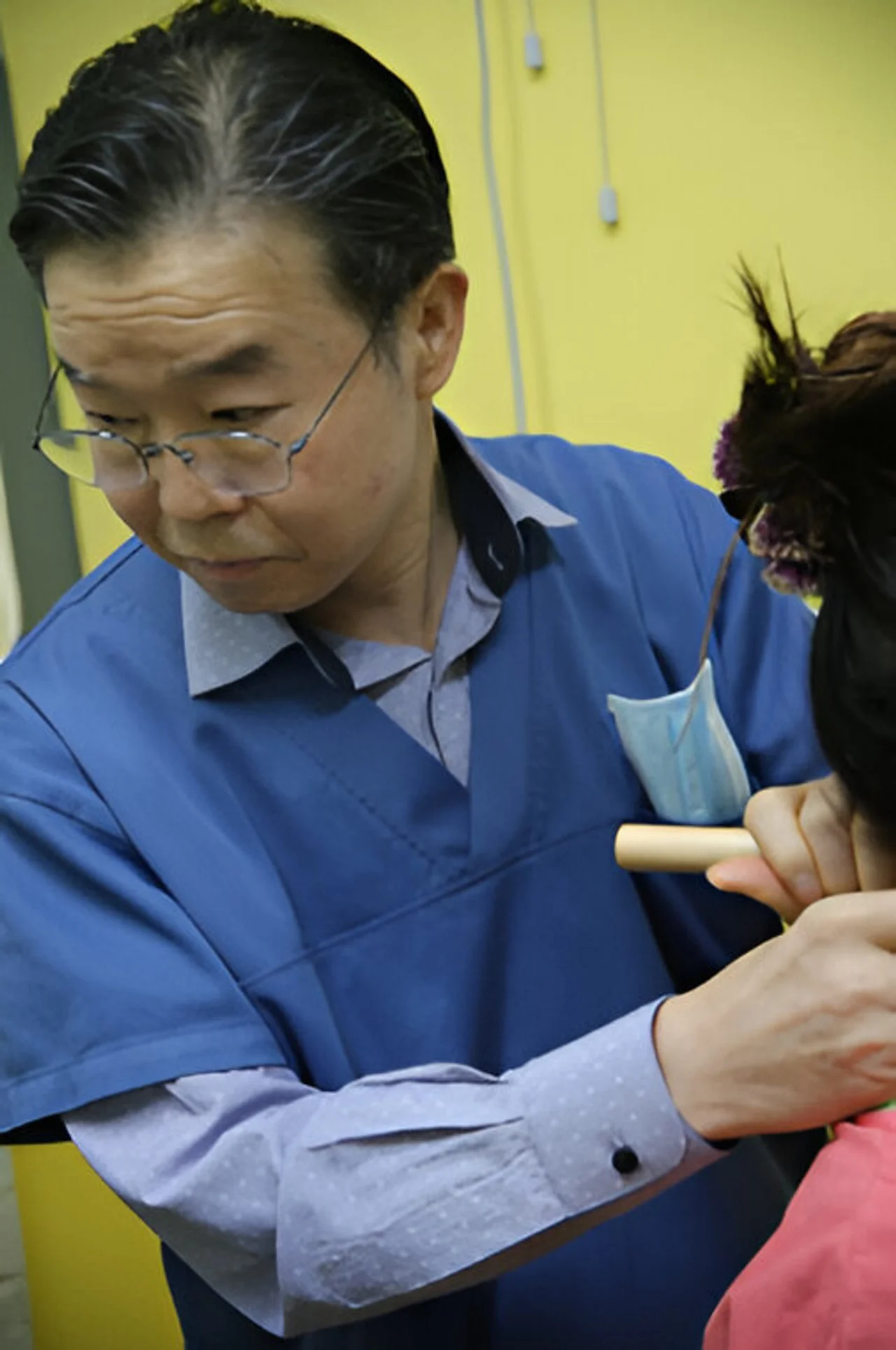
At Banpo Newborn Oriental Medical Clinic, Dr. Ungjin Im provides a range of safe, evidence-based treatments designed to restore balance across the jaw, neck, and spine.
1. Facial Cranial Spinal Therapy (FCST)
A specialized Korean Medicine therapy for TMJ correction
Realigns the jaw joint and bite balance
Relieves clenching, grinding, and uneven chewing stress
2. Spinal Alignment Restoration Therapy (SART)
Developed by Dr. Im and certified by the Association of Korean Medicine
Uses precision instruments like therapeutic hammers and alignment rods
Corrects cervical misalignments that contribute to TMJ dysfunction
3. Spatial Spinal Correction
Aligns the entire spine—from cervical to lumbar and pelvis
Ensures jaw issues are not triggered by spinal or pelvic imbalance
4. Chuna Manual Therapy
Gentle manipulations to reduce jaw and neck stiffness
Improves mobility and posture
5. Acupuncture & Pharmacopuncture
Targets specific meridians to release tension in jaw and neck muscles
Reduces inflammation and nerve irritation
6. Herbal Medicine & Cupping
Strengthens ligaments and connective tissue around the jaw
Improves circulation to prevent recurrence
Lifestyle Habits That Worsen TMJ Symptoms
Even the best treatments can be undermined by daily habits. Patients are often surprised to learn how their lifestyle contributes to jaw and neck pain.
Harmful Habits
Teeth grinding and clenching during stress or sleep
Chewing gum excessively or biting hard foods
Poor posture when working at a computer or using smartphones
Sleeping on one side only, placing pressure on the jaw
Ignoring stress management, leading to chronic tension
Healthier Alternatives
Use a supportive pillow to maintain neck alignment
Practice jaw relaxation techniques daily
Apply warm compresses when stiffness arises
Schedule regular breaks from screens to correct posture
Manage stress with breathing exercises, meditation, or light stretching
By combining professional treatment with healthy lifestyle adjustments, patients achieve faster and more sustainable results.
Long-Term Benefits of Korean Medicine TMJ Therapy
The goal of treatment at Banpo Newborn Oriental Medical Clinic goes beyond immediate relief. Patients often experience system-wide improvements, including:
Reduced headaches and migraines
Improved posture and spinal alignment
Better sleep quality due to reduced clenching and pain
Improved concentration and productivity
Relief from ear-related symptoms such as tinnitus and dizziness
In other words, by treating TMJ holistically, patients not only resolve jaw pain but also unlock better overall health and well-being.
Dr. Ungjin Im: Authority in TMJ and Spinal Health
Background & Credentials
Ph.D. in Korean Medicine – Kyung-Hee University
Master’s in Rehabilitation Medicine – Dongguk University
Bachelor’s in Korean Medicine – Dongguk University
Director & Founder, Banpo Newborn Oriental Medical Clinic
Achievements
30+ years of clinical experience
Performed tens of thousands of spinal and TMJ corrections without medical accidents
Developed SART, validated through research at Korea University’s ERC Center
Founding Academic Director of the Spinal Dao-In Alignment Association
Awards & Recognition
Korea Consumer Excellence Grand Prize (2018)
Merit Award from the Association of Korean Medicine (2020)
Certified healthcare provider for international patients
Dr. Im’s reputation is built on precision, innovation, and holistic care.
Why Patients Choose Banpo Newborn Korean Medicine Clinic
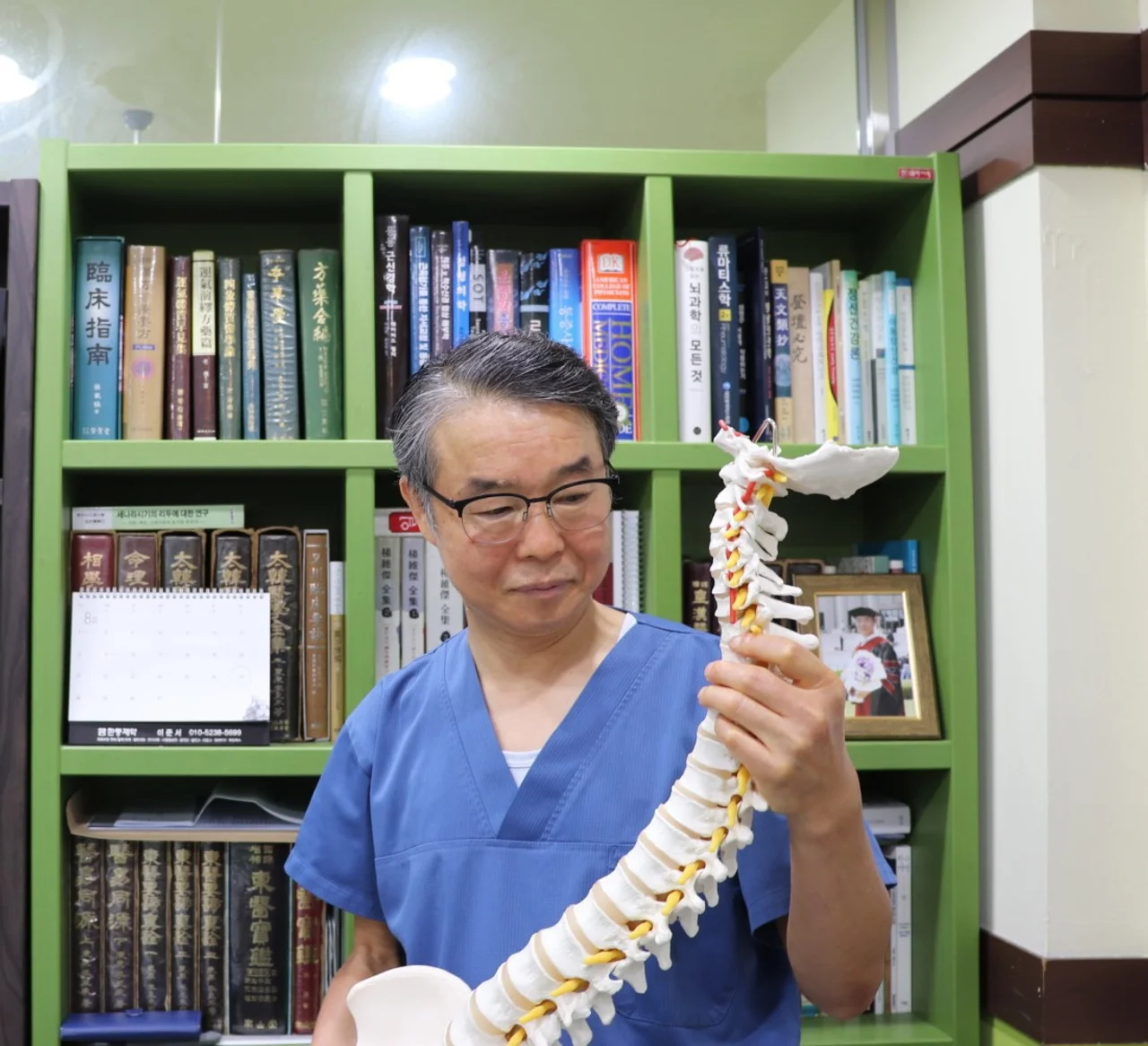
Whole-body approach – not just jaw treatment, but spine, posture, and balance.
Over 30 years of experience – led by Dr. Ungjin Im.
Unique therapies – including FCST, SART, and Spatial Spinal Correction.
Proven results – countless success stories across migraines, dizziness, and TMJ pain.
Safe, non-surgical care – with tens of thousands of accident-free treatments.
Central Seoul location – easily accessible for both domestic and international patients.
Conclusion
So, does TMJ only affect the jaw? The answer is no. TMJ disorders are far more complex, often influencing the head, neck, spine, ears, and even posture.
At Banpo Newborn Korean Medicine Clinic, Dr. Ungjin Im combines decades of clinical expertise with innovative Korean Medicine therapies to treat TMJ comprehensively. By correcting spinal misalignments, realigning the jaw, and restoring whole-body balance, patients achieve relief from jaw pain and associated symptoms like headaches, migraines, and dizziness.
If you suffer from TMJ, don’t settle for short-term relief. Discover how holistic, evidence-based Oriental Therapy in Seoul can restore not just your jaw, but your overall health and quality of life.
More Medical Articles
Continue reading clinical insights from Banpo Newborn Korean Medicine Clinic.

Why Seoul is the Global Hub for Minimally Invasive Vertigo Treatment
Dizziness and vertigo are among the most common reasons for hospital visits in South Korea, affecting nearly 16.7% of the adult population annually according to the Korea National Health and Nutrition Examination Survey (KNHANES).
Learn More

Tinnitus Relief in Seoul: Multidisciplinary Upper Cervical Care
For many, the sound of silence is replaced by a persistent ringing, buzzing, or hissing. In South Korea, this is more than an individual annoyance; it is a significant public health trend.
Learn More

Success Rates of SART for OPLL Compared to Standard Laminectomy in Korea
The prevalence of Ossification of the Posterior Longitudinal Ligament (OPLL) in East Asian populations, particularly in South Korea, is significantly higher than in Western countries, affecting approximately 2% to 4% of the population according to nationwide...
Learn More