SART Whole-Body Spinal Alignment, Chuna Therapy & International Patient Concierge
30+ Years Clinical Experience
en-US

Korean Medicine Guide
Don’t Let Lower Back Pain Control Your Life – Book Your First Session Now
Relieve lower back pain with expert care. Discover treatments that restore mobility and book your first pain-free session today.
Schedule a Consultation
Have you been living with lower back pain for months—or years—and quietly adjusting your life around it? Maybe you avoid long walks because of lumbar pain, or you can’t sit through a meeting without shifting every few minutes. To be honest, many people don’t realize how much of their discomfort stems from their spine and the way the body compensates over time. If you’ve felt stuck, you’re not alone—and healing is possible.
At Banpo Newborn Oriental Medical Clinic in Banpo, Seoul, we specialize in safe, non-surgical care for complex back and neck conditions. Led by Dr. Ungjin Im, our clinic has helped patients find relief from Spinal Stenosis, Lumbar Spinal Stenosis, Herniated Disc/Disc Herniation/Slipped Disc, and related issues like hip pain, pelvic pain, pelvic discomfort, and Backache. Our philosophy is simple: precise spinal alignment and whole-body balance create the conditions for lasting recovery.
Why your lower back matters more than you think
Your spine is like the foundation of a house. If that foundation tilts, everything above it must compensate: hips rotate, ribs flare, the neck juts forward, and the jaw tightens. Over time this can present as Neck pain, Neck stiffness, Neck ache, Shoulder pain, Shoulder stiffness, or Frozen shoulder. Some people even experience Tinnitus, Headache, or Chronic Headache when the neck and jaw (the Temporomandibular Joint (TMJ)) are out of balance. The same logic applies lower down: when the lumbar segments compress or rotate, nerves can become irritated, leading to radiating pain and numbness that make everyday life feel small.
If this sounds familiar, our team—known for one-to-one, detailed care—can help you understand exactly what’s causing your pain and how to correct it without surgery whenever appropriate.
Our specialty: How Banpo Newborn Oriental Medical Clinic treats Spinal Stenosis without surgery
Specialty focus: How Banpo Newborn Oriental Medical Clinic Treats Spinal Stenosis Without Surgery
Doctor’s name: Dr. Ungjin Im
Hospital name: Banpo Newborn Oriental Medical Clinic
Location: Banpo, Seoul, South Korea
1) Comprehensive, whole-body evaluation
Every first visit starts with a thoughtful assessment, not a quick fix. We look at:
Posture and alignment from head to toe: pelvis, lumbar segments, rib cage, neck, and TMJ.
Movement quality: how you bend, hinge, walk, and breathe—subtle patterns reveal where your spine is protecting itself.
Neurological screening: reflexes, sensation, strength, and nerve tension testing often clarify whether Lumbar Spinal Stenosis is driving your lower back pain or leg symptoms.
Imaging review: if you already have an MRI or X-ray, bring it; when needed, we coordinate imaging to confirm a working diagnosis.
This “whole-map” approach is how we pinpoint the true drivers of pain—whether it’s foraminal narrowing, facet joint overload, or a combination with disc changes such as Herniated Disc.
2) Spinal Alignment Restoration Therapy (SART)
Developed and refined in our clinic, Spinal Alignment Restoration Therapy (SART) uses precise, gentle corrections to reduce segmental compression and restore space where nerves need it most. Think of it like easing a stuck drawer back onto its track: we guide the vertebrae and surrounding fascia to move the way they were designed to. Patients often describe SART as “light but surprisingly powerful.”
What SART aims to achieve:
Decompression of irritated nerve pathways associated with Spinal Stenosis
Improved load distribution across the lumbar segments
Calmer, more coordinated muscle activity—especially in the deep core and hips
3) Spatial spinal correction & Chuna therapy
We pair SART with spatial spinal correction—a method that addresses three-dimensional misalignments (front/back, side/side, and rotational). This is not forceful “cracking.” Instead, it’s a systematic, hands-on process that re-centers the body.
For soft-tissue and joint mobilization, we use Chuna manual therapy, a cornerstone in Korean medicine for restoring joint play, releasing fascial restrictions, and re-educating the nervous system. When necessary, we integrate acupuncture, targeted herbal medicine, moxibustion, and cupping to reduce inflammation, ease muscle guarding, and improve circulation.
4) Neuromuscular re-training you can actually live with
Pain relief is important—but keeping it is the real goal. We teach short, highly specific home drills that fit into daily life:
Micro-decompression breathing to reduce spinal tension
Hip-hinge training to protect the lumbar spine when you lift or sit
Glute and deep-core activation to stabilize the pelvis
Walking intervals for those with stenosis—timed to your tolerance so you build capacity without provoking symptoms
These are not generic workouts. They’re tuned to your exam findings so you feel progress week by week.
5) When we recommend other care
Most people with Lumbar Spinal Stenosis can improve without surgery. If your symptoms suggest severe motor weakness, progressive neurological loss, or red-flags that make surgery the safer option, we’ll explain why and coordinate a referral. Your safety comes first.
A patient story: reclaiming a daily walk
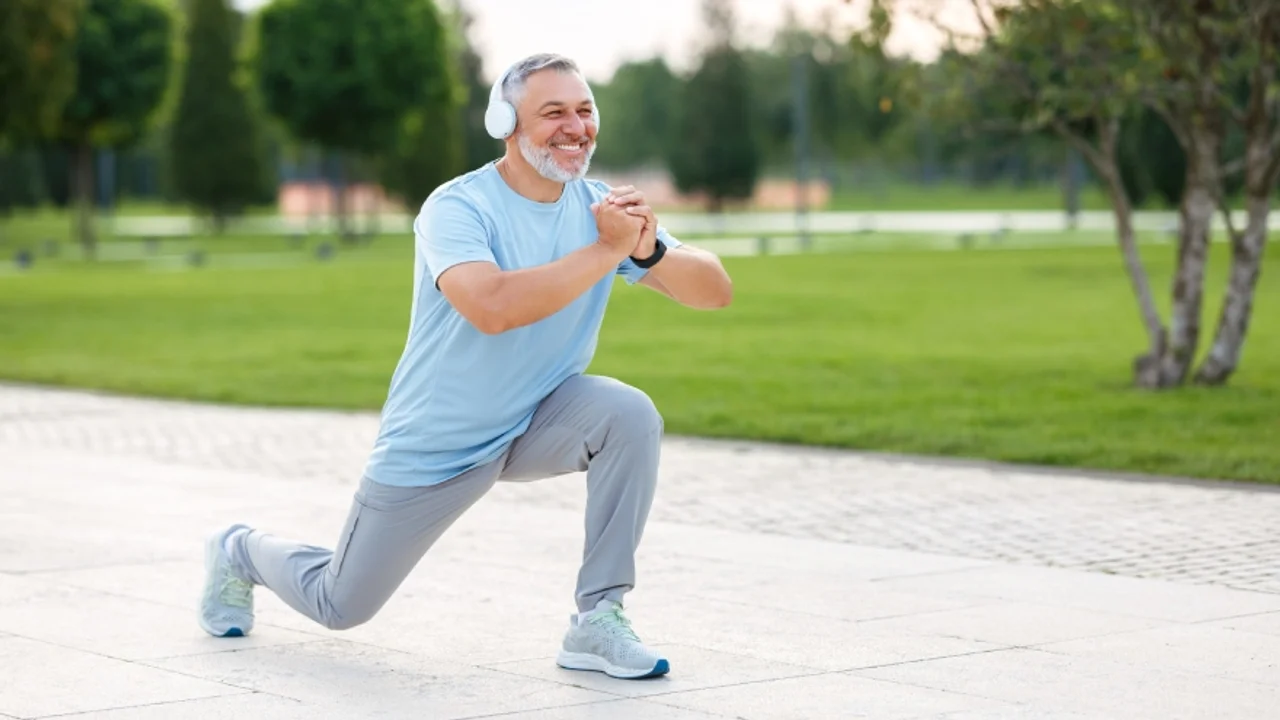
A 62-year-old office manager came to us with lower back pain, right-sided hip pain, and calf tightness after 10 minutes of walking. Leaning forward over a shopping cart felt better—a classic stenosis pattern. After an exam and imaging review, we began SART with spatial correction, added gentle Chuna mobilizations, and introduced a three-exercise home plan.
In four weeks, his walking tolerance doubled without provoking symptoms. By week eight, he reported no pain during 30-minute walks and returned to gardening—without the fear that every step would “pinch.” Every case is unique, but this is the kind of steady, sustainable improvement we aim for.
Conditions we commonly treat at Banpo Newborn Korean Medicine Clinic
Many patients come for Back pain, Backache, or Lower back pain, and discover how interconnected the body really is. We routinely care for:
Spinal Stenosis and Lumbar Spinal Stenosis
Disc Herniation, Herniated Disc, Slipped Disc
Neck pain, Neck stiffness, Neck ache
Shoulder pain, Shoulder stiffness, Frozen shoulder
Pelvic pain, Pelvic discomfort, hip pain
Scoliosis (adolescent and adult)
Temporomandibular Joint (TMJ) issues, including TMJ Syndrome and TMJ Disorder
Torticollis, Wry Neck, Dystonia, and Muscle Dystonia patterns related to cervical misalignment
Tinnitus, Headache, and Chronic Headache associated with cervicogenic and TMJ factors
When appropriate, we coordinate with other healthcare providers to ensure you receive comprehensive care.
What your first session looks like
Booking your first session at Banpo Newborn Korean Medicine Clinic is the first step to taking back control. Here’s a simple overview:
Listening & history: We want your full story—when pain started, how it behaves, what helps, what makes it worse, and your goals.
Targeted testing: Posture, movement, joint mobility, neurological screening, and, if necessary, TMJ assessment.
Clear plan: You’ll know our working diagnosis, the likely driver of your symptoms (for example, lateral recess vs. central canal narrowing in Lumbar Spinal Stenosis), and a stepwise plan.
First treatment: Many patients receive SART with spatial correction and Chuna techniques on day one, plus 1–2 home drills you can do in minutes.
Progress check: We set simple metrics—walking tolerance, sit-time without pain, morning stiffness—to track your improvement.
We value precision and gentleness. Treatments are tailored, not templated.
Why choose non-surgical care first?
Safety: Non-invasive care avoids the risks and downtime of surgery whenever a conservative path is appropriate.
Function first: We restore alignment and movement patterns in the lumbar spine, hips, and rib cage so your body can support you again.
Whole-body impact: Correcting the spine can reduce compensations that drive Neck pain, Headache, TMJ Disorder, and even shoulder stiffness.
Sustainable results: When you move better, you load tissues correctly and your improvements last.
If surgery becomes necessary, you’ll enter it stronger and often require less rehabilitation afterward.
Lower back pain vs. stenosis vs. discs: understanding the difference
Lower back pain / Backache / Lumbar pain: A symptom. Causes range from muscular strain to joint irritation or nerve compression.
Spinal Stenosis / Lumbar Spinal Stenosis: Narrowing of the spaces where nerves travel. You may notice relief when bending forward and discomfort when standing upright or walking for long periods.
Disc Herniation / Herniated Disc / Slipped Disc: A disc bulge or herniation can irritate adjacent nerves, often producing radiating pain, numbness, or weakness.
You don’t have to sort this out alone. Dr. Ungjin Im and our team will identify what’s really driving your symptoms and explain it in plain language.
The TMJ–spine connection
The Temporomandibular Joint (TMJ) and cervical spine form a functional pair. When the neck and base of the skull are misaligned, the jaw often compensates. That’s why some patients with Neck stiffness or Scoliosis also report Tinnitus, Headache, or TMJ Syndrome. At our clinic, we evaluate these systems together and correct the sequence, not just the symptom.
Simple daily habits that help
More Medical Articles
Continue reading clinical insights from Banpo Newborn Korean Medicine Clinic.

Why Seoul is the Global Hub for Minimally Invasive Vertigo Treatment
Dizziness and vertigo are among the most common reasons for hospital visits in South Korea, affecting nearly 16.7% of the adult population annually according to the Korea National Health and Nutrition Examination Survey (KNHANES).
Learn More

Tinnitus Relief in Seoul: Multidisciplinary Upper Cervical Care
For many, the sound of silence is replaced by a persistent ringing, buzzing, or hissing. In South Korea, this is more than an individual annoyance; it is a significant public health trend.
Learn More

Success Rates of SART for OPLL Compared to Standard Laminectomy in Korea
The prevalence of Ossification of the Posterior Longitudinal Ligament (OPLL) in East Asian populations, particularly in South Korea, is significantly higher than in Western countries, affecting approximately 2% to 4% of the population according to nationwide...
Learn More