SART Whole-Body Spinal Alignment, Chuna Therapy & International Patient Concierge
30+ Years Clinical Experience
en-US


Korean Medicine Guide
Don’t Let Lumbar Pain Limit Your Movement – Try Oriental Therapy Today
Struggling with lumbar pain? At Banpo Newborn Korean Medicine Clinic in Seoul, Dr. Ungjin Im offers safe Oriental Therapy to restore movement and health.
Schedule a Consultation
Introduction
Lumbar pain—commonly called lower back pain—is one of the most widespread health concerns worldwide. Whether from long hours at a desk, heavy lifting, poor posture, or age-related degeneration, lumbar pain can severely limit daily movement, reduce quality of life, and lead to chronic disability if left untreated.
While many patients turn to medications or even surgery, a growing number are seeking safer, non-invasive, and holistic alternatives. At Banpo Newborn Korean Medicine Clinic in Seoul, Dr. Ungjin Im, a leading doctor of Korean Medicine with more than 30 years of clinical experience, offers advanced Oriental Therapy that restores spinal health naturally. His expertise in spinal correction, rehabilitation, and holistic healing has helped tens of thousands of patients regain freedom of movement without the risks of surgical procedures.
This article explores why lumbar pain occurs, how Oriental Therapy addresses its root causes, and why Banpo Newborn Oriental Medical Clinic is the trusted destination for patients seeking long-lasting relief.
Understanding Lumbar Pain
The lumbar spine, located in the lower back, supports most of the body’s weight and absorbs daily physical stress. It is also the most flexible part of the spine, making it prone to injury and degeneration.
Common Causes of Lumbar Pain
Poor posture from prolonged sitting or computer work
Muscle strain from lifting heavy objects incorrectly
Herniated or bulging discs pressing on nerves
Degenerative disc disease from aging
Spinal stenosis (narrowing of the spinal canal)
Scoliosis or spinal misalignment
Stress and tension that accumulate in the lower back
Symptoms Patients Experience
Aching or stiffness in the lower back
Sharp or radiating pain into the hips and legs (sciatica)
Limited mobility when bending or twisting
Pain that worsens after sitting or standing for long periods
Weakness or numbness in the lower body
Lumbar pain is not just uncomfortable—it can disrupt sleep, productivity, and overall well-being.
Why Conventional Treatments Often Fall Short
Most conventional treatments focus on short-term symptom relief:
Painkillers mask pain but do not address the root cause.
Injections reduce inflammation temporarily.
Surgery carries risks, high costs, and lengthy recovery.
Unfortunately, many patients find their lumbar pain returns because the underlying spinal misalignment or muscular imbalance remains uncorrected.
What Oriental Therapy Reveals About Lumbar Pain
In Oriental Medicine (Korean Medicine), lumbar pain is not seen as a single mechanical issue but as a reflection of imbalances in the spine, energy flow (Qi), and circulation.
Key Principles
The lumbar region is closely linked to kidney energy in Korean Medicine theory. Weakness or imbalance here manifests as lower back pain.
Qi stagnation and blood stagnation around the spine cause pain, stiffness, and restricted movement.
Misaligned vertebrae disrupt not only posture but also nervous system function and organ health.
Oriental Therapy therefore emphasizes:
Correcting spinal alignment
Restoring circulation and energy flow
Strengthening supportive muscles and ligaments
Preventing recurrence through whole-body balance
Specialized Oriental Therapies at Banpo Newborn Korean Medicine Clinic
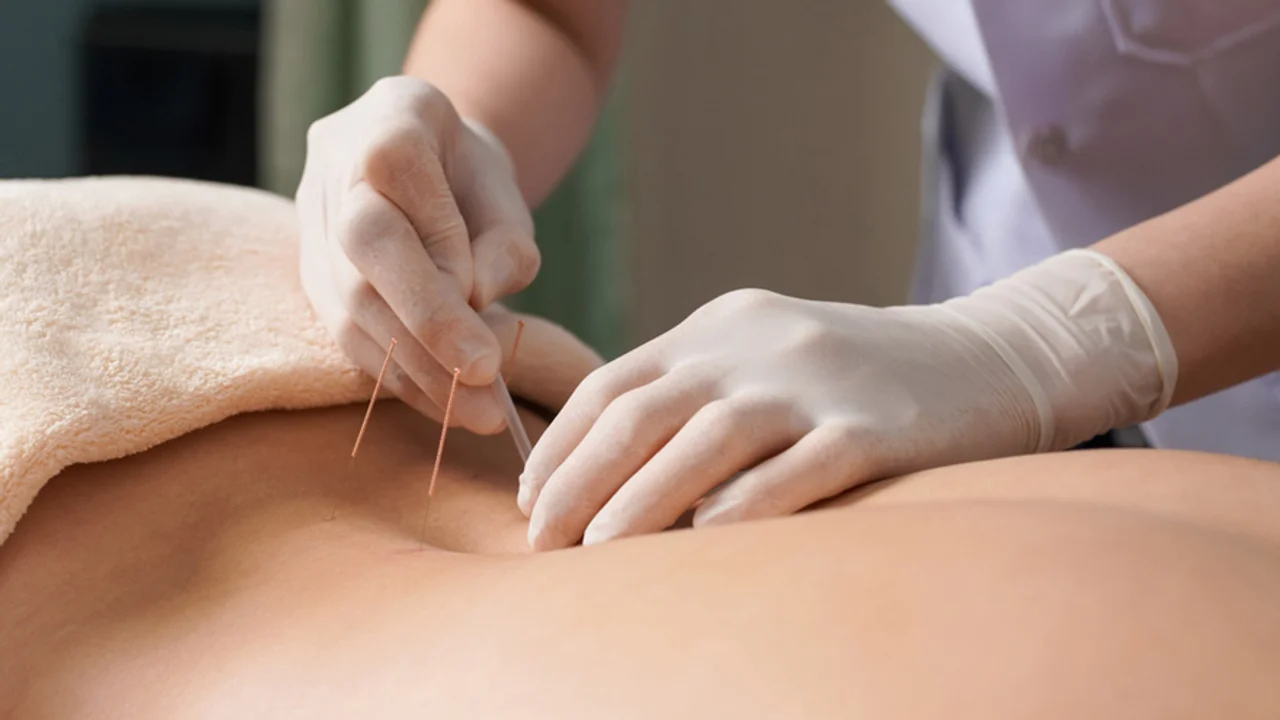
Under the expertise of Dr. Ungjin Im, patients receive personalized programs that integrate traditional Korean Medicine with advanced spinal correction techniques.
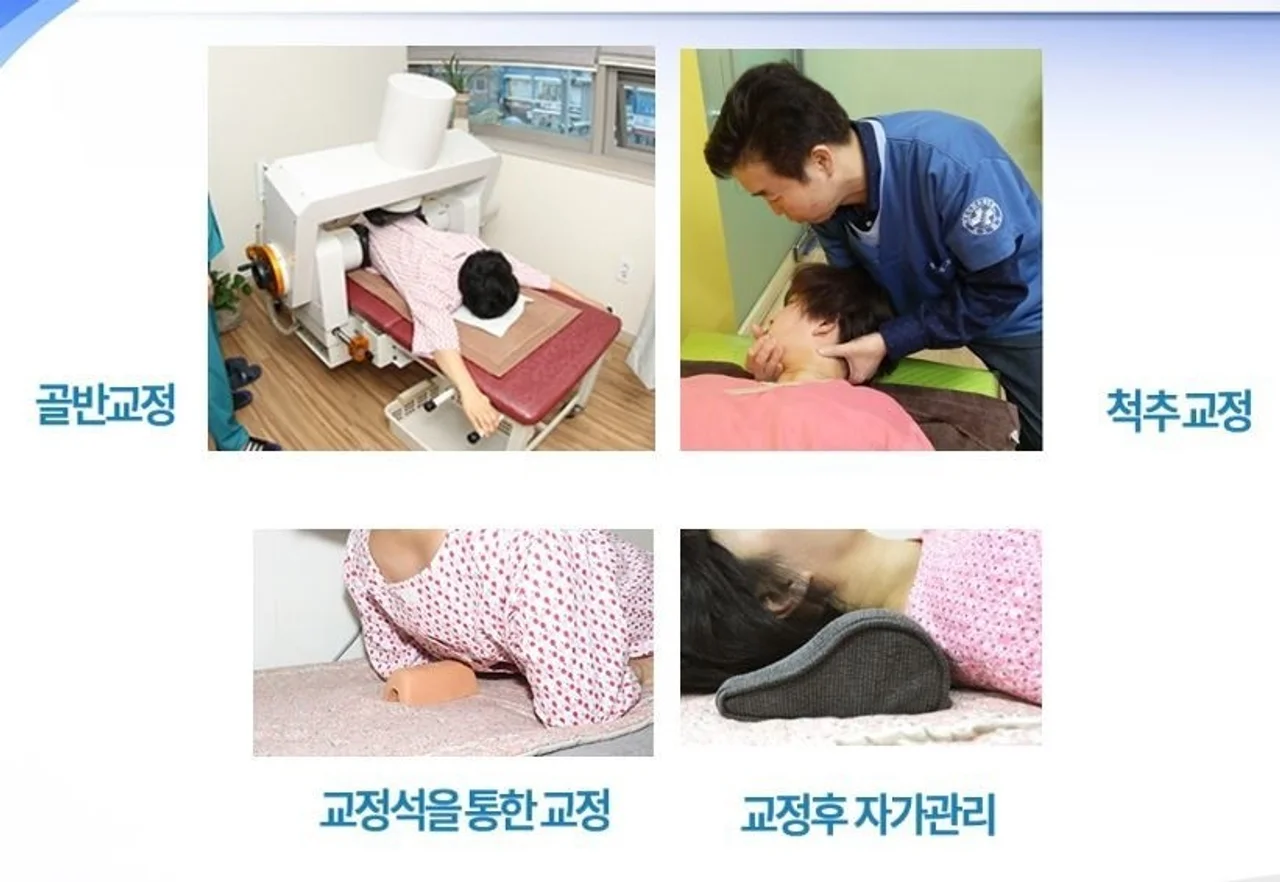
1. Spinal Alignment Restoration Therapy (SART)
Developed and certified by Dr. Im
Uses specialized tools like therapeutic hammers and alignment rods
Provides precise, minimally invasive corrections of chronically misaligned vertebrae
Studied at Korea University’s ERC Center for safety and precision
2. Spatial Spinal Correction
Goes beyond traditional chiropractic or Chuna methods
Aligns the entire spinal system—cervical, thoracic, lumbar, pelvic, and cranial
Ensures lumbar health by addressing imbalances across the body
3. Chuna Manual Therapy
A gentle, evidence-based Korean Medicine manipulation
Relieves muscle tension and stiffness
Restores natural lumbar mobility
4. Acupuncture and Pharmacopuncture
Targets blocked meridians and inflamed muscles
Relieves sciatica, disc-related pain, and chronic stiffness
Enhances blood flow and energy circulation
5. Herbal Medicine and Cupping
Strengthens lumbar-supporting muscles and ligaments
Reduces inflammation naturally
Provides long-term pain management without side effects
6. Korean Medicine Physical Therapy
Infrared therapy, hot packs, and posture correction tools
Promotes faster recovery and spinal stabilization
Why Patients Shouldn’t Ignore Lumbar Pain
Progression of Untreated Pain
Mild stiffness can develop into herniated discs or spinal stenosis
Chronic pain leads to compensatory postures, worsening misalignment
Nerve compression may cause permanent numbness or weakness
Impact on Daily Life
Restricted ability to walk, bend, or sit comfortably
Sleep disruption and fatigue
Emotional distress and reduced productivity
Early Oriental Therapy intervention prevents lumbar pain from becoming a lifelong burden.
Dr. Ungjin Im: Over 30 Years of Expertise
Background & Qualifications
Ph.D. in Korean Medicine – Kyung-Hee University Graduate School of East-West Medicine
Master’s in Rehabilitation Medicine – Dongguk University
Bachelor’s in Korean Medicine – Dongguk University
Director & Founder of Banpo Newborn Oriental Medical Clinic
Clinical Achievements
Performed tens of thousands of spinal correction treatments accident-free
Developed SART, certified and validated through research
Founding Academic Director of the Spinal Dao-In Alignment Association
Published multiple studies on spinal health and manual therapies
Recognition
Korea Consumer Excellence Grand Prize (2018)
Merit Award from the Association of Korean Medicine (2020)
Certified provider for international patients
Patients across Seoul and beyond trust Dr. Im for his precision, innovation, and safety record.
Case Studies: Oriental Therapy Success
Case 1: Chronic Lumbar Pain in an Office Worker
A 39-year-old suffered constant lumbar pain from prolonged sitting. After 10 sessions of SART and acupuncture, mobility returned, and pain resolved without surgery.
Case 2: Sciatica from Herniated Disc
A 55-year-old with radiating leg pain was considering surgery. Spatial spinal correction combined with herbal medicine relieved nerve compression, and surgery was avoided.
Case 3: Elderly Patient with Degenerative Lumbar Disease
At 72, a patient regained walking ability after Chuna therapy and cupping, reporting less stiffness and improved balance.
FAQs on Lumbar Pain and Oriental Therapy
Q: Can Oriental Therapy replace surgery for lumbar pain?
In many cases, yes. Patients often avoid surgery with early and consistent Korean Medicine treatments.
Q: How many sessions are required?
Programs typically include 10 or 20 sessions, customized to each patient’s severity and recovery pace.
Q: Is the treatment painful?
No. Corrections are gentle, precise, and adapted to patient comfort.
Q: How does Oriental Therapy prevent recurrence?
By strengthening ligaments, improving posture, and teaching self-care tools, long-term stability is achieved.
Q: Can international patients receive care?
Yes. The clinic provides English, Korean, and Chinese language support, and its location near Banpo Station is accessible for both locals and travelers.
Location and Accessibility
Banpo Newborn Oriental Medical Clinic is located on the 5th floor of the New Town Shopping Center near Exit 6 of Banpo Station in Seoul.
Easily reachable via Seoul’s subway system
Convenient for international patients traveling from Incheon or Gimpo Airports
A central hub for holistic spinal care in Korea
Why Patients Choose Banpo Newborn Korean Medicine Clinic
30+ Years of Clinical Experience – led by Dr. Ungjin Im
Proven Safety Record – tens of thousands of accident-free treatments
Innovative Therapies – SART and Spatial Spinal Correction
Comprehensive Programs – personalized treatment plans (10–20 sessions)
Whole-Body Healing – integrating spinal correction with Oriental Medicine therapies
Trusted Reputation – awards, research contributions, and international recognition
Conclusion
Don’t let lumbar pain limit your movement, independence, or quality of life. Instead of masking symptoms with medications or facing the risks of surgery, explore the safe, effective, and holistic path of Oriental Therapy.
At Banpo Newborn Korean Medicine Clinic in Seoul, Dr. Ungjin Im has spent over three decades perfecting treatments that restore spinal balance, relieve lumbar pain, and help patients return to active, pain-free living. Through a combination of SART, spatial spinal correction, Chuna therapy, acupuncture, and herbal medicine, patients achieve results that last.
If lumbar pain is holding you back, it’s time to act. Experience the difference that evidence-based Korean Medicine can make—and rediscover the freedom of movement today.
More Medical Articles
Continue reading clinical insights from Banpo Newborn Korean Medicine Clinic.

Why Seoul is the Global Hub for Minimally Invasive Vertigo Treatment
Dizziness and vertigo are among the most common reasons for hospital visits in South Korea, affecting nearly 16.7% of the adult population annually according to the Korea National Health and Nutrition Examination Survey (KNHANES).
Learn More

Tinnitus Relief in Seoul: Multidisciplinary Upper Cervical Care
For many, the sound of silence is replaced by a persistent ringing, buzzing, or hissing. In South Korea, this is more than an individual annoyance; it is a significant public health trend.
Learn More

Success Rates of SART for OPLL Compared to Standard Laminectomy in Korea
The prevalence of Ossification of the Posterior Longitudinal Ligament (OPLL) in East Asian populations, particularly in South Korea, is significantly higher than in Western countries, affecting approximately 2% to 4% of the population according to nationwide...
Learn More