SART Whole-Body Spinal Alignment, Chuna Therapy & International Patient Concierge
30+ Years Clinical Experience
en-US


Korean Medicine Guide
Epigenetics in Tic Disorders: The Future of Cell-Therapy Tech
Recent healthcare data highlights a significant shift in pediatric neurology across South Korea.
Schedule a ConsultationRecent healthcare data highlights a significant shift in pediatric neurology across South Korea. According to reports on the South Korean regenerative medicine market—which is valued at approximately USD 474.4 million in 2024 and projected to grow at an 18% CAGR through 2030—there is an increasing demand for treatments that move beyond simple symptom suppression. For families navigating Tic Disorders and Tourette’s Syndrome, the traditional reliance on pharmaceuticals is being challenged by a deeper understanding of epigenetics.
At Banpo Newborn Korean Medicine Clinic, we recognize that Tic Disorders are not merely "bad habits" or isolated muscle movements. They are complex neurological expressions influenced by a child's environment, nutrition, and internal physiological balance. Epigenetics—the study of how behaviors and environment cause changes that affect the way genes work—is now at the forefront of how we approach pediatric care in Korea, offering a bridge between traditional wisdom and modern cellular science.
Tic Disorder Treatment in Korea: Costs, Root Causes, and Long-Term Outcomes
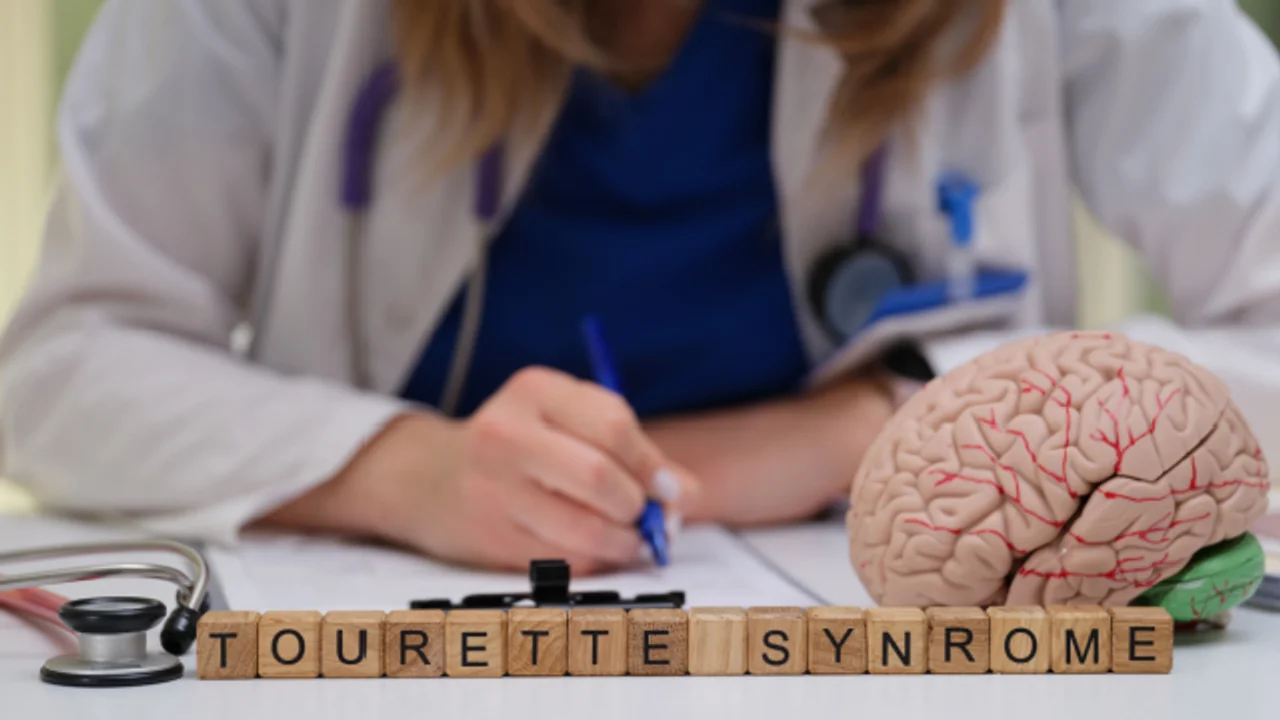
How does epigenetics influence Tic Disorders?
Unlike genetic blueprints which are fixed, epigenetic markers are fluid. In Korea, where academic pressure and environmental stressors can be high, these external factors often "trigger" neurological vulnerabilities. By addressing the Root-Cause Resolution, clinics can aim to stabilize the nervous system at a cellular level rather than just masking the motor or vocal tics.
Is advanced neurological care in Korea worth the cost?
While the initial cost of specialized Korean Medicine protocols may be higher than monthly prescriptions, the focus on long-term neurological stability often reduces the "lifetime cost" of care. By targeting the root cause through constitutional medicine, families may avoid years of escalating pharmaceutical costs and the socio-economic burden of chronic symptoms.
Current Standard Approaches & Their Limitations
For many years, the standard "ladder" for Tic Disorders in Korea followed a predictable path. While these methods provide temporary relief, they often come with significant trade-offs for a developing child.
Pharmacological Intervention: Use of dopamine antagonists or alpha-agonists.
- Pros: Rapid reduction in tic frequency.
- Cons: Side effects including drowsiness, weight gain, and "brain fog."
Behavioral Therapy (CBIT): Habit reversal training.
- Pros: Non-invasive, no side effects.
- Cons: Requires high levels of focus and compliance, which is difficult for younger children or those with comorbid ADHD.
The "Wait and See" Method:
- Pros: Zero immediate cost.
- Cons: Risks the "kindling effect," where neurological pathways for tics become more ingrained over time, leading to higher re-intervention rates in adolescence.
The Innovative Approach: Constitutional Neuro-Regeneration
The most relevant advanced treatment for Tic Disorders at Banpo Newborn is Constitutional Neuro-Regeneration (CNR), driven by the principles of Immune & Brain Synchronization. This approach focuses on the "cell-therapy" of the internal environment—optimizing the body's own ability to regulate neurotransmitters through highly specific, individualized protocols.
How Constitutional Neuro-Regeneration Works:
- Precision Herbal Extraction: Using high-purity Hanyak (Korean herbal medicine) tailored to the child’s specific "Sasang" constitution to modulate the epigenetic triggers of neuro-inflammation.
- Non-Invasive Stimulation: Utilizing So-chi (Pediatric Acupuncture) to stimulate neurological pathways without the trauma of traditional needles, which is essential for maintaining a calm "healing state."
- Biochemical Balance: Improving gut-brain axis health to ensure the precursors for calming neurotransmitters (like GABA) are naturally abundant.
Data & Outcomes: Anchoring Treatment in Numbers
The shift toward regenerative-style protocols is backed by a growing body of evidence regarding patient satisfaction and functional recovery.
| Feature | Conventional Pharmaceutical Path | Constitutional Neuro-Regeneration (CNR) |
|---|---|---|
| Primary Goal | Symptom Suppression (Dopamine Block) | Neurological Stabilization & Growth |
| Side Effect Profile | High (Drowsiness, Metabolic changes) | Minimal to None (Natural/Non-toxic) |
| Treatment Frequency | Daily (Indefinite) | Structured Phases (3–12 months) |
| Long-term Function | Dependency-based | Improvement in focus and immunity |
| Korea Market Trend | Declining preference for long-term meds | 18% CAGR growth in natural/tech care |
Local Korea Insights: The "High-Precision" Expectation
Korean parents are among the most informed healthcare consumers globally. There is a local trend toward minimally invasive and toxin-free care, driven by:
- The Special Act on Regenerative Medicine: Recent Korean legislation that encourages the development of advanced biopharmaceuticals and cell-based therapies.
- Fast Recovery Needs: A high-speed society requires treatments that don't interfere with a child's education or social development.
- Multidisciplinary Preference: A growing number of families now prefer clinics that combine the diagnostic precision of modern tech with the holistic safety of traditional medicine.
Where Banpo Newborn Korean Medicine Clinic Fits in Tic Disorder Care
Banpo Newborn Korean Medicine Clinic specializes in the intersection of epigenetics and pediatric neurology. Our role is to provide a "third way" for families who are unsatisfied with the side effects of conventional medicine but require more than just general wellness advice.
- Our Expertise: Dr. Ungjin Im with years of specialized focus on Developmental Disorders, our clinic utilizes a proprietary protocol that aligns with the latest research in neuro-regeneration.
- Precision Delivery: We use Constitutional Medicine to ensure that every herbal prescription is a "precision fit" for the child’s unique genetic expression.
- Safety Standards: Our Hanyak is processed in facilities that meet rigorous Korean safety standards, ensuring that "cell-therapy" via nutrition is both potent and pure.
By integrating tradition with modern epigenetic insights, Banpo Newborn Korean Medicine Clinic serves as a leader in high-tech, root-cause pediatric care in Seoul.
Conclusion
Tic Disorders in Korea are a significant burden, affecting a child's confidence and a family's peace of mind. While conventional care focuses on the "tic" itself, the future of medicine lies in epigenetics and neuro-regeneration—addressing the environment in which the nervous system develops. Constitutional Neuro-Regeneration represents a vital, minimally invasive option for those seeking long-term functional recovery without the risks of heavy medication.
Patients and families considering Constitutional Neuro-Regeneration in Korea can schedule a consultation at Banpo Newborn Korean Medicine Clinic to discuss whether this approach may be suitable for their specific condition and goals.
More Medical Articles
Continue reading clinical insights from Banpo Newborn Korean Medicine Clinic.

Why Seoul is the Global Hub for Minimally Invasive Vertigo Treatment
Dizziness and vertigo are among the most common reasons for hospital visits in South Korea, affecting nearly 16.7% of the adult population annually according to the Korea National Health and Nutrition Examination Survey (KNHANES).
Learn More

Tinnitus Relief in Seoul: Multidisciplinary Upper Cervical Care
For many, the sound of silence is replaced by a persistent ringing, buzzing, or hissing. In South Korea, this is more than an individual annoyance; it is a significant public health trend.
Learn More

Success Rates of SART for OPLL Compared to Standard Laminectomy in Korea
The prevalence of Ossification of the Posterior Longitudinal Ligament (OPLL) in East Asian populations, particularly in South Korea, is significantly higher than in Western countries, affecting approximately 2% to 4% of the population according to nationwide...
Learn More