SART Whole-Body Spinal Alignment, Chuna Therapy & International Patient Concierge
30+ Years Clinical Experience
en-US

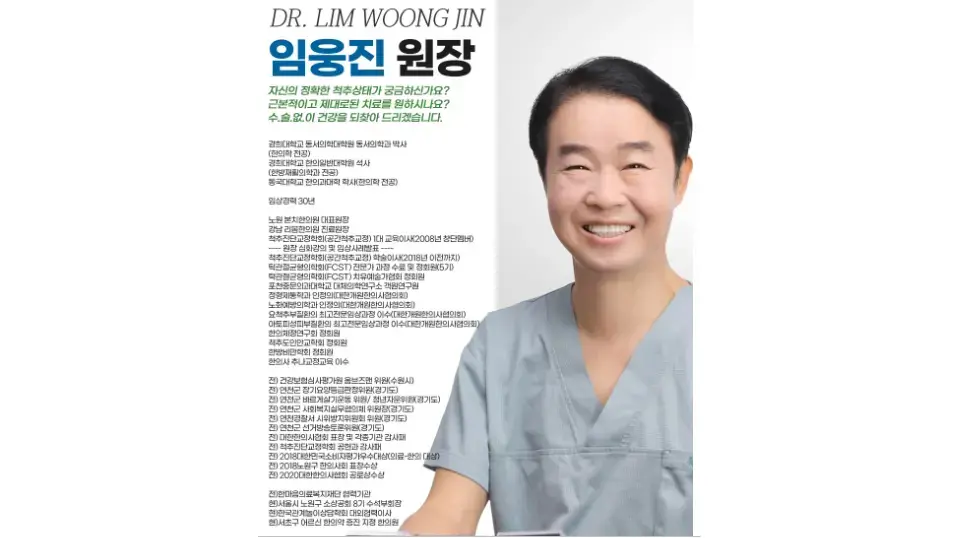
Korean Medicine Guide
Facial Paralysis! How to Treat It Without Aftereffects?
Facial Paralysis — Early Treatment Is Key! Learn how to recover without complications and discover the most effective treatment options. Don’t wait — find out now!
Schedule a ConsultationFacial paralysis occurs when the facial nerve, responsible for controlling facial muscles, is damaged or its function is impaired. This condition results in the inability to move facial muscles on one or both sides of the face, making it difficult to perform basic expressions such as closing the eyes or moving the lips.
The most common type of facial paralysis is “Bell’s palsy,” which occurs due to a virus infection of unknown origin. There is also “stroke,” where nerve damage from cerebrovascular disease causes facial muscle paralysis. Other causes include trauma from car accidents or surgery, viral infections such as herpes and shingles that cause inflammation of the facial nerve, tumors such as brain tumors or growths near the ear that compress the facial nerve, and autoimmune diseases such as multiple sclerosis (MS) or Guillain-Barré syndrome, which damage nerves through immune-related neuritis.
Although symptoms of facial paralysis vary depending on the cause, they generally include restricted movement of facial muscles on one or both sides, incomplete eyelid closure (causing ptosis and dry eyes), asymmetrical mouth and drooling, changes in taste and hearing, disappearance of forehead wrinkles and facial asymmetry, and pain behind the jaw or near the ear.
If treatment is delayed or initial treatment is not effective, incomplete recovery and functional sequelae may remain.
Incomplete recovery can lead to increased stress due to facial asymmetry, trembling lips and unnatural expressions when smiling, and accelerated aging due to facial muscle atrophy. In addition, inability to close the eyes due to fluttering sensations may cause dry eyes, leading to conjunctivitis and keratitis. The eyes may tear up easily when going outside due to wind. Poor control of oral and abdominal pressure may result in speech becoming unclear, among other complications.
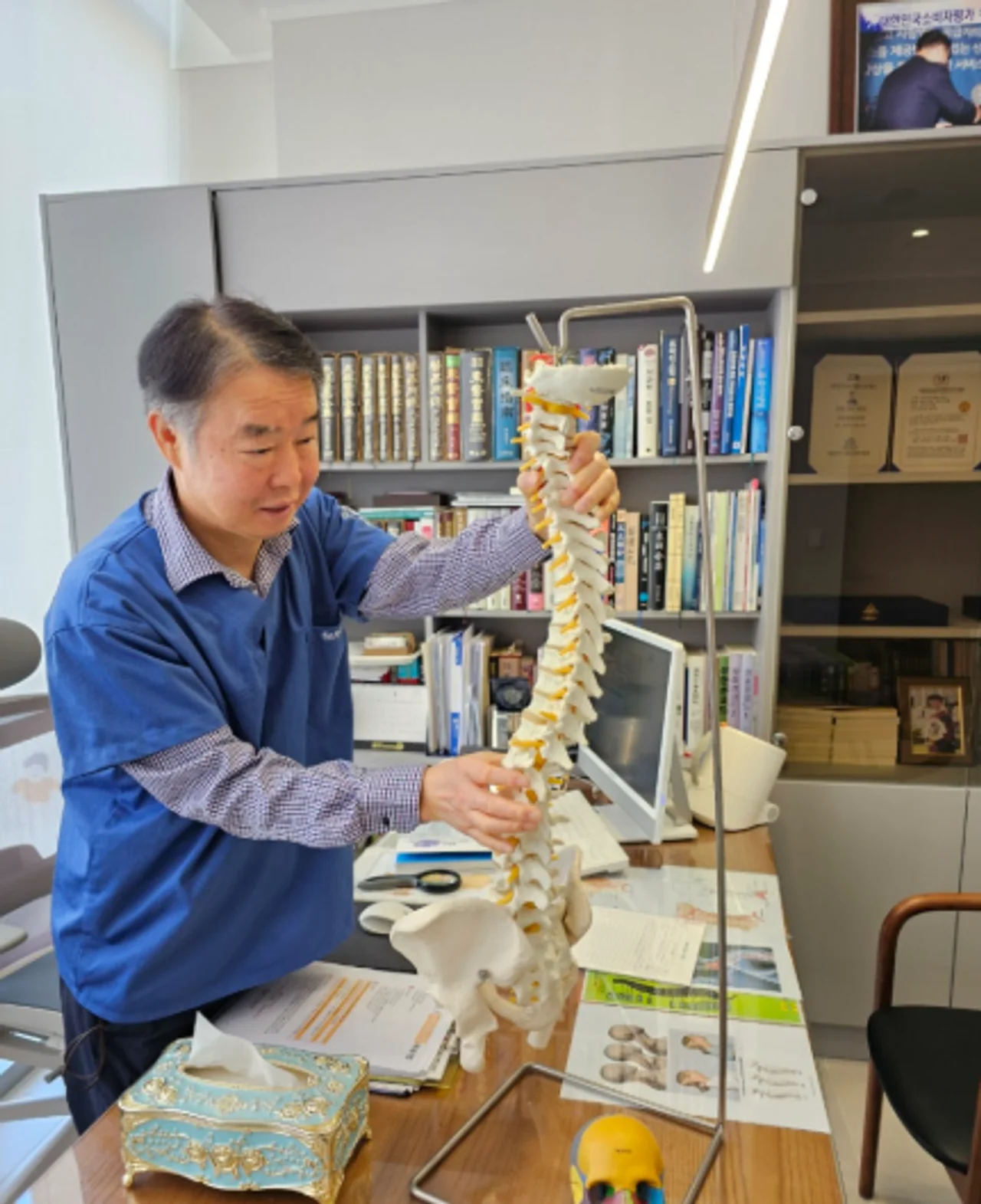
Looking at the relationship between the cervical spine and facial paralysis, the cervical spine (neck bones) plays an important role in nerves and blood circulation. When it is misaligned or tense, it can affect the facial nerves, worsening or recurring facial paralysis.
In particular, the first and second cervical vertebrae are connected to the autonomic nervous system and may interfere with the function of facial nerves. Therefore, correcting cervical spine issues may help in the recovery of facial paralysis.
Currently, various treatment methods are used for facial paralysis, but some limitations remain. Western medical drug therapy involves the use of steroids and antiviral drugs, but the effectiveness can vary among individuals, and long-term use is difficult.
Physical therapy and rehabilitation involve electric stimulation and massage, but if the nerve is already damaged, the effects may be limited. Surgical treatments include nerve grafts and muscle transplants, but these are invasive and have long recovery periods. Traditional Korean medicine treatments such as acupuncture, moxibustion, and herbal acupuncture help improve blood flow and promote nerve regeneration, but it may be difficult to fully reverse fundamental nerve damage.
Therefore, to fundamentally resolve facial paralysis, it is necessary to consider not only symptom relief but also nerve recovery and overall body balance.
If treatment begins within the first 72 hours of onset and cervical spine and posture correction are applied to balance the cervical vertebrae, the chances of restoring facial nerve function greatly increase. A combined treatment approach that uses both Western medicine and Korean traditional medicine, tailored to each individual, is effective.
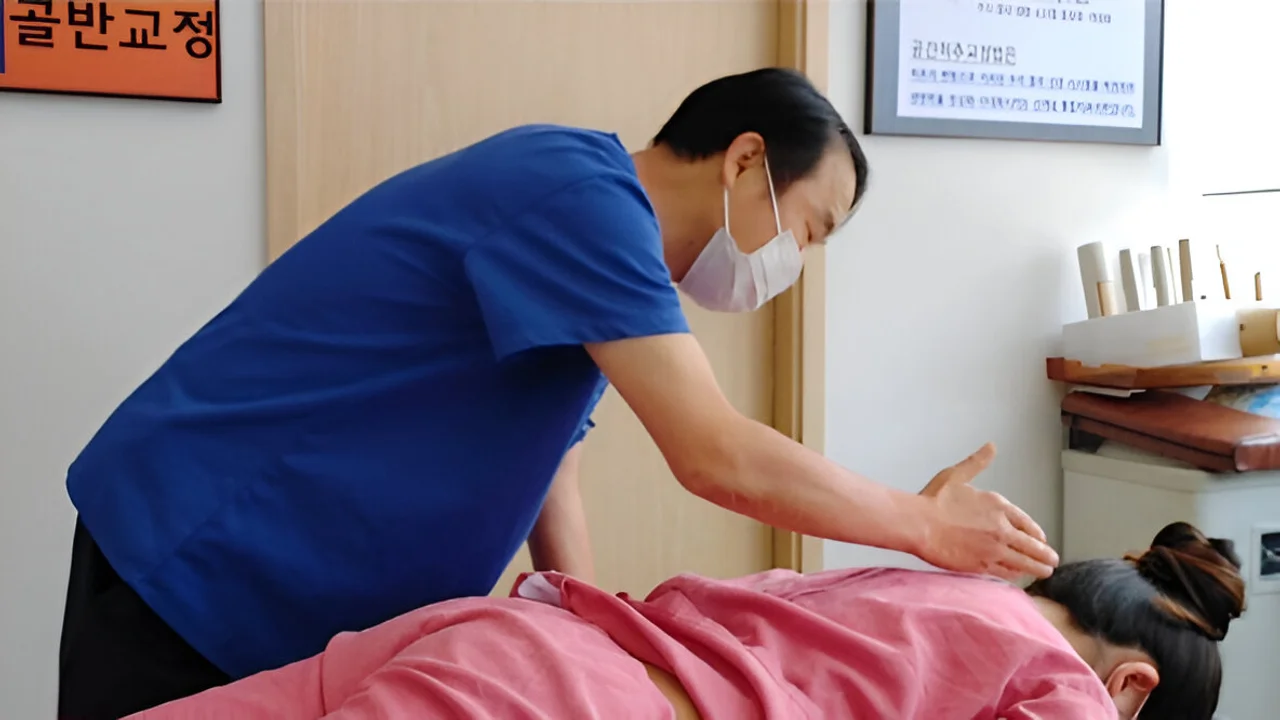
“Facial paralysis is not a temporary issue. If left untreated or managed inadequately, it can result in serious long-term consequences. Overcoming the limitations of traditional methods requires an integrated treatment plan—personalized herbal medicine for nerve healing, spinal alignment therapy, and muscle rehabilitation. Early diagnosis and consistent care are key to recovery, so immediate medical evaluation is essential when facial paralysis is suspected.”
More Medical Articles
Continue reading clinical insights from Banpo Newborn Korean Medicine Clinic.

Why Seoul is the Global Hub for Minimally Invasive Vertigo Treatment
Dizziness and vertigo are among the most common reasons for hospital visits in South Korea, affecting nearly 16.7% of the adult population annually according to the Korea National Health and Nutrition Examination Survey (KNHANES).
Learn More

Tinnitus Relief in Seoul: Multidisciplinary Upper Cervical Care
For many, the sound of silence is replaced by a persistent ringing, buzzing, or hissing. In South Korea, this is more than an individual annoyance; it is a significant public health trend.
Learn More

Success Rates of SART for OPLL Compared to Standard Laminectomy in Korea
The prevalence of Ossification of the Posterior Longitudinal Ligament (OPLL) in East Asian populations, particularly in South Korea, is significantly higher than in Western countries, affecting approximately 2% to 4% of the population according to nationwide...
Learn More