SART Whole-Body Spinal Alignment, Chuna Therapy & International Patient Concierge
30+ Years Clinical Experience
en-US

Korean Medicine Guide
Feel Like You’ve Tried Everything for Your Neck Pain? Try This Next
Persistent neck pain despite treatments? Discover the next proven step for lasting neck pain relief with advanced, non-surgical, evidence-based care.
Schedule a ConsultationFeel Like You’ve Tried Everything for Your Neck Pain? Try This Next
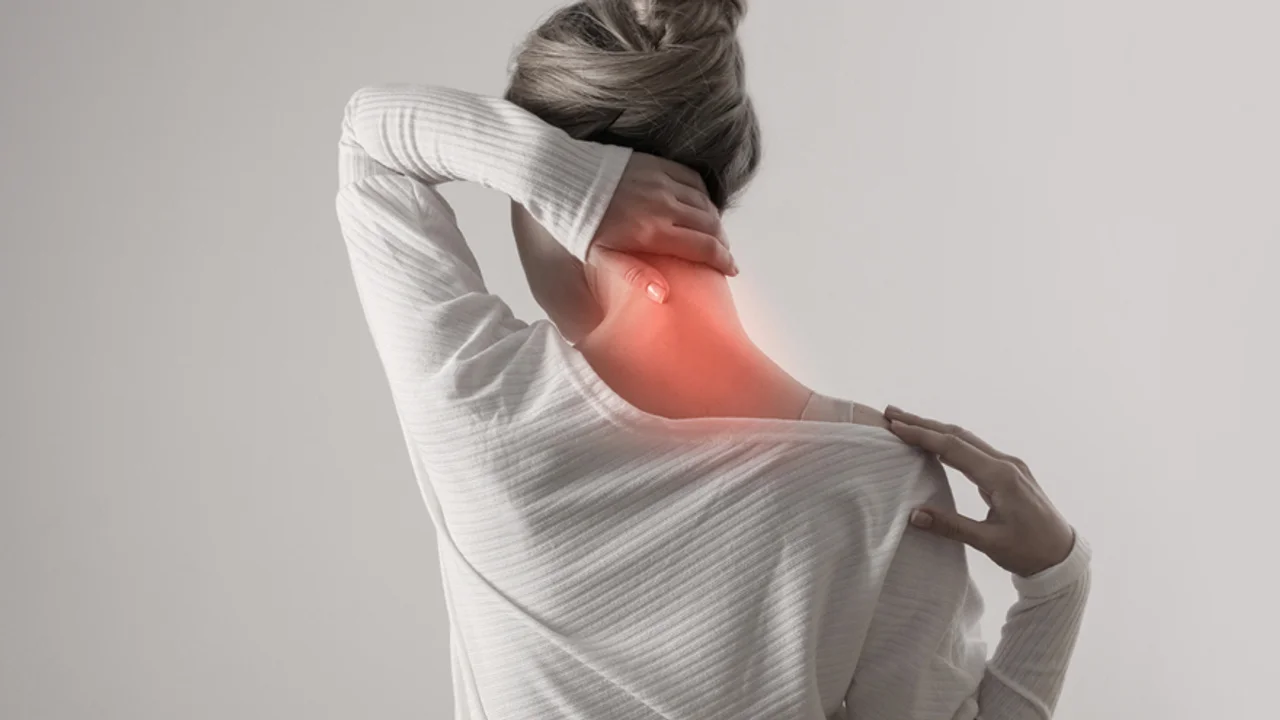
Have you ever reached the point where you sigh every morning before getting out of bed because your neck already hurts?
You’ve tried stretching videos on YouTube. You’ve switched pillows—memory foam, cervical, even the expensive one your friend swore by. Maybe you’ve done physical therapy, taken painkillers, or endured endless massages that felt good for a day… and then the pain crept back.
If this sounds familiar, you’re not alone. At Banpo Newborn Korean Medicine Clinic, we meet people every week who say the same thing:
“I’ve tried everything. Why is my neck pain still here?”
To be honest, this question is exactly where real healing begins—not because you’ve failed, but because the problem may never have been your neck alone.
When Neck Pain Becomes a Way of Life
Neck pain rarely starts dramatically.
For many people, it begins as stiffness after long hours at a desk, scrolling on a phone, or driving in traffic. Over time, that stiffness turns into:
Persistent tightness around the neck and shoulders
Headaches that start at the base of the skull
Pain that radiates into the arms or upper back
Dizziness, jaw discomfort, or even numb fingers
Eventually, the pain becomes part of daily life. You adjust how you sleep, how you work, even how you turn your head. And yet, despite all these adaptations, the discomfort remains.
The most frustrating part?
Most treatments focus only on the painful spot, not the real cause.
Why “Everything You’ve Tried” Hasn’t Worked
Here’s something many patients don’t realize until much later:
Neck pain is often a result, not the root problem.
At Banpo Newborn Korean Medicine Clinic, with over 30 years of clinical experience, we’ve seen that chronic neck pain commonly stems from deeper structural and neurological imbalances—especially those related to the spine as a whole.
Think of your spine like the foundation of a house.
If the foundation tilts, cracks appear elsewhere—doors don’t close properly, walls strain, and stress spreads throughout the structure.
Your neck sits at the top of that foundation.
If the lower spine, pelvis, or even jaw alignment is off, your neck compensates. Over time, those compensations become pain.
This is why treatments that focus only on muscles—like massage or temporary stretching—often provide relief but not resolution.
The Hidden Role of Spinal Alignment in Neck Pain
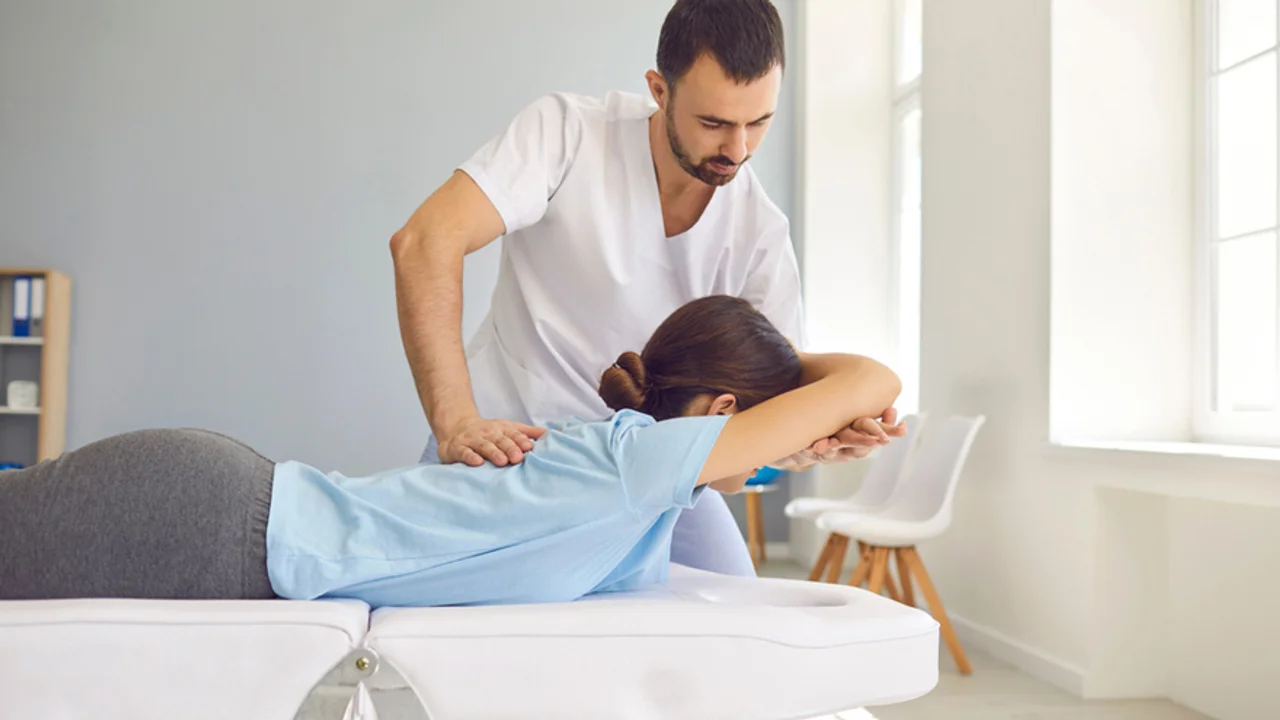
One of the most overlooked causes of chronic neck pain is subtle spinal misalignment.
These misalignments are not always dramatic. You may not have a herniated disc or visible abnormality on imaging. Yet small deviations in spinal position can disrupt:
Muscle balance
Nerve signaling
Blood flow to the head and upper body
When this happens, the neck muscles remain in a constant state of tension, trying to stabilize an unstable system.
Over months or years, this leads to chronic pain, stiffness, and fatigue.
At our clinic, we often say:
“The neck suffers when the spine loses its balance.”
Why Neck Pain Often Returns After Treatment
Many conventional treatments aim to “calm down” pain rather than correct the underlying structure. Painkillers reduce inflammation temporarily. Physical therapy strengthens muscles, but often around a misaligned framework. Even injections may dull symptoms without addressing why the area is stressed in the first place.
This is why patients frequently experience a cycle of:
Temporary relief
Gradual return of pain
Increasing frustration
Breaking this cycle requires a different approach—one that looks at how your body is organized in space, not just where it hurts.
Try This Next: A Whole-Spine Perspective
If you truly feel like you’ve tried everything, the next step is not another isolated neck treatment.
It’s a comprehensive spinal alignment evaluation.
At Banpo Newborn Korean Medicine Clinic, led by Dr. Ungjin Im, we specialize in non-surgical, precise spinal correction rooted in Korean medicine principles and modern biomechanical understanding.
One of our core approaches is Spinal Alignment Restoration Therapy (SART).
Rather than forcing joints or cracking the neck, SART focuses on:
Restoring natural spinal curves
Balancing left-right and front-back asymmetries
Reducing abnormal tension patterns
Allowing nerves to function without compression
When the spine regains its natural alignment, the neck often relaxes on its own—because it no longer has to compensate.
What Makes This Approach Different?
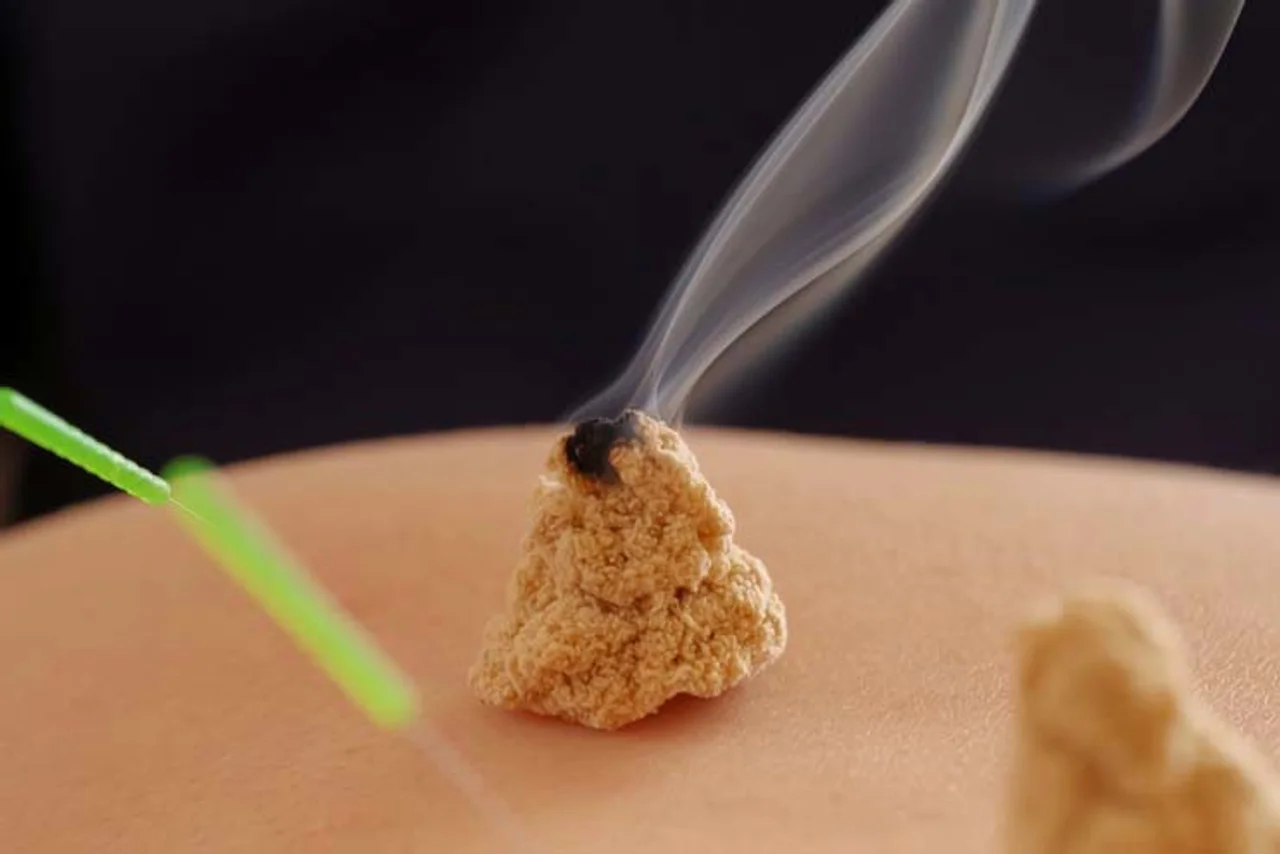
1. We Don’t Chase Pain—We Trace It
Instead of asking, “Where does it hurt the most?” we ask,
“Where did balance begin to fail?”
Many patients with neck pain show underlying issues such as:
Pelvic tilt from long-term sitting
Uneven shoulder height
Jaw misalignment affecting cervical muscles
Old injuries the body never fully recovered from
By addressing these root imbalances, neck pain often improves without aggressive local treatment.
2. Gentle, Non-Invasive, and Precise
At Banpo Newborn, treatment is never about force.
Our spinal correction techniques are:
Non-surgical
Carefully calibrated to the individual
Performed one-on-one with close attention to patient response
Patients often tell us they’re surprised by how subtle the treatment feels—and how profound the changes become over time.
As Dr. Im often says:
“The body does not need to be pushed. It needs to be guided back to balance.”
3. Integrating Chuna Therapy and Korean Medicine
Chuna therapy, a cornerstone of Korean medicine, plays an important role in restoring musculoskeletal harmony. Combined with modern spinal assessment, it allows us to correct imbalances while respecting the body’s natural healing capacity.
This integration helps not only with neck pain, but also with:
Chronic shoulder stiffness
TMJ (jaw) disorders
Headaches and migraines
Postural fatigue
Nerve-related symptoms
What Patients Often Notice First
While every body heals differently, many patients report early changes such as:
A feeling of lightness in the neck and shoulders
Improved range of motion
Reduced morning stiffness
Better sleep quality
Fewer tension headaches
Interestingly, some patients notice improvements in areas they didn’t expect—like breathing more easily or feeling mentally clearer. This reflects how deeply spinal alignment affects the nervous system.
A Realistic Word About Healing
If you’ve lived with neck pain for years, it’s natural to hope for an instant fix.
But long-standing pain usually develops over time—and it deserves a thoughtful, step-by-step approach.
At Banpo Newborn Korean Medicine Clinic, we emphasize long-term recovery, not quick relief that fades.
That means:
Thorough evaluation
Personalized treatment plans
Ongoing adjustments based on how your body responds
Healing is not about erasing symptoms overnight. It’s about restoring conditions where your body no longer needs to create pain.
When Neck Pain Is Also Linked to the Jaw
One area often overlooked in neck pain cases is the temporomandibular joint (TMJ).
The jaw and neck are intimately connected through muscles and nerves. Jaw imbalance, teeth grinding, or chronic tension can overload the cervical spine.
Our clinic is particularly known for TMJ-spine integration, and many patients with stubborn neck pain find relief only after jaw alignment is addressed.
This is another reason why isolated neck treatments often fall short.
Is This Approach Right for You?
You may benefit from a spinal alignment–centered approach if:
Your neck pain keeps returning despite treatment
You feel stiffness throughout your upper body
You experience headaches, dizziness, or jaw discomfort alongside neck pain
Imaging shows “nothing serious,” but pain persists
You want a non-surgical, holistic solution
If any of these sound familiar, it may be time to stop trying “one more thing” and start addressing the bigger picture.
A Gentle Invitation to Try Something Different
Living with chronic neck pain can quietly drain your energy, mood, and confidence. Over time, many people begin to believe that pain is simply something they must accept.
But that’s not true.
At Banpo Newborn Korean Medicine Clinic, we’ve spent decades helping patients who felt stuck—people who had nearly given up hope—rediscover comfort through precise, compassionate care.
If you feel like you’ve tried everything, perhaps what’s missing isn’t effort, but perspective.
A perspective that looks beyond the neck.
Beyond symptoms.
Toward balance.
Final Thought
Neck pain is not a personal failure, and it’s not something you have to live with forever.
Sometimes, the next step isn’t stronger treatment—but smarter alignment.
If you’re considering a spinal check-up or want a clearer understanding of why your neck pain won’t go away, Banpo Newborn Korean Medicine Clinic offers comprehensive evaluations and personalized care rooted in decades of experience.
Healing is possible—and you don’t have to figure it out alone.
More Medical Articles
Continue reading clinical insights from Banpo Newborn Korean Medicine Clinic.

Why Seoul is the Global Hub for Minimally Invasive Vertigo Treatment
Dizziness and vertigo are among the most common reasons for hospital visits in South Korea, affecting nearly 16.7% of the adult population annually according to the Korea National Health and Nutrition Examination Survey (KNHANES).
Learn More

Tinnitus Relief in Seoul: Multidisciplinary Upper Cervical Care
For many, the sound of silence is replaced by a persistent ringing, buzzing, or hissing. In South Korea, this is more than an individual annoyance; it is a significant public health trend.
Learn More

Success Rates of SART for OPLL Compared to Standard Laminectomy in Korea
The prevalence of Ossification of the Posterior Longitudinal Ligament (OPLL) in East Asian populations, particularly in South Korea, is significantly higher than in Western countries, affecting approximately 2% to 4% of the population according to nationwide...
Learn More