SART Whole-Body Spinal Alignment, Chuna Therapy & International Patient Concierge
30+ Years Clinical Experience
en-US

Korean Medicine Guide
Frozen Shoulder and Neck Ache: Treated Together for Lasting Results
Discover how treating frozen shoulder and neck ache together delivers lasting pain relief, improved mobility, and better recovery results.
Schedule a Consultation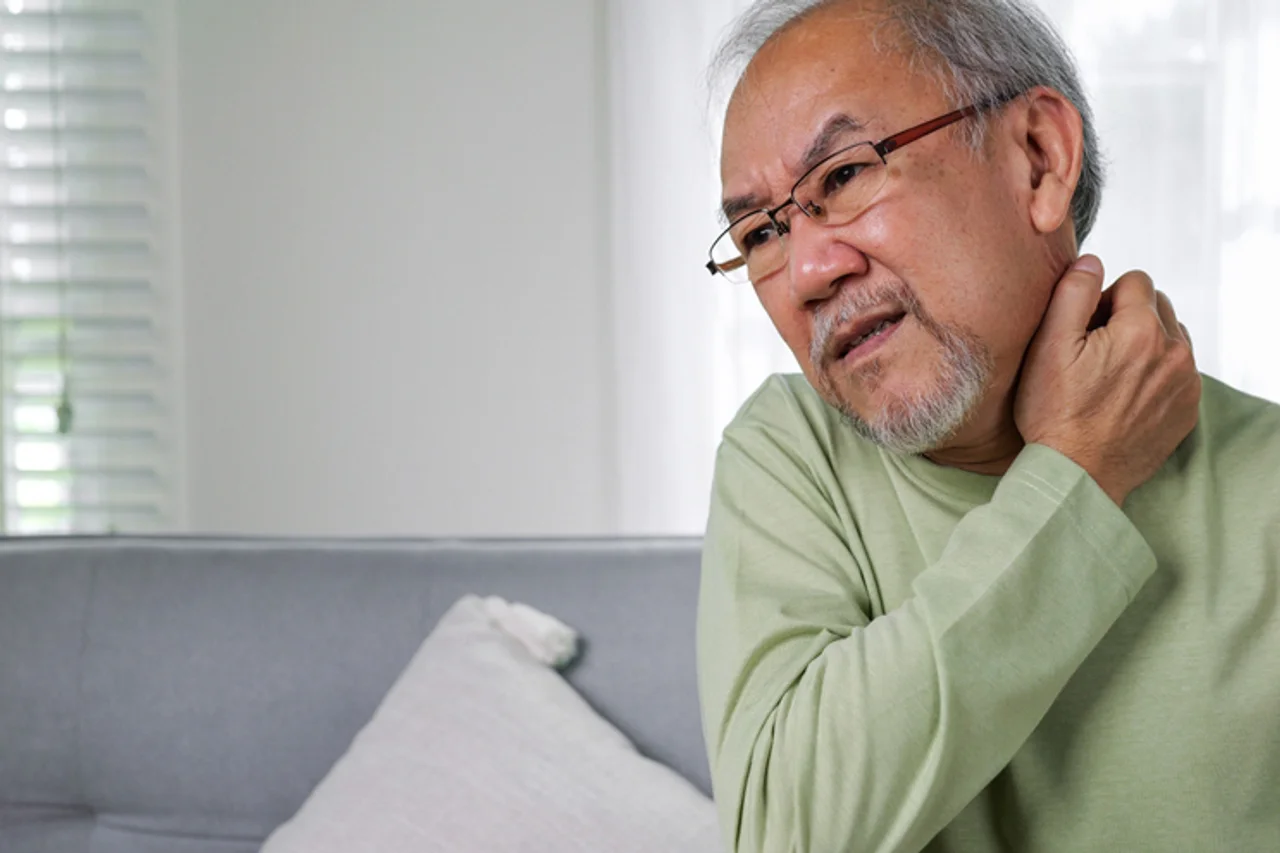
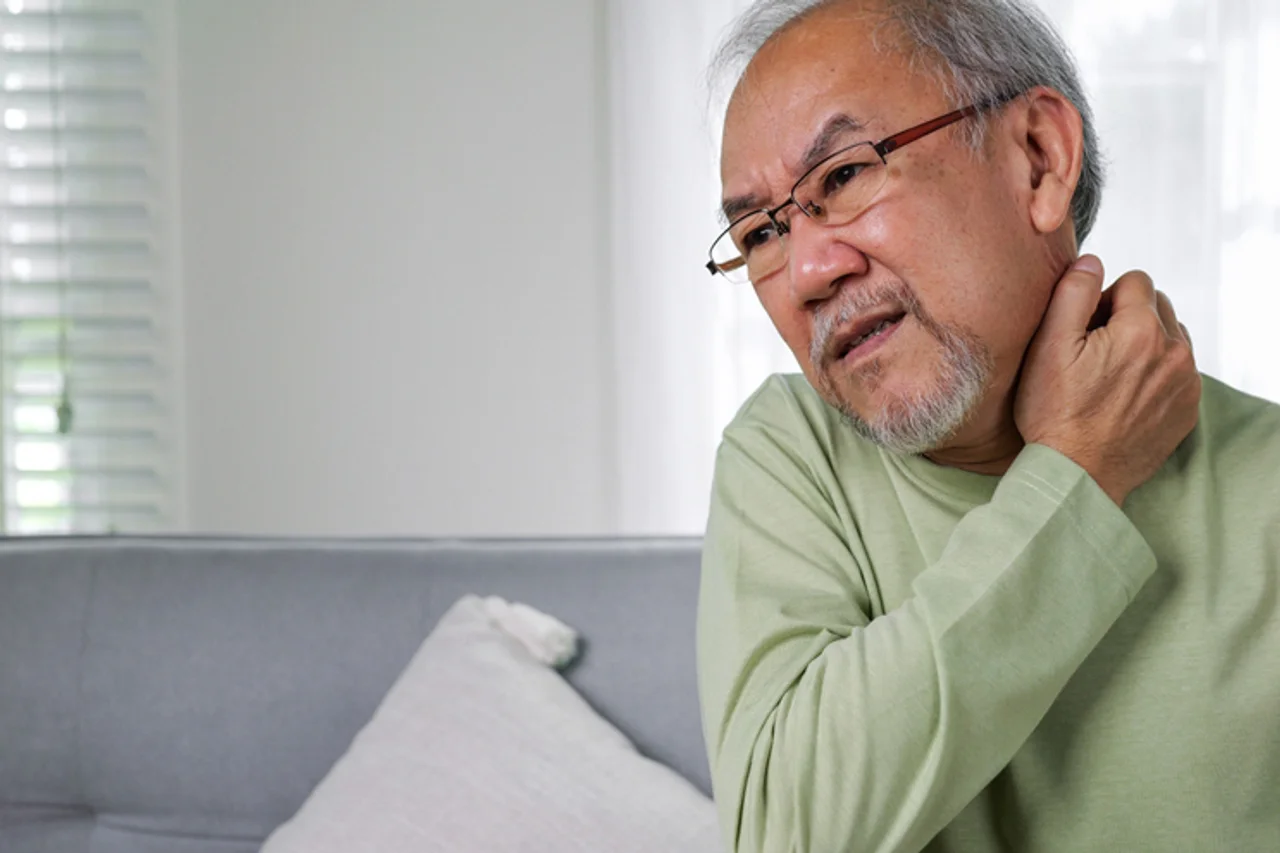
If you’re battling Frozen shoulder and constant neck ache, you’ve probably noticed a frustrating pattern: the more the shoulder stiffens, the tighter the neck feels; the tighter the neck, the more the shoulder locks up. Painkillers and isolated stretches may help for a day or two, but the cycle returns. To be honest, most people don’t realize how inseparable these two regions are. At Banpo Newborn Oriental Medical Clinic in Banpo, Seoul, South Korea, our approach—guided by Dr. Ungjin Im—treats the shoulder and the neck together, so results last beyond a single flare.
This guide explains why adhesive capsulitis (frozen shoulder) and Neck pain/Neck stiffness so often travel as a pair, and how non-surgical Korean medicine—Spinal Alignment Restoration Therapy (SART), spatial spinal correction, Chuna therapy, acupuncture, and simple, sustainable re-training—can help you move without fear again.
Why frozen shoulder and neck ache are twins
Your shoulder is not just a ball-and-socket joint. It’s a partnership between the glenohumeral joint, the shoulder blade, the rib cage, the cervical spine, and the nervous system. When the shoulder capsule tightens (as in Frozen shoulder), the body “borrows” motion from the upper back and neck. The neck then overworks to lift and position the arm, which causes Neck ache, Neck stiffness, and sometimes Shoulder pain/Shoulder stiffness. Over time, the upper trapezius, levator scapulae, and suboccipitals stay in guard mode, making even simple tasks—reaching a cupboard, fastening a seatbelt—feel like a strain.
It also works the other way around. When the neck is misaligned—after a desk marathon, a minor strain, or years of compensations—the shoulder blade cannot glide properly. You elevate instead of rotate, cinch the neck, and the capsule gets less motion and blood supply. Left alone, this can feed the frozen shoulder cycle.
Add one more layer: posture and breathing. A stiff rib cage and shallow breathing keep the upper body in a “holding pattern.” That’s why so many people with shoulder problems also report Back pain, Backache, or Lower back pain/Lumbar pain, plus tension in the jaw (Temporomandibular Joint (TMJ)) and even Headache/Chronic Headache or Tinnitus. The body compensates globally.
What we see every day in Korea
Laptop by day, smartphone by night, long commutes, and minimal breaks—sound familiar? Many of our patients in Seoul spend hours with the head forward and shoulders rounded. The shoulder blade rides up and out, the neck cranes, and the shoulder capsule is under-fed with healthy movement. It’s no surprise we see Frozen shoulder alongside Neck pain and Shoulder stiffness, plus secondary complaints like hip pain, Pelvic discomfort, and even TMJ Disorder/TMJ Syndrome from clenching.
The good news? When we treat the shoulder and neck together—and restore the rib cage, pelvis, and gait that support them—patients gain durable range of motion and true pain relief.
Our integrated, non-surgical method
1) Root-cause evaluation
We start with a detailed history and movement exam:
Shoulder: capsular pattern, painful arcs, scapular upward rotation vs. elevation
Neck: segmental motion, muscle guarding, nerve tension, referral patterns
Rib cage & breathing: thoracic mobility and diaphragm coordination
Pelvis & lumbar spine: load-sharing (vital if Lower back pain, Disc Herniation/Herniated Disc/Slipped Disc, Spinal Stenosis, or Lumbar Spinal Stenosis are on your report)
TMJ & jaw: clenching, deviation on opening (jaw–neck synergy matters)
Asymmetries: Scoliosis, mild Torticollis/Wry Neck, or Dystonia/Muscle Dystonia-like holding patterns that keep one shoulder perpetually higher
If you have imaging, bring it. We interpret scans in the context of how you move, not just what a line on a report says.
2) Spinal Alignment Restoration Therapy (SART)
Refined in our clinic under Dr. Ungjin Im, SART is a gentle, precise method that creates space at irritated segments and restores neutral alignment. For frozen shoulder with neck ache, SART typically aims to:
Decongest upper cervical segments that trigger neck pain and headaches
Re-stack the rib cage over the pelvis so the shoulder blade can glide (not shrug)
Improve load distribution through the thoracic spine, easing shoulder capsule stress
Patients often describe SART as “light but powerful”—no forceful cracking, just accurate corrections that feel safe.
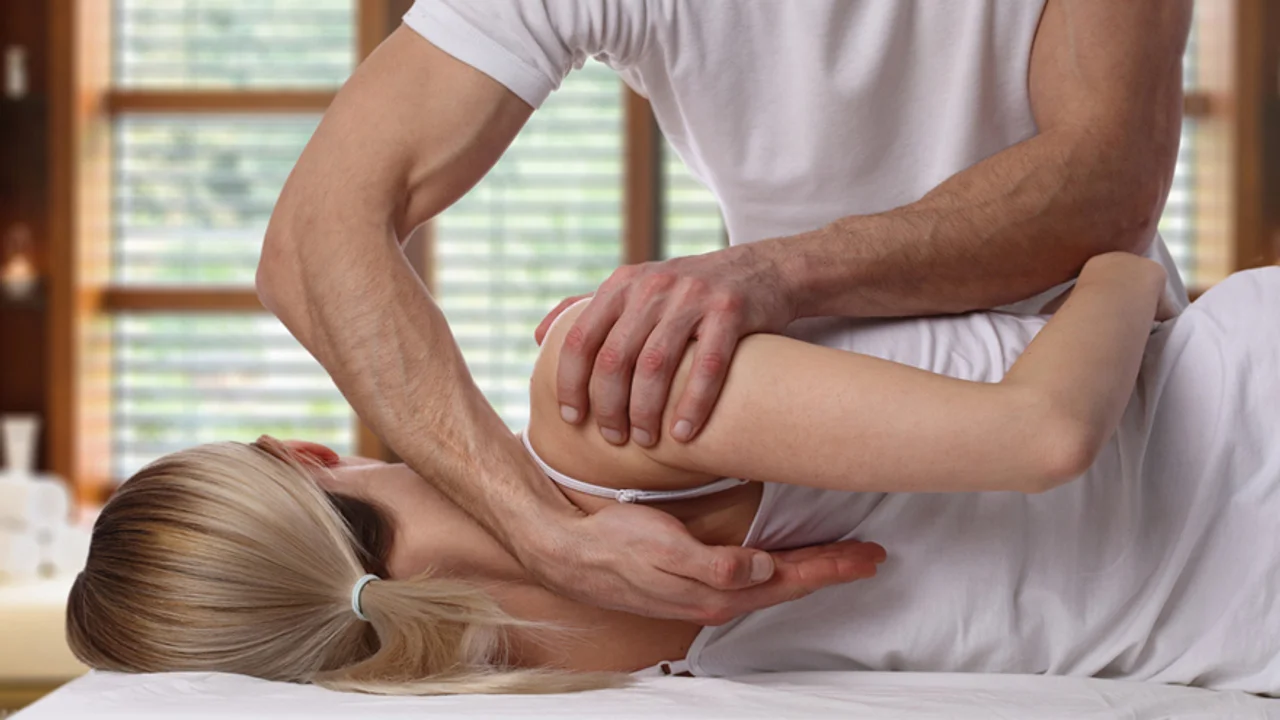
3) Spatial spinal correction + Chuna manual therapy
Alignment is three-dimensional. Our spatial spinal correction addresses front–back tilt, side shift, and rotation together so results hold when you stand and use your arm above shoulder height. We layer Chuna manual therapy to:
Restore joint play in the shoulder and upper thoracic facets
Free the scapula along the ribs
Release protective fascial tension without provoking a flare
4) Acupuncture, moxibustion, and cupping
In the early painful phase of Frozen shoulder, acupuncture reduces local inflammation and muscle guarding, while moxibustion and cupping improve micro-circulation. This calms the system so alignment work and gentle mobility can “stick.”
5) TMJ harmonization (when jaw tension fuels the neck)
If we see jaw clenching or TMJ Disorder/TMJ Syndrome, we add precise soft-tissue release for the pterygoids and masseters, joint decompression techniques, and simple resting-tongue training. Balancing the jaw reduces recurrent upper cervical tension, which in turn frees the shoulder.
6) Neuromuscular re-training you can keep up with
Lasting change comes from better movement, not longer routines. We prescribe two or three mini-drills (minutes total):
Scapular setting: train upward rotation and posterior tilt without shrugging
Suboccipital decompression breathing: lengthen the back of the neck while expanding the lower ribs
Thoracic mobility resets: gentle rotations that free the rib cage
Hip-hinge & gait tuning: share load through the pelvis so the shoulder isn’t doing postural work 24/7
How lumbar issues quietly lock the shoulder
People with chronic Back pain, Lower back pain, Lumbar pain, or a history of Disc Herniation/Herniated Disc/Slipped Disc often brace the rib cage to protect the spine. That brace limits scapular glide and pushes motion into the neck. Likewise, Spinal Stenosis/Lumbar Spinal Stenosis can shorten stride and alter arm swing, encouraging shoulder elevation over rotation. Because our clinic specializes in non-surgical stenosis care—How Banpo Newborn Korean Medicine Clinic Treats Spinal Stenosis Without Surgery—we’re skilled at restoring gait and decompression patterns that indirectly “unfreeze” the shoulder.
What to expect in your first three visits
Visit 1 — Map & Decompress
Detailed history and integrated exam (shoulder–neck–rib cage–pelvis–TMJ)
Initial SART + spatial spinal correction + Chuna therapy
If indicated, acupuncture to reduce guarding
One or two home drills (under 3 minutes total)
Metrics: sleep position comfort, reach height, turn-the-head ease, and a “shirt test” (how hard is it to put on?)
Visit 2 — Restore Glide
Recheck metrics and refine the diagnosis
Focused scapular mobilization along the ribs (Chuna)
Suboccipital release + rib cage mobility + jaw balancing if needed
Progress drills (quality over quantity); add a 30–60 second movement “snack” for work breaks
Visit 3 — Make It Stick
Layer endurance: light carries, wall slides, short walk intervals
Ergonomics: screen height, pillow fit, bag-carry strategy
Decide visit cadence (weekly/biweekly) based on objective change
Many patients report earlier morning ease, reduced “pinch” at shoulder height, and calmer neck within the first few sessions. Everyone heals at a different pace; our job is to keep you progressing safely.
Two short patient stories
Case 1: Designer with sleepless nights
Hyejin, 38, woke nightly with Shoulder pain and Neck ache. Reaching overhead felt impossible. Exam showed limited external rotation and a scapula that elevated instead of rotating; her neck was guarding with suboccipital tightness and jaw clenching (TMJ Disorder). We began SART for upper cervical decompression, Chuna mobilization of the scapulothoracic glide, acupuncture for pain, and two micro-drills. By week three, she slept through most nights; by week eight, she reached the top shelf with only mild stiffness.
Case 2: Accountant with back history
Mr. Lee, 57, had a past Herniated Disc and persistent Lower back pain. He developed Frozen shoulder on the right and constant Neck stiffness from compensating. We applied decompression-biased SART through the lumbar and thoracic spine, spatial correction for rib cage stacking, and Chuna for the shoulder blade. Short walk intervals and hip-hinge practice reduced bracing. Six weeks later, he buttoned a jacket without pain and turned his head freely while driving.
Results vary; matching treatment to the true driver is what moves the needle.
Home strategies that help
Heat then move: 10 minutes of gentle heat on the upper back/shoulder before mobility—not aggressive stretching into pain.
Wall-slide with breath: Slide arms up the wall without shrugging; exhale to soften ribs and keep the neck long.
Screen and pillow check: Top of monitor at eye level; pillow that fills the shoulder gap for side sleepers.
Micro-breaks: Every 30–45 minutes, stand, take 3 relaxed breaths, lightly set the shoulder blades down and around—not up and back.
Walk smart: Short, frequent walks calm the nervous system and free the rib cage, easing the shoulder–neck pair.
More Medical Articles
Continue reading clinical insights from Banpo Newborn Korean Medicine Clinic.

Why Seoul is the Global Hub for Minimally Invasive Vertigo Treatment
Dizziness and vertigo are among the most common reasons for hospital visits in South Korea, affecting nearly 16.7% of the adult population annually according to the Korea National Health and Nutrition Examination Survey (KNHANES).
Learn More

Tinnitus Relief in Seoul: Multidisciplinary Upper Cervical Care
For many, the sound of silence is replaced by a persistent ringing, buzzing, or hissing. In South Korea, this is more than an individual annoyance; it is a significant public health trend.
Learn More

Success Rates of SART for OPLL Compared to Standard Laminectomy in Korea
The prevalence of Ossification of the Posterior Longitudinal Ligament (OPLL) in East Asian populations, particularly in South Korea, is significantly higher than in Western countries, affecting approximately 2% to 4% of the population according to nationwide...
Learn More