SART Whole-Body Spinal Alignment, Chuna Therapy & International Patient Concierge
30+ Years Clinical Experience
en-US

Korean Medicine Guide
Frozen Shoulder Treatment Without Surgery: Korean Medicine Explained
Discover non-surgical frozen shoulder treatment with Korean medicine. Learn natural therapies to relieve pain, restore mobility, and heal effectively.
Schedule a Consultation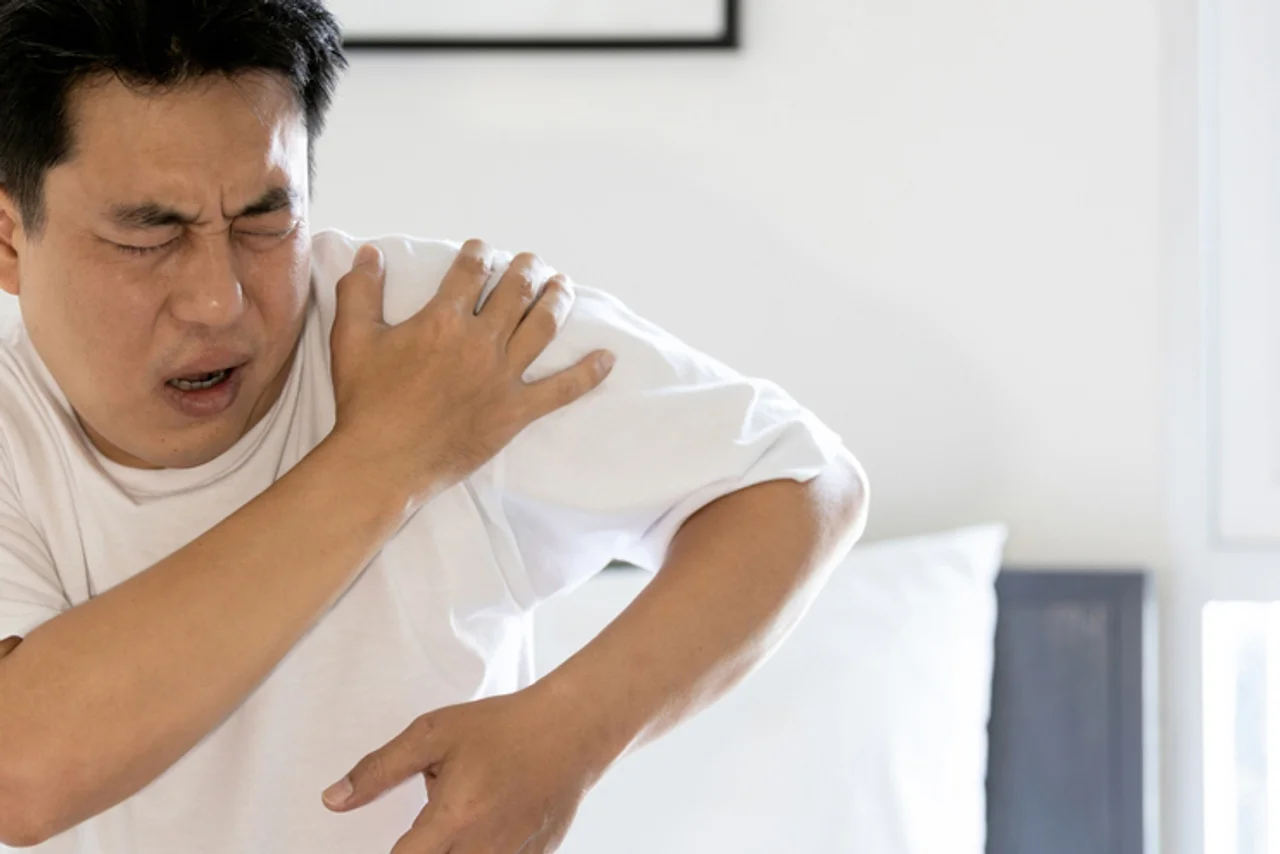
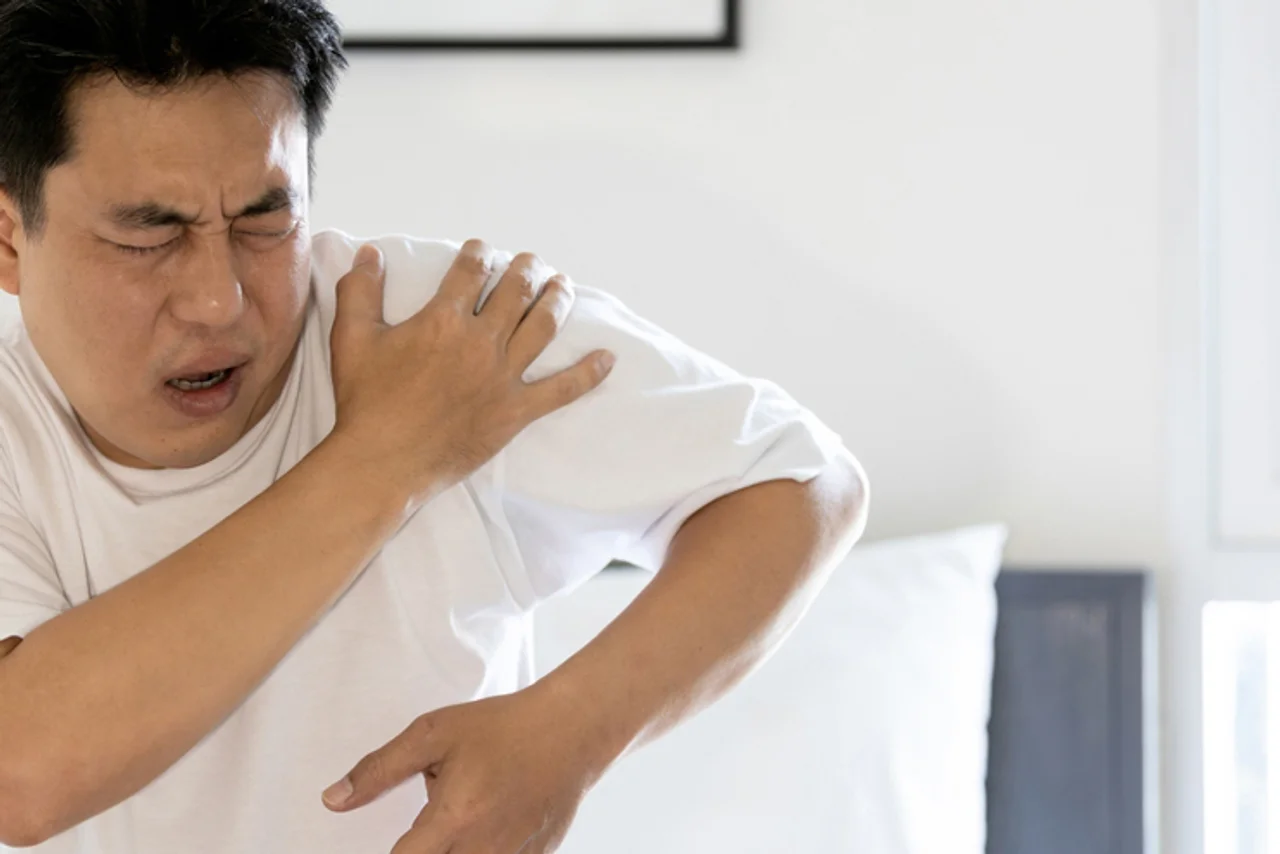
If your shoulder has become so stiff that combing your hair or fastening a seatbelt feels like a negotiation, you may be facing Frozen shoulder (adhesive capsulitis). The pain can be sharp at night, motion becomes limited in every direction, and daily tasks slowly shrink. Here’s the hopeful part: many cases improve without surgery when the right, gentle plan addresses the shoulder, neck, rib cage, and spine together.
At Banpo Newborn Oriental Medical Clinic in Banpo, Seoul, Dr. Ungjin Im and our team specialize in precise, non-surgical care that blends traditional Korean medicine with modern biomechanics. Below, we’ll explain what Frozen shoulder is, why it often co-exists with Neck pain and Shoulder stiffness, and how our integrated methods—Spinal Alignment Restoration Therapy (SART), spatial spinal correction, Chuna manual therapy, acupuncture, herbal support, and simple home drills—help patients recover safely and sustainably.
What is Frozen Shoulder—and why does it linger?
Frozen shoulder is a condition in which the capsule surrounding the shoulder joint thickens and tightens, restricting movement and causing pain. It typically passes through three phases:
Freezing: Pain is prominent (often worse at night), range of motion begins to decline.
Frozen: Pain slowly diminishes, but stiffness peaks—external rotation, reaching overhead, and fastening a bra/jacket feel restricted.
Thawing: Motion returns gradually, especially when guided by thoughtful treatment that restores scapular glide, rib cage mobility, and neck comfort.
The capsule isn’t the only problem. When the shoulder hurts, the body compensates: the scapula elevates instead of rotating; the neck overworks to position the arm; the upper back stiffens; breathing becomes shallow. Left unchecked, this creates a feedback loop of Neck stiffness, Neck ache, Shoulder pain, and even Headache/Chronic Headache. In some patients, jaw clenching (Temporomandibular Joint (TMJ) issues such as TMJ Syndrome or TMJ Disorder) keeps the upper neck tight, which further limits shoulder mechanics.
Why treat the neck, rib cage, and spine along with the shoulder?
Your shoulder is part of a kinetic chain that starts at the pelvis and reaches the jaw. When the pelvis tilts or the lumbar spine guards—common with Back pain, Backache, Lower back pain, Lumbar pain, Disc Herniation/Herniated Disc/Slipped Disc, or Spinal Stenosis/Lumbar Spinal Stenosis—the rib cage braces and the shoulder blade loses its smooth glide. You end up shrugging (elevation) rather than rotating (healthy upward rotation), which aggravates the capsule.
Conversely, a forward head posture and tight upper cervical spine block the scapula from sliding along the ribs. That’s why purely local shoulder treatments often stall. To create lasting results, we re-center the body so the shoulder isn’t doing postural work it was never designed to do.
The Banpo Newborn Oriental Medical Clinic approach: Korean medicine, precisely applied
1) Root-cause evaluation (your first session)
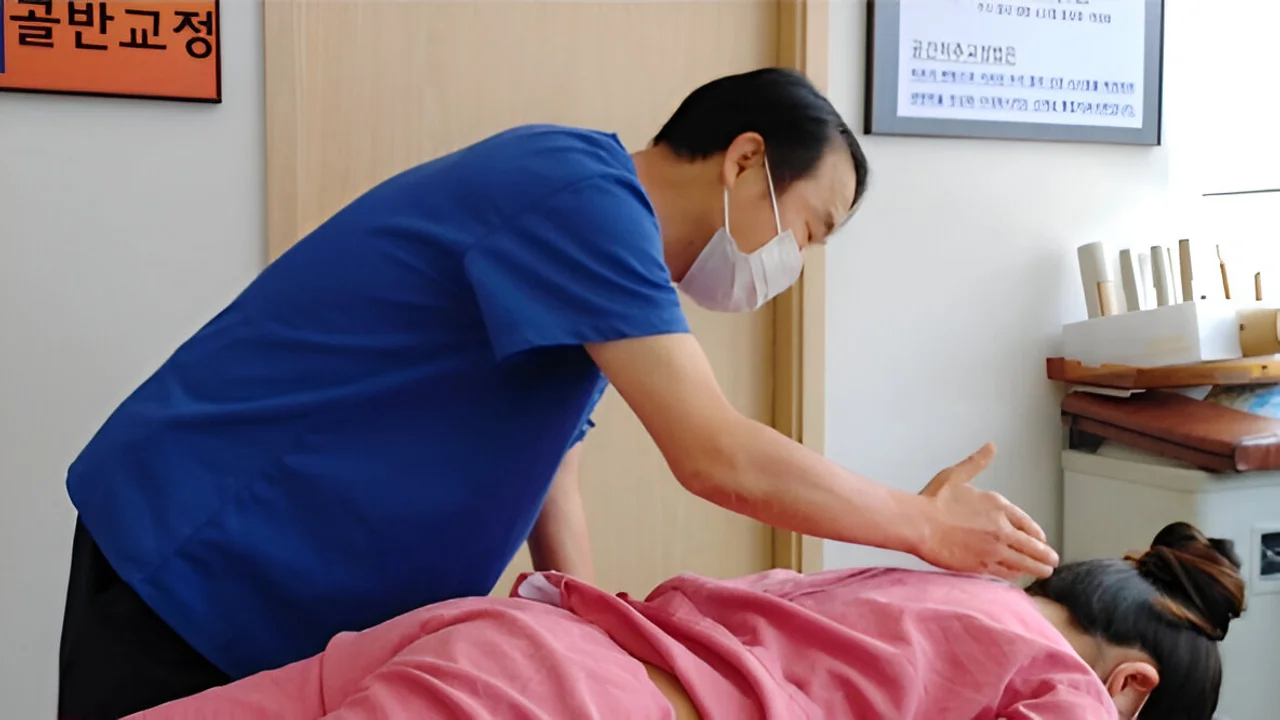
We begin with a one-on-one assessment that maps your whole pattern:
Shoulder: capsular pattern, external rotation limits, painful arcs, end-feel
Scapula–rib cage: upward rotation vs. elevation, posterior tilt, rib mobility
Neck & upper back: segmental motion, suboccipital tone, referral patterns
Pelvis & lumbar spine: load-sharing and gait, especially if you’ve had Lower back pain/Lumbar pain, Herniated Disc, or Lumbar Spinal Stenosis
TMJ: clenching, deviation on opening, tongue posture (jaw–neck synergy)
Asymmetries: Scoliosis, mild Torticollis/Wry Neck, or Dystonia/Muscle Dystonia tendencies
If you have imaging, bring it. We interpret scans in the context of how you move, not just what a report says.
2) Spinal Alignment Restoration Therapy (SART)
Refined by Dr. Ungjin Im, SART is a gentle, highly targeted method to restore space at irritated segments and re-stack the body for effortless movement. For Frozen shoulder, SART helps to:
Decompress upper cervical segments so the neck stops overworking
Re-stack the rib cage over the pelvis (better diaphragm function = better shoulder mechanics)
Improve thoracic mobility so the scapula can glide rather than shrug
Patients often describe SART as “light but powerful”—no aggressive thrusts, just accurate corrections that feel safe.
3) Spatial spinal correction + Chuna manual therapy
Alignment is three-dimensional. Our spatial spinal correction addresses front–back tilt, side shift, and rotation simultaneously so gains hold in real life. We layer Chuna manual therapy to:
Restore joint play in the glenohumeral joint and upper thoracic facets
Free the scapula along the ribs (posterior tilt and upward rotation)
Ease fascial tension without provoking a flare
4) Acupuncture, moxibustion, and cupping
In the “freezing” and early “frozen” phases, acupuncture calms pain, reduces muscle guarding, and improves micro-circulation around the capsule and rotator cuff. Moxibustion and cupping support tissue healing and help the nervous system settle, preparing your shoulder to accept new, healthier movement.
5) Personalized herbal support
When appropriate, simple, targeted herbal formulas support circulation and recovery. We monitor closely and adapt as symptoms change.
6) Neuromuscular re-training you’ll actually do
Lasting change comes from better movement, not longer routines. Your home plan includes two or three micro-drills (minutes total), chosen for your pattern:
Scapular setting with breath: encourage upward rotation/posterior tilt without shrugging
Suboccipital decompression breathing: lengthen the back of the neck while expanding the lower ribs
Thoracic mobility resets: gentle rotations to free the rib cage
Hip-hinge & gait tune-up: share load through the pelvis so the shoulder isn’t doing postural work
What your first three visits look like
Visit 1 — Map & Decompress
Integrated exam (shoulder–neck–rib cage–pelvis–TMJ)
First round of SART + spatial spinal correction + Chuna therapy
Acupuncture as indicated for pain/guarding
One or two micro-drills and simple progress markers (sleep position, reach height, head-turn ease, “shirt test”)
Visit 2 — Restore Glide
Re-check metrics; refine diagnosis
Scapulothoracic mobilization (Chuna), suboccipital release, rib mobility
Progress the home drill slightly (quality over quantity)
Ergonomic tweaks: screen height, pillow, bag-carry strategy
Visit 3 — Make It Stick
Layer gentle endurance: wall slides, light carries, walking intervals
Rehearse real-life tasks (seatbelt reach, overhead shelf) with new mechanics
Agree on cadence (weekly/biweekly) based on objective change
Most patients begin noticing earlier morning ease, less night pain, and smoother reach within the first few sessions. Everyone heals at a different pace; our job is to keep progress steady and safe.
How spine and jaw issues quietly lock the shoulder
We frequently see Frozen shoulder alongside:
Back pain, Backache, Lower back pain, Lumbar pain
Disc Herniation/Herniated Disc/Slipped Disc
Spinal Stenosis/Lumbar Spinal Stenosis
Neck pain, Neck stiffness, Neck ache, Shoulder stiffness
Headache, Chronic Headache, Tinnitus
TMJ issues: Temporomandibular Joint (TMJ), TMJ Syndrome, TMJ Disorder
Structural asymmetries: Scoliosis, Torticollis, Wry Neck, Dystonia, Muscle Dystonia
By correcting the sequence—pelvis → lumbar → rib cage → neck → TMJ → shoulder—we reduce the bracing that keeps the capsule irritated. This is also where our clinic’s specialty in non-surgical stenosis care becomes invaluable: improving decompression and gait reduces rib-cage guarding, which frees the shoulder blade to move as designed.
Two short patient stories
Case 1: Sleepless nights to steady gains
Hyejin, 39, woke nightly with shoulder pain and Neck ache. She could barely reach shoulder height and clenched her jaw from stress (TMJ Disorder). Evaluation showed scapular elevation (not rotation), tight suboccipitals, and a stiff upper thoracic spine. We applied SART for upper cervical decompression, Chuna for scapular glide, and acupuncture for pain. Two micro-drills—wall slides with breath and suboccipital decompression breathing—rounded out care. By week three, she slept through most nights; by week eight, she reached the top shelf with only mild tightness.
Case 2: Shoulder freeze after back flare
Mr. Lee, 58, had a history of Herniated Disc and recent Lower back pain. His right shoulder “froze” over three months. We focused on decompression-biased SART from pelvis to thoracic spine, spatial correction to re-stack the rib cage, and Chuna for glenohumeral joint play. Walk intervals and hip-hinge practice reduced bracing. Six weeks later, he could fasten a seatbelt without pain and turn his head comfortably while driving.
Results vary; matching treatment to the true driver is what moves the needle.
Home strategies that help
More Medical Articles
Continue reading clinical insights from Banpo Newborn Korean Medicine Clinic.

Why Seoul is the Global Hub for Minimally Invasive Vertigo Treatment
Dizziness and vertigo are among the most common reasons for hospital visits in South Korea, affecting nearly 16.7% of the adult population annually according to the Korea National Health and Nutrition Examination Survey (KNHANES).
Learn More

Tinnitus Relief in Seoul: Multidisciplinary Upper Cervical Care
For many, the sound of silence is replaced by a persistent ringing, buzzing, or hissing. In South Korea, this is more than an individual annoyance; it is a significant public health trend.
Learn More

Success Rates of SART for OPLL Compared to Standard Laminectomy in Korea
The prevalence of Ossification of the Posterior Longitudinal Ligament (OPLL) in East Asian populations, particularly in South Korea, is significantly higher than in Western countries, affecting approximately 2% to 4% of the population according to nationwide...
Learn More