SART Whole-Body Spinal Alignment, Chuna Therapy & International Patient Concierge
30+ Years Clinical Experience
en-US

Korean Medicine Guide
Gentle and Natural Ways to Correct Torticollis in Newborns
Discover gentle, natural ways to correct torticollis in newborns. Learn safe home exercises, early signs, and effective treatments to support healthy development.
Schedule a ConsultationGentle and Natural Ways to Correct Torticollis in Newborns
By Banpo Newborn Korean Medicine Clinic – Banpo, Seoul
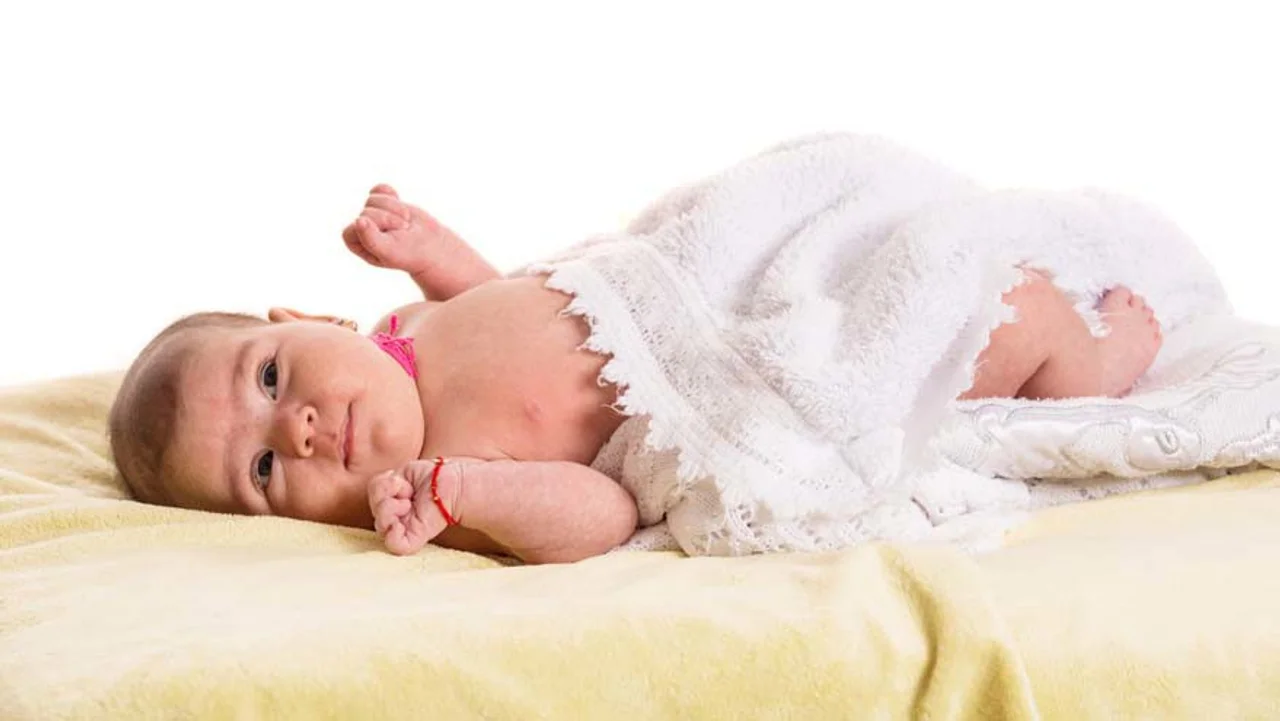
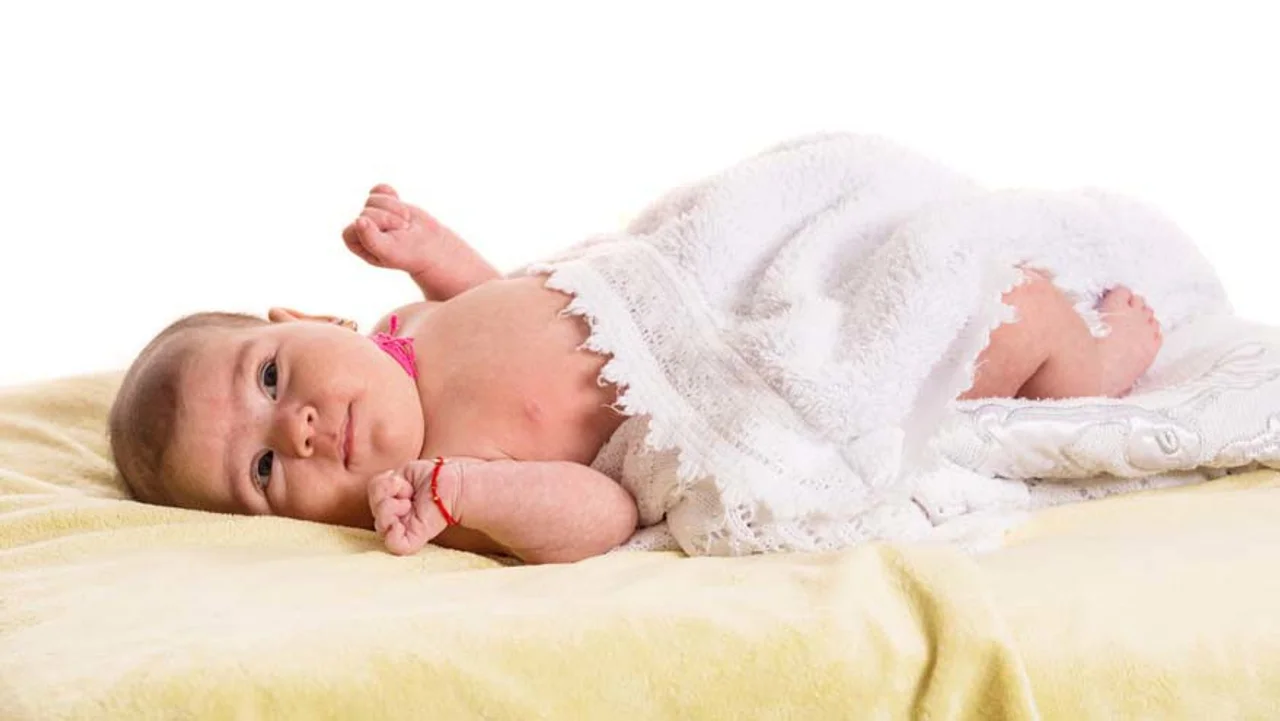
Have you ever noticed your baby tilting their head to one side, or preferring to look in only one direction during feeding or sleep? Many parents describe this moment with a mix of concern and confusion—“Is something wrong?” “Is my baby uncomfortable?”
The truth is, this scenario is extremely common. In Korean medicine and pediatric musculoskeletal care, we see countless infants with congenital torticollis, a condition caused by tightening or imbalance of the neck muscles, particularly the sternocleidomastoid (SCM). And to be honest, many parents don’t realize how early, gentle, and natural correction can make a profound difference—not only for head shape and posture but for the child’s long-term development.
Over the past 30 years at Banpo Newborn Korean Medicine Clinic, we’ve cared for infants with torticollis using soft, non-invasive, hands-on techniques that respect the delicate structure of the newborn body. What many families appreciate is that these treatments are gentle enough for even the smallest babies, yet precise and effective enough to support lasting musculoskeletal balance.
This article will walk you through what torticollis is, why it develops, and—most importantly—the gentle, natural ways we correct it using the principles of Korean medicine, Chuna therapy, and our clinic’s unique spatial spinal alignment approach.
Understanding Torticollis in Newborns: More Than a “Head Tilt”
Newborn torticollis is more than just a visible tilt—it represents a deeper issue in the musculoskeletal system. In Korean medicine, we view torticollis not simply as a muscle problem but as a sign of underlying structural imbalance.
What Parents Typically Notice
Baby prefers looking to one side
One cheek becomes fuller due to sustained pressure
Breastfeeding is easier on one side
Flat spots on the back or side of the head (positional plagiocephaly)
Baby fusses when turning the head opposite their preferred direction
Many parents assume their baby “just likes that side,” but in our clinical experience, babies rarely choose a direction without reason. Restricted neck rotation is often a sign that the neck muscles—and sometimes upper spine alignment—need support.
Why Torticollis Happens
There are several natural, common reasons:
Positioning in the womb, including limited space in late pregnancy
Birth trauma, especially during long labor or instrument-assisted delivery
Imbalanced neck muscle development
Early head position habits that reinforce asymmetry
We often explain it this way:
Just as an adult can develop a stiff neck from sleeping awkwardly, a newborn can enter the world with pre-existing tension. But because their musculoskeletal system is still forming, early correction is much easier and much more effective.
Why Early, Gentle Correction Matters

In the first months of life, the body is incredibly adaptive. The cervical spine is still developing its natural curvature, and muscle patterns are not yet fixed. This makes early intervention both safe and powerfully effective.
Left unaddressed, torticollis can contribute to:
Head asymmetry (plagiocephaly)
Delayed motor development
Shoulder elevation and spinal imbalance
Breastfeeding or bottle-feeding difficulties
Facial asymmetry
Long-term postural habits that persist into childhood
At Banpo Newborn Korean Medicine Clinic, we often tell parents:
“You’re not just correcting the neck—you’re guiding your baby’s entire structural foundation.”
Gentle and Natural Methods to Correct Torticollis in Newborns
Below are the most effective approaches, based on our clinical experience and decades of Korean medicine practice.
1. Korean Pediatric Chuna Therapy: Soft Manual Realignment
Chuna therapy is a traditional Korean manual therapy that has been adapted and refined for infants. Our clinic has specialized in pediatric Chuna for over three decades, using only feather-light pressure suitable for a newborn.
How Chuna Helps Torticollis
Releases tension in the SCM and cervical muscles
Restores balanced rotation and lateral flexion
Corrects subtle misalignments of C1–C3 (upper cervical vertebrae)
Improves blood flow and nerve regulation
Supports natural head-shape recovery
One mother shared that her four-week-old struggled to turn his head left and cried when placed on her shoulder. After only a few sessions of gentle pediatric Chuna, he began turning freely and feeding more calmly.
Why It Works So Well
Baby muscles are soft like warm dough—so when we apply gentle directional guidance, their tissue responds immediately. No force, no abrupt movement, just micro-adjustments that help the body find balance again.
2. Spatial Spinal Correction for Infants: Banpo Newborn’s Specialized Approach
Over years of treating spinal issues in adults and children, Dr. Ungjin Im developed a specialized method of spatial spinal correction, which views the spine as a three-dimensional structure rather than a flat column.
When applied to newborns, this approach helps identify:
Micro-rotations of the upper cervical spine
Torsional patterns caused by birth position
Imbalances between the neck, shoulders, and early thoracic curve
Even in infants, the spine has a “preferred direction.” Our job is to guide it naturally back to center.
Why This Method Is Unique
Unlike standard stretching or exercise-based interventions, spatial correction:
Works with the body’s inherent movement patterns
Requires no strain or forced positioning
Aligns the whole upper-body structure, not just the neck
Many parents describe the technique as looking like gentle cradling or holding—not like therapy at all.
3. Warm Herbal Compresses to Relax Neck Tension
Korean medicine emphasizes the power of warmth and herbal energies. For babies with tight SCM muscles, warm herbal compresses (using traditional Korean herbs wrapped safely in cloth) encourage natural relaxation.
Benefits of Warm Compresses
Softens tight muscle fibers
Improves localized blood circulation
Prepares the body for gentle stretching or Chuna
Helps calm fussy babies
Parents often tell us they feel more confident at home after learning this simple, natural method.
4. Gentle Home Stretches (Only After Professional Evaluation)
Not all stretches are appropriate for every baby—this is something we emphasize daily. Improper stretching can worsen asymmetry or cause discomfort. Once we evaluate the baby’s specific pattern, we teach parents safe, customized stretches.
Examples of Techniques We Commonly Recommend
Side-neck lengthening while holding the baby securely
Rotational encouragement during cuddle time
“Nose-following” visual tracking exercises
These look like play, but they are carefully designed to activate weakened muscles and relax tense ones.
A Tip We Often Share:
If you must use force, it’s not the right stretch. With newborns, the correct technique feels natural, like following the baby’s breath.
5. Adjusting Daily Habits: Micro-Changes, Major Improvement
Small lifestyle changes can make enormous differences in infant torticollis recovery.
Positioning Tips We Teach Parents
Alternate feeding sides even when one direction feels easier
Encourage tummy time several times a day
Place toys and sound sources on the non-preferred side
Carry the baby on the opposite hip to promote balanced rotation
Many Korean parents are surprised how much these habits influence their baby’s posture. But in our clinical experience, daily micro-adjustments reinforce the therapeutic effects better than anything else.
6. Cranial Balance for Symmetry and Comfort
Torticollis often coexists with flat head syndrome (plagiocephaly). At our clinic, we assess cranial shape early to ensure gentle correction before asymmetry becomes more pronounced.
Techniques We Use
Soft cranial balancing
Releasing tension in facial muscles
Guiding natural skull molding using gravity and positioning
Because baby skulls are so moldable, tiny improvements accumulate beautifully over a few weeks.
7. Supporting the Nervous System Through Korean Medicine Principles
In Korean medicine, tension in the neck also affects the flow of qi and the autonomic nervous system. Babies with torticollis often show:
Fussiness
Uneven sleep patterns
Reflux or digestive discomfort
By combining gentle manual therapy with supportive herbal compresses and calming touch, we help the entire system regulate—not just the muscles.
Parents often tell us,
“My baby not only moves better—he sleeps better too.”
What a Typical Treatment Plan Looks Like at Banpo Newborn
Although every baby is unique, here is a common progression:
1. Comprehensive Initial Assessment
We check:
Neck rotation
Muscle tone
Spine alignment
Cranial symmetry
Feeding habits
Daily routines
2. First Stage: Soft Tissue Relaxation
Using warm herbal compresses and feather-light Chuna to loosen the SCM.
3. Second Stage: Spatial Alignment
Correcting subtle spinal imbalances to restore free movement.
4. Third Stage: Habit Correction & Parent Training
Teaching parents how to:
Position the baby properly
Encourage symmetrical development
Use simple home stretches
5. Follow-Up & Maintenance
More Medical Articles
Continue reading clinical insights from Banpo Newborn Korean Medicine Clinic.

Why Seoul is the Global Hub for Minimally Invasive Vertigo Treatment
Dizziness and vertigo are among the most common reasons for hospital visits in South Korea, affecting nearly 16.7% of the adult population annually according to the Korea National Health and Nutrition Examination Survey (KNHANES).
Learn More

Tinnitus Relief in Seoul: Multidisciplinary Upper Cervical Care
For many, the sound of silence is replaced by a persistent ringing, buzzing, or hissing. In South Korea, this is more than an individual annoyance; it is a significant public health trend.
Learn More

Success Rates of SART for OPLL Compared to Standard Laminectomy in Korea
The prevalence of Ossification of the Posterior Longitudinal Ligament (OPLL) in East Asian populations, particularly in South Korea, is significantly higher than in Western countries, affecting approximately 2% to 4% of the population according to nationwide...
Learn More