SART Whole-Body Spinal Alignment, Chuna Therapy & International Patient Concierge
30+ Years Clinical Experience
en-US


Korean Medicine Guide
Guided Nerve Blocks: How Advanced Tech Reshapes Korea Pain Clinics
The landscape of pain management in South Korea is shifting rapidly as patients move away from traditional "blind" injections toward high-precision, technology-driven interventions.
Schedule a ConsultationThe landscape of pain management in South Korea is shifting rapidly as patients move away from traditional "blind" injections toward high-precision, technology-driven interventions. Chronic pain is a significant burden in the region; according to a multicenter cross-sectional study in Korea, approximately 21.9% of the population suffers from chronic pain, with nearly 86% of patients viewing nerve block treatments as a helpful pathway to relief.
As the Korean regenerative medicine market is projected to grow at a CAGR of 18% through 2030, clinics like Banpo Newborn Korean Medicine Clinic are leading the way by integrating advanced imaging into their protocols. This article explores how guided nerve blocks and ultrasound-driven diagnostics are setting new benchmarks for safety and cost-effectiveness in Korean pain care, particularly for conditions like Torticollis (Twisted or Stiff Neck).
Torticollis Treatment in Korea: Benefits, Risks, and Ideal Candidates
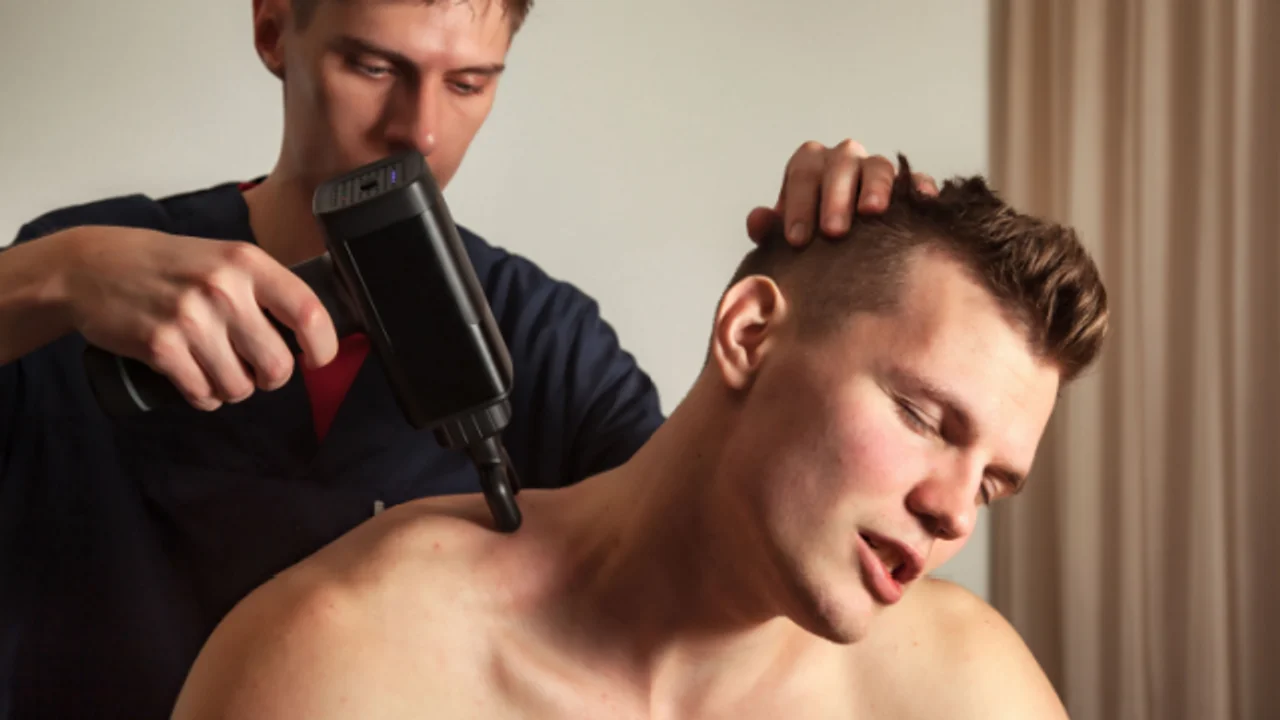
Torticollis, characterized by a persistent tilt or rotation of the neck, can affect both infants (congenital) and adults (spasmodic). In Korea, the approach to this condition has evolved from simple physical therapy to a multidisciplinary model.
Ideal candidates for advanced interventional care include:
- Infants not responding to traditional stretching within the first 3–6 months.
- Adults with spasmodic torticollis seeking alternatives to permanent surgery.
- Patients with "sternomastoid tumors" (fibrous masses) confirmed via imaging.
While risks such as temporary bruising or localized soreness exist, the transition to ultrasound-guided interventions has significantly lowered the risk of accidental vascular puncture—a complication that occurs in approximately 10% of landmark-based procedures but drops to nearly 2% under ultrasound guidance.
Torticollis Treatment Costs and Outcomes in Korea
Cost is a primary driver for patients choosing Korea for specialized care. A comparative study between Korea and Japan found that while basic trigger point injections are similarly priced, cervical and thoracic epidural blocks are significantly more affordable in Korea, often costing nearly 50% less when adjusted for purchasing power parity (PPP).
| Feature | Conventional "Blind" Injections | Ultrasound-Guided Nerve Blocks |
|---|---|---|
| Accuracy Rate | 80% success rate | 90%+ success rate |
| Vascular Puncture Risk | Higher (~10% in some studies) | Lower (~2%) |
| Recovery Time | Variable; potential for local trauma | Rapid; minimally invasive |
| Cost (Korea vs. Japan) | Korea is 1.06x more affordable | Korea offers high PPP value |
| Long-term Goal | Temporary symptom relief | Functional restoration & healing |
Why is Ultrasound-Guided Injection Reshaping Korean Clinics?
The "Advanced Approach" at the heart of modern Korean pain clinics is Ultrasound-Guided Injections. Unlike traditional methods that rely on "feeling" anatomical landmarks, this tech-driven care allows doctors to see the needle, the nerve, and the surrounding blood vessels in real-time.
How It Works
By using a high-frequency linear probe, clinicians can visualize the sternocleidomastoid (SCM) muscle and precisely deliver medications—such as botulinum toxin or regenerative substances—directly into the fibrous tissue causing the neck twist. This "high-precision" delivery ensures the medication stays exactly where it is needed, reducing the total dosage required and minimizing systemic side effects.
Is Ultrasound-Guided Treatment in Korea worth the cost?
Answer: Yes. While the initial procedure cost may be slightly higher than a standard injection, the 90% success rate and reduced need for repeat "trial-and-error" sessions make it more cost-effective over a 12-month period. It significantly reduces the likelihood of requiring expensive surgical lengthening of the SCM muscle.
Data & Outcomes: Anchoring the Precision Path
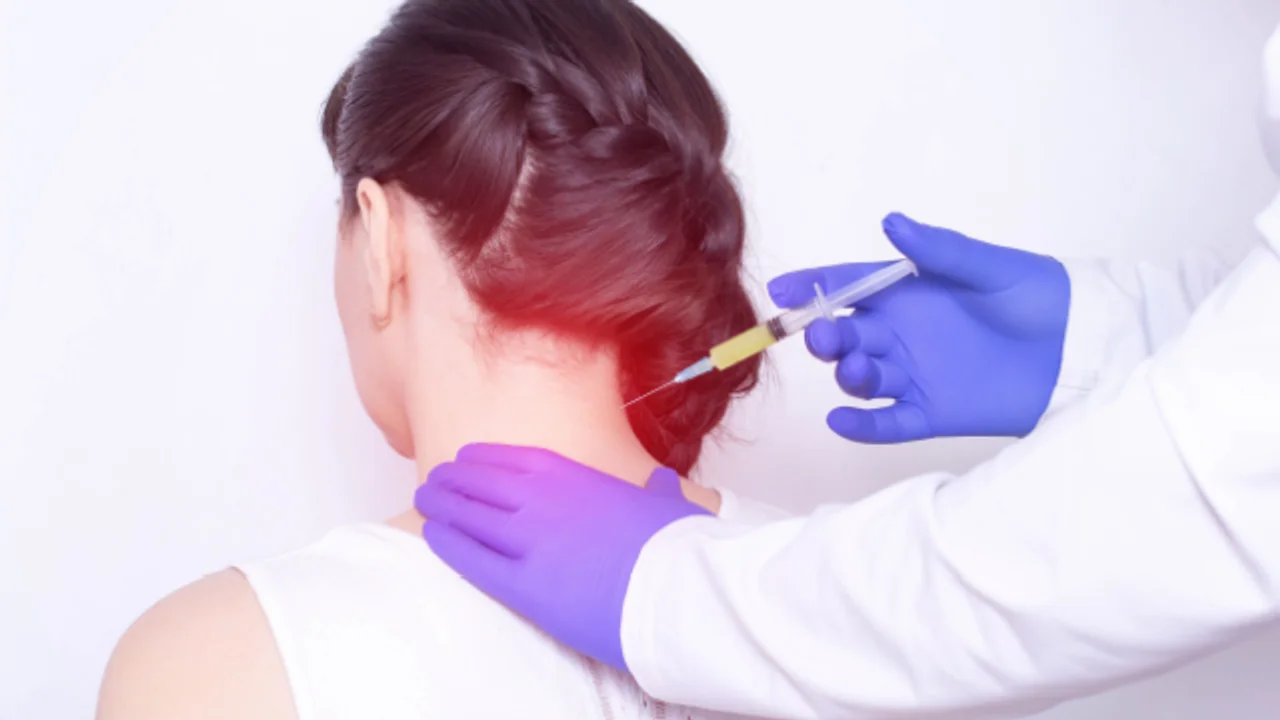
Data from the National Institute for Health and Care Research suggests that guided blocks are not only more successful but also faster to perform, saving an average of one minute per procedure while increasing patient satisfaction scores. In the context of Korean pediatric care, this efficiency is vital as it reduces the time an infant must remain still.
In Korea’s rapidly expanding USD 474.4 million regenerative medicine market, the shift toward ultrasound-guided planning allows for better integration of cell-based therapies. By monitoring the "echo-texture" of a muscle over time, clinics can provide a data-backed recovery curve for the patient.
Local Korea Insights: Fast Recovery and Tech-Driven Care
Korean patients typically prioritize minimal downtime and visible results. The growth of "Gangnam-style" precision clinics reflects a cultural demand for high-tech solutions that allow patients to return to work or school immediately. Furthermore, recent Korean Supreme Court rulings have expanded the ability of Korean Medicine doctors to utilize ultrasound for diagnostic and guided-acupuncture purposes, fostering a more multidisciplinary and holistic environment for pain management.
Where Banpo Newborn Korean Medicine Clinic Fits in Torticollis Care
Banpo Newborn Korean Medicine Clinic specializes in the root-cause treatment of Torticollis using a blend of advanced diagnostics and precision care.
- Protocol Style: The clinic utilizes ultrasound-guided assessments to differentiate between postural, muscular, and "tumor-related" torticollis.
- Patient Selection: Focus is placed on early intervention (neonates to infants) to prevent permanent craniofacial asymmetry and plagiocephaly.
- Expertise: Led by specialist Dr. Ungjin Im with extensive experience in pediatric musculoskeletal development, the clinic integrates Customized Stretching Programs with advanced monitoring to ensure the SCM muscle lengthens naturally.
By choosing ultrasound-guided injections or monitoring, the clinic ensures that every movement is accounted for, providing a level of safety that "blind" manual therapy alone cannot match.
Conclusion
Chronic neck stiffness and torticollis represent a growing challenge in Korea, affecting functional quality of life for both infants and adults. While conventional "blind" care remains common, the limitations of accuracy and safety are driving a movement toward Ultrasound-Guided Injections and precision planning. This advanced approach offers a higher success rate, lower complication risks, and a more predictable cost path for families.
Patients considering Torticollis treatment in Korea can schedule a consultation at Banpo Newborn Korean Medicine Clinic to discuss whether this high-precision approach may be suitable for their specific condition and goals.
More Medical Articles
Continue reading clinical insights from Banpo Newborn Korean Medicine Clinic.

Why Seoul is the Global Hub for Minimally Invasive Vertigo Treatment
Dizziness and vertigo are among the most common reasons for hospital visits in South Korea, affecting nearly 16.7% of the adult population annually according to the Korea National Health and Nutrition Examination Survey (KNHANES).
Learn More

Tinnitus Relief in Seoul: Multidisciplinary Upper Cervical Care
For many, the sound of silence is replaced by a persistent ringing, buzzing, or hissing. In South Korea, this is more than an individual annoyance; it is a significant public health trend.
Learn More

Success Rates of SART for OPLL Compared to Standard Laminectomy in Korea
The prevalence of Ossification of the Posterior Longitudinal Ligament (OPLL) in East Asian populations, particularly in South Korea, is significantly higher than in Western countries, affecting approximately 2% to 4% of the population according to nationwide...
Learn More