SART Whole-Body Spinal Alignment, Chuna Therapy & International Patient Concierge
30+ Years Clinical Experience
en-US

Korean Medicine Guide
Herniated Disc Causing Hip Pain? Here’s How to Fix It Naturally
Herniated disc causing hip pain? Discover natural, effective treatments to relieve symptoms, restore mobility, and prevent flare-ups without surgery.
Schedule a ConsultationHerniated Disc Causing Hip Pain? Here’s How to Fix It Naturally
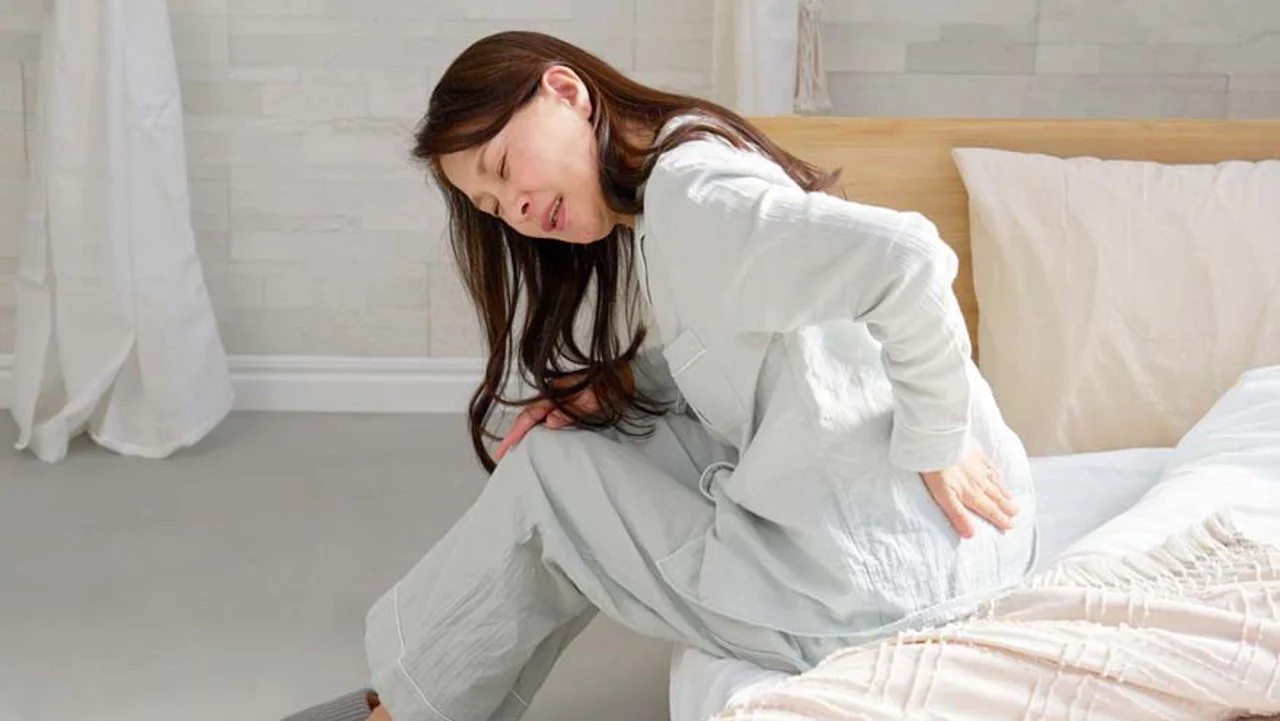
Have you been dealing with hip pain that won’t go away—no matter how much stretching, rest, or medication you try? You’re not alone. Many people in Korea visit our clinic convinced they have a “hip joint problem,” only to discover that the true source of their pain lies somewhere they didn’t expect: a herniated spinal disc.
To be honest, most people don’t realize how closely the spine and hips are connected. In Korean medicine, we’ve always understood the body as one continuous structure. The spine isn’t just a column of bones; it’s the main highway for your nervous system. When a disc is damaged or bulging, the pain often doesn’t stay in the back—it radiates down to the hip, groin, thigh, or even the foot.
At Banpo Newborn Korean Medicine Clinic, we’ve spent over 30 years caring for patients who arrive with “mysterious” hip pain, only to discover that a hidden disc problem has been quietly disrupting their daily life. With gentle, non-surgical, natural treatments, many of these individuals find long-awaited relief—often faster than they expected.
In this article, we’ll break down why a herniated disc can cause hip pain, how to recognize it, and what you can do to fix it naturally without surgery or long-term dependence on medication.
Why a Herniated Disc Can Cause Hip Pain
A herniated disc occurs when one of the soft discs between your spinal bones bulges or tears. In Korean, many patients call this a “디스크가 튀어나왔다” (“the disc popped out”). When this happens in the lumbar area (lower back), the bulging disc can press on nerves that travel down into the pelvis and legs.
The Sciatic Connection
One of the most commonly affected nerves is the sciatic nerve, which is why many patients describe:
A deep ache in the hip
Sharp pain shooting down one side
Tingling or numbness in the thigh
Weakness around the hip or buttock
Pain that gets worse when sitting
The key point is this: the hip itself may be perfectly healthy. What you’re feeling is actually referred pain from the spine.
At Banpo Newborn Korean Medicine Clinic, Dr. Ungjin Im often explains it like this:
“A house can only stand straight when its foundation is level.
When the spinal alignment collapses, the hip muscles tighten to compensate. Eventually, the pain shows up far from the root cause.”
This perspective guides our entire treatment strategy.
The Hidden Postural Patterns That Trigger Disc-Related Hip Pain
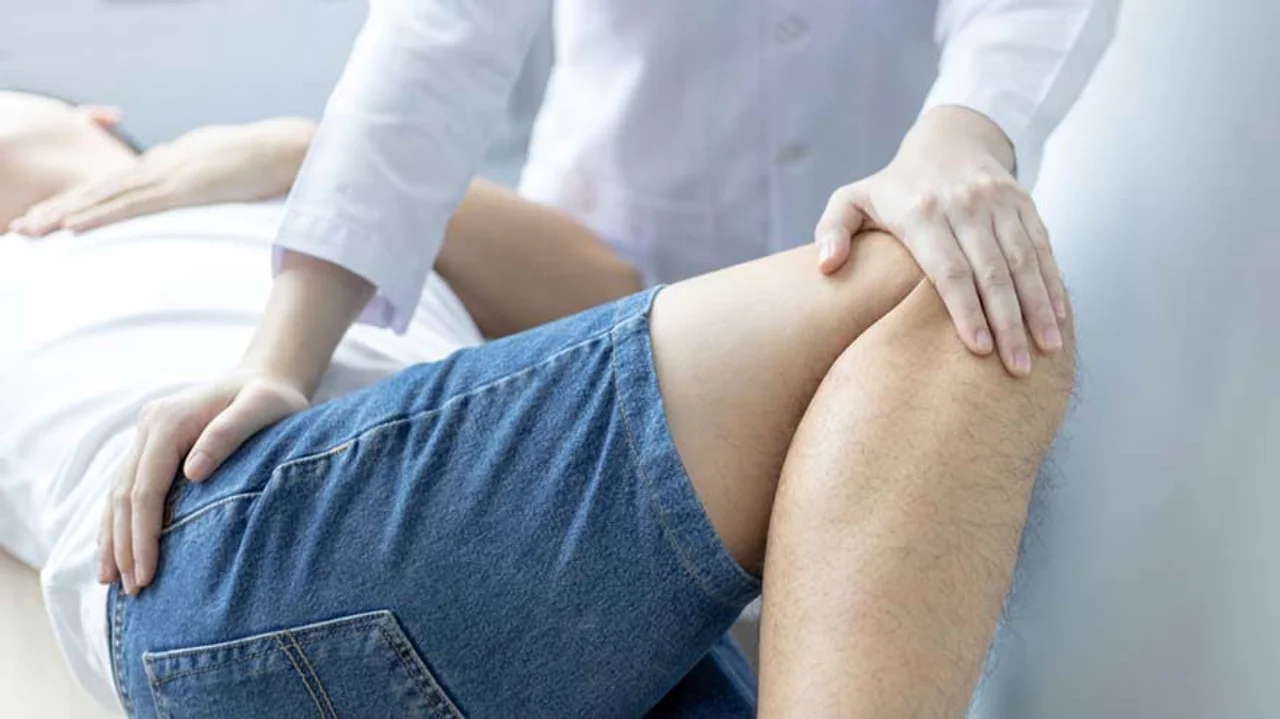
Many people in Seoul spend long hours sitting at a desk, commuting in cars, or looking down at smartphones. Over time, certain postural habits weaken the core and overload the lower back:
1. Pelvic Tilt Imbalances
If your pelvis tilts forward or backward too much, the lumbar spine becomes compressed. Eventually, the discs begin to deteriorate or bulge.
2. Rotational Asymmetry
Korean lifestyles often include crossing legs while sitting, standing with weight on one side, or sleeping on the same side each night. These habits twist the pelvis, pulling on the spine.
3. Weak Deep Core Muscles
When the stabilizing muscles around the spine and hips are weak, the larger muscles overcompensate, causing pressure on the discs.
4. Restricted Hip Mobility
Ironically, a stiff hip can cause more load on the spine, which then leads to disc irritation.
In many cases, the hip pain isn’t just from the disc itself—it’s from a chain reaction of imbalances throughout the entire body. This is why restoring alignment is essential for lasting recovery.
How to Know If Your Hip Pain Is Actually from a Herniated Disc
At our clinic, we look for several distinctive signs:
1. Pain radiates from the lower back into the hip
Even if the back pain is mild, the hip pain can be severe.
2. Hip pain worsens when sitting or bending forward
This typically indicates disc pressure.
3. Hip pain improves slightly when walking
Motion often reduces pressure on the disc.
4. Tingling or numbness appears in the thigh or calf
This suggests nerve involvement.
5. The pain feels deep and muscular
Unlike joint pain—which is sharp and localized—disc-related hip pain often feels like a heavy, deep ache.
If this sounds familiar, don’t ignore it. Treating the spine early prevents the nerve from becoming more irritated over time.
Natural Ways to Fix Herniated Disc–Related Hip Pain
At Banpo Newborn Korean Medicine Clinic, we focus on natural, non-surgical, evidence-based treatments that restore alignment and reduce inflammation. Rather than simply masking symptoms, our treatments correct the root cause of disc pressure.
Here’s how we help patients heal naturally:
1. Spinal Alignment Restoration Therapy (SART)
Our signature treatment developed by Dr. Ungjin Im
SART is a gentle, non-invasive spinal correction method designed to restore the natural curvature of the spine and relieve pressure from herniated discs. Unlike aggressive manipulation, SART focuses on precise micro-adjustments that influence the spine’s three-dimensional structure.
Patients often say it feels like the spine “finally found its place.”
SART works by:
Decompressing the irritated disc
Realigning the pelvis
Restoring balance between the left and right muscles
Improving nerve flow to the hip and leg
Many patients with long-standing hip pain experience noticeable relief after the first few sessions.
2. Spatial Spinal Correction
Rebuilding the spine’s 3D balance
While most clinics address alignment only from the front or side, our spatial spinal correction method evaluates rotation, tilt, and torsion together. This holistic approach is especially effective for disc cases where the hip pain is caused by a twist in the pelvis.
By correcting the spine’s true 3D structure, the hip muscles can finally relax, and nerve irritation decreases naturally.
3. Chuna Therapy for Disc Decompression
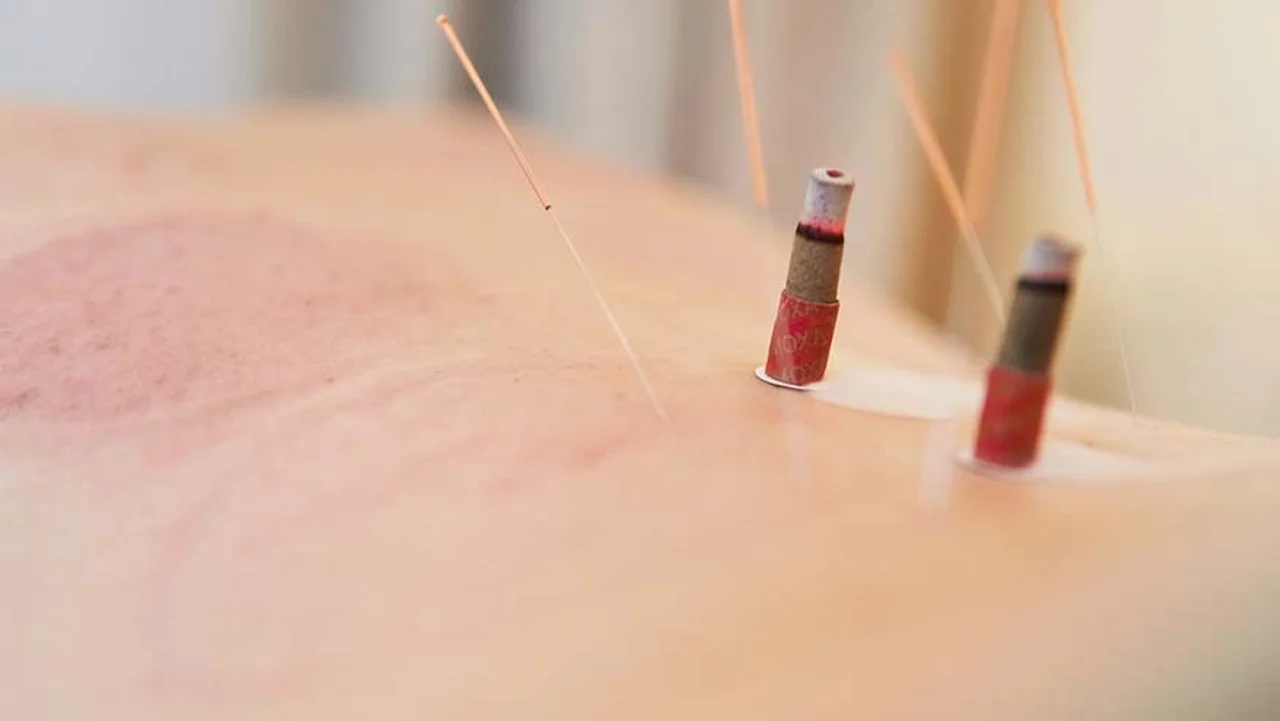
Chuna therapy is one of the most respected forms of manual therapy in Korean medicine. At our clinic, we use specialized Chuna techniques designed specifically for:
Opening compressed lumbar joints
Releasing tension from the hip flexors and glutes
Restoring natural mobility between the vertebrae
Improving circulation around the inflamed disc
When the spine moves smoothly again, the disc can heal more effectively.
4. Customized Corrective Exercises
A gentle approach—not intense workouts
Too many patients try strong stretching or heavy strengthening exercises because they’ve heard it “helps the core.” But when the disc is irritated, intense stretching can actually make the pain worse.
We teach safe, personalized movements that:
Strengthen the deep stabilizers
Reduce pelvic tilt
Improve hip mobility
Restore natural posture
These exercises are simple enough to do at home but powerful enough to protect the spine during daily life.
5. Herbal Anti-Inflammatory Therapy
In Korean medicine, certain herbal formulas are used to:
Reduce nerve inflammation
Promote disc recovery
Improve circulation
Relax tight muscles around the hip and pelvis
Patients often describe a sense of warmth and fluidity returning to the lower body as the inflammation decreases.
6. Lifestyle Realignment for Long-Term Relief
Healing a disc naturally requires daily habits that support the spine. At Banpo Newborn, we guide patients through adjustments like:
Correct sitting posture
How to sleep in a spine-friendly position
How to walk without twisting the pelvis
How to avoid everyday movements that worsen disc pressure
These changes are small but transformative.
A Real Case From Our Clinic
A woman in her early 40s came to us with severe right-side hip pain. She had received hip injections elsewhere, but the relief never lasted more than a few days. Sitting in her office chair was agony. Even stepping into her car triggered sharp pain.
When she reached our clinic, she was nearly convinced she needed hip surgery.
During examination, we discovered a lumbar disc bulge compressing the nerve pathway leading toward her hip. Her pelvis was rotated, and her lower back curve had collapsed from years of sitting forward.
Within a few weeks of SART, spatial spinal correction, and gentle Chuna therapy, her hip pain decreased by nearly 70%. By the end of her treatment plan, she was able to return to exercise and normal daily life.
Stories like this are incredibly common—because once the spine is corrected, the hip pain finally has a chance to heal.
How Long Does Natural Healing Take?
Every patient is unique, but many see improvements within:
1–3 weeks: Decreased hip pain and easier walking
4–6 weeks: Reduced muscle tension, improved posture
8–12 weeks: Significant disc recovery and stable pelvic alignment
Natural healing is not instant, but it is lasting—and it prevents the need for surgery in many cases.
When Should You Seek Professional Care?
If your hip pain:
radiates down the leg
comes with numbness
worsens when sitting
has lasted more than 2–3 weeks
or feels deep and electrical
…you should receive a professional spinal evaluation.
The earlier the disc is treated, the faster you will heal—and the less likely the pain will become chronic.
Final Thoughts: You Don’t Have to Live With Hip Pain
Living with hip pain from a herniated disc can be discouraging. It can make simple tasks feel overwhelming. But the truth is, you’re not stuck. Your body wants to heal, and with the right natural approach, it can.
More Medical Articles
Continue reading clinical insights from Banpo Newborn Korean Medicine Clinic.

Why Seoul is the Global Hub for Minimally Invasive Vertigo Treatment
Dizziness and vertigo are among the most common reasons for hospital visits in South Korea, affecting nearly 16.7% of the adult population annually according to the Korea National Health and Nutrition Examination Survey (KNHANES).
Learn More

Tinnitus Relief in Seoul: Multidisciplinary Upper Cervical Care
For many, the sound of silence is replaced by a persistent ringing, buzzing, or hissing. In South Korea, this is more than an individual annoyance; it is a significant public health trend.
Learn More

Success Rates of SART for OPLL Compared to Standard Laminectomy in Korea
The prevalence of Ossification of the Posterior Longitudinal Ligament (OPLL) in East Asian populations, particularly in South Korea, is significantly higher than in Western countries, affecting approximately 2% to 4% of the population according to nationwide...
Learn More