SART Whole-Body Spinal Alignment, Chuna Therapy & International Patient Concierge
30+ Years Clinical Experience
en-US

Korean Medicine Guide
Herniated Disc Non-Surgical Treatment: SART Recovery Guide 2026
Non-surgical herniated disc treatment using SART at Banpo Newborn. Learn how to avoid surgery, recovery timeline, and real patient results from American patients.
Schedule a ConsultationIntroduction
If you have been told you need back surgery for a herniated disc, you are facing a decision that could impact the next ten or more years of your life and your career. For working professionals like you, surgery means months of recovery, lost income, and uncertain outcomes. But what if there was a proven non-surgical approach that treats the actual structural problem instead of just masking the pain?
Herniated discs cause intense pain, numbness, and weakness, and they are getting worse, not better, despite your attempts at physical therapy or chiropractic care. You have probably tried anti-inflammatory medications, heating pads, and maybe even cortisone injections, only to have the pain return weeks later. The real frustration is knowing something structural is wrong. Your disc has actually ruptured. But surgery feels like overkill and too risky.
By the end of this guide, you will understand exactly how herniated disc non-surgical treatment works, why Spinal Alignment Restoration Therapy (SART) treats the root cause rather than just symptoms, what to expect during recovery, when you can return to work and normal activities, and how to decide if this approach is right for you. You will also see real results from American patients with herniated discs just like yours.
Dr. Ungjin Im, Director of Banpo Newborn Korean Medicine Clinic, has spent over thirty years specializing in herniated disc treatment using SART, a structural correction technique that has treated two hundred or more herniated disc cases annually. With a track record of helping working professionals and busy executives avoid surgery and return to their careers pain-free, Dr. Im brings both expertise and understanding of what matters most to you.
What Is Herniated Disc Non-Surgical Treatment with SART?
Understanding Herniated Disc
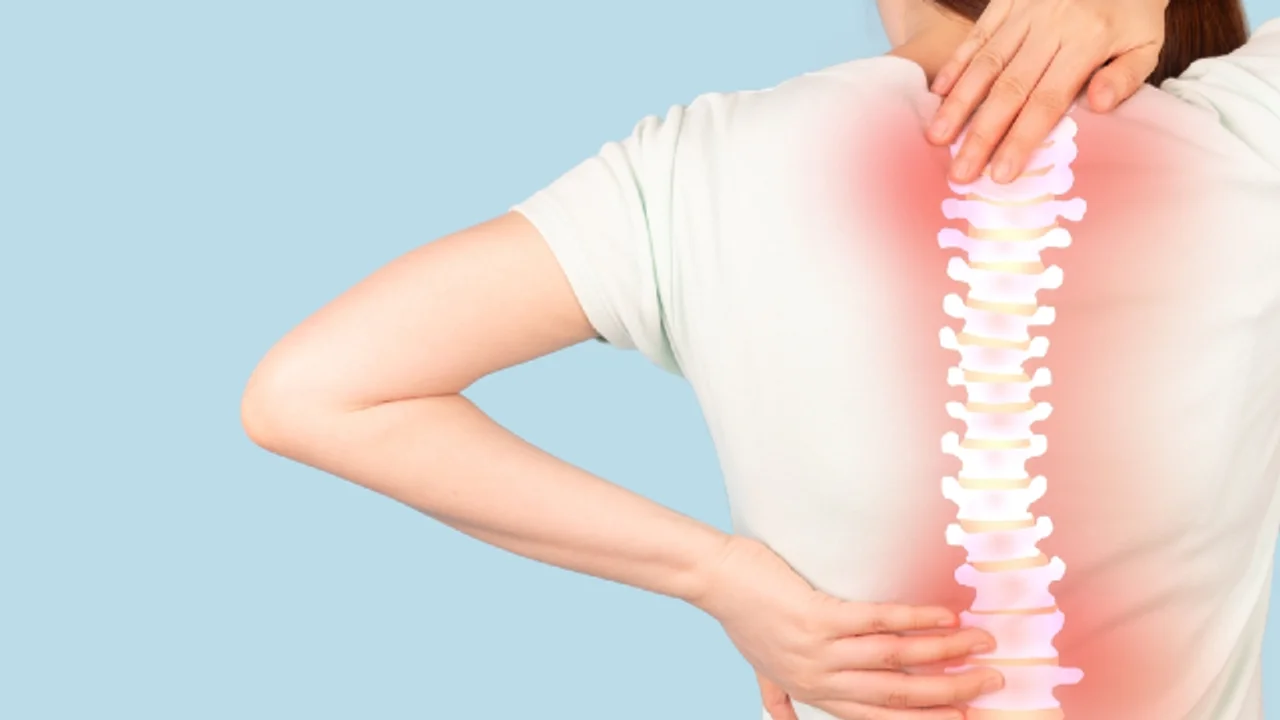
A herniated disc occurs when the soft nucleus pulposus at the center of a spinal disc ruptures through the tough outer layer called the annulus fibrosus. This rupture causes the disc material to extrude into the spinal canal, where it compresses the nerve roots. The result is intense pain, numbness, tingling, and sometimes weakness in the arms or legs, depending on which nerve is affected.
Herniated discs develop gradually. Degeneration of the disc happens over months or years as the disc loses hydration and elasticity. Poor posture, repetitive strain, trauma, or simply the aging process weakens the outer layer. Eventually, a specific movement or stress causes the nucleus to rupture through. This is why a herniated disc sometimes seems to appear suddenly, even though the groundwork was laid over time.
Current conventional treatment options include physical therapy, pain medications, cortisone injections, and in severe cases, surgery. However, these approaches often focus on managing pain rather than fixing the underlying structural problem. Physical therapy can strengthen muscles but does not address the actual herniated disc material. Medications and injections provide temporary relief while the disc remains herniated and inflamed. This is why many people find that their pain returns repeatedly. Herniated disc non-surgical treatment through SART takes a fundamentally different approach by addressing the root structural causes rather than just symptoms.
Introducing SART: Structural Correction Versus Symptom Management
Spinal Alignment Restoration Therapy represents a comprehensive approach to herniated disc structural correction. Instead of just reducing pain, SART addresses the root cause of your herniation: the structural misalignment that perpetuates the disc herniation, the inflammation that exacerbates nerve pain, and the tissue damage that prevents healing.
The philosophy behind SART is simple but powerful. A herniated disc will not spontaneously heal on its own. The disc material will not reabsorb unless the structural pressure is relieved and inflammation is controlled. SART promotes actual healing, not just temporary pain relief. This is why patients see results that last, not temporary relief that leads to repeated treatments.
How does SART differ from traditional chiropractic? While chiropractic focuses primarily on spinal manipulation through forceful adjustments, SART uses gentler, more precise manual techniques combined with acupuncture and herbal medicine. Dr. Im explains: "Most herniated disc treatments focus on pain relief, but the disc material is still protruding into the nerve space. SART addresses the actual structural problem. We use manual therapy to decompress the spine and realign the vertebrae, acupuncture to reduce inflammation and promote healing, and herbal medicine to support tissue repair. That is why patients see results that last, not temporary relief."
The evidence for treating all three factors, alignment, inflammation, and circulation, leads to lasting results because you are addressing the complete picture of why the disc herniated and why it cannot heal without intervention. SART herniated disc structural correction works by combining these three critical components into one integrated treatment protocol.
The Three-Part Treatment Approach
Herniated disc non-surgical treatment at Banpo Newborn consists of three integrated components working together to achieve structural healing.
Manual Therapy and Spinal Decompression
Manual therapy, also called Chuna, uses skilled techniques to realign vertebrae and decompress the nerve space. This is where the structural correction happens. By carefully realigning the vertebrae above and below the herniated disc, manual therapy reduces the pressure that keeps the disc compressed. This decompression creates space for the herniated disc material to gradually reabsorb back into the spinal canal. Unlike aggressive chiropractic adjustments, SART manual therapy is controlled, gentle, and customized to your tolerance level. The treatment directly addresses the structural problem and increases disc space to relieve nerve compression.
Acupuncture for Inflammation and Nerve Pain
Acupuncture reduces inflammation around the compressed nerve, activates your body's natural pain relief mechanisms, and improves blood flow to the injured area. When a disc herniates, inflammation begins immediately. This inflammation exacerbates nerve pain and slows healing. Research shows acupuncture is effective for neuropathic pain, the type of nerve pain associated with herniated discs. In SART treatment, acupuncture for herniated disc relief provides pain reduction while manual therapy addresses the structural problem. The combination allows your body to focus on healing rather than simply managing pain.
Herbal Medicine and Pharmacopuncture
Herbal medicine supports tissue repair at the cellular level and reduces pain while promoting healing. This is different from pain medication, which masks the pain. Herbal medicine helps your body heal itself. Pharmacopuncture, which involves injection of herbal medicine at specific acupuncture points, accelerates this process. By supporting healing from inside, herbal medicine reduces your need for pain medication and promotes long-term recovery. These formulas are tailored to address inflammation, support nerve function, and promote tissue regeneration specific to disc herniation healing.
These three components work synergistically. Manual therapy corrects the structure, acupuncture controls inflammation, and herbal medicine supports tissue healing. This comprehensive approach is why SART achieves lasting results where single modality treatments fail.
How Herniated Disc Develops and Why SART Treatment Works
The Three Stages of Herniated Disc Development
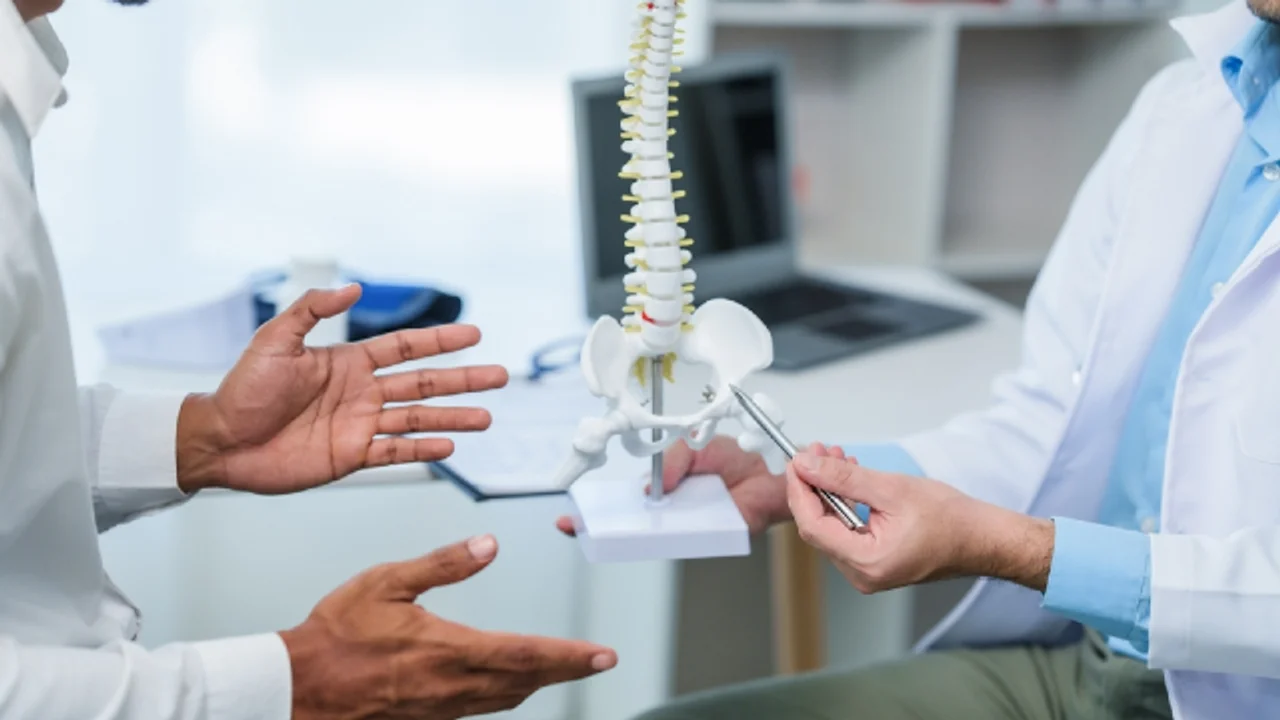
Understanding how your herniated disc developed helps explain why SART is so effective. The process typically unfolds in three distinct stages.
Stage One: Degeneration
Over months or years, your disc loses hydration and elasticity. The outer layer, the annulus fibrosus, weakens. Many people experience this stage without realizing it. There is no pain yet. No symptoms. But structurally, your disc is becoming vulnerable. This stage might last years before anything catastrophic happens.
Stage Two: Herniation
Then comes the acute event. A specific movement, trauma, or sustained pressure causes the nucleus pulposus to rupture through the weakened annulus. The disc material extrudes into the spinal canal and compresses the nerve. Pain, numbness, and weakness appear suddenly or within hours. Inflammation cascades through the injury area. You have a herniated disc that requires herniated disc non-surgical treatment intervention.
Stage Three: Chronic Inflammation
If the herniation is not properly treated, the nerve remains irritated and inflamed. Scar tissue forms. Pain becomes chronic. You become dependent on pain medication. The disc material does not reabsorb because the structural problem remains unaddressed.
Each stage requires different treatment. SART addresses all three simultaneously. It corrects the degeneration by supporting tissue healing, resolves the acute herniation by decompressing the nerve, and prevents chronic inflammation through acupuncture and herbal support. This multi-stage approach is why SART produces results that last.
The Structural Problem: Misalignment and Compression
Here is something many people do not realize: when a disc herniates, the vertebrae above and below often become misaligned. This misalignment perpetuates the disc herniation. It increases nerve compression. It is the reason many treatments fail. They treat inflammation but ignore the underlying misalignment.
Without fixing alignment, the disc stays herniated. Inflammation returns. Pain recurs. This is why people on physical therapy or chiropractic care alone often find their pain returning after a few weeks or months. The structural problem never gets resolved.
SART works because manual therapy corrects vertebral misalignment. Realignment reduces pressure on the herniated disc. Reduced pressure allows the disc to reabsorb gradually back into its proper space. Acupuncture and herbal medicine support tissue healing during this process. The result is actual resolution, not temporary relief.
More Medical Articles
Continue reading clinical insights from Banpo Newborn Korean Medicine Clinic.

Why Seoul is the Global Hub for Minimally Invasive Vertigo Treatment
Dizziness and vertigo are among the most common reasons for hospital visits in South Korea, affecting nearly 16.7% of the adult population annually according to the Korea National Health and Nutrition Examination Survey (KNHANES).
Learn More

Tinnitus Relief in Seoul: Multidisciplinary Upper Cervical Care
For many, the sound of silence is replaced by a persistent ringing, buzzing, or hissing. In South Korea, this is more than an individual annoyance; it is a significant public health trend.
Learn More

Success Rates of SART for OPLL Compared to Standard Laminectomy in Korea
The prevalence of Ossification of the Posterior Longitudinal Ligament (OPLL) in East Asian populations, particularly in South Korea, is significantly higher than in Western countries, affecting approximately 2% to 4% of the population according to nationwide...
Learn More