SART Whole-Body Spinal Alignment, Chuna Therapy & International Patient Concierge
30+ Years Clinical Experience
en-US

Korean Medicine Guide
Herniated Disc or Lumbar Pain? How to Know Which One You Have
Herniated disc or lumbar pain? Learn the differences, symptoms, and how to know which condition is causing your lower back pain.
Schedule a ConsultationHerniated Disc or Lumbar Pain? How to Know Which One You Have
By Banpo Newborn Korean Medicine Clinic, Banpo, Seoul
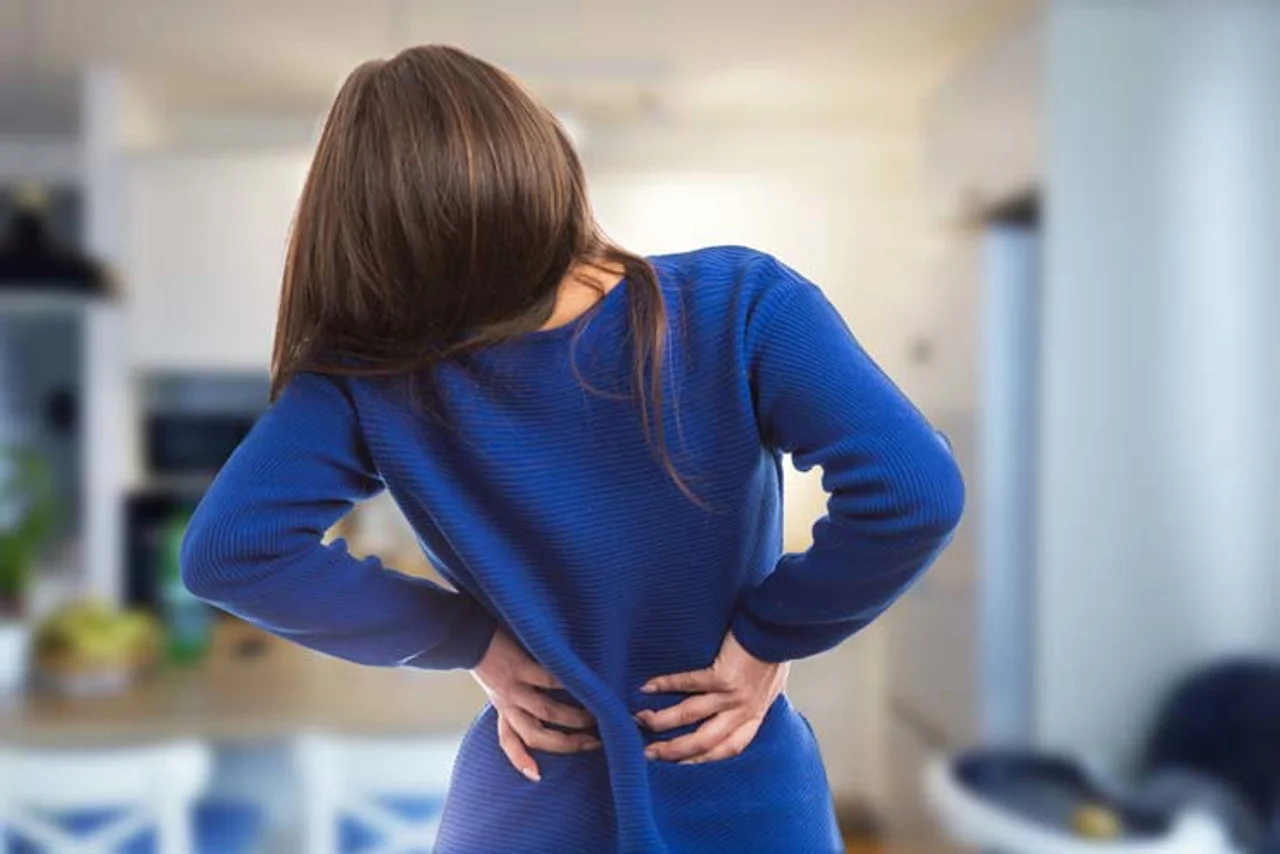
Have you ever bent down to pick something up, only to feel a sudden sharp pain shoot through your lower back? Or maybe you’ve been living with a dull ache for months, unsure whether it’s just “ordinary back pain” or something more serious like a herniated disc. To be honest, many people in Korea come to our clinic after suffering far longer than they needed to—usually because they weren’t quite sure what was wrong in the first place.
At Banpo Newborn Korean Medicine Clinic, we’ve spent over 30 years helping individuals understand and heal the root causes of their spinal pain through non-surgical, holistic methods. One of the questions we hear most often is:
“Is this a herniated disc, or just lumbar pain?”
The truth is that both conditions can feel similar at the beginning, yet the source, severity, and long-term implications can be very different. Understanding the distinction is the first step toward proper recovery.
What Exactly Is Lumbar Pain?
“Lumbar pain” is a broad term that simply describes discomfort originating in the lower back. It doesn’t specify a particular structure—muscles, ligaments, joints, fascia, nerves, or discs. And because so many structures are involved in stabilizing your spine, lumbar pain can come from various sources:
Overworked muscles from sitting too long
Weak core or hip stabilizers
Inflammation from poor posture
Minor joint dysfunctions
Early-stage disc irritation
Stress and tension patterns
This is why many people experience lumbar pain at some point—modern life, especially here in Seoul, is full of habits that strain the lower back: long office hours, commuting, studying, and abundant screen time.
Most general lumbar pain is mechanical, meaning it’s caused by how you move (or don’t move). It often fluctuates: some days it’s there, some days it isn’t. Many patients describe it as:
A dull ache
Tightness or heaviness
A pulling sensation when bending
Pain that improves with rest
Pain that worsens at the end of the day
If your symptoms stay localized to the lower back and do not travel into the legs, the issue may be more related to muscle imbalance or joint misalignment than a serious disc problem.
What Is a Herniated Disc?
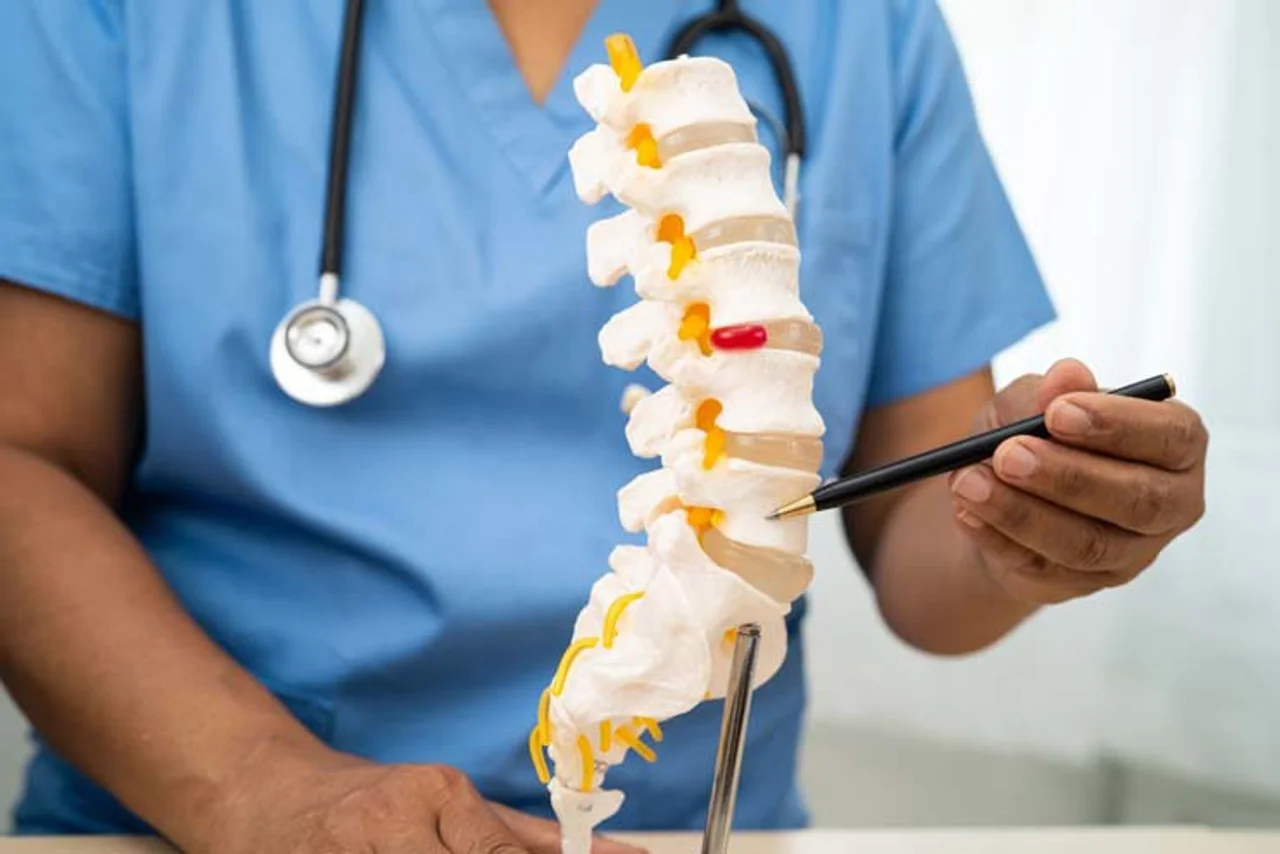
A herniated disc, or “Herniated Nucleus Pulposus (HNP),” occurs when the soft inner material of a spinal disc pushes out through its tougher outer layer. This displacement can irritate or compress nearby nerves, leading to much sharper, more specific symptoms than typical lumbar pain.
To visualize it, think of a house’s foundation. If the ground beneath it shifts even slightly, the entire structure becomes stressed. The spinal disc acts as the cushion that keeps your vertebrae aligned. When it bulges or ruptures, the alignment and space around spinal nerves can change dramatically.
At our clinic, we often see herniated discs in people who:
Sit in rounded posture for long periods
Lift heavy objects with poor form
Engage in repetitive bending or twisting
Have muscle imbalance in the pelvis or core
Experience chronic stress, which tightens the lower back
Herniated discs tend to cause a very characteristic set of symptoms, many of which extend beyond the lower back itself.
Key Differences: Herniated Disc vs. Lumbar Pain
Below is a simplified way to distinguish between these conditions. Of course, a proper diagnosis requires a spinal examination, but these markers can help you understand your body better.
1. Location of Pain
Lumbar pain: Stays in the lower back. Rarely travels into the legs.
Herniated disc: Often radiates down the leg, buttock, or foot (sciatica).
If your pain shoots down your leg, especially past the knee, it is far more likely to involve a disc.
2. Type of Pain
Lumbar pain:
Dull, achy, tight
Worse with certain movements but manageable
Herniated disc:
Sharp, electric, burning, or stabbing
Pain may worsen when coughing, sneezing, or sitting
Many patients tell us, “It feels like a current running down my leg.” That kind of description is almost always nerve-related.
3. Weakness or Numbness
Lumbar pain: Rarely causes numbness or muscle weakness.
Herniated disc: May cause tingling, numbness, or weakness in the legs or feet.
If you notice your foot dragging or difficulty lifting your toes, seek care immediately.
4. Aggravating Factors
Lumbar pain:
Standing too long
Poor posture
Long walks or heavy activities
Herniated disc:
Sitting for even short periods
Forward bending
Sudden movements
Disc symptoms often worsen with sitting because the disc pressure increases significantly in this position.
5. Onset
Lumbar pain: Commonly gradual.
Herniated disc: May appear suddenly—after lifting, bending, or twisting.
Many patients recall a clear moment when the pain first hit.
Why Koreans Often Mistake Lumbar Pain for a Herniated Disc
In Korea, it’s common for people to assume that all back pain is “디스크 (disc trouble).” But in reality, muscular or postural causes are far more common.
We frequently meet patients at Banpo Newborn who feared they had a herniated disc for years, only to discover that their pain was coming from pelvic misalignment or tight lumbar muscles. The opposite also happens—individuals endure years of radiating nerve pain without realizing that a disc injury is involved.
Understanding the difference early prevents unnecessary suffering and guides proper treatment.
How Spinal Misalignment Plays a Role in Both Conditions
One of the most overlooked contributors to both lumbar pain and disc herniation is spinal and pelvic misalignment. When the body’s structure is not balanced, the pressure on the discs becomes asymmetric. Over time, this uneven load can weaken the disc and increase the risk of herniation.
Dr. Ungjin Im, director of Banpo Newborn Korean Medicine Clinic, often explains it this way:
“A misaligned spine is like a tree leaning in the wind. The trunk compensates, the branches strain, and eventually something gives way. Restoring alignment is not optional—it is foundational.”
This is why our treatments focus first on realigning the spine rather than just relieving surface-level pain.
How We Diagnose Herniated Disc vs. Lumbar Pain at Banpo Newborn
While imaging such as MRI can help, many disc and alignment issues can be accurately assessed through manual examination by an experienced practitioner.
At our clinic, diagnosis includes:
1. Spatial Spinal Assessment
A technique developed over decades at Banpo Newborn that evaluates the three-dimensional alignment of the spine, pelvis, and surrounding muscle structures.
2. Nerve Pathway Testing
We assess how nerve signals behave under specific postures and movements, which helps distinguish mechanical pain from neurological compression.
3. Functional Movement Tests
These tests reveal how the spine responds to real-life motion, which is often more telling than still images.
4. Palpation and Pattern Reading
Our practitioners read muscular patterns, tension lines, and thermal changes along the spine to identify early-stage disc involvement.
Through these methods, we can pinpoint whether your symptoms stem from:
Disc bulge
Nerve irritation
Muscle tightness
Joint dysfunction
Pelvic rotation
Postural imbalance
Many patients have expressed relief simply from finally understanding what’s actually happening in their bodies.
Treatment Approaches for Each Condition
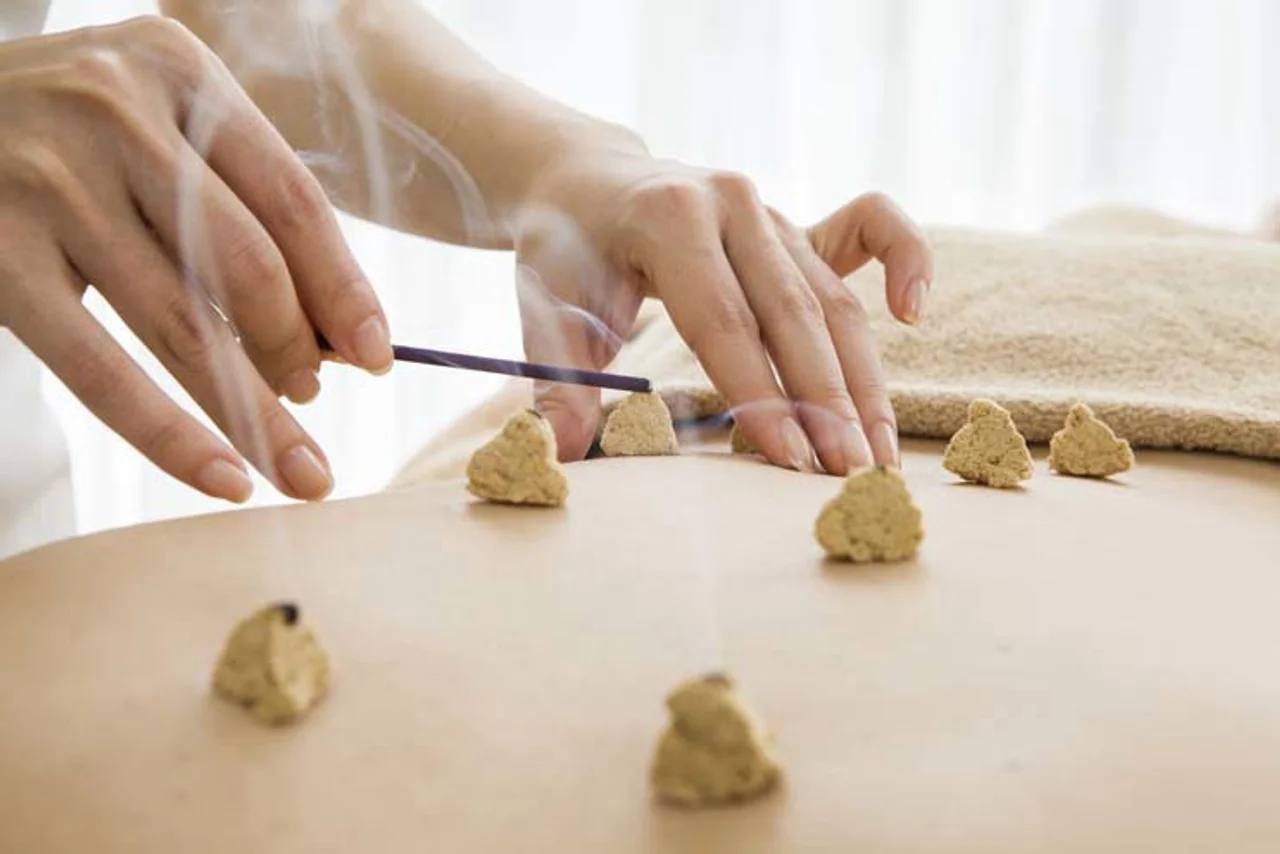
For Lumbar Pain: Rebalance and Restore
Typical lumbar pain responds extremely well to gentle realignment and muscle balancing therapies:
Chuna Manual Therapy
Corrects minor misalignments and releases tight muscles.Spinal Alignment Restoration Therapy (SART)
A signature Banpo Newborn method that retrains the spine into a stable, neutral position.Pelvic Correction
Critical for people whose pain comes from prolonged sitting.Acupuncture for Pain Relief and Circulation
Reduces inflammation and promotes natural healing.
Most patients see noticeable relief within a few sessions because the underlying problem—tension, imbalance, or posture—is directly addressed.
For a Herniated Disc: Reduce Pressure, Realign, and Restore Nerve Space
Disc-related pain requires a deeper, more structural approach:
Spatial Spinal Correction
Repositions the vertebrae to relieve nerve compression.Non-surgical Disc Decompression Techniques
Used when appropriate to gently relieve disc pressure.Precise Muscle Release
Frees the deep stabilizers that protect the disc.Nerve Pathway Rehabilitation
Helps regain normal sensation and strength in affected muscles.
What many patients find encouraging is that non-surgical treatment—when delivered with precision and personalization—can achieve remarkable results without the risks or downtime associated with surgery.
We have seen countless individuals return to walking, exercising, and working comfortably after believing they would suffer for life.
A Real Patient Story
A 42-year-old office worker visited our clinic after six months of radiating leg pain. She feared she needed surgery. After a comprehensive evaluation, we discovered that while her MRI showed a mild disc bulge, the true cause of her pain was pelvic torsion compressing the nerve pathway—not the disc itself.
More Medical Articles
Continue reading clinical insights from Banpo Newborn Korean Medicine Clinic.

Why Seoul is the Global Hub for Minimally Invasive Vertigo Treatment
Dizziness and vertigo are among the most common reasons for hospital visits in South Korea, affecting nearly 16.7% of the adult population annually according to the Korea National Health and Nutrition Examination Survey (KNHANES).
Learn More

Tinnitus Relief in Seoul: Multidisciplinary Upper Cervical Care
For many, the sound of silence is replaced by a persistent ringing, buzzing, or hissing. In South Korea, this is more than an individual annoyance; it is a significant public health trend.
Learn More

Success Rates of SART for OPLL Compared to Standard Laminectomy in Korea
The prevalence of Ossification of the Posterior Longitudinal Ligament (OPLL) in East Asian populations, particularly in South Korea, is significantly higher than in Western countries, affecting approximately 2% to 4% of the population according to nationwide...
Learn More