SART Whole-Body Spinal Alignment, Chuna Therapy & International Patient Concierge
30+ Years Clinical Experience
en-US

Korean Medicine Guide
Holistic Musculoskeletal Rehabilitation
Discover holistic musculoskeletal rehabilitation in Seoul. Dr. Ungjin Im uses integrated Korean medicine for full body recovery. Book your consultation today.
Schedule a ConsultationIntroduction
Are you tired of managing chronic pain with temporary fixes or facing the daunting prospect of invasive surgery? For many patients in cities like New York or Los Angeles the search for a permanent solution to back neck and joint pain often leads to a cycle of medication and frustration. The traditional medical model often treats the body as a collection of separate parts rather than a unified system. When you visit a specialist for knee pain they look at the knee. When you visit a specialist for back pain they look at the spine. However the human body does not function in isolation. A problem in the foundation of your posture can radiate pain throughout your entire frame.
Conventional rehabilitation often focuses solely on the site of pain ignoring the intricate web of connections within the human frame. This approach which some call a band aid approach fails to address why the pain started in the first place. This leads to recurrences and long term postural decline. If the underlying structural imbalance is not corrected the symptoms will eventually return often with greater intensity. This is where holistic musculoskeletal rehabilitation offers a transformative alternative. By looking at the body as a whole system we can identify the root causes of dysfunction and provide a path to lasting wellness.
This article covers a wide range of topics essential for your recovery journey. We will explore the philosophy of integrated Korean medicine for full body recovery and explain why holistic musculoskeletal rehabilitation is superior to localized treatment. You will learn how Dr. Ungjin Im and his thirty years of experience can help you avoid surgery and restore your vitality. We also provide practical logistics for international patients traveling from the United States to Seoul for specialized care.
As a Doctor of Korean Medicine with more than thirty years of clinical experience Dr. Ungjin Im has dedicated his career to refining spinal alignment and musculoskeletal rehabilitation. Performing over two hundred specialized procedures annually at Banpo Newborn Korean Medicine Clinic he provides a level of expertise that bridges ancient wisdom with modern physiological needs. His commitment to non surgical recovery has helped thousands of patients regain their mobility and live pain free lives.
The role of artificial intelligence in modern medical articles is also worth noting. AI helps with extensive research and structuring content to ensure that complex medical information is presented clearly. It supports search engine optimization so that patients in need can find this life changing information more easily. AI speeds up the content creation process while maintaining high standards of readability. However accuracy and compliance remain the top priorities. Every piece of medical information provided here is based on the proven clinical practices of Dr. Ungjin Im and is subject to rigorous medical review to ensure patient safety and education.
Understanding Holistic Musculoskeletal Rehabilitation
To understand holistic musculoskeletal rehabilitation we must first redefine what it means to be healthy. Health is not merely the absence of pain but the presence of optimal function. When we speak of a holistic approach we are talking about a methodology that considers the physical structural internal and even emotional aspects of a patient. In the context of the musculoskeletal system this means recognizing that every muscle bone and joint is part of a continuous kinetic chain.
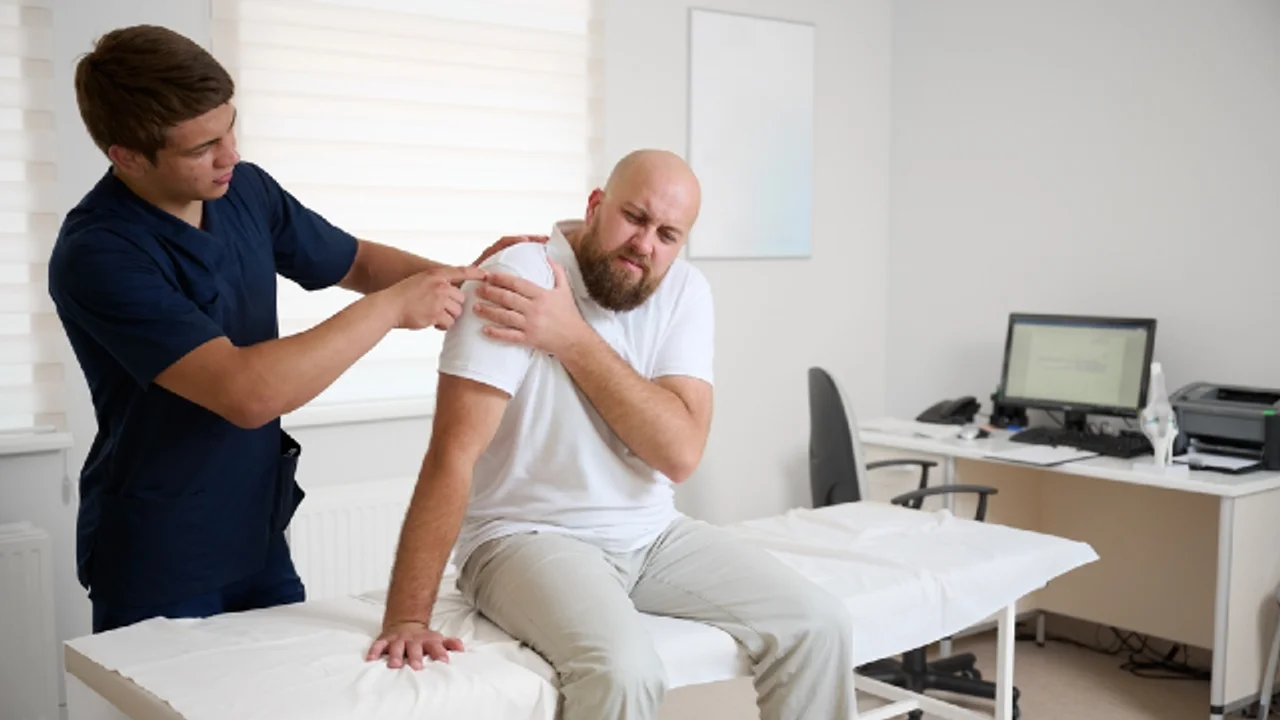
Defining the Holistic Approach involves looking at the body as a single unit. If the neck is out of alignment the lower back will eventually suffer as the body tries to compensate for the shifted center of gravity. For example a patient may come in complaining of chronic lower back pain. A standard examination might focus only on the lumbar vertebrae. However a holistic assessment might reveal that the primary issue is actually a misalignment in the cervical spine or even the jaw. This misalignment causes the entire spine to twist and strain the lower back muscles. Holistic musculoskeletal rehabilitation addresses the primary cause to resolve the secondary symptoms.
The Limitations of Traditional Localized Therapy are becoming more apparent to patients who seek long term relief. Standard Western physical therapy often focuses on strengthening muscles around a painful joint. While strengthening is important it does not always correct the structural misalignment that caused the joint stress. If you put a new tire on a car with a bent axle the new tire will simply wear out prematurely. Similarly if you strengthen muscles around a misaligned spine the underlying stress on the discs and nerves remains. Integrated Korean medicine seeks to straighten the axle before reinforcing the tires.
Restoring Balance to the Entire System is the ultimate goal of holistic musculoskeletal rehabilitation. When the spine is properly aligned the nervous system can function without interference. This impacts everything from muscle coordination to internal organ function and blood flow. Proper alignment ensures that the body can distribute weight evenly and move with efficiency. This systemic balance is what allows the body to heal itself. Without the constant stress of structural imbalance the innate healing mechanisms of the body can finally take over and repair damaged tissues.
Dr. Ungjin Im often says that we do not just treat the pain we treat the person. True rehabilitation requires looking at the foundation of the body which is the spine and how it supports every other function. This philosophy is the cornerstone of the work performed at Banpo Newborn Clinic. It is why patients from across the globe seek out this specific form of holistic musculoskeletal rehabilitation.
Chronic pain management through a holistic lens also means addressing inflammation. Inflammation is the body response to injury or stress. When a joint is out of place the surrounding tissues become chronically inflamed. This inflammation can lead to further tissue breakdown and more pain. By combining structural correction with internal medicine we can reduce this inflammation and create an environment conducive to recovery. This is the essence of integrated musculoskeletal treatment Korean medicine.
The Core Components Of Integrated Musculoskeletal Treatment Korean Medicine
Integrated musculoskeletal treatment Korean medicine is a sophisticated blend of various modalities designed to work in harmony. At Banpo Newborn Clinic the program is not a one size fits all solution. It is a customized journey tailored to the specific structural needs of each patient. There are several core components that make this approach unique and highly effective.
Spinal Alignment and Space Spinal Correction represent the clinic most specialized offering. Space spinal correction is a unique technique that focuses on creating physical space between the vertebrae. Over time due to gravity aging and poor posture the discs between our bones can become compressed. This compression leads to herniation and nerve impingement. By using specialized tools and manual techniques Dr. Ungjin Im creates the space necessary for these discs to return to their natural positions. This is a critical part of holistic musculoskeletal rehabilitation because it addresses the physical cause of nerve pain.
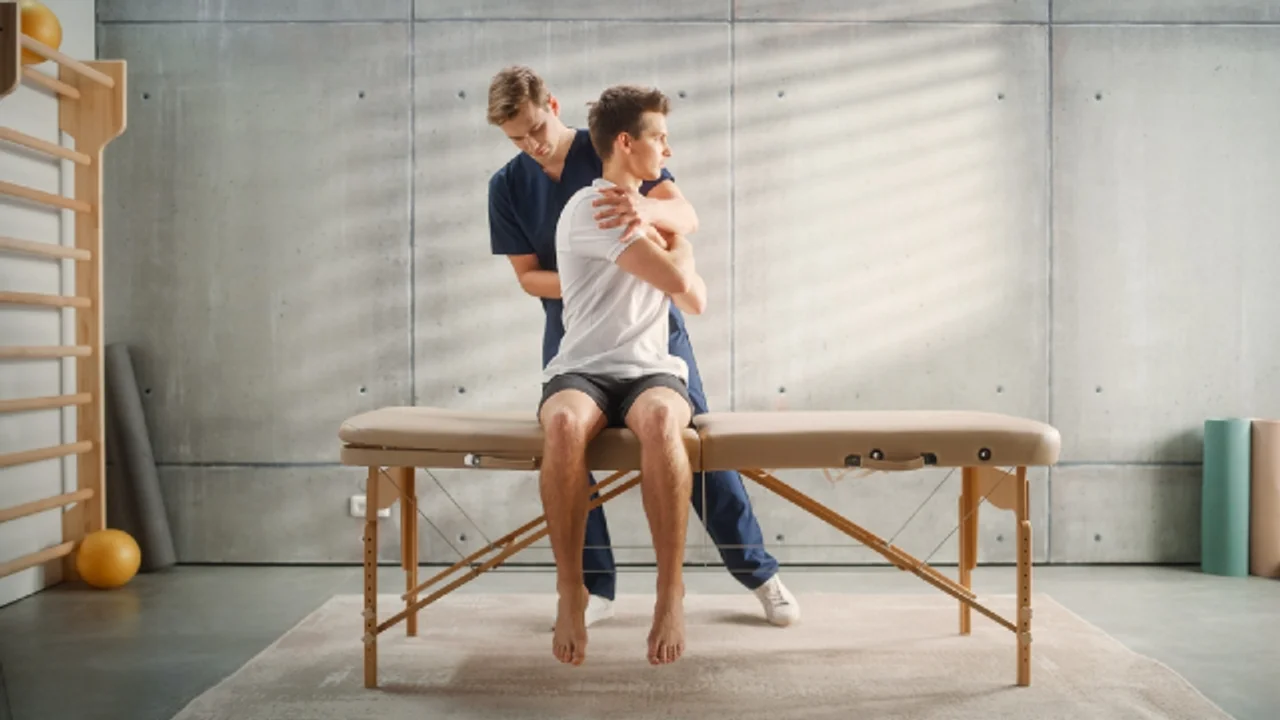
Chuna Manual Therapy is another essential pillar of our program. Unlike standard massage which focuses on soft tissue Chuna manual therapy involves the structural manipulation of bones and joints. The practitioner uses their hands and specialized tables to apply controlled pressure and movement to specific areas of the body. This helps to correct postural imbalance and restore normal range of motion. It is a highly skilled practice that requires a deep understanding of anatomy and bio mechanics. Chuna is often used to treat conditions like scoliosis pelvic tilt and neck stiffness.
Herbal Medicine and Pharmacopuncture support the structural work from the inside out. While manual therapies fix the alignment herbal medicine therapy focuses on strengthening the ligaments and tendons that hold the bones in place. These natural formulas help to reduce systemic inflammation and improve blood circulation to the injured areas. Pharmacopuncture involves injecting small amounts of herbal extracts into specific acupuncture points. This provides a dual benefit of mechanical stimulation and biochemical healing. It is particularly effective for chronic pain management where the tissues have become weak or congested.
TMJ and Facial Asymmetry Correction might seem unrelated to back pain but they are deeply connected. The temporomandibular joint or TMJ is one of the most complex joints in the body. When the jaw is out of alignment it can cause the muscles of the neck and head to tighten. This tension then travels down the spine affecting the shoulders and lower back. By correcting the jaw position we can often see immediate improvements in overall spinal stability. This is a perfect example of the whole system musculoskeletal healing approach.
The following list illustrates how different treatment modalities provide specific patient benefits within our holistic musculoskeletal rehabilitation program.
Treatment Modality and Patient Benefit:
More Medical Articles
Continue reading clinical insights from Banpo Newborn Korean Medicine Clinic.

Why Seoul is the Global Hub for Minimally Invasive Vertigo Treatment
Dizziness and vertigo are among the most common reasons for hospital visits in South Korea, affecting nearly 16.7% of the adult population annually according to the Korea National Health and Nutrition Examination Survey (KNHANES).
Learn More

Tinnitus Relief in Seoul: Multidisciplinary Upper Cervical Care
For many, the sound of silence is replaced by a persistent ringing, buzzing, or hissing. In South Korea, this is more than an individual annoyance; it is a significant public health trend.
Learn More

Success Rates of SART for OPLL Compared to Standard Laminectomy in Korea
The prevalence of Ossification of the Posterior Longitudinal Ligament (OPLL) in East Asian populations, particularly in South Korea, is significantly higher than in Western countries, affecting approximately 2% to 4% of the population according to nationwide...
Learn More