SART Whole-Body Spinal Alignment, Chuna Therapy & International Patient Concierge
30+ Years Clinical Experience
en-US

Korean Medicine Guide
How Chronic Headaches May Be Connected to Neck and Jaw Tension
Chronic headaches may be linked to neck and jaw tension. Learn how muscle imbalance, TMJ issues, and posture contribute—and what treatments help.
Schedule a ConsultationHow Chronic Headaches May Be Connected to Neck and Jaw Tension

Have you ever noticed that your headaches seem to worsen after a long day at the computer, a stressful meeting, or even after waking up in the morning with a stiff neck or sore jaw? If so, you are far from alone. At Banpo Newborn Korean Medicine Clinic, many patients initially visit us for chronic headaches, only to discover that the real source of their pain lies not just in the head—but in the neck, jaw, and overall spinal alignment.
To be honest, most people don’t realize how interconnected the body truly is. A headache rarely exists in isolation. Instead, it is often the final signal of a deeper imbalance, especially involving tension in the cervical spine (neck) and temporomandibular joint (TMJ). Understanding this connection can be the first step toward lasting relief rather than temporary symptom control.
In this article, we’ll explore what chronic headaches are, why neck and jaw tension play such a significant role, and how holistic, non-invasive treatments can address the root cause, not just the pain itself.
Understanding Chronic Headaches: More Than Just Head Pain
Chronic headaches are generally defined as headaches that occur 15 days or more per month for at least three months. They can take many forms, including tension-type headaches, cervicogenic headaches, and migraines. While each has different characteristics, they often share a common underlying factor: musculoskeletal dysfunction.
From a clinical perspective, headaches are not always neurological in origin. In fact, a significant number are mechanical headaches, meaning they stem from issues in the muscles, joints, and posture of the body—particularly the neck and jaw.
Many patients tell us, “I’ve had brain scans, blood tests, and eye exams, but everything comes back normal.” While this can feel frustrating, it also provides an important clue: if no structural problem is found in the brain itself, the source of pain may lie elsewhere.
The Neck–Headache Connection: Why the Cervical Spine Matters
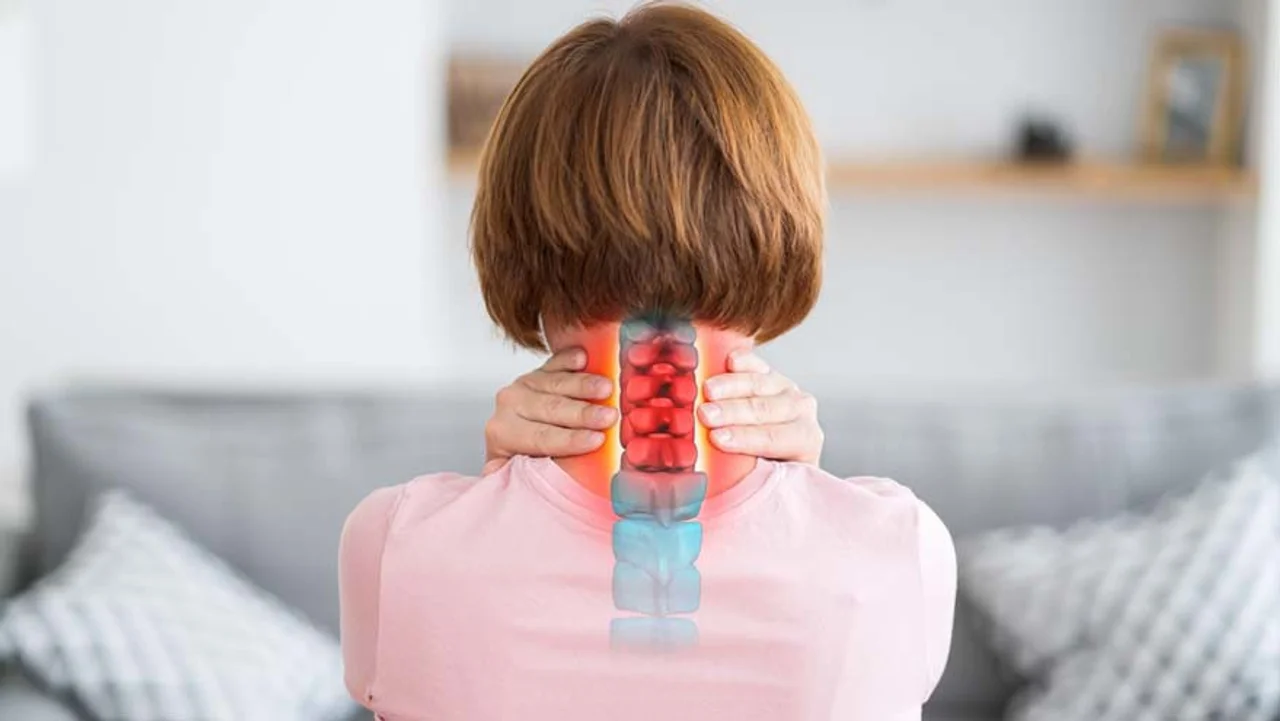
The neck is one of the most complex and vulnerable areas of the body. It supports the weight of the head—about 4 to 6 kilograms—while allowing for a wide range of motion. When the cervical spine is properly aligned, this system works efficiently. When it’s not, tension and pain can easily develop.
Cervicogenic Headaches Explained
One common type of headache related to neck dysfunction is the cervicogenic headache. This headache originates in the cervical spine but is felt in the head, often on one side. Pain may radiate from the base of the skull toward the temples, forehead, or behind the eyes.
Key contributors include:
Forward head posture
Stiff or misaligned cervical vertebrae
Tight suboccipital muscles at the base of the skull
Reduced mobility in the upper neck joints
In modern life, prolonged smartphone use, desk work, and poor posture place enormous strain on the neck. Over time, the muscles remain in a constant state of contraction, reducing blood flow and irritating surrounding nerves. The body responds with pain—often in the form of headaches.
At Banpo Newborn Korean Medicine Clinic, we often compare this to a bent antenna. If the antenna (your neck) is tilted or twisted, the signal (nerve communication) becomes distorted, and the result is discomfort that travels upward.
The Jaw’s Role: How TMJ Tension Triggers Headaches
The jaw joint, or temporomandibular joint (TMJ), is one of the most frequently overlooked contributors to chronic headaches. Yet anatomically and functionally, it is deeply connected to the head and neck.
How TMJ Dysfunction Develops
TMJ dysfunction can arise from:
Teeth grinding or clenching (bruxism)
Chronic stress and emotional tension
Poor posture affecting jaw alignment
Past trauma to the face or neck
When the jaw is misaligned or overworked, the surrounding muscles—including those extending into the temples, ears, and neck—become tense and fatigued. This tension can easily manifest as:
Temple headaches
Pain behind or around the eyes
A heavy, pressure-like sensation in the head
Headaches accompanied by jaw clicking or stiffness
Many patients are surprised when we ask about jaw symptoms during a headache consultation. But once they reflect, they often realize they clench their teeth unconsciously—especially during stress or sleep.
The Neck and Jaw Are Not Separate Systems
One of the most important insights we share with patients is this: the neck and jaw function as a single biomechanical unit.
The muscles and fascia connecting the jaw extend into the neck and shoulders. When jaw alignment is off, the neck compensates. When the neck is misaligned, the jaw adapts. Over time, this compensation creates a cycle of tension that repeatedly triggers headaches.
Think of it like a tree leaning in the wind. If the roots (spine and jaw alignment) are unstable, the trunk and branches (muscles and nerves) must strain to keep balance. Eventually, something gives—and pain is often the result.
Stress, the Nervous System, and Chronic Tension
Stress plays a crucial role in chronic headaches, but not always in the way people expect. It’s not just about feeling anxious—it’s about how stress affects the nervous system and muscle tone.
Under stress, the body enters a state of heightened alertness. Muscles in the neck, shoulders, and jaw tighten reflexively. If this state becomes chronic, the muscles never fully relax, even during rest.
In Korean medicine, this is often described as stagnation—when circulation of energy and blood becomes restricted. From a modern medical perspective, it aligns closely with reduced blood flow, muscle fatigue, and nerve sensitization.
This is why many patients say their headaches worsen during stressful periods and improve temporarily during vacations, only to return once daily life resumes.
Why Painkillers Often Fall Short
While pain medication can provide short-term relief, it rarely addresses the underlying cause of chronic headaches linked to neck and jaw tension.
Painkillers work by blocking pain signals or reducing inflammation, but they do not:
Correct spinal or jaw misalignment
Release deep muscular tension
Restore proper movement patterns
Over time, reliance on medication can even lead to rebound headaches or increased sensitivity to pain.
This is why many patients eventually seek a more holistic approach—one that looks at why the headache keeps coming back.
A Holistic Perspective: Treating the Root, Not Just the Symptom
At Banpo Newborn Korean Medicine Clinic, our approach is grounded in the belief that lasting healing comes from restoring balance to the body as a whole. Chronic headaches related to neck and jaw tension require a comprehensive evaluation, not a one-size-fits-all solution.
Comprehensive Assessment
We begin by carefully examining:
Cervical spine alignment and mobility
Jaw position and TMJ function
Postural patterns and gait
Muscle tone and asymmetry
Nervous system sensitivity
Often, small misalignments—imperceptible on standard imaging—can have a significant impact on daily comfort.
Spinal Alignment Restoration Therapy (SART) and Headache Relief
One of the unique approaches developed at our clinic is Spinal Alignment Restoration Therapy (SART). This method focuses on gentle, precise correction of spinal imbalances, particularly in the cervical region.
Unlike forceful manipulation, SART emphasizes:
Safety and precision
Respect for the body’s natural movement
Gradual restoration of alignment
By improving the structural foundation of the neck, pressure on surrounding muscles and nerves is reduced, often leading to a noticeable decrease in headache frequency and intensity.
Chuna Therapy and TMJ Balance

Chuna therapy, a traditional Korean manual therapy, is especially effective for patients with jaw-related headaches. Through skilled, hands-on techniques, Chuna helps:
Release tight jaw and neck muscles
Improve joint mobility
Restore harmony between the jaw, neck, and spine
Patients often report not only fewer headaches but also improvements in jaw stiffness, neck flexibility, and overall relaxation.
Real Patient Experiences: When the Headache Finally Makes Sense
Many patients tell us that their biggest relief isn’t just physical—it’s emotional. After years of unexplained pain, understanding why their headaches occur brings a sense of clarity and hope.
One patient shared, “I always thought my headaches were just something I had to live with. I never imagined my jaw and posture were the real problem.”
This realization is powerful. When patients understand their bodies, they become active participants in their healing—not passive recipients of temporary fixes.
Daily Habits That Can Reduce Neck and Jaw Tension
While clinical treatment is essential, daily habits also play a significant role in long-term improvement. We often recommend:
Adjusting screen height to reduce forward head posture
Taking frequent breaks during desk work
Practicing gentle neck and jaw relaxation exercises
Becoming aware of unconscious clenching
Prioritizing restorative sleep
These small changes, when combined with professional care, can dramatically reduce headache recurrence.
When to Seek Professional Help
If you experience headaches that are:
Persistent or worsening
Accompanied by neck stiffness or jaw pain
Triggered by posture or stress
Resistant to medication
…it may be time to look beyond the head itself.
A thorough musculoskeletal and postural evaluation can reveal patterns that are often missed in conventional headache treatment.
A Final Thought: Healing Is Possible
More Medical Articles
Continue reading clinical insights from Banpo Newborn Korean Medicine Clinic.

Why Seoul is the Global Hub for Minimally Invasive Vertigo Treatment
Dizziness and vertigo are among the most common reasons for hospital visits in South Korea, affecting nearly 16.7% of the adult population annually according to the Korea National Health and Nutrition Examination Survey (KNHANES).
Learn More

Tinnitus Relief in Seoul: Multidisciplinary Upper Cervical Care
For many, the sound of silence is replaced by a persistent ringing, buzzing, or hissing. In South Korea, this is more than an individual annoyance; it is a significant public health trend.
Learn More

Success Rates of SART for OPLL Compared to Standard Laminectomy in Korea
The prevalence of Ossification of the Posterior Longitudinal Ligament (OPLL) in East Asian populations, particularly in South Korea, is significantly higher than in Western countries, affecting approximately 2% to 4% of the population according to nationwide...
Learn More