SART Whole-Body Spinal Alignment, Chuna Therapy & International Patient Concierge
30+ Years Clinical Experience
en-US

Korean Medicine Guide
How We Helped a Patient Avoid Surgery for Herniated Disc
Discover how a patient avoided herniated disc surgery through non-surgical spine care, regenerative therapy, and personalized pain management.
Schedule a ConsultationHow We Helped a Patient Avoid Surgery for Herniated Disc
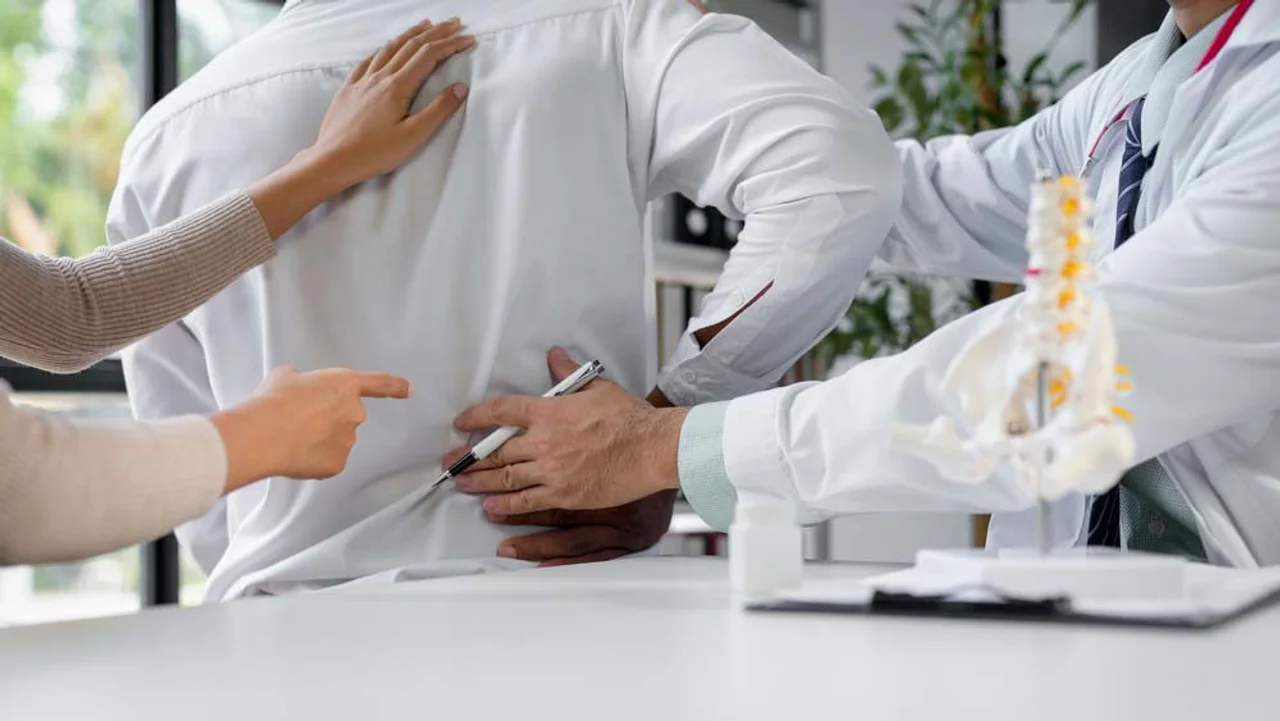
Have you ever been told, “Surgery is the only option left”—and felt your heart sink the moment you heard it?
At Banpo Newborn Korean Medicine Clinic, we meet patients like this almost every week. People who have tried medication, physical therapy, injections, and rest, only to be told that a scalpel may be the next step.
To be honest, many of them arrive frightened—not just of the surgery itself, but of what life might look like afterward.
This is the story of one such patient. It is not a miracle story, and it is not about rejecting modern medicine. Instead, it is about understanding the spine correctly, respecting the body’s natural healing capacity, and applying precise, non-invasive spinal alignment therapy at the right time.
This is how we helped a patient avoid surgery for a herniated disc—and regain their life.
Understanding Herniated Disc Beyond the MRI
A herniated disc sounds frightening, and the diagnosis often comes with dramatic MRI images: a disc bulging outward, pressing against nerves, accompanied by arrows and alarming explanations.
But here is something many patients are never told.
A herniated disc is often a result—not the root cause—of spinal imbalance.
In Korean medicine and modern biomechanical science alike, the spine is not viewed as a stack of independent bones. It is a dynamic structure, constantly responding to posture, gravity, muscle tension, and movement habits.
When spinal alignment is lost—even slightly—the pressure distribution on the discs changes. Over time, certain discs are overloaded, dehydrated, and eventually weakened. Herniation is frequently the final outcome of years of subtle imbalance.
At Banpo Newborn Korean Medicine Clinic, led by Dr. Ungjin Im, we do not ask only “Which disc is damaged?”
We ask a deeper question:
Why did this disc fail while others survived?
The Patient Who Walked in With a Surgery Date
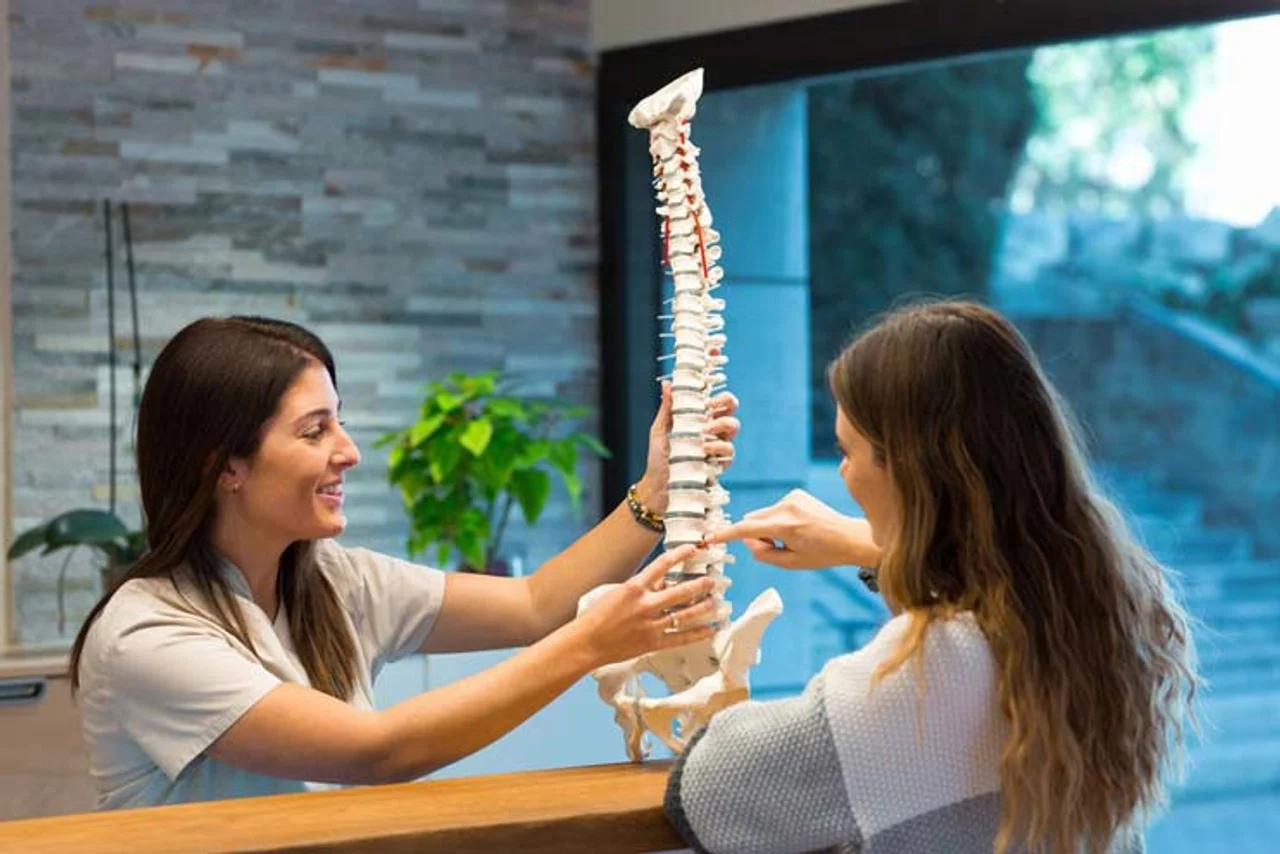
The patient we are sharing this story about was a man in his late 40s, a company employee who had spent over 20 years sitting at a desk for long hours. Like many professionals in Korea, his days were long, his posture was poor, and exercise was often postponed for “when things calm down.”
They never did.
His Symptoms Were Severe
When he first visited our clinic, his condition had already progressed:
Persistent lower back pain lasting over a year
Sharp radiating pain down the right leg (classic sciatica)
Numbness and tingling in the calf and foot
Difficulty sitting for more than 10 minutes
Sleep disruption due to pain
An MRI confirmed a lumbar disc herniation at L4–L5, compressing the nerve root. He had already consulted an orthopedic surgeon and was given a surgery recommendation.
What stood out was this sentence he said quietly during the consultation:
“I’m not afraid of surgery itself. I’m afraid that even after surgery, I won’t truly recover.”
That concern was valid.
Why Many Patients Hesitate Before Disc Surgery
Spinal surgery can be necessary and lifesaving in certain cases—such as progressive paralysis or loss of bladder control. However, many patients are offered surgery before all conservative options are fully explored.
Common fears we hear include:
Long recovery time
Scar tissue formation
Reduced spinal flexibility
Risk of recurring disc herniation
Dependence on painkillers post-surgery
From our clinical experience over 30 years, we have seen that many herniated disc patients can recover without surgery, if the treatment addresses spinal alignment, not just pain.
Our First Priority: A Different Kind of Diagnosis
Before touching the spine, Dr. Im performed a comprehensive evaluation that went far beyond MRI findings.
What We Assessed
Whole-spine alignment (not just lumbar region)
Pelvic tilt and rotation
Leg length discrepancy during movement
Muscle compensation patterns
Gait and weight distribution
TMJ (jaw) alignment, which often correlates with spinal tension
What we found was revealing.
The patient’s pelvis was significantly rotated, causing asymmetrical load on the lumbar spine. His spine had adapted to this imbalance for years, gradually overloading the L4–L5 disc.
The disc herniation, in this case, was not random—it was predictable.
Why Pain Treatment Alone Was Not Enough
Before coming to Banpo Newborn, the patient had tried:
Painkillers and anti-inflammatory medication
Physical therapy focused on the lower back
Nerve block injections
Each provided temporary relief, but the pain always returned.
This is because pain relief does not equal structural correction.
Treating pain without correcting alignment is like repainting a cracked wall without fixing the foundation. It may look better for a while, but the damage underneath continues.
Our Approach: Spinal Alignment Restoration Therapy (SART)
At Banpo Newborn Korean Medicine Clinic, we use a proprietary method known as Spinal Alignment Restoration Therapy (SART)—a non-invasive, highly precise approach developed through decades of clinical practice.
What Makes SART Different
No forceful manipulation
No cracking or aggressive twisting
Focus on spatial correction, not symptom suppression
Adjustments customized to each patient’s structure
Dr. Im often explains it like this:
“The spine doesn’t need to be forced. It needs to be guided back to where it naturally belongs.”
The Treatment Plan: Step by Step
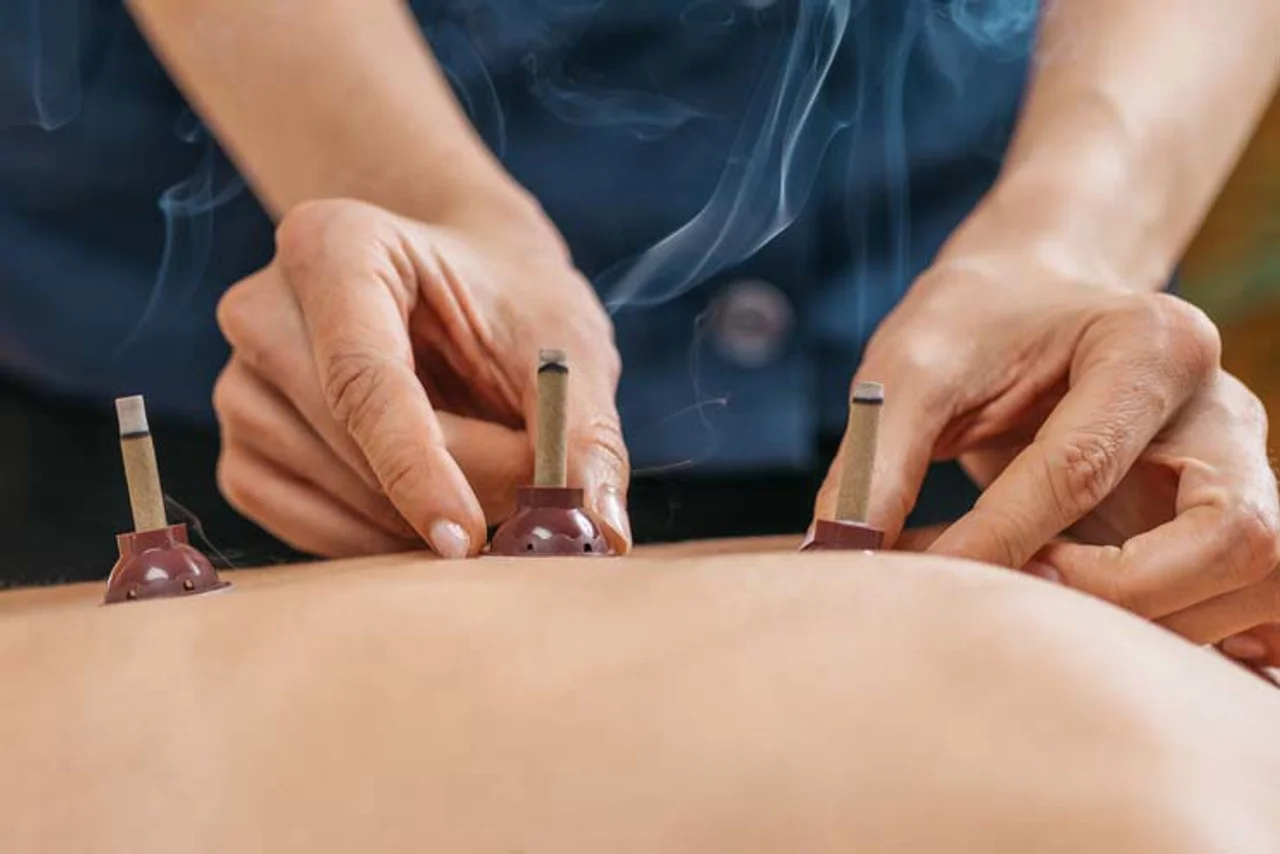
Phase 1: Stabilization and Nerve Relief
The first goal was not disc “retraction,” but reducing abnormal nerve pressure by correcting pelvic and spinal alignment.
Gentle Chuna-based alignment therapy
Muscle relaxation to release chronic guarding
Postural correction during daily activities
Within two weeks, the patient reported:
Reduced leg pain intensity
Less numbness in the foot
Improved sleep quality
Phase 2: Structural Rebalancing
As symptoms stabilized, treatment focused on deeper correction:
Spatial spinal correction to redistribute load
Pelvic realignment to reduce lumbar stress
Guided movement therapy to retrain posture
This phase was crucial. Without correcting the pelvis, lumbar treatment alone would have failed.
Phase 3: Functional Recovery
By the third month, the patient could:
Sit comfortably for over an hour
Walk without radiating pain
Resume light exercise
Importantly, he no longer relied on pain medication.
What Happened to the Herniated Disc?
One of the most common questions patients ask is:
“Did the disc go back in?”
The honest answer is: discs heal gradually, not dramatically.
Research shows that when spinal alignment is corrected and inflammation decreases, the body can naturally reduce disc protrusion over time. More importantly, nerve irritation decreases, which is what causes pain.
In this patient’s follow-up imaging and clinical evaluation:
Nerve compression symptoms resolved
Functional movement normalized
Surgery was no longer recommended
The Emotional Side of Recovery
Physical recovery is only half the story.
The patient later shared something meaningful:
“For the first time, I felt like my body was working with me, not against me.”
Chronic pain often brings anxiety, fear, and helplessness. As alignment improved, his confidence returned. He began trusting his body again.
This emotional shift is something we see often—and it matters.
Why Avoiding Surgery Was Possible in This Case
It is important to be clear and responsible.
Not every herniated disc can or should avoid surgery. However, this case succeeded because:
There was no irreversible nerve damage
The root biomechanical cause was identified
Treatment began before permanent degeneration
The patient committed to posture and lifestyle changes
Timing and precision made all the difference.
A Message From Dr. Ungjin Im
Dr. Im often reminds patients:
“The spine is not fragile—it is intelligent. When we restore balance, the body remembers how to heal.”
This philosophy guides every treatment at Banpo Newborn Korean Medicine Clinic.
When Should You Consider Non-Surgical Treatment?
You may be a candidate for non-surgical herniated disc care if:
You have persistent back or leg pain
MRI shows disc herniation without severe paralysis
Pain fluctuates with posture or movement
You want to avoid invasive procedures
A comprehensive spinal evaluation can clarify your options.
Final Thoughts: Surgery Is Not the Only Path
If you have been told surgery is inevitable, take a breath.
Explore all possibilities. Understand your spine as a whole system—not a broken part to be removed or fixed in isolation.
At Banpo Newborn Korean Medicine Clinic, we have helped countless patients rediscover movement, comfort, and confidence—without surgery—through precise, patient-centered spinal care.
If you’ve been living with pain for years, it might feel like you’re stuck.
But you’re not alone. And healing may still be possible.
More Medical Articles
Continue reading clinical insights from Banpo Newborn Korean Medicine Clinic.

Why Seoul is the Global Hub for Minimally Invasive Vertigo Treatment
Dizziness and vertigo are among the most common reasons for hospital visits in South Korea, affecting nearly 16.7% of the adult population annually according to the Korea National Health and Nutrition Examination Survey (KNHANES).
Learn More

Tinnitus Relief in Seoul: Multidisciplinary Upper Cervical Care
For many, the sound of silence is replaced by a persistent ringing, buzzing, or hissing. In South Korea, this is more than an individual annoyance; it is a significant public health trend.
Learn More

Success Rates of SART for OPLL Compared to Standard Laminectomy in Korea
The prevalence of Ossification of the Posterior Longitudinal Ligament (OPLL) in East Asian populations, particularly in South Korea, is significantly higher than in Western countries, affecting approximately 2% to 4% of the population according to nationwide...
Learn More