SART Whole-Body Spinal Alignment, Chuna Therapy & International Patient Concierge
30+ Years Clinical Experience
en-US


Korean Medicine Guide
Inside a Personalized Treatment Plan for Muscle Dystonia
Discover how personalized treatment plans for muscle dystonia work, including diagnostics, therapies, and tailored care to improve mobility and quality of life.
Schedule a ConsultationInside a Personalized Treatment Plan for Muscle Dystonia

By Banpo Newborn Korean Medicine Clinic, Banpo, Seoul
Have you ever watched your own muscles move in ways you didn’t intend—twitching, tightening, or pulling your body off balance? Many of our patients come to us after years of living with mysterious stiffness or involuntary movements, unaware that what they’re experiencing may be a form of muscle dystonia, a neurological condition that disrupts the brain–muscle communication network. Often, they arrive exhausted—not only physically but emotionally—after long cycles of misdiagnoses, temporary fixes, and frustration.
At Banpo Newborn Korean Medicine Clinic, we have spent more than three decades guiding patients through the maze of chronic musculoskeletal and neurological conditions. Muscle dystonia is one of the conditions where our holistic, alignment-centered approach truly shines. To be honest, many people don’t realize how much of their dystonia symptoms trace back to subtle misalignments in the spine, imbalanced fascial tension, or chronic compensatory patterns that have accumulated over years of stress, posture habits, or past injuries.
A personalized treatment plan is not simply a list of procedures—it is a roadmap to restoring balance in a body that has been fighting against itself. Today, we’re taking you inside that process: what it looks like, why each step matters, and how tailored care can transform the daily lives of dystonia patients.
What Exactly Is Muscle Dystonia? A Practical Explanation
Muscle dystonia occurs when the signals between the brain, spinal cord, and muscles become dysregulated. Instead of smooth, coordinated movement, the body produces:
Involuntary contractions
Sustained muscle tightness
Abnormal postures
Twisting movements
A sense of “lock-up” or loss of control
Some people feel it first as neck tension that never quite releases. Others notice a hand that curls during simple tasks, or a leg that pulls inward when walking. Because symptoms can appear gradually, many patients dismiss early signs as stress, fatigue, or “just aging.”
In Korean clinical culture, people often seek non-surgical, whole-body solutions before considering more invasive treatments. This mindset aligns naturally with dystonia care because the condition requires more than targeting a single muscle—it demands rebalancing the entire neuromuscular system.
Why Personalized Care Matters More for Dystonia Than Most Conditions
Two people with dystonia can share the same diagnosis but experience their symptoms completely differently. One may have painful spasms in the neck, while another struggles with handwriting or jaw tension. Even the emotional experience varies: some live with embarrassment from visible symptoms; others feel anxious because their body seems unpredictable.
At our clinic, we often say:
“There is no ‘typical’ dystonia patient—only a unique pattern hidden beneath the surface.”
That is why personalized treatment is not optional; it is essential. Dystonia is influenced by:
Individual posture and spinal alignment
Old injuries
Daily movement habits
Facial and TMJ patterns
Emotional stress
Breathing mechanics
Neurological sensitivity
If these factors differ from person to person, shouldn’t their treatment reflect that?
Step Inside a Personalized Dystonia Treatment Plan
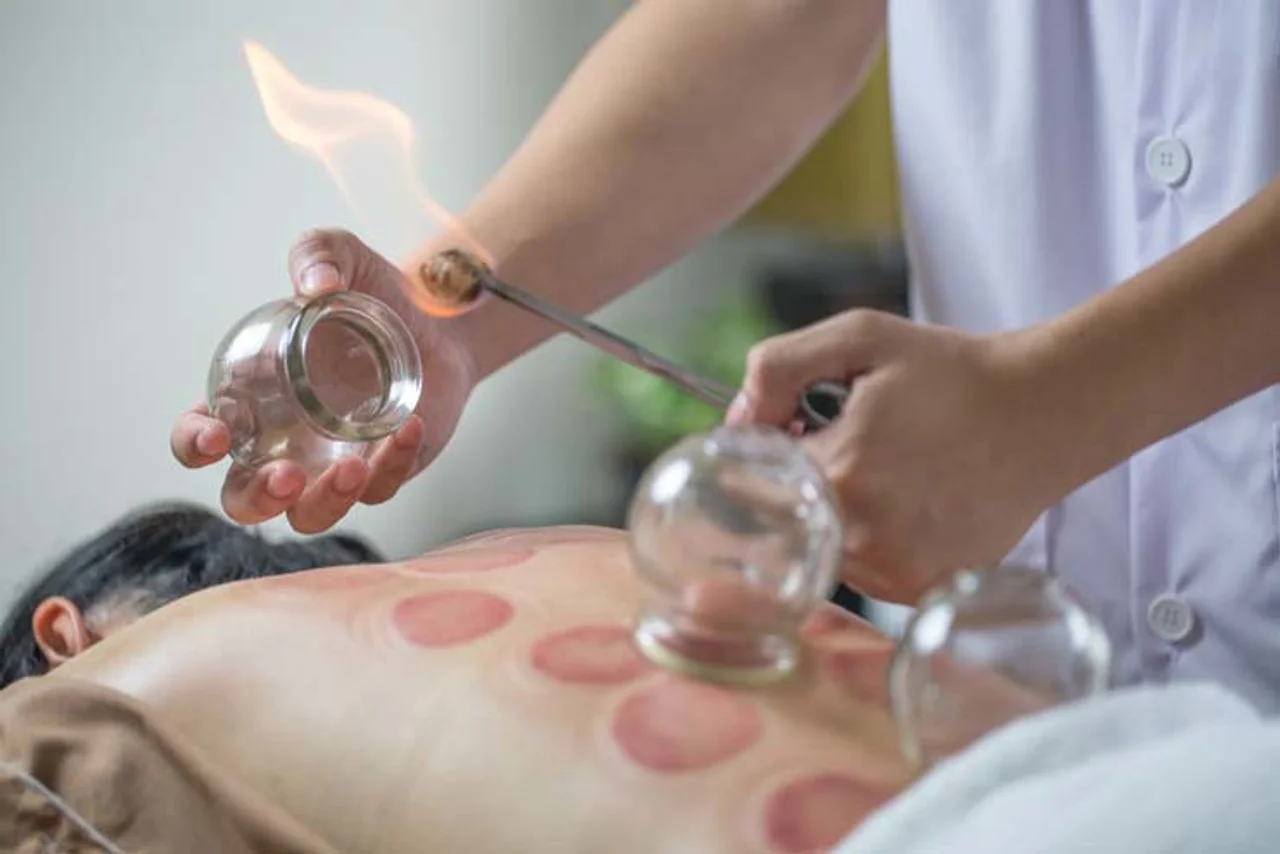
Below is the actual process a patient undergoes at Banpo Newborn Korean Medicine Clinic. Each step is designed to reveal the body’s “map” and guide us toward customized care.
Understanding the Patient’s Story First
It may surprise you, but our diagnostic process begins with conversation, not tests. Dystonia is deeply personal, and understanding the patient’s journey is essential.
Patients often share:
When symptoms began and what was happening in their life at the time
Emotional stressors that may trigger or worsen spasms
Activities that are difficult: driving, writing, sleeping, swallowing
Previous treatments that did or didn’t help
Daily habits such as device use, work posture, or exercise routines
It’s common for a patient to say, “I’ve never had a doctor ask me this before.” But dystonia is as much about patterns as symptoms. To identify those patterns, we must first listen.
Multi-Dimensional Diagnostic Assessment
Once we understand the patient’s lived experience, we begin a detailed physical and neurological evaluation. Our diagnostic framework includes:
Spinal Alignment Analysis
We assess the spatial orientation of the spine—how each segment interacts mechanically and neurologically. Even a few millimeters of rotation in the cervical spine can disrupt muscle coordination in the neck, face, or shoulders.
Many dystonia patients show:
Atlas (C1) or axis (C2) misalignment
Rib cage rotation
Pelvic tilt
Uneven fascial tension lines
These subtle findings often explain why medication alone doesn’t fully resolve symptoms.
TMJ and Cranial Evaluation
TMJ (temporomandibular joint) imbalance is one of the most overlooked triggers of dystonia. Even mild jaw misalignment can alter the tension of neck muscles, tongue posture, breathing patterns, and the vagus nerve.
Neuromuscular Pattern Testing
We evaluate the speed, rhythm, and coordination of involuntary movements, along with reflex pathways that reveal how the nervous system is compensating.
Gait and Functional Movement Screening
Foot placement, hip rotation, and trunk posture can worsen dystonia, especially in cervical and limb types. You might not think your walking pattern affects your neck muscles—but it often does.
After this full assessment, we build a treatment plan rooted in each patient’s unique movement system—not a general dystonia protocol.
Creating a Personalized Treatment Blueprint
Every dystonia treatment plan at our clinic includes both core therapies and individualized strategies tailored to the patient’s neurological and structural profile.
Below are the main components.
A. Spatial Spinal Correction (SART) – The Foundation
Developed and refined by Dr. Ungjin Im over decades of practice, Spinal Alignment Restoration Therapy (SART) corrects micro-misalignments in the spine through precise, low-force adjustments.
Why this matters for dystonia:
Spinal misalignment disrupts nerve conduction
Muscle tension becomes asymmetrical
The brain receives distorted proprioceptive signals
This feedback loop intensifies dystonic patterns
Restoring spatial alignment breaks that cycle, giving the nervous system space to recalibrate.
A patient once told us, “For the first time in years, I felt like my neck wasn’t fighting me,” right after a SART session.
Chuna Manual Therapy
As one of the most widely respected non-invasive therapies in Korean medicine, Chuna helps release the deep, patterned tension that dystonia creates.
We use specific Chuna techniques for dystonia, focusing on:
Cervical fascial release
Upper thoracic mobility
Pelvic realignment for gait dystonia
Cranial rhythm balancing
TMJ decompression
Chuna is gentle but powerful. Patients often describe it as “my body finally exhaling.”
TMJ and Cranial Balancing
Because dystonia often worsens with stress, jaw tension, or clenching, we address cranial symmetry and TMJ alignment early in treatment.
This reduces:
Facial pulling
Neck rotations
Head tremors
Difficulty swallowing
Shoulder tightness
In many dystonia cases, TMJ care becomes the turning point.
Neuromuscular Re-education
This is not traditional exercise. It retrains how the brain perceives movement.
We guide patients through movements designed to:
Correct abnormal firing patterns
Reduce involuntary contractions
Build symmetry
Restore proprioception
Improve motor timing
Even simple head-turning exercises can reshape neural pathways when performed with precision and guidance.
Korean Medicine Integrative Therapies

Depending on the patient’s condition, we may incorporate:
Acupuncture to regulate neuromuscular tension
Herbal medicine to calm the nervous system and reduce inflammation
Moxibustion for circulation and muscle relaxation
Electro-acupuncture for targeted neuromuscular modulation
These therapies support the body’s internal balance while alignment and manual therapy address external structure.
The Patient’s Role: Guided Daily Habits That Make the Biggest Difference
A personalized dystonia plan extends far beyond the clinic. We teach patients small, manageable habits that support healing.
Postural Micro-Adjustments
These are tiny shifts—such as relaxing the rib cage, aligning the pelvis, or maintaining neutral jaw posture—that dramatically reduce dystonic triggers throughout the day.
Breathing Training
Dystonia often worsens when breathing becomes shallow. We teach rib-expansion breathing that reduces sympathetic overactivity.
Stress Modulation Techniques
Because anxiety can amplify dystonia, we incorporate simple strategies like sensory grounding, vagus nerve stimulation, and structured rest routines.
Avoidance of Aggravating Movements
Each patient receives a list of personalized “red flag motions”—habitual movements that worsen their pattern. For some it’s asymmetric phone use; for others, a certain sleeping position.
When patients follow these guidelines, their improvement accelerates, and symptoms become more predictable and manageable.
Real-World Transformations: What Improvement Looks Like
Patients often ask, “How will I know it’s working?”
The answer: change happens gradually, then suddenly.
Common milestones include:
More Medical Articles
Continue reading clinical insights from Banpo Newborn Korean Medicine Clinic.

Why Seoul is the Global Hub for Minimally Invasive Vertigo Treatment
Dizziness and vertigo are among the most common reasons for hospital visits in South Korea, affecting nearly 16.7% of the adult population annually according to the Korea National Health and Nutrition Examination Survey (KNHANES).
Learn More

Tinnitus Relief in Seoul: Multidisciplinary Upper Cervical Care
For many, the sound of silence is replaced by a persistent ringing, buzzing, or hissing. In South Korea, this is more than an individual annoyance; it is a significant public health trend.
Learn More

Success Rates of SART for OPLL Compared to Standard Laminectomy in Korea
The prevalence of Ossification of the Posterior Longitudinal Ligament (OPLL) in East Asian populations, particularly in South Korea, is significantly higher than in Western countries, affecting approximately 2% to 4% of the population according to nationwide...
Learn More