SART Whole-Body Spinal Alignment, Chuna Therapy & International Patient Concierge
30+ Years Clinical Experience
en-US

Korean Medicine Guide
Is It Time to Get Help for That Chronic Shoulder Ache?
Struggling with chronic shoulder pain? Learn when to seek treatment, common causes, and effective options to restore mobility and relieve lasting shoulder ache.
Schedule a ConsultationIs It Time to Get Help for That Chronic Shoulder Ache?

Have you ever caught yourself rubbing your shoulder absentmindedly during the day—at your desk, while driving, or even while trying to fall asleep? At first, it may have felt like nothing more than stiffness or fatigue. But over time, that dull discomfort quietly became a daily companion. If this sounds familiar, you’re not alone.
At Banpo Newborn Korean Medicine Clinic, we meet many patients who have lived with chronic shoulder pain for years before seeking help. To be honest, most people don’t come in because the pain suddenly appeared. They come in because the pain never left. And by the time they do, it has already begun affecting sleep, posture, mood, and overall quality of life.
So the real question isn’t “Is shoulder pain common?”
It’s “Why has this pain stayed with you for so long—and what is your body trying to tell you?”
When Shoulder Pain Stops Being “Normal”
Occasional shoulder discomfort after heavy work or exercise is not unusual. The shoulder is one of the most mobile joints in the human body, and it works hard every day. However, pain that lasts longer than three months enters a different category—chronic shoulder pain.
Chronic pain is not simply a lingering injury. It is often a sign that the body has adapted to imbalance.
Many of our patients initially dismiss their symptoms:
“It’s just bad posture.”
“I sleep on my side.”
“I use the computer too much.”
“It’ll go away eventually.”
But when pain becomes persistent, spreads toward the neck or arm, or worsens with rest rather than activity, it is rarely just a local shoulder problem.
In Korean medicine, we see chronic pain as a communication failure between structure, nerves, and circulation. When that communication is disrupted long enough, the body compensates—often in ways that create even more strain.
The Shoulder Is Not an Isolated Joint

One of the most important things we explain to patients is this:
The shoulder does not work alone.
Anatomically and functionally, the shoulder is deeply connected to:
The cervical spine (neck)
The thoracic spine (upper back)
The rib cage
The jaw (TMJ)
The pelvis and overall posture
If the spine is even slightly misaligned, the shoulder must adapt to maintain balance. Over time, this compensation leads to muscle tightening, joint compression, and nerve irritation.
We often use a simple metaphor in the clinic:
If the foundation of a house tilts, the doors and windows begin to jam—not because they are broken, but because the structure underneath has shifted.
The shoulder behaves the same way.
Why Modern Life Makes Shoulder Pain Worse
In Korea, we see a particularly high number of patients with shoulder pain related to modern work and lifestyle patterns. Long hours at desks, excessive smartphone use, and chronic stress all play a role.
Common contributors we see daily:
Forward head posture from screen use
Rounded shoulders from prolonged sitting
Jaw clenching linked to stress
Shallow breathing that limits rib mobility
Uneven spinal loading due to pelvic imbalance
Over time, these patterns subtly distort spinal alignment. The shoulder then bears the burden, often without any obvious injury.
This is why imaging tests such as X-rays or MRIs sometimes fail to explain the pain fully. The issue is not always visible damage—it is functional imbalance.
When Shoulder Pain Is Actually a Spinal Problem
One of the most misunderstood aspects of shoulder pain is its relationship with the spine.
At Banpo Newborn, many patients arrive after trying:
Painkillers
Physical therapy
Injections
Massage
Even surgery consultations
Yet their pain persists.
In a significant number of these cases, we find:
Cervical vertebral misalignment affecting nerve pathways
Upper thoracic stiffness limiting shoulder mechanics
Asymmetrical spinal rotation altering muscle tension
TMJ imbalance pulling the neck and shoulder out of alignment
Dr. Ungjin Im often explains it this way:
“If the nerve signal traveling from the spine to the shoulder is distorted, the shoulder cannot heal properly—even if the joint itself looks normal.”
This insight is central to our approach.
The Korean Medicine Perspective on Chronic Shoulder Pain
Traditional Korean medicine does not treat pain as a standalone symptom. Instead, we ask:
Where is circulation restricted?
Where is alignment compromised?
Where is the body compensating instead of moving naturally?
Chronic shoulder pain often involves:
Qi and blood stagnation in the shoulder and upper back
Structural imbalance in the spine
Muscle guarding driven by nervous system stress
Rather than forcing the shoulder to relax, we focus on restoring the conditions that allow it to relax naturally.
This is where modern Korean medicine, combined with precise spinal correction, becomes especially powerful.
Why Temporary Relief Is Not the Same as Healing
Many patients tell us:
“Massage helps, but the pain always comes back.”
This is an important clue.
Temporary relief means muscles are being loosened, but the cause of tension remains unchanged. If the spine continues to send uneven signals or the posture continues to collapse forward, the shoulder will tighten again—sometimes within hours.
True healing requires:
Correcting spinal alignment
Normalizing joint mechanics
Reducing nerve irritation
Re-educating posture and movement
Without addressing these factors, chronic pain becomes a cycle rather than a condition.
How Spinal Alignment Restoration Therapy (SART) Helps
At Banpo Newborn Korean Medicine Clinic, we developed Spinal Alignment Restoration Therapy (SART) to address chronic musculoskeletal pain at its root.
SART is not forceful manipulation. It is a precise, non-invasive method designed to restore spatial balance in the spine.
For shoulder pain patients, SART focuses on:
Cervical and upper thoracic alignment
Scapular positioning
Rib cage mobility
Neuromuscular coordination
By correcting the spine first, the shoulder often begins to move more freely—sometimes before direct shoulder treatment even begins.
Patients are often surprised when they notice:
Reduced pain without aggressive shoulder work
Improved range of motion
Less tension in the neck and jaw
Better sleep quality
The Role of Chuna Therapy in Shoulder Recovery
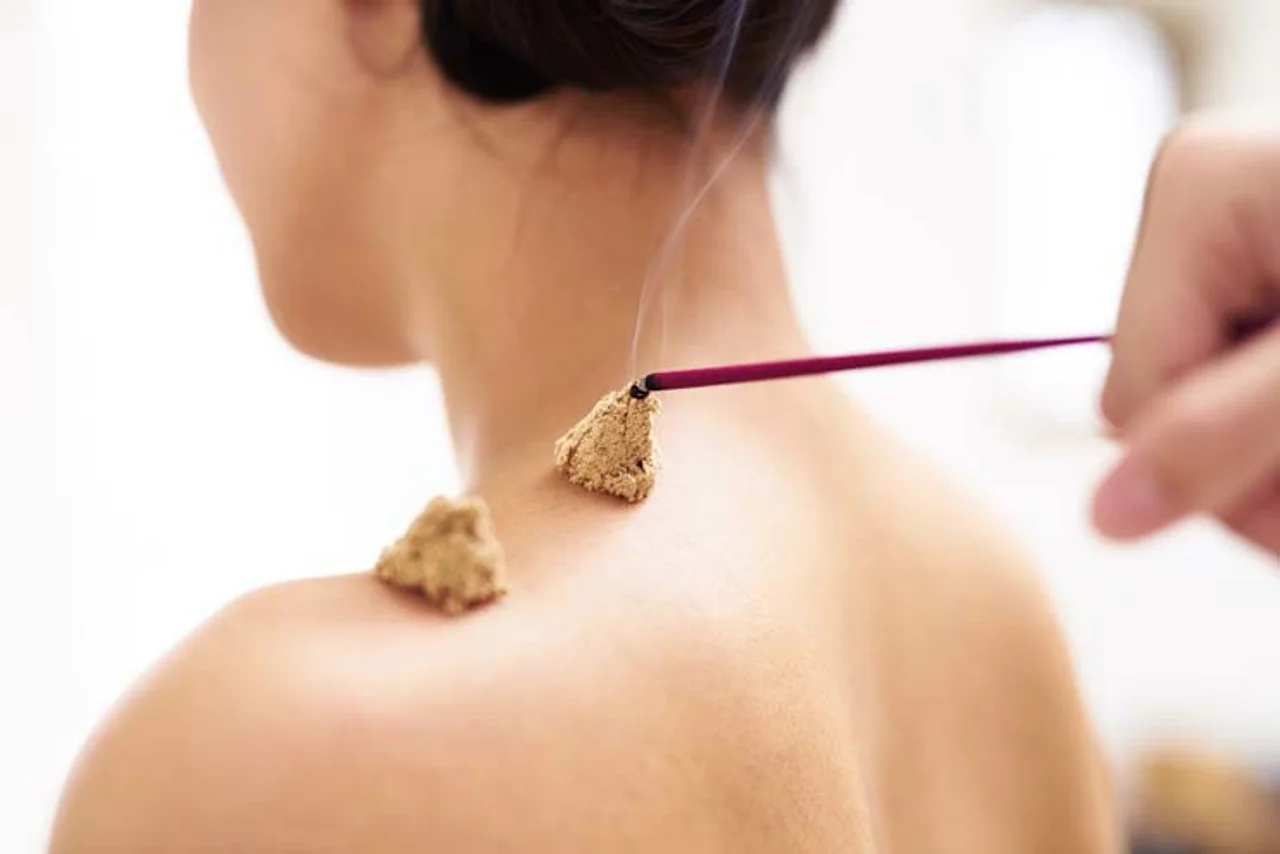
Chuna therapy, a cornerstone of Korean medicine, complements spinal alignment work by restoring joint harmony and soft tissue balance.
In chronic shoulder cases, Chuna is used to:
Release deep muscular adhesions
Improve joint play without strain
Restore symmetrical movement patterns
Support nervous system regulation
Unlike general manual therapy, Chuna is guided by diagnostic findings, not just painful areas.
This allows treatment to remain gentle yet effective—especially important for patients who have lived with pain for many years.
Real Patient Experiences: When Pain Finally Makes Sense
We often hear patients say:
“This is the first time someone explained why my shoulder hurts.”
One patient, a 42-year-old office worker from Seoul, lived with shoulder pain for over six years. Despite normal imaging results, his pain worsened every winter and disrupted his sleep.
After a thorough spinal and postural evaluation, we discovered subtle cervical rotation and TMJ imbalance. Following a series of SART and Chuna sessions, his pain gradually reduced—not because the shoulder was “fixed,” but because the body stopped compensating.
Stories like this are not rare in our clinic. They remind us that understanding precedes healing.
When Should You Seek Professional Help?
If you are unsure whether it’s time to get help, consider these questions:
Has your shoulder pain lasted longer than three months?
Does it interfere with sleep or daily activities?
Does it return quickly after rest or massage?
Do you also experience neck stiffness, headaches, or jaw tension?
Have standard treatments failed to provide lasting relief?
If you answered “yes” to even one of these, your body may be asking for a more comprehensive approach.
Why Early Intervention Matters
Chronic pain rarely stays confined to one area. Over time, shoulder pain can lead to:
Reduced mobility
Postural deterioration
Increased nerve sensitivity
Emotional fatigue and frustration
The longer the body compensates, the harder it becomes to reverse these patterns.
Seeking help is not a sign of weakness. It is a decision to stop enduring pain silently and start restoring balance deliberately.
A Gentle, Personalized Path Forward
At Banpo Newborn Korean Medicine Clinic, every shoulder pain case begins with listening. We take time to understand not just where it hurts, but how your body moves, rests, and compensates.
Our treatments are:
Non-surgical
Individually tailored
Root-cause focused
Designed for long-term recovery
If you have been living with a chronic shoulder ache, it may not be something you simply “have to accept.” Often, it is a message from your spine, your posture, and your nervous system—asking for alignment, not endurance.
Final Thoughts: Pain Is Not Your Identity
Living with chronic pain can quietly reshape your expectations of life. You move less. You tolerate more. You adjust.
But pain does not define you—and it does not have to be permanent.
More Medical Articles
Continue reading clinical insights from Banpo Newborn Korean Medicine Clinic.

Why Seoul is the Global Hub for Minimally Invasive Vertigo Treatment
Dizziness and vertigo are among the most common reasons for hospital visits in South Korea, affecting nearly 16.7% of the adult population annually according to the Korea National Health and Nutrition Examination Survey (KNHANES).
Learn More

Tinnitus Relief in Seoul: Multidisciplinary Upper Cervical Care
For many, the sound of silence is replaced by a persistent ringing, buzzing, or hissing. In South Korea, this is more than an individual annoyance; it is a significant public health trend.
Learn More

Success Rates of SART for OPLL Compared to Standard Laminectomy in Korea
The prevalence of Ossification of the Posterior Longitudinal Ligament (OPLL) in East Asian populations, particularly in South Korea, is significantly higher than in Western countries, affecting approximately 2% to 4% of the population according to nationwide...
Learn More