SART Whole-Body Spinal Alignment, Chuna Therapy & International Patient Concierge
30+ Years Clinical Experience
en-US


Korean Medicine Guide
Is It Time to Treat That Backache? Find Out in 2 Minutes
Is your backache a warning sign? Take a 2-minute check to find out when back pain needs treatment and what to do next.
Schedule a ConsultationIs It Time to Treat That Backache? Find Out in 2 Minutes

Have you ever noticed how easily we normalize back pain?
A dull ache after sitting too long. A stiff lower back when you wake up. That familiar tension between your shoulders that never fully disappears. Many people tell themselves, “It’s just part of getting older,” or “I’ll deal with it later.”
To be honest, this is one of the most common patterns we see at Banpo Newborn Korean Medicine Clinic. Patients often live with discomfort for months—or even years—before realizing their body has been quietly asking for help.
So let’s pause for just two minutes.
By the end of this article, you’ll know whether your backache is something to continue monitoring—or whether it’s time to take action before a small problem becomes a much bigger one.
Back Pain Is Common — But It’s Not Normal
In modern life, back pain has become almost universal. Long hours at desks, smartphone use, stress, lack of movement, and poor posture all place constant strain on the spine.
In Korea especially, we see a cultural tendency to endure pain silently. Many people believe that unless pain is severe, treatment can wait. But from a clinical perspective, this belief often leads to chronic conditions that could have been prevented with earlier care.
At Banpo Newborn, with over 30 years of clinical experience in non-surgical spinal correction, we’ve learned something important:
Pain is rarely the beginning of a problem. It’s usually the final signal.
By the time discomfort reaches your awareness, the body has often been compensating for a long time.
A Quick Self-Check: Answer These Honestly
Take a moment and ask yourself the following:
Do you feel stiffness or pain in your back at least 2–3 times a week?
Does your back feel worse in the morning or after sitting for long periods?
Do you experience recurring neck, shoulder, or hip discomfort along with back pain?
Have you noticed changes in your posture, balance, or walking pattern?
Does stress or fatigue make your back pain noticeably worse?
If you answered “yes” to two or more, your backache is likely more than temporary muscle fatigue.
This doesn’t mean surgery or aggressive intervention is necessary—but it does suggest that your spine may be losing its natural alignment and balance.
Why Back Pain Rarely Stays “Just Back Pain”

One of the biggest misconceptions about spinal discomfort is that it stays localized. In reality, the spine is the central axis of the body. When alignment shifts, the effects ripple outward.
We often explain it this way to patients:
Your spine is like the foundation of a house.
When it tilts even slightly, walls crack, doors misalign, and stress spreads to areas far from the original issue.
Clinically, this may appear as:
Lower back pain that gradually leads to hip or knee issues
Neck stiffness that progresses into headaches or jaw tension (TMJ)
Spinal imbalance that affects digestion, breathing, or sleep quality
At Banpo Newborn Korean Medicine Clinic, many patients initially come in for “simple” back pain, only to discover that long-standing spinal misalignment has been affecting their entire musculoskeletal system.
The Silent Progression of Spinal Misalignment
Not all spinal problems announce themselves loudly.
In fact, some of the most serious postural and neurological issues develop quietly, especially in people who are otherwise healthy and active.
Common early-stage signs include:
One shoulder sitting higher than the other
A slight tilt of the pelvis
Uneven wear on shoes
Frequent need to stretch or crack the back
Fatigue that doesn’t match activity level
These are not random quirks. They are compensations.
Over time, the body works harder to maintain balance, placing stress on muscles, ligaments, and joints. Eventually, this compensation fails—and pain appears.
When patients tell us, “The pain came out of nowhere,” we often find that the imbalance has been developing for years.
Why Painkillers and Rest Often Fall Short
Many people manage back pain with over-the-counter medication, rest, or occasional massage. While these approaches can provide temporary relief, they rarely address the root cause.
From a Korean medicine perspective, pain relief without structural correction is incomplete care.
Medication may reduce inflammation, but it does not realign the spine.
Rest may reduce strain, but it does not restore balance.
Massage may relax muscles, but it cannot correct joint positioning.
This is why pain often returns—sometimes stronger than before.
At Banpo Newborn, our goal is not to “chase pain,” but to restore the body’s natural structure so pain no longer has a reason to exist.
When Is the Right Time to Seek Treatment?
Here is a simple rule we often share with patients:
If back pain is recurring, spreading, or changing your daily behavior, it’s time for evaluation.
You should strongly consider professional assessment if:
Your pain lasts longer than 2–3 weeks
You avoid certain movements out of fear of discomfort
Pain interferes with sleep or concentration
You feel asymmetry in posture or movement
Previous treatments only provide short-term relief
Early intervention is not about severity—it’s about timing.
Addressing spinal imbalance early allows for gentler, more precise correction and often prevents long-term degeneration.
How Banpo Newborn Approaches Back Pain Differently
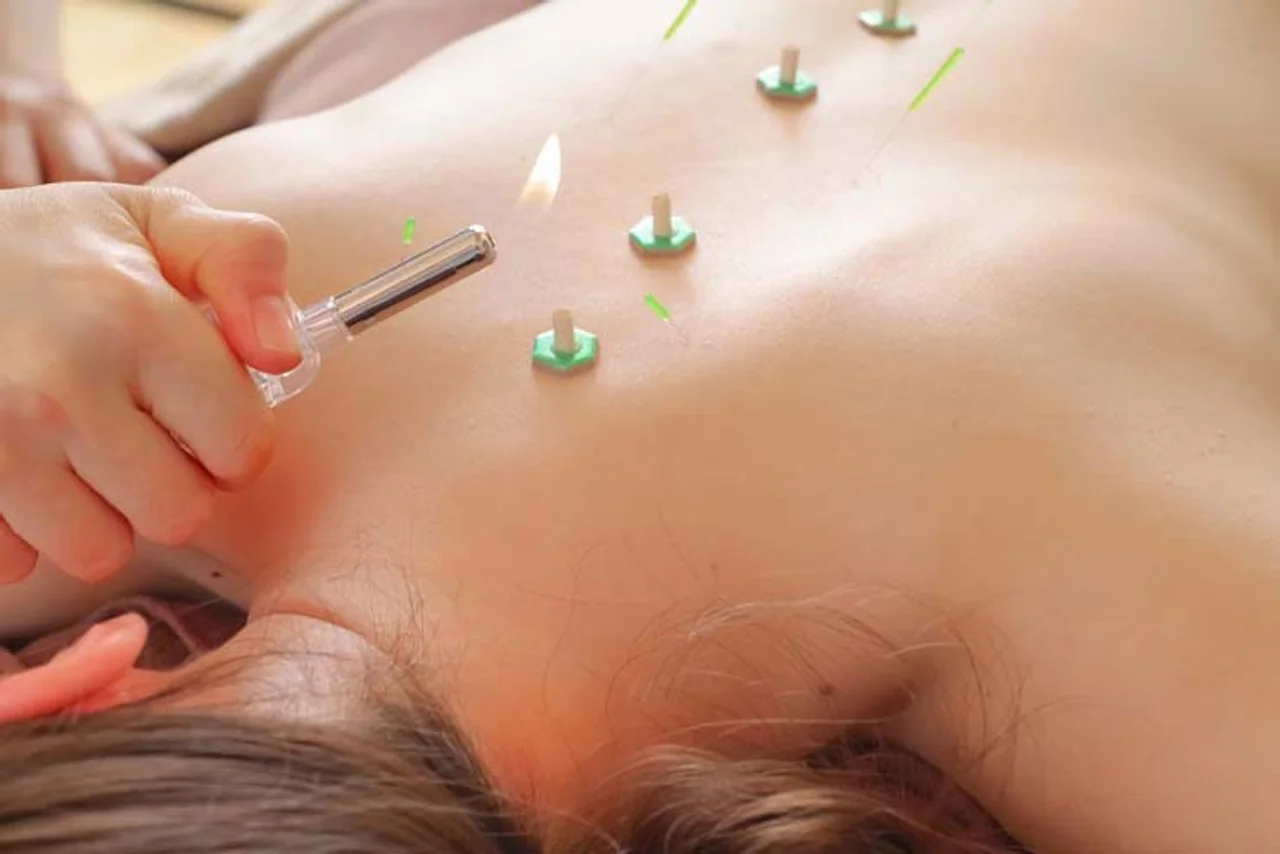
At Banpo Newborn Korean Medicine Clinic, we do not believe in one-size-fits-all treatment.
Each spine tells a different story.
Under the leadership of Dr. Ungjin Im, our clinic developed specialized methods such as Spinal Alignment Restoration Therapy (SART) and spatial spinal correction, designed to address the three-dimensional nature of spinal imbalance.
Rather than focusing only on where pain is felt, we evaluate:
Overall spinal curvature and alignment
Pelvic balance and leg length symmetry
Joint mobility and muscular compensation
Neurological response and movement patterns
Treatment is always non-surgical, precise, and patient-centered.
Many patients are surprised by how gentle spinal correction can be when performed with accuracy and experience.
Real-Life Patterns We See Every Day
One patient, a woman in her early 40s, came to our clinic with chronic lower back pain that worsened after work. She had tried physical therapy, stretching, and pain medication for years.
What we discovered was subtle pelvic rotation combined with long-standing postural imbalance from prolonged sitting.
Within weeks of targeted spinal alignment treatment and guided movement correction, her pain decreased significantly—not because we “chased” the pain, but because her body no longer needed to compensate.
Stories like this are not rare. They are the result of treating structure, not just symptoms.
Two Minutes Can Change the Next Ten Years
If you’re still reading, here’s the most important takeaway:
Back pain is not a personal failure or a sign of weakness. It’s a message.
Ignoring that message doesn’t make it disappear—it simply delays understanding it.
Taking two minutes to assess your body today may save you years of discomfort, limitation, and unnecessary intervention.
Whether your backache is mild or persistent, understanding its origin empowers you to make informed decisions about your health.
A Gentle Next Step
If you’re wondering whether your back pain is something to watch or something to treat, a professional spinal evaluation can provide clarity and peace of mind.
Banpo Newborn Korean Medicine Clinic, located in Banpo, Seoul, offers comprehensive, individualized assessments for patients seeking non-invasive, long-term solutions to spinal and musculoskeletal issues.
There is no pressure—only information, understanding, and care.
Because when it comes to your spine, waiting is not always the safest choice—but informed action almost always is.
Final Thought
You don’t need to live in constant discomfort.
You don’t need to accept pain as “normal.”
And you don’t need to wait until things get worse.
Sometimes, healing begins with a simple question:
Is it time to treat that backache?
More Medical Articles
Continue reading clinical insights from Banpo Newborn Korean Medicine Clinic.

Why Seoul is the Global Hub for Minimally Invasive Vertigo Treatment
Dizziness and vertigo are among the most common reasons for hospital visits in South Korea, affecting nearly 16.7% of the adult population annually according to the Korea National Health and Nutrition Examination Survey (KNHANES).
Learn More

Tinnitus Relief in Seoul: Multidisciplinary Upper Cervical Care
For many, the sound of silence is replaced by a persistent ringing, buzzing, or hissing. In South Korea, this is more than an individual annoyance; it is a significant public health trend.
Learn More

Success Rates of SART for OPLL Compared to Standard Laminectomy in Korea
The prevalence of Ossification of the Posterior Longitudinal Ligament (OPLL) in East Asian populations, particularly in South Korea, is significantly higher than in Western countries, affecting approximately 2% to 4% of the population according to nationwide...
Learn More