SART Whole-Body Spinal Alignment, Chuna Therapy & International Patient Concierge
30+ Years Clinical Experience
en-US

Korean Medicine Guide
Is Neck Stiffness Linked to Poor Sleep? Find Out at Banpo Newborn Korean Medicine Clinic
Neck stiffness and poor sleep may be closely connected. Learn how Korean medicine diagnoses and treats the root cause at Banpo Newborn Korean Medicine Clinic.
Schedule a ConsultationIs Neck Stiffness Linked to Poor Sleep? Find Out at Banpo Newborn Korean Medicine Clinic
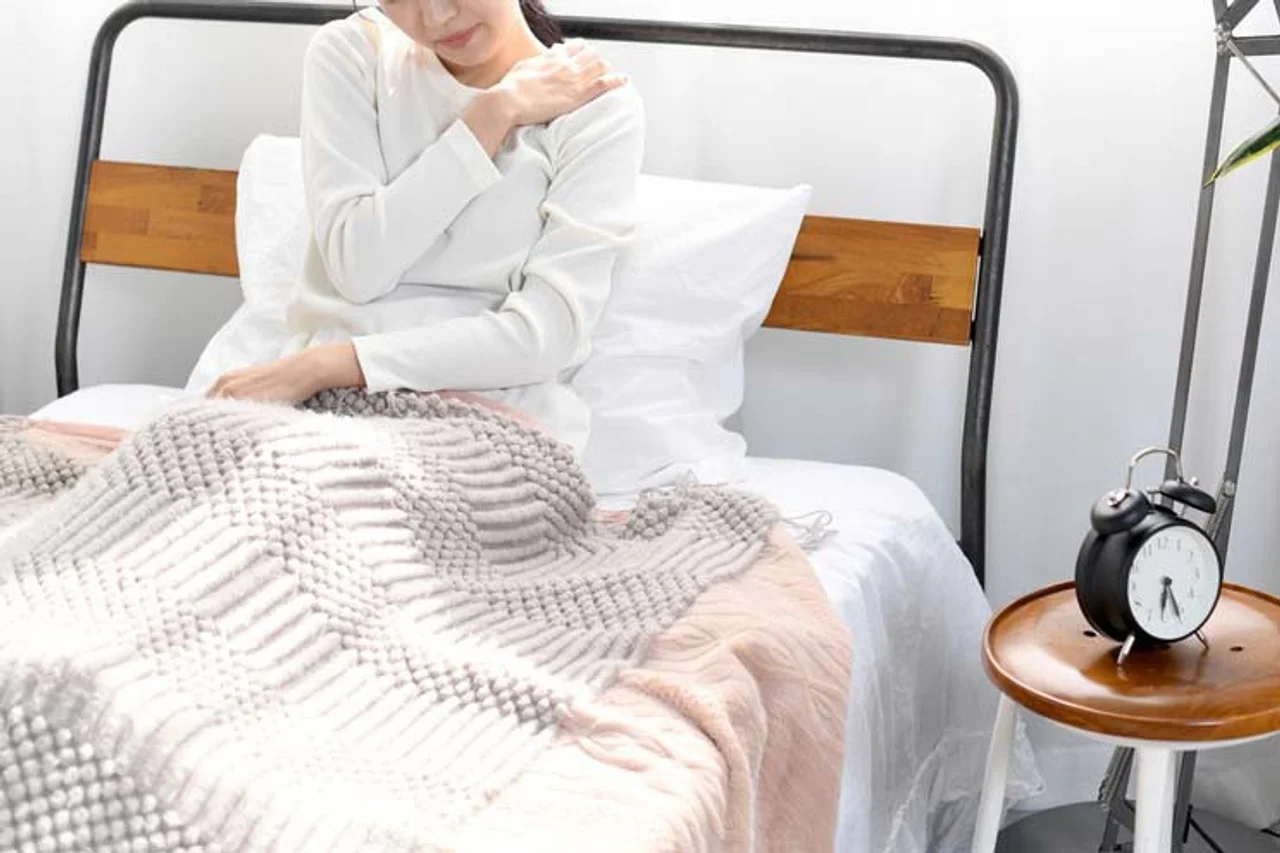
Have you ever woken up feeling more exhausted than when you went to bed—your neck stiff, shoulders tight, and head heavy? Many people brush this off as “just a bad night’s sleep” or blame their pillow. But to be honest, in our clinic, we often see something deeper at play. Neck stiffness and poor sleep are not separate problems. In many cases, they are closely connected, influencing each other in a frustrating cycle.
At Banpo Newborn Korean Medicine Clinic in Seoul, we’ve spent over 30 years helping patients understand how spinal balance, neck alignment, and sleep quality are intertwined. Under the guidance of Dr. Ungjin Im, our approach looks beyond symptoms to uncover the structural and neurological reasons why your body struggles to rest and recover at night.
So let’s take a closer look at the real question: Is neck stiffness linked to poor sleep? And more importantly—what can you do about it?
The Morning Neck Stiffness So Many People Ignore
In Korea, it’s common to hear people say, “I must have slept wrong,” when they wake up with neck pain. Long work hours, smartphone use, and stress-filled days have made neck stiffness almost a cultural norm. But stiffness that appears repeatedly—especially in the morning—is not random.
From a Korean medicine perspective, the neck is a critical passageway. It supports the head, protects the spinal cord, and allows smooth circulation of blood and nerve signals between the brain and body. When this area becomes restricted, everything from sleep quality to digestion and mood can be affected.
Many of our patients are surprised when we tell them that their poor sleep may be a consequence of neck imbalance—not just the cause.
How Poor Sleep Contributes to Neck Stiffness
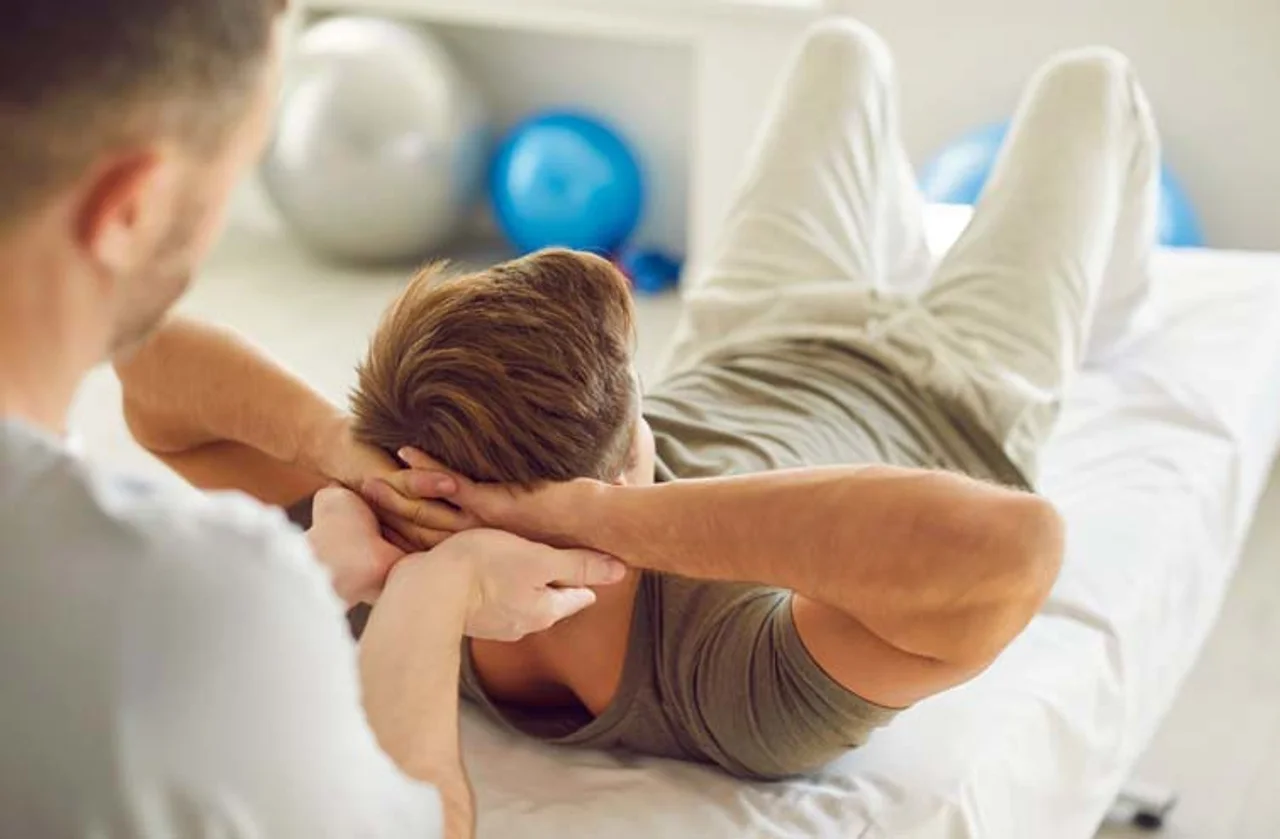
Let’s start with the more familiar direction of the relationship.
1. Inadequate Muscle Recovery at Night
Sleep is when muscles are supposed to relax and repair. But if your sleep is shallow or frequently interrupted, the neck and shoulder muscles remain tense. Over time, this leads to:
Reduced blood circulation
Accumulation of muscle fatigue
Morning stiffness and limited range of motion
People who toss and turn or wake up frequently often keep their neck muscles subconsciously engaged, never allowing them to fully rest.
2. Poor Sleeping Posture and Alignment
Sleeping positions matter more than most people realize. When the neck is bent forward, twisted, or unsupported for hours, it places stress on the cervical spine. This is especially common among:
Side sleepers using pillows that are too high or too low
Back sleepers with forward head posture from daily phone or computer use
People who fall asleep on sofas or recliners
One night might not cause lasting damage—but months or years of misalignment can.
3. Stress, Shallow Breathing, and Sleep Tension
Stress doesn’t turn off at bedtime. Shallow breathing and elevated nervous system activity during sleep keep the neck and jaw muscles tight. This is why people with insomnia or anxiety often wake up with both neck stiffness and jaw discomfort.
The Other Side of the Coin: How Neck Stiffness Disrupts Sleep
Now here’s the part many people don’t expect. In our clinical experience, neck stiffness itself is often a hidden cause of poor sleep.
1. Cervical Misalignment and Nervous System Disturbance
The cervical spine houses critical nerve pathways that regulate breathing, heart rate, and sleep cycles. When the neck is misaligned—even subtly—it can irritate these nerves, leading to:
Difficulty falling asleep
Frequent nighttime awakenings
Light, unrefreshing sleep
Patients often say, “I sleep for 7 or 8 hours, but I never feel rested.” This is a classic sign of nervous system imbalance linked to the neck.
2. Reduced Blood Flow to the Brain
Healthy sleep depends on stable circulation. Chronic neck tension or joint restriction can affect blood flow to the head, contributing to:
Morning headaches
Brain fog
A heavy or pressured feeling behind the eyes
These symptoms often improve when cervical alignment is restored.
3. Neck Pain and Micro-Arousals
Even if pain doesn’t fully wake you up, discomfort can cause micro-arousals—brief disruptions in sleep stages. Over time, this prevents deep sleep and REM sleep, which are essential for healing and mental clarity.
TMJ, Jaw Tension, and Sleep: An Overlooked Connection
At Banpo Newborn Korean Medicine Clinic, we see a strong overlap between neck stiffness, TMJ disorders, and sleep problems.
The jaw and neck share muscular and neurological connections. When the jaw is misaligned or clenched at night:
Neck muscles overcompensate
Upper cervical joints become restricted
Sleep quality declines
Many patients with snoring, teeth grinding, or jaw pain also report neck stiffness upon waking. Treating one area without addressing the other often leads to incomplete recovery.
Why Painkillers and Stretching Aren’t Enough
To be honest, most people try to solve neck stiffness with:
Pain medication
Massage devices
YouTube stretching videos
While these may offer temporary relief, they rarely address the underlying structural imbalance. If the spine is misaligned, muscles will continue to tighten no matter how much you stretch them.
This is why symptoms often return—especially at night, when the body is most sensitive to alignment issues.
A Korean Medicine Perspective: Balance First, Sleep Follows
In traditional Korean medicine, good sleep is a reflection of internal balance. The spine, especially the neck, plays a central role in maintaining harmony between the nervous system, muscles, and circulation.
At Banpo Newborn, we don’t separate sleep issues from musculoskeletal health. Instead, we ask:
Is the cervical spine moving freely?
Is the head balanced over the body?
Are nerve signals flowing without obstruction?
When these conditions are met, sleep often improves naturally—without medication.
How Banpo Newborn Approaches Neck Stiffness and Sleep Problems

1. Comprehensive Spinal and Postural Evaluation
We begin with a detailed assessment of:
Cervical spine alignment
Head and shoulder posture
Breathing patterns and jaw function
Many patients are surprised to see how far forward their head has shifted or how uneven their neck movement is.
2. Spinal Alignment Restoration Therapy (SART)
SART, developed by Dr. Ungjin Im, is a non-invasive approach that focuses on precise spinal correction rather than forceful manipulation. For the neck, this means:
Gentle realignment of cervical joints
Reducing nerve irritation
Restoring natural curvature
Patients often report improved sleep within weeks as their nervous system stabilizes.
3. Chuna Therapy for Muscle and Joint Balance
Chuna therapy helps release deep muscular tension while guiding joints back into proper alignment. Unlike simple massage, it works with the body’s structure, not against it.
This is especially effective for patients whose neck stiffness worsens at night.
4. Integrated TMJ and Neck Care
For those with jaw tension, headaches, or teeth grinding, we address TMJ alignment alongside cervical correction. Treating these areas together often leads to more profound sleep improvements.
Real-Life Changes We See in Patients
While every patient is different, many share similar experiences after treatment:
“I fall asleep faster without tossing and turning.”
“I wake up without that heavy neck feeling.”
“My sleep feels deeper, and I don’t wake up as often.”
These changes aren’t just about pain relief—they reflect a more balanced nervous system.
What You Can Do Tonight to Support Your Neck and Sleep
While professional care is important, small daily habits also matter:
Use a pillow that supports the natural curve of your neck
Avoid phone use at least 30 minutes before bed
Practice slow, deep breathing to relax neck and jaw muscles
Be mindful of daytime posture—sleep starts with how you sit and stand
If stiffness persists despite these efforts, it may be time for a deeper evaluation.
When to Seek Professional Help
Consider a spinal and neck assessment if you experience:
Chronic neck stiffness lasting more than a few weeks
Poor sleep despite adequate hours in bed
Morning headaches or jaw discomfort
A feeling of never being fully rested
These are not just signs of aging or stress—they are signals from your body asking for balance.
Finding Rest Through Alignment at Banpo Newborn Korean Medicine Clinic
If you’ve been living with neck stiffness and poor sleep, it can feel like a cycle you can’t escape. But in our experience, healing often begins when the spine is properly aligned and the nervous system is allowed to calm down.
At Banpo Newborn Korean Medicine Clinic, we believe that good sleep is not a luxury—it’s a foundation of health. Through precise, non-surgical spinal correction and personalized care, we help patients rediscover what it feels like to wake up rested, clear-headed, and free from tension.
If you’re considering a spinal check-up or wondering whether your neck stiffness is affecting your sleep, our team is here to guide you with experience, care, and honesty.
Because sometimes, the key to better sleep isn’t found in the bedroom—but in the alignment of your spine.
More Medical Articles
Continue reading clinical insights from Banpo Newborn Korean Medicine Clinic.

Why Seoul is the Global Hub for Minimally Invasive Vertigo Treatment
Dizziness and vertigo are among the most common reasons for hospital visits in South Korea, affecting nearly 16.7% of the adult population annually according to the Korea National Health and Nutrition Examination Survey (KNHANES).
Learn More

Tinnitus Relief in Seoul: Multidisciplinary Upper Cervical Care
For many, the sound of silence is replaced by a persistent ringing, buzzing, or hissing. In South Korea, this is more than an individual annoyance; it is a significant public health trend.
Learn More

Success Rates of SART for OPLL Compared to Standard Laminectomy in Korea
The prevalence of Ossification of the Posterior Longitudinal Ligament (OPLL) in East Asian populations, particularly in South Korea, is significantly higher than in Western countries, affecting approximately 2% to 4% of the population according to nationwide...
Learn More