SART Whole-Body Spinal Alignment, Chuna Therapy & International Patient Concierge
30+ Years Clinical Experience
en-US


Korean Medicine Guide
Is Tinnitus Linked to Neck Pain? Korean Medicine Explains the Connection
Discover how neck pain and tinnitus are connected. Dr. Im Ungjin at Banpo Newborn Korean Medicine Clinic in Seocho-gu, Seoul offers holistic relief.
Schedule a ConsultationIntroduction: The Overlooked Link Between Tinnitus and Neck Pain

Tinnitus — often described as ringing, buzzing, or hissing in the ears — affects millions of people worldwide. For some, it’s a mild background annoyance, while for others it’s a debilitating condition that interferes with concentration, sleep, and emotional well-being.
What many don’t realize is that tinnitus can often be linked to neck pain, cervical misalignment, and muscular tension. This connection is especially overlooked in conventional medicine, where tinnitus is usually treated as an isolated ear condition.
At Banpo Newborn Oriental Medical Clinic, Dr. Im Ungjin takes a different approach. Through the lens of Korean medicine, he addresses tinnitus not just as an ear problem but as part of a broader musculoskeletal and circulatory imbalance. By treating both neck pain and tinnitus together, Dr. Im provides patients with relief that lasts — not just a temporary fix.
Understanding Tinnitus
What Is Tinnitus?
Tinnitus is the perception of sound in the absence of external noise. Patients may describe it as:
Ringing
Buzzing
Whistling
Clicking
Roaring
Tinnitus can be constant or intermittent, mild or severe.
Common Causes of Tinnitus
Noise-induced hearing loss
Ear infections or blockages
Age-related hearing decline
Medication side effects
Jaw (TMJ) dysfunction
Cervical spine and neck tension
While ear-related factors are common, the musculoskeletal connection — particularly with the neck — is often underestimated.
The Neck-Tinnitus Connection
How Neck Pain Affects the Ear
The cervical spine houses nerves and blood vessels that directly influence the inner ear and auditory system. When there’s tension, misalignment, or reduced circulation in the neck, it can affect:
Nerve pathways that transmit auditory signals.
Blood flow to the inner ear, leading to ringing or buzzing.
Muscular tension that radiates into the jaw and ear canal.
This phenomenon is sometimes referred to as cervicogenic tinnitus.
Symptoms of Cervicogenic Tinnitus
Tinnitus that worsens when turning or tilting the neck.
Accompanying neck stiffness or pain.
Headaches in the back of the head.
Dizziness or vertigo.
Recognizing these signs is crucial in treating tinnitus effectively.
Why Conventional Treatments Often Fail
Conventional medicine typically treats tinnitus with:
Hearing aids or sound therapy.
Medication to reduce anxiety or depression linked to tinnitus.
Steroid or anti-inflammatory drugs.
Rarely, surgery.
While these may reduce symptoms, they do not address the root cause if the tinnitus is linked to cervical misalignment, muscular tension, or poor circulation.
This is where Korean medicine provides a unique advantage, offering holistic care that treats both neck pain and tinnitus simultaneously.
Korean Medicine’s Holistic Approach
At Banpo Newborn Oriental Medical Clinic, Dr. Im Ungjin specializes in integrating traditional Korean therapies with modern musculoskeletal insights to treat tinnitus linked to neck pain.
Key Principles
Balance of Qi and Blood Flow – Poor circulation and stagnant Qi contribute to both tinnitus and neck pain.
Restoring Musculoskeletal Alignment – Misalignments in the cervical spine disrupt nerve and vascular function.
Holistic Healing – Treatments target both the ear and the neck, ensuring long-term relief.
Treatments for Tinnitus and Neck Pain
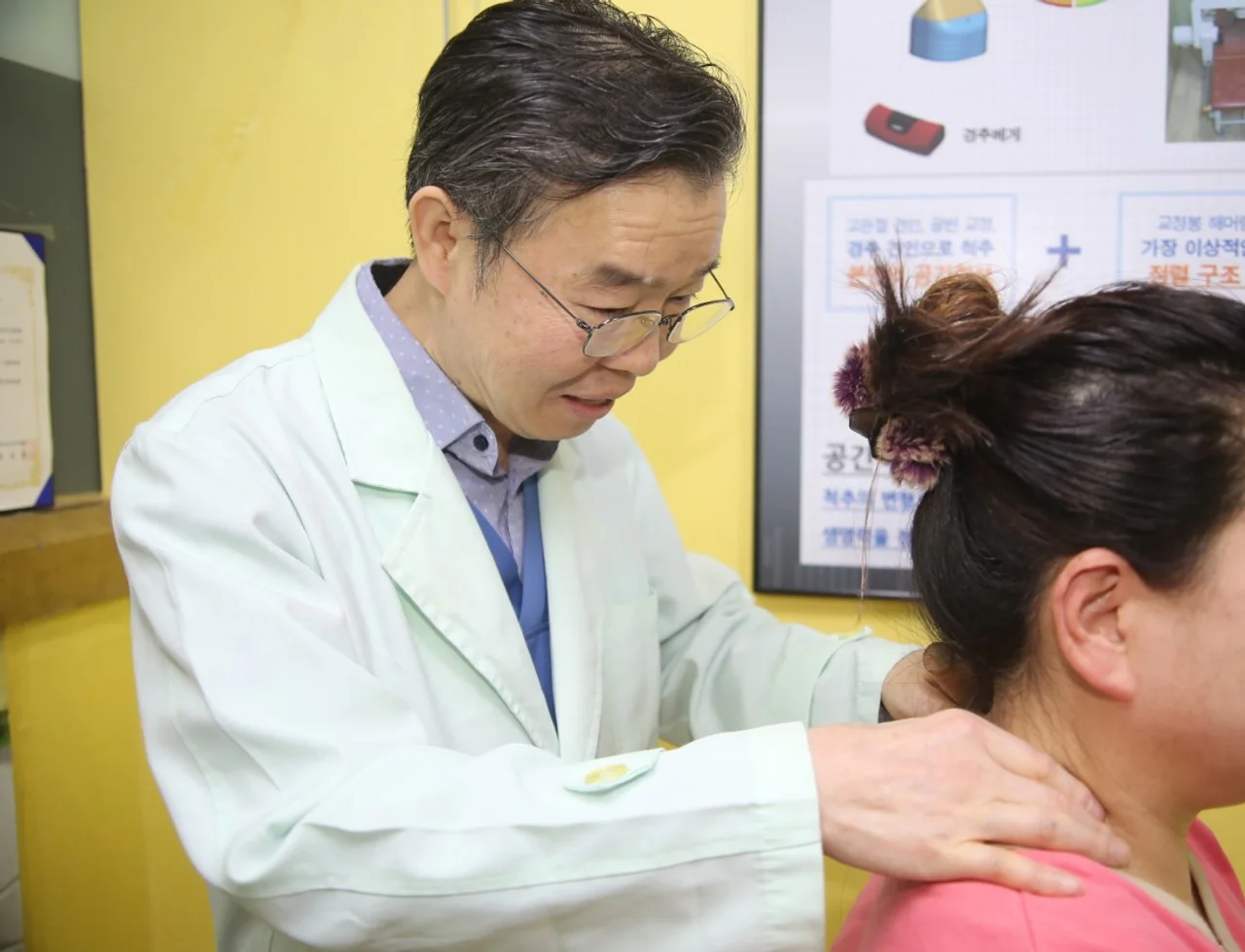
1. Acupuncture
Acupuncture is central in treating tinnitus and neck pain. By stimulating specific points along the neck, head, and ear meridians, acupuncture helps to:
Improve blood circulation to the inner ear.
Relax tight neck muscles.
Regulate nerve pathways involved in hearing.
Calm the nervous system, reducing stress-induced tinnitus.
Many patients report that acupuncture reduces the intensity and frequency of tinnitus after several sessions.
2. Herbal Medicine
Customized herbal prescriptions are designed to:
Enhance circulation to the head and neck.
Reduce inflammation in cervical muscles.
Nourish the kidneys and liver, organs traditionally linked to auditory health in Korean medicine.
Support the nervous system for overall relaxation.
Examples include Gastrodia elata (Chunma) for neurological balance and Rehmannia root (Jihwang) for inner ear nourishment.
3. Cervical Alignment Therapy
Manual alignment therapies gently correct cervical posture, which:
Relieves pressure on auditory nerves.
Improves blood flow to the ear.
Reduces muscular strain contributing to tinnitus.
This is particularly effective for patients whose tinnitus worsens with head or neck movement.
4. Cupping and Moxibustion
These therapies promote blood flow, relax stiff muscles, and improve circulation around the cervical spine — all essential in reducing tinnitus linked to neck issues.
5. Lifestyle and Rehabilitation Programs
Dr. Im designs personalized programs that include:
Posture correction for desk workers.
Stretching routines to relieve cervical stiffness.
Stress management techniques to prevent flare-ups.
Why Patients Choose Banpo Newborn Korean Medicine Clinic
Specialist Care with Dr. Im Ungjin
With extensive clinical experience, Dr. Im has helped countless patients manage tinnitus and neck pain using Korean medicine’s holistic principles.Root-Cause Focus
Instead of masking tinnitus with temporary relief, treatments address both the ear and the neck.Convenient Location
Situated in Seocho-gu, Seoul, the clinic is easily accessible for patients seeking advanced natural care.Patient-Centered Healing
Treatment is personalized, safe, and effective for patients of all ages.
Scientific and Clinical Insights into Tinnitus and Neck Pain
While Korean medicine emphasizes balance and natural healing, modern research also supports the link between tinnitus and cervical spine dysfunction. Recent clinical studies show that:
Cervical Spine Dysfunction and Tinnitus
Patients with neck disorders often present with higher rates of tinnitus. When cervical alignment is restored through therapy, symptoms frequently improve.Nerve Pathways Connection
The cervical nerves (C2–C3) share neural connections with the auditory system. This explains why tight neck muscles or cervical misalignments can influence ear ringing.Blood Flow and Inner Ear Health
Reduced circulation in the vertebral arteries due to neck stiffness can compromise oxygen and nutrient supply to the inner ear, aggravating tinnitus symptoms.Effectiveness of Holistic Therapies
Research on acupuncture and herbal medicine shows significant improvement in patients with cervicogenic tinnitus, especially when combined with posture correction and rehabilitation.
At Banpo Newborn Oriental Medical Clinic, Dr. Im Ungjin bridges these modern findings with centuries-old Korean medicine wisdom. His treatments align with both scientific evidence and holistic principles, ensuring comprehensive care for patients.
FAQs on Tinnitus and Neck Pain
1. Can neck pain really cause tinnitus?
Yes. Tight muscles, poor posture, or cervical misalignment can affect nerves and circulation, contributing to tinnitus.
2. How long does treatment take?
Many patients notice improvement within 4–6 sessions, but chronic cases may require several months of consistent therapy.
3. Is treatment safe for older adults?
Yes, Korean medicine treatments are gentle and safe for elderly patients.
4. Can stress worsen tinnitus?
Absolutely. Stress increases muscle tension and nervous system activity, often worsening symptoms.
5. Is Korean medicine effective if my tinnitus is not neck-related?
Even in non-cervicogenic cases, Korean medicine helps by improving circulation, calming nerves, and balancing Qi.
Lifestyle Tips for Managing Tinnitus and Neck Pain
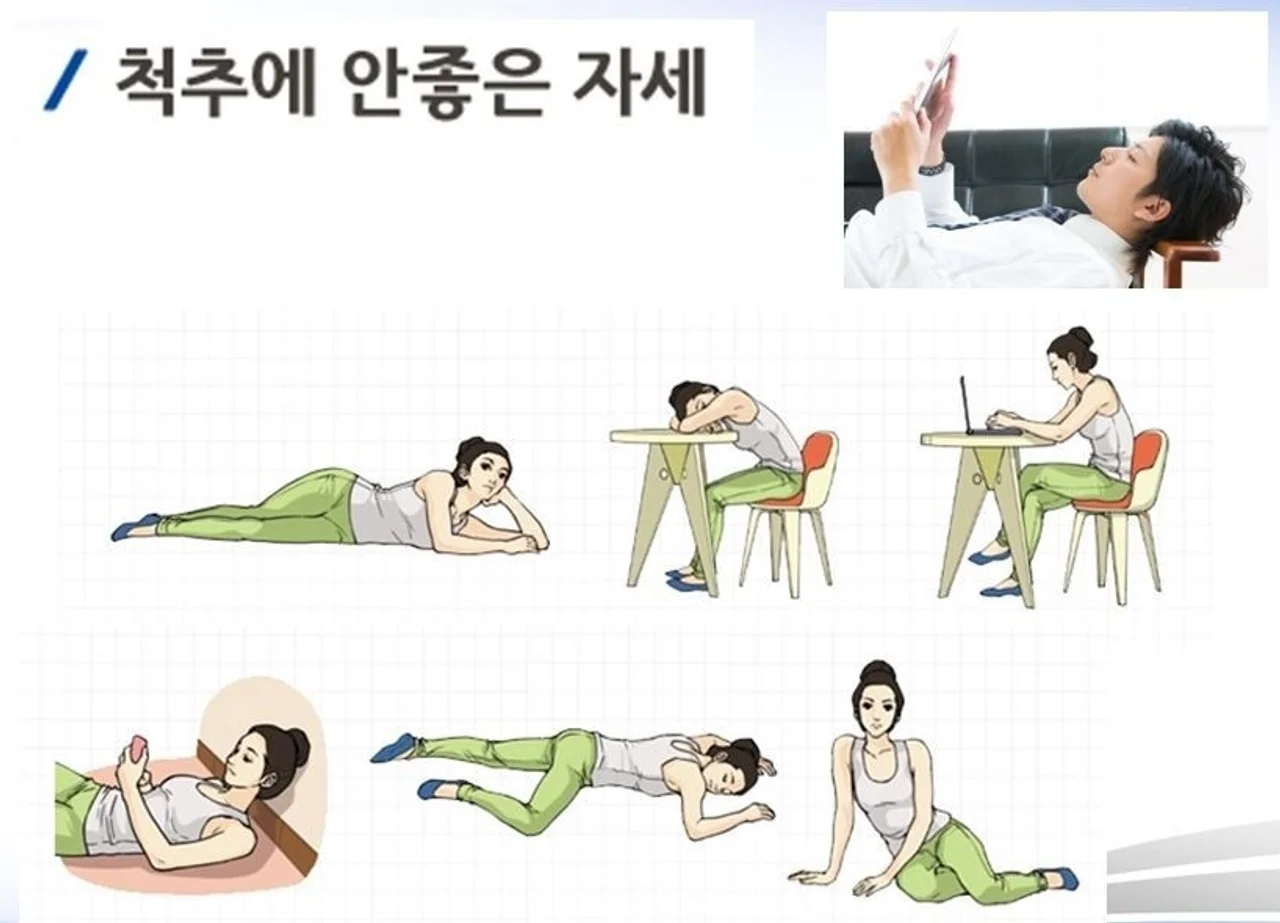
Practice Good Posture – Keep your head aligned with your spine.
Stretch Regularly – Neck stretches reduce stiffness and improve circulation.
Limit Screen Time – Avoid long hours in a forward head posture.
Manage Stress – Meditation, breathing exercises, or yoga can lower tinnitus intensity.
Stay Active – Gentle physical activity improves blood flow and reduces muscle tension.
Conclusion: A Holistic Path to Relief
Tinnitus may feel like an unsolvable problem, but when it is connected to neck pain and cervical health, addressing both conditions together can provide lasting relief.
At Banpo Newborn Korean Medicine Clinic in Seocho-gu, Seoul, Dr. Im Ungjin uses holistic Korean medicine treatments — acupuncture, herbal medicine, spinal alignment, and rehabilitation — to help patients overcome tinnitus and restore quality of life.
If you’ve been struggling with tinnitus, don’t settle for temporary fixes. Explore the holistic path and discover how treating the neck-ear connection can finally bring peace and quiet back into your life.
More Medical Articles
Continue reading clinical insights from Banpo Newborn Korean Medicine Clinic.

Why Seoul is the Global Hub for Minimally Invasive Vertigo Treatment
Dizziness and vertigo are among the most common reasons for hospital visits in South Korea, affecting nearly 16.7% of the adult population annually according to the Korea National Health and Nutrition Examination Survey (KNHANES).
Learn More

Tinnitus Relief in Seoul: Multidisciplinary Upper Cervical Care
For many, the sound of silence is replaced by a persistent ringing, buzzing, or hissing. In South Korea, this is more than an individual annoyance; it is a significant public health trend.
Learn More

Success Rates of SART for OPLL Compared to Standard Laminectomy in Korea
The prevalence of Ossification of the Posterior Longitudinal Ligament (OPLL) in East Asian populations, particularly in South Korea, is significantly higher than in Western countries, affecting approximately 2% to 4% of the population according to nationwide...
Learn More