SART Whole-Body Spinal Alignment, Chuna Therapy & International Patient Concierge
30+ Years Clinical Experience
en-US

Korean Medicine Guide
Is Torticollis Just a Posture Problem? Not Exactly.
Learn why torticollis isn’t only a posture issue. At Banpo Newborn Korean Medicine Clinic in Banpo, Seoul, Dr. Ungjin Im offers effective, non-surgical relief.
Schedule a Consultation
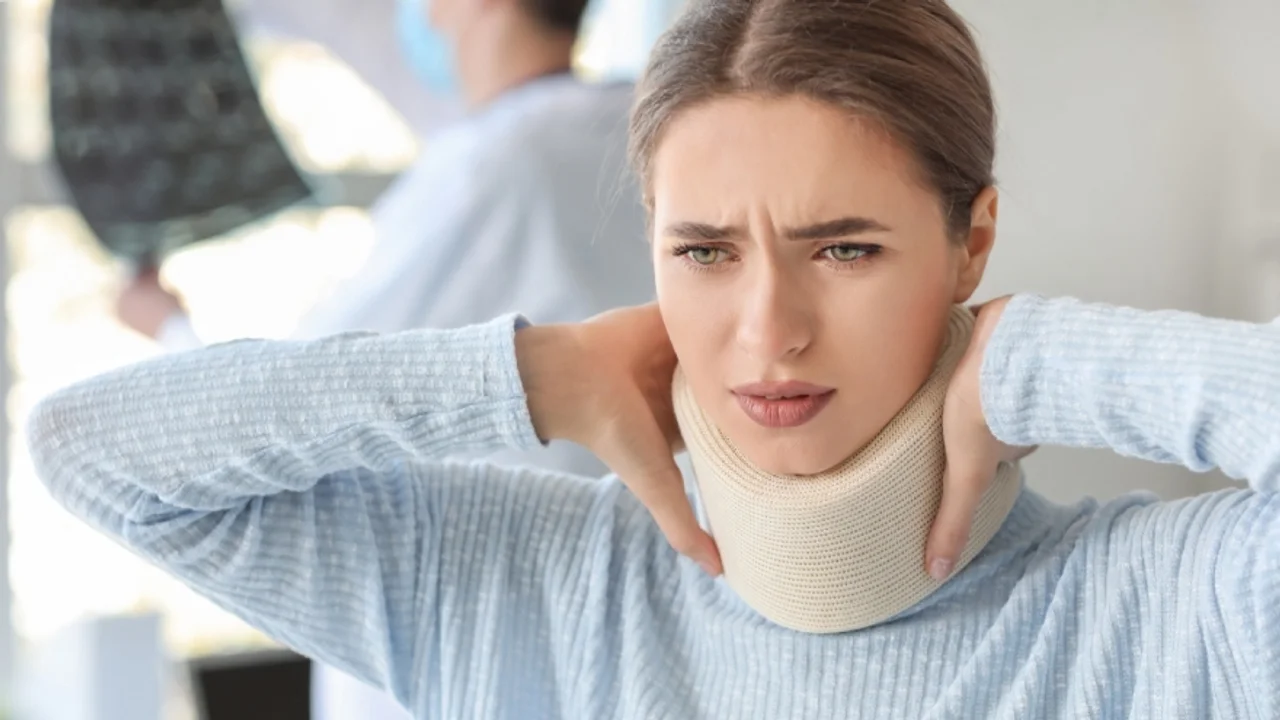
If you’ve ever woken with a stiff, twisted neck that won’t turn—what many call wry neck—you know how disruptive torticollis can be. People often blame posture alone: the long commute, hours on a laptop, or scrolling on the phone. Posture does play a role. But as we remind patients at Banpo Newborn Oriental Medical Clinic in Banpo, Seoul, the story is more complex. Muscles, joints, nerves, the temporomandibular joint (TMJ), the vestibular system, even breathing patterns can nudge the neck into protective spasm.
To be honest, many people don’t realize how much the neck responds to the whole body’s balance. When your pelvis tilts, your mid‑back stiffens, or your jaw clenches, your neck quietly compensates—until one day it can’t. That’s when neck pain, neck stiffness, and limited rotation flare, raising fears about work, driving, or sleeping comfortably.
This article explains what torticollis is (and isn’t), why posture is only one piece of the puzzle, and how Dr. Ungjin Im’s non‑surgical approach—Spinal Alignment Restoration Therapy (SART), Chuna therapy, acupuncture, herbal support, and TMJ‑aware rehabilitation—helps patients recover safely and thoroughly.
What Exactly Is Torticollis?
Torticollis describes a head‑and‑neck posture where the head tilts to one side, rotates to the opposite, and often flexes forward. The pattern can be painful and stubborn. Depending on age and cause, clinicians may use related terms:
Acute torticollis / wry neck: Often after sleep or sudden movement; typically a painful protective spasm.
Cervical dystonia: A neurological condition where involuntary muscle contractions (a form of dystonia/muscle dystonia) twist the neck over time, sometimes with tremor.
Congenital muscular torticollis: Common in infants due to one shortened sternocleidomastoid muscle; requires early stretching and positional care.
Secondary torticollis: Triggered by underlying problems—TMJ disorder, ear/vestibular issues, whiplash, disc herniation/herniated disc, inflammation, or rare infections.
Key symptoms can include sharp or aching neck pain, neck stiffness, a sense of being “stuck,” and sometimes headache/chronic headache, upper‑back tightness, or shoulder stiffness/shoulder pain. In more complex cases, jaw tension, tinnitus, or dizziness accompany the neck problem.
Posture alone doesn’t cause all torticollis, but poor mechanics can prime the system so that small triggers—like a draft, an awkward nap, or stress—pull the neck into a protective twist.
Beyond Posture: The Hidden Drivers We See in Clinic
At Banpo Newborn Oriental Medical Clinic, three decades of patient care have taught us to look upstream and downstream from the neck. Common contributors include:
1) Pelvic and rib‑cage asymmetry
When the pelvis rotates or the rib cage stiffens, the spine compensates segment by segment. The cervical spine becomes the last, most mobile link—and therefore the most vulnerable. Patients often arrive with lower back pain, lumbar pain, pelvic pain, or hip pain and torticollis. Once we level the base, the neck begins to relax.
2) TMJ mechanics and clenching
The Temporomandibular Joint (TMJ) shares muscular and fascial connections with the upper neck. Clenching or a shifted bite increases tone in suboccipital and neck muscles, fueling TMJ syndrome, TMJ disorder, neck ache, and headaches. Treating the jaw frequently accelerates neck recovery.
3) Neuromuscular overactivity (dystonia spectrum)
Some patients display patterns of dystonia/muscle dystonia, where the nervous system drives excessive, involuntary contraction. In these cases, careful down‑regulation strategies (breathing, acupuncture, sensory tricks, gentle mobilization) are more helpful than aggressive stretching.
4) Irritated segments and discs
A sensitized facet joint or a slipped disc/disc herniation in the cervical spine can generate local guarding. Imaging can be useful when there are neurological changes, but function‑first evaluation often pinpoints the source.
5) Stress and breathing patterns
Shallow, upper‑chest breathing ramps up neck and jaw tension. Teaching diaphragmatic, 3‑D rib breathing reduces baseline tone—crucial for stubborn cases.
How We Diagnose: Precision Before Pressure
Dr. Ungjin Im leads an assessment that’s calm, thorough, and patient‑centered:
History & triggers – When did the twist begin? Any fever, trauma, dental work, or new screen setup? What eases or provokes it?
Red‑flag screening – Severe trauma, infection signs, progressive neurological deficits, or unexplained weight loss require medical referral before manual care.
Movement mapping – We examine seated and standing posture, scapular rhythm, rib motion, pelvic tilt, and jaw opening. We test which directions reduce pain (your “directional preference”).
Segmental palpation – Gentle palpation locates restricted joints and hypertonic bands. We check the thoracic inlet, first rib, and upper cervical segments that commonly lock.
Imaging review (when indicated) – X‑ray/MRI interpretation is used selectively and always correlated with function.
The goal is not to “force a straight neck,” but to understand why the neck chose the twist—then unwind the reasons layer by layer.
Our Non‑Surgical Care Plan
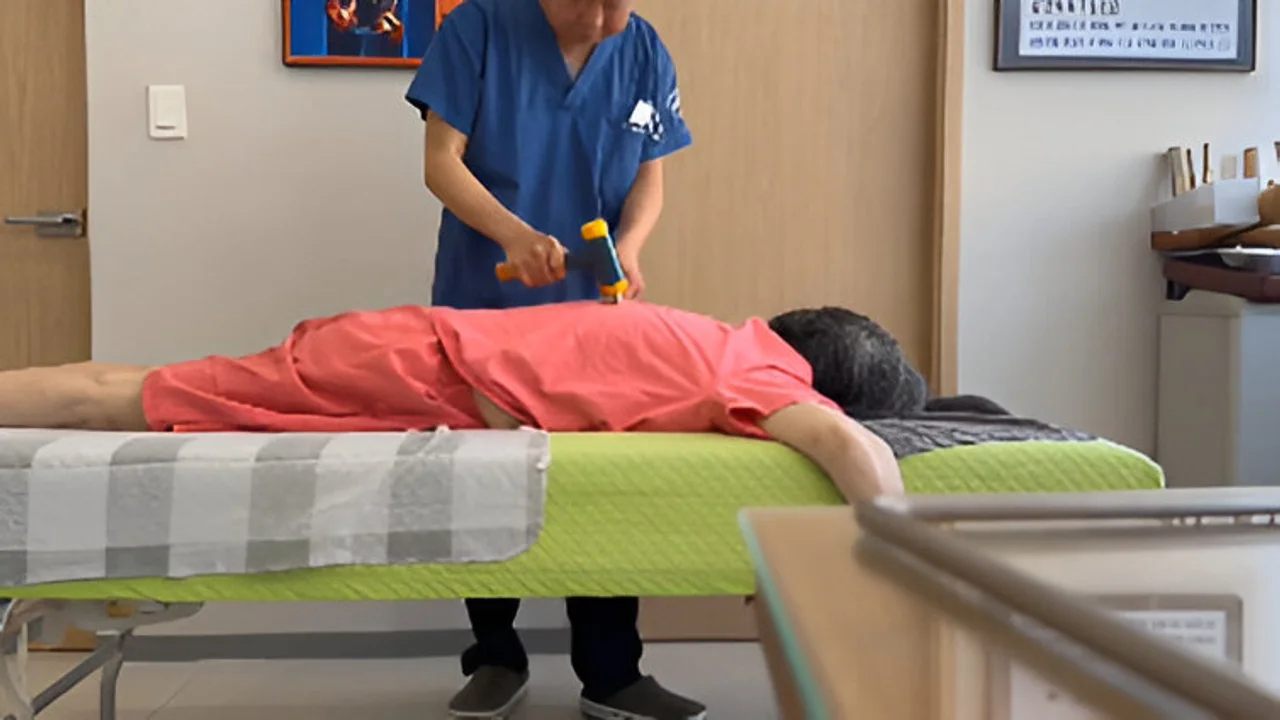
At Banpo Newborn Oriental Medical Clinic, we integrate traditional Korean medicine with modern biomechanics. Our approach is gentle yet systematic.
Spinal Alignment Restoration Therapy (SART)
Created by Dr. Ungjin Im, SART uses low‑force, vector‑specific corrections from the pelvis to the upper cervical spine. Imagine resetting the foundation of a house before adjusting the windows; once the base is level, the neck doesn’t need to fight for balance. Patients frequently notice a softer, freer turning arc after the first few sessions.
What it helps: acute wry neck, posture‑linked torticollis, cervical guarding around herniated disc/disc herniation, and compensations from scoliosis.
Chuna Therapy (Korean Manual Therapy)
Chuna therapy is refined, rhythmic manual care that restores joint glide and muscular balance without high‑velocity thrusts. For torticollis, we focus on:
First‑rib mobility and thoracic inlet release
Scapular setting to unload the upper trapezius
Suboccipital decompression and gentle rotation drills
What it helps: neck stiffness, shoulder stiffness, frozen shoulder overlap, and protective muscle splinting.
Acupuncture
Targeted acupuncture calms overactive motor units, modulates pain pathways, and reduces sympathetic overdrive. Many patients report quicker relief and improved sleep, which accelerates tissue recovery.
Herbal Medicine
Individualized herbal formulas support circulation, reduce inflammation, and regulate stress responses. We choose gentle, well‑tolerated blends that complement manual work.
TMJ‑Aware Rehabilitation
For those with TMJ syndrome or TMJ disorder, we add jaw release, tongue‑posture training, and bite‑habit coaching. As jaw tone normalizes, neck rotation typically expands and headache/chronic headache frequency drops.
Movement Retraining
We teach short, repeatable micro‑practices you can do anywhere. The goal is to make your new alignment automatic in daily life.
What You Can Do at Home (Safe, Gentle Habits)
If you have fever, recent injury, numbness/weakness in the arms, difficulty swallowing, or severe unrelenting pain, seek medical evaluation promptly before beginning exercises.
De‑threaten the neck: Rest the forehead on stacked pillows while seated, letting the neck muscles slacken for 60–90 seconds. Breathe through the nose, expand the ribs.
Pelvic leveling drill: Side‑lying clamshells (pain‑free range), 2–3 sets of 8–10 reps per side, to calm overactive back extensors.
First‑rib glide breath: Hold a light towel across the upper chest, inhale into the back of the ribs for 4, long exhale for 6–8; repeat 6–8 cycles.
Screen sanity: Raise your laptop with books so the top third of the screen meets eye level; keep elbows supported to avoid shrugging.
TMJ rest position: Tongue lightly on the palate behind the front teeth, lips closed, teeth slightly apart; this reduces jaw‑neck co‑contraction.
Sleep setup: Use one supportive pillow; if side‑lying, ensure the nose and sternum line up straight, with a small towel under the waist to level the spine.
Small, consistent actions lower baseline tone so clinic sessions create lasting change.
Real‑World Cases from Our Clinic
Case 1 — The designer with a stubborn wry neck
A 34‑year‑old designer arrived with right‑tilt/left‑rotation torticollis after a deadline week. She had TMJ pain, tooth clenching, and neck ache. With SART plus Chuna, acupuncture, and TMJ coaching, her rotation restored over three weeks. Headaches reduced from daily to rare.
Case 2 — A father with recurrent “sleep neck”
A 46‑year‑old office worker experienced monthly flare‑ups—“I slept wrong.” We found pelvic rotation and first‑rib stiffness. After four sessions and a home program, he’s now eight months without recurrence and back to weekend hiking along the Han River.
Case 3 — Cervical dystonia features
A 51‑year‑old had long‑standing twist with intermittent tremor (a dystonia pattern). We used low‑stimulus work: gentle positioning, acupuncture, breath training, and sensorimotor cues. Over eight weeks, pain fell 60% and head position neutralized for longer periods. (For neurological dystonia, we also coordinate with neurology when appropriate.)
FAQs
More Medical Articles
Continue reading clinical insights from Banpo Newborn Korean Medicine Clinic.

Why Seoul is the Global Hub for Minimally Invasive Vertigo Treatment
Dizziness and vertigo are among the most common reasons for hospital visits in South Korea, affecting nearly 16.7% of the adult population annually according to the Korea National Health and Nutrition Examination Survey (KNHANES).
Learn More

Tinnitus Relief in Seoul: Multidisciplinary Upper Cervical Care
For many, the sound of silence is replaced by a persistent ringing, buzzing, or hissing. In South Korea, this is more than an individual annoyance; it is a significant public health trend.
Learn More

Success Rates of SART for OPLL Compared to Standard Laminectomy in Korea
The prevalence of Ossification of the Posterior Longitudinal Ligament (OPLL) in East Asian populations, particularly in South Korea, is significantly higher than in Western countries, affecting approximately 2% to 4% of the population according to nationwide...
Learn More