SART Whole-Body Spinal Alignment, Chuna Therapy & International Patient Concierge
30+ Years Clinical Experience
en-US

Korean Medicine Guide
Is Traditional Korean Medicine Safe for Babies with Torticollis?
Discover whether Traditional Korean Medicine is safe for treating infant torticollis, plus key benefits and safety guidelines.
Schedule a ConsultationIs Traditional Korean Medicine Safe for Babies with Torticollis?
A Comprehensive Guide from Banpo Newborn Korean Medicine Clinic**
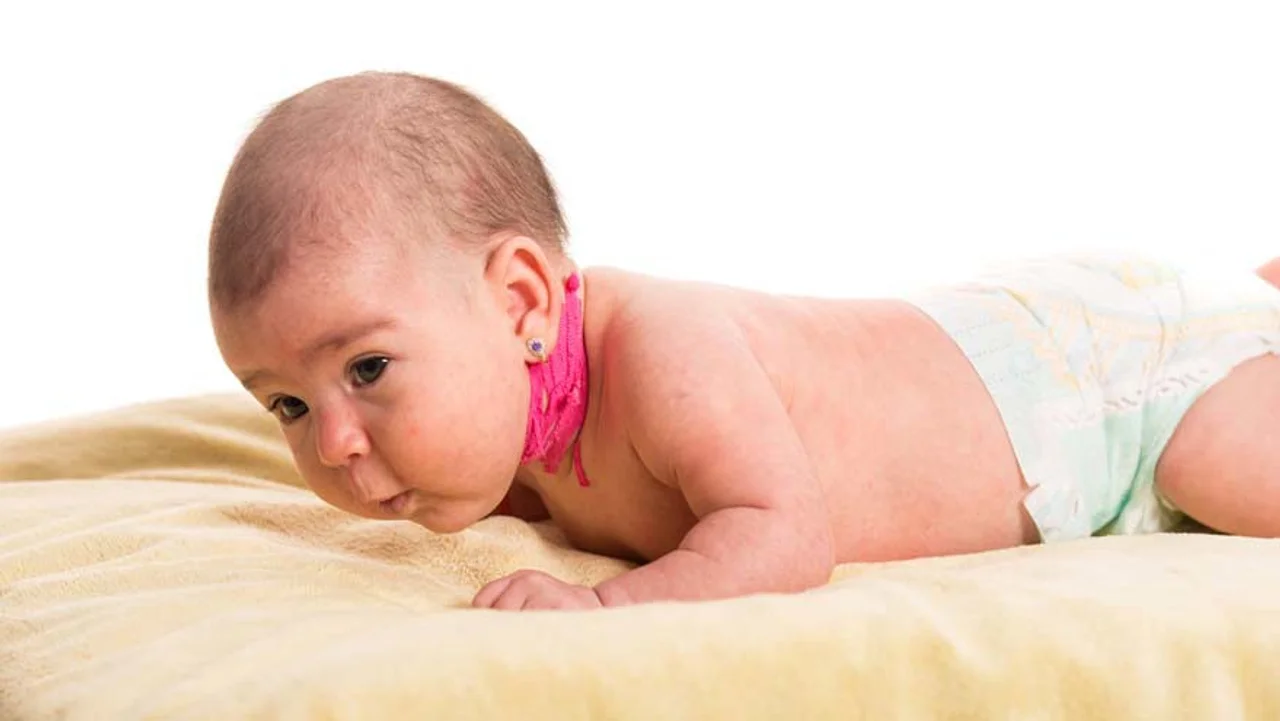
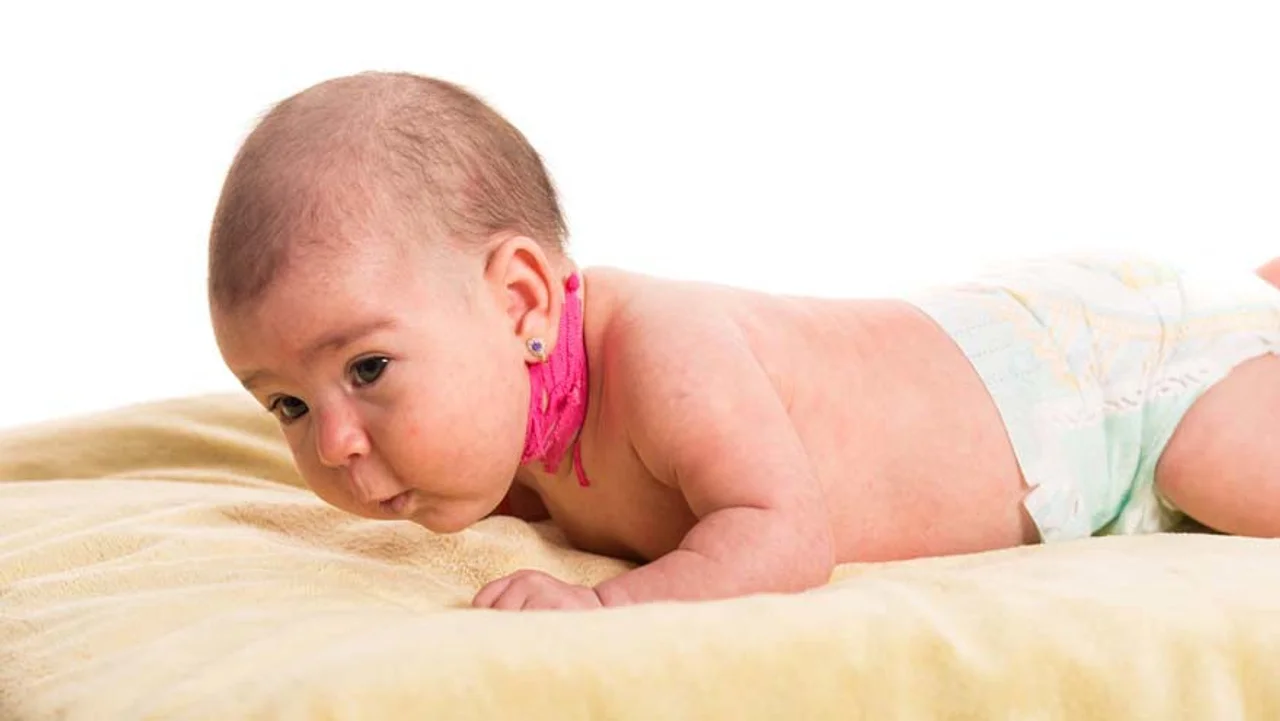
Have you noticed your baby favoring one head position, or perhaps tilting their head to one side when lying down? Many parents first see it in photos—one shoulder a little higher than the other, or the head gently angled. It can be surprising and even alarming, especially when it doesn’t seem to resolve on its own. This common condition is known as infant torticollis, and here in Korea, it’s one of the most frequent reasons parents visit our clinic.
At Banpo Newborn Korean Medicine Clinic, we have spent more than 30 years supporting families whose infants struggle with musculoskeletal imbalances. One of the most frequent questions new parents ask us is:
“Is Traditional Korean Medicine actually safe for babies with torticollis?”
To be honest, it’s a completely understandable question. When it comes to newborns, every touch feels precious. Parents want assurance that any treatment is not only effective, but also gentle, evidence-based, and aligned with the delicate needs of a growing baby.
In this article, we explore what infant torticollis is, why Traditional Korean Medicine (TKM) is used for this condition, what safety measures exist, and how specialized approaches—like our clinic’s spatial correction techniques—support infants with gentle, non-invasive care.
Understanding Infant Torticollis: More Than Just a Head Tilt
Infant torticollis (also called congenital muscular torticollis) often appears within the first weeks of life. The baby may:
Prefer turning the head to one side
Have difficulty breastfeeding on one breast due to head position
Show a tight or shortened neck muscle
Develop flattening on one side of the head (positional plagiocephaly)
In Korean households, it’s not uncommon for parents to initially assume it will “go away in time.” However, persistent muscular tightness can eventually influence posture, spinal development, or future movement patterns. That’s why early evaluation—regardless of treatment method—is so important.
From the perspective of Korean medicine, infant torticollis is not just a neck issue. It reflects a broader musculoskeletal imbalance, often involving the shoulders, spine, pelvis, and even the way the baby uses their limbs. Think of it as a tree: when the trunk leans slightly from the base, the branches will also grow unevenly.
Traditional Korean Medicine Approaches to Infant Torticollis
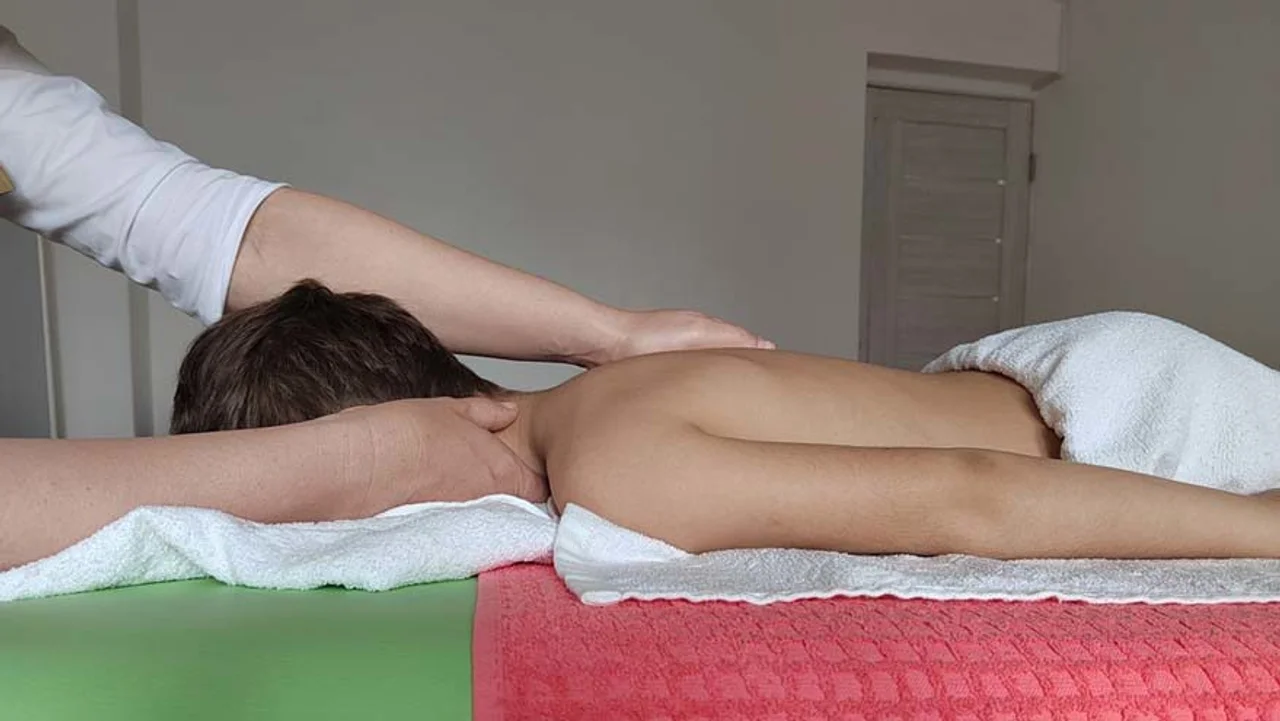
TKM has long emphasized balance, alignment, and gentle physical correction, especially for infants. In Korean cultural history, parents commonly sought non-invasive treatments for babies—treatments that avoided force or pain and focused on restoring natural movement patterns.
In modern clinical practice, especially at centers specializing in pediatric musculoskeletal care, TKM for torticollis typically includes:
1. Gentle Chuna Manual Therapy for Infants
This is a very light, precise form of mobilization tailored specifically for babies. Unlike adult Chuna, which may involve more noticeable joint manipulation, infant Chuna uses:
Subtle stretching
Soft tissue release
Mild positional correction
Encouragement of natural range of motion
Most parents are surprised by how delicate the movements are. A baby’s musculoskeletal system is highly responsive; small adjustments create meaningful changes.
2. Pediatric Acupressure (Not Needling)
In reputable Korean medicine clinics, needles are rarely, if ever, used for infants with torticollis. Instead, practitioners use safe, fingertip-based acupressure tailored to encourage muscle relaxation and improve symmetry.
This respects both the safety expectations of modern parents and the sensitivity of a baby’s developing body.
3. Whole-Body Alignment Perspective
TKM sees torticollis not as an isolated muscle problem but as a systemic alignment issue. Shoulder tension, pelvic asymmetry, or stiff fascial patterns may all contribute.
Our own clinic’s spatial spinal correction approach evaluates the three-dimensional structure of the infant’s posture. Even small imbalances can alter how the neck muscle (SCM) develops and functions.
But Is It Safe? The Core Question Parents Ask
Safety is, of course, the heart of the matter.
1. Infant-Specific Techniques Are Gentle by Design
Traditional Korean Medicine has a long history of pediatric care, and its methods have evolved to prioritize minimal pressure, slow movements, and careful observation.
A baby’s body should never be subjected to forceful manipulation or aggressive techniques. Qualified practitioners specializing in pediatric care understand this deeply.
2. Modern TKM Integrates Medical Insight
Today’s Korean medicine doctors receive training in anatomy, physiology, and clinical diagnostics. At Banpo Newborn, we also incorporate ultrasound-based postural screening and evidence-informed musculoskeletal assessments.
This ensures:
Proper differentiation between muscular torticollis and rarer, more serious causes
Treatment only when appropriate
Immediate referral when red flags appear
3. No Medication or Needles Are Required
Parents worry about side effects from herbal medicine or injections. Fortunately, infant torticollis treatment in TKM rarely requires internal medicine. The focus is manual, structural, and behavioral.
4. The Baby Leads the Pace
One of the guiding principles of pediatric TKM is that treatment adapts to the baby, not the other way around. If a baby is uncomfortable, overstimulated, or tired, the session adjusts accordingly.
Parents often remark that their baby seems more relaxed after a session, not less.
Why Parents Choose TKM for Infant Torticollis
There are several reasons Korean families—and increasingly international families—turn to Traditional Korean Medicine for this condition.
1. Non-Invasive Early Intervention
Parents appreciate having a gentle option that can be started early, when the baby’s tissues are still highly adaptable.
2. Whole-Body Functional Approach
TKM considers how torticollis affects:
Spinal curvature
Shoulder elevation
Head symmetry
Early motor milestones
This leads to care that supports overall development, not just the neck muscle.
3. Cultural Familiarity with Gentle Manual Care
Korean parents often grew up seeing relatives or neighbors receiving Chuna or manual therapies. This familiarity makes TKM feel accessible and comfortable.
4. Compatibility with Physical Therapy
TKM does not replace medical physical therapy. Instead, it can complement it by addressing soft-tissue imbalance and alignment, helping babies respond better to at-home stretching and repositioning.
How Banpo Newborn Korean Medicine Clinic Approaches Infant Torticollis
For more than three decades, our clinic has specialized in non-surgical spinal alignment, TMJ care, Chuna therapy, and holistic rehabilitation. Under the guidance of Dr. Ungjin Im, we have developed unique methods tailored specifically for infants with musculoskeletal asymmetry.
Two key innovations set our approach apart:
1. Spinal Alignment Restoration Therapy (SART)
Although SART is commonly applied to adults, its principles inform our pediatric protocols:
Understanding three-dimensional spinal dynamics
Identifying subtle rotations or compensations
Encouraging natural realignment without force
When adapted for infants, these principles guide gentle handling and precise correction.
2. Spatial Spinal Correction for Babies
This technique examines how the neck, spine, and pelvis interact in space. For infants with torticollis, even a small pelvic tilt can influence head posture.
Parents often assume the problem is “just the neck,” but our evaluations reveal patterns such as:
Shoulder elevation on the tight side
Rib cage rotation
Difference in hip mobility
Preference for rolling or reaching on one side
By correcting these whole-body patterns, neck mobility improves more naturally and sustainably.
What a Typical Visit Looks Like (So Parents Know What to Expect)

Parents frequently walk into their first appointment nervous, unsure if their baby will cry or if the treatment will feel uncomfortable. Here’s what actually happens.
1. Detailed Postural & Movement Assessment
We observe:
How the baby turns the head
Resting posture
Symmetry of shoulders and pelvis
Facial or cranial asymmetry
Feeding posture patterns
Early motor development
Many parents tell us, “I never realized how connected everything is.”
2. Gentle Hands-On Testing
We use feather-light movements to assess muscle tension, range of motion, and fascial tightness. Babies typically remain calm during this part.
3. Soft Tissue & Alignment Correction
A few minutes of gentle correction may include:
Light stretching
Soft rubbing or traction
Supporting the baby into symmetrical positions
Encouraging balanced head movement
It looks more like baby yoga than medical manipulation.
4. Parental Guidance
We teach parents:
How to hold and feed the baby symmetrically
At-home positions that support correction
What patterns to monitor
This empowers families to participate actively in the baby’s recovery.
Safety Considerations: When TKM Is Not Appropriate
Responsible care also means understanding when manual therapy should not be used. A qualified practitioner will evaluate for:
Suspected vertebral anomalies
Neurological symptoms
Fever or infection
Severe developmental delay that warrants medical referral
Masses or lumps not consistent with muscular torticollis
More Medical Articles
Continue reading clinical insights from Banpo Newborn Korean Medicine Clinic.

Why Seoul is the Global Hub for Minimally Invasive Vertigo Treatment
Dizziness and vertigo are among the most common reasons for hospital visits in South Korea, affecting nearly 16.7% of the adult population annually according to the Korea National Health and Nutrition Examination Survey (KNHANES).
Learn More

Tinnitus Relief in Seoul: Multidisciplinary Upper Cervical Care
For many, the sound of silence is replaced by a persistent ringing, buzzing, or hissing. In South Korea, this is more than an individual annoyance; it is a significant public health trend.
Learn More

Success Rates of SART for OPLL Compared to Standard Laminectomy in Korea
The prevalence of Ossification of the Posterior Longitudinal Ligament (OPLL) in East Asian populations, particularly in South Korea, is significantly higher than in Western countries, affecting approximately 2% to 4% of the population according to nationwide...
Learn More