SART Whole-Body Spinal Alignment, Chuna Therapy & International Patient Concierge
30+ Years Clinical Experience
en-US


Korean Medicine Guide
Is Your Headache Coming from Your Jaw? The TMJ Connection Explained
Headaches linked to jaw pain? Discover how TMJ disorder triggers chronic headaches and learn key signs, causes, and treatment options.
Schedule a ConsultationIs Your Headache Coming from Your Jaw?

The TMJ Connection Explained**
Have you ever pressed your fingers gently along the sides of your face—just in front of your ears—and felt a dull ache or tightness you didn’t even realize was there? Many of our patients at Banpo Newborn Korean Medicine Clinic come in for chronic headaches, believing the root cause must be in their neck, eyes, or stress levels. And while those can certainly play a role, we often discover something surprising:
Their headaches are actually coming from their jaw.
More specifically, from the temporomandibular joint, commonly known as the TMJ—a small but incredibly complex joint responsible for chewing, speaking, and supporting proper alignment of the skull.
To be honest, many people don’t realize just how deeply the jaw influences the rest of the body. But once you understand how the TMJ works, why it becomes dysfunctional, and how closely it's tied to tension-type headaches and migraines, the connection becomes almost impossible to ignore.
In this article, we will explore the TMJ–headache link from the perspective of Korean medicine and advanced biomechanical correction. We’ll also share how our clinic’s unique methods—like Spinal Alignment Restoration Therapy (SART) and spatial spinal correction—help patients heal not only their jaw pain but their chronic headaches and overall well-being.
The TMJ: A Small Joint With a Big Impact
The TMJ sits right where your lower jaw meets your skull. What makes this joint remarkable is its dual function: it hinges and it glides, enabling a wide range of movement for chewing, talking, and yawning.
If the TMJ becomes misaligned—even slightly—the muscles around the jaw are forced to work harder. This strain radiates upward into the temples, forehead, and even behind the eyes.
Why the TMJ Affects Your Head
The jaw’s muscles share nerve pathways with the head and neck.
TMJ tension irritates the trigeminal nerve, one of the main nerves involved in headaches.
Tight jaw muscles pull on surrounding fascia, spreading tension across the scalp.
Misalignment of the jaw disrupts overall posture, especially in the neck and upper spine.
At our clinic, we often tell patients:
“The TMJ is like a hinge at the entrance of the entire upper body. If that hinge is crooked, everything around it compensates.”
Common Signs Your Headache Is Jaw-Related
Patients are often surprised when we tell them their headaches may originate from their TMJ. But once we walk through their symptoms, they begin to connect the dots.
Here are the most common indicators:
1) Morning headaches
If you clench or grind your teeth at night, the jaw muscles stay in a state of tension for hours. Many patients wake up with a headache that slowly improves during the day.
2) Pain when chewing or talking
This includes clicking, popping, or locking sensations—clear signs the joint is not moving smoothly.
3) Tightness in the temples or behind the eyes
Temple pain is one of the classic patterns we see in TMJ-related headaches.
4) Ear-related symptoms
Because the TMJ sits so close to the ear, TMJ dysfunction may cause:
Ear fullness
Tinnitus
Pain around the ear
5) Neck stiffness
A misaligned jaw often causes the neck to compensate, leading to chronic tension in the upper cervical spine—another major contributor to headaches.
When patients in our Banpo clinic describe a combination of these symptoms, we often find that the TMJ—not just stress or posture—is playing a central role.
The Korean Medicine Perspective: The TMJ as a Structural and Energetic Hub
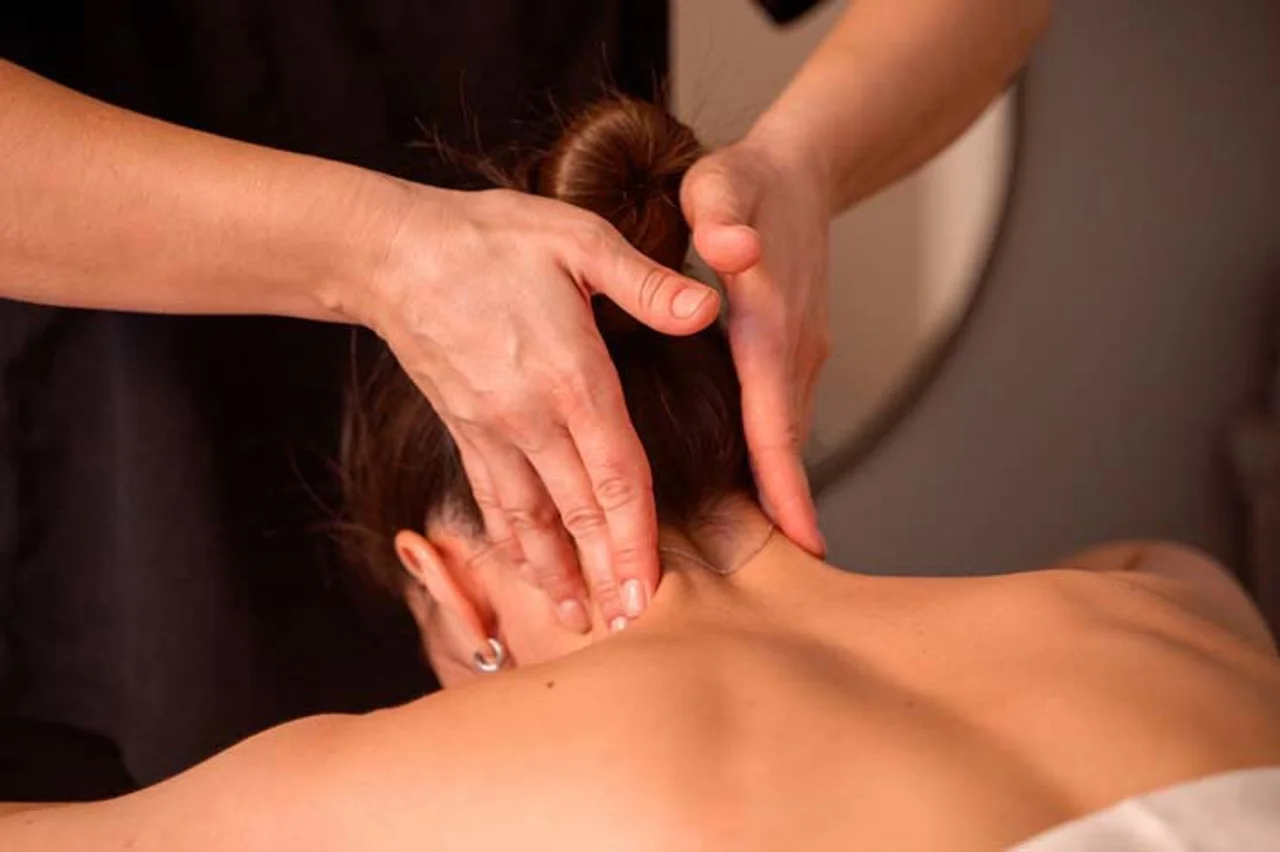
Traditional Korean medicine—and its modern biomechanical applications—views the body as an interconnected network. When one area falls out of balance, the effect ripples throughout the system.
Why the TMJ Is Considered a Key Structural Point
It influences the alignment of the skull and cervical spine.
Muscle tension here affects Qi (energy) flow along meridians such as the Stomach, Gallbladder, and Triple Burner, all of which pass through the face and head.
Internal stress can manifest externally in the jaw.
From a clinical standpoint, we frequently see that TMJ dysfunction destabilizes the upper cervical spine, especially the atlas (C1). This is one of the major reasons why headaches persist even after treating the symptoms directly.
As Dr. Ungjin Im often tells patients:
“When the jaw shifts, the neck shifts. When the neck shifts, the whole spine begins to compensate. Pain is simply the language the body uses to tell us something is misaligned.”
How TMJ Dysfunction Develops in Everyday Life
TMJ disorders rarely come from one dramatic event. Instead, they build quietly over time.
1) Stress and jaw clenching
Modern life makes this the most common cause we see. Even mild, unconscious clenching can overload the jaw muscles.
2) Poor posture
Using smartphones or computers for long hours pulls the head forward, changing the way the jaw rests.
At Banpo Newborn, we often compare this to a door that no longer closes straight because the frame has shifted.
3) Misaligned bite or dental issues
Dental treatments, missing teeth, and orthodontic changes can all affect TMJ alignment.
4) Neck injuries
Whiplash or chronic cervical misalignment alters the jaw’s positioning.
5) Habitual behaviors
Chewing on one side
Nail biting
Resting the chin on a hand
These habits may seem harmless, but over years they create subtle asymmetries that lead to headaches.
Why TMJ Disorders Cause Different Types of Headaches
Not all TMJ-related headaches feel the same. Here are the three main patterns we treat.
1) Tension-type headaches
These usually involve:
Pressure around the temples
Ache across the forehead
Tightness in the jaw or neck
The root is muscular overload.
2) Migraine-like headaches
TMJ irritation can activate the trigeminal nerve—one of the central pathways involved in migraines.
Patients often experience:
Throbbing pain
Light sensitivity
Nausea
3) Referred pain headaches
The brain sometimes misinterprets the location of pain. A dysfunction in the TMJ may be felt as pain in:
The top of the head
Behind the eyes
The cheeks
Understanding the specific pattern helps us tailor treatment more effectively.
How We Diagnose TMJ-Related Headaches at Banpo Newborn
One of the clinic’s strengths is our detailed, whole-body diagnostic approach. We don’t simply examine the jaw—we assess how the jaw interacts with the entire spine and nervous system.
Our evaluation includes:
TMJ mobility and alignment testing
Palpation for muscular trigger points
Assessment of cervical alignment (C1–C3)
Posture and gait analysis
Bite and facial symmetry evaluation
Neurological tests for trigeminal involvement
Many patients tell us it’s the first time anyone has looked this comprehensively at their symptoms.
Treatment at Banpo Newborn: A Whole-Body Approach to TMJ and Headaches
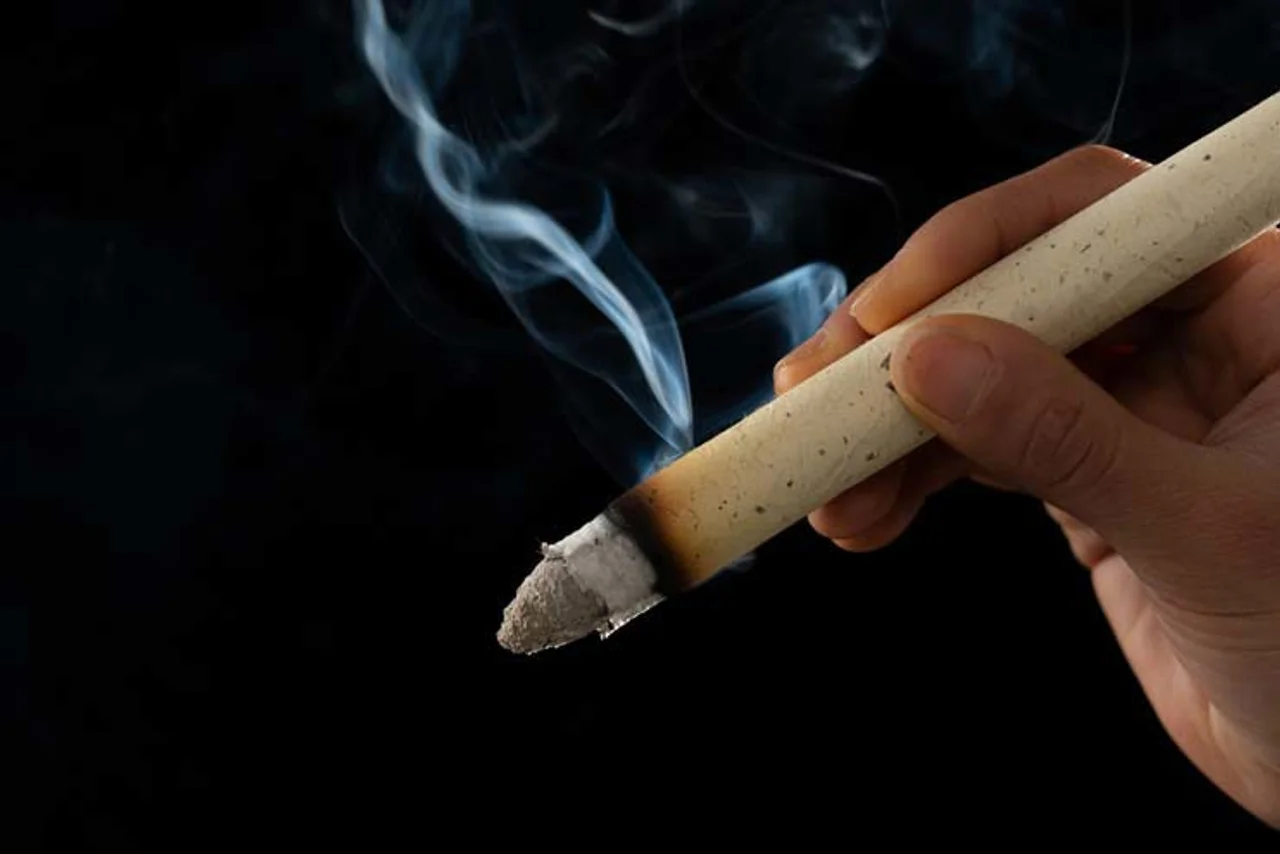
1) Spinal Alignment Restoration Therapy (SART)
This is one of our clinic’s signature treatments, developed through decades of experience. SART gently realigns the spine using precise, non-invasive adjustments. When the upper cervical spine returns to balance, the TMJ is naturally able to move more freely.
2) Spatial Spinal Correction
This method focuses on the three-dimensional movement of the spine—not just forward and backward, but also rotational and lateral balance. Because TMJ dysfunction often causes subtle tilts in the head and neck, spatial correction helps restore symmetry throughout the body.
A patient once told us:
“I came for headaches, but after treatment my whole posture felt different—lighter, more open. I didn’t realize how much my jaw was affecting me.”
3) Chuna Manual Therapy
Chuna therapy helps release tight muscles, correct joint misalignments, and improve mobility. In TMJ cases, we apply highly specialized techniques around the:
Jaw
Neck
Upper back
Cranial sutures
This holistic release often reduces headache frequency significantly.
4) TMJ-specific mobilization
Gentle adjustments help the joint glide more smoothly. Even small corrections can relieve pressure almost immediately.
5) Acupuncture
Acupuncture targets the muscle tension and nerve pathways involved in headaches. We often use points along the Stomach, Gallbladder, Small Intestine, and Triple Burner meridians.
Many patients report relief within the first few sessions.
6) Personalized habit correction
We help patients identify and correct subtle contributors, such as:
Clenching
Forward head posture
One-sided chewing
Sleeping positions
Healing is fastest when daily habits support the jaw’s recovery.
A Case Study From Our Clinic
One of our recent patients was a young office worker in her 30s who suffered from persistent right-sided headaches. She had tried painkillers, eye exams, and even neurology consultations with no lasting relief.
During her evaluation, we found:
Severe tightness in the right masseter muscle
Cervical rotation with atlas (C1) misalignment
Shallow breathing from upper-body tension
Significant clenching during sleep
After six weeks of SART, Chuna therapy, and TMJ mobilization, her headaches improved by over 80%. But more importantly, she told us:
“I feel like myself again. I didn’t realize how much my jaw was controlling my life.”
Stories like hers are incredibly common—and remind us how often jaw-related headaches go overlooked.
How to Tell If You Should Get Your TMJ Checked
More Medical Articles
Continue reading clinical insights from Banpo Newborn Korean Medicine Clinic.

Why Seoul is the Global Hub for Minimally Invasive Vertigo Treatment
Dizziness and vertigo are among the most common reasons for hospital visits in South Korea, affecting nearly 16.7% of the adult population annually according to the Korea National Health and Nutrition Examination Survey (KNHANES).
Learn More

Tinnitus Relief in Seoul: Multidisciplinary Upper Cervical Care
For many, the sound of silence is replaced by a persistent ringing, buzzing, or hissing. In South Korea, this is more than an individual annoyance; it is a significant public health trend.
Learn More

Success Rates of SART for OPLL Compared to Standard Laminectomy in Korea
The prevalence of Ossification of the Posterior Longitudinal Ligament (OPLL) in East Asian populations, particularly in South Korea, is significantly higher than in Western countries, affecting approximately 2% to 4% of the population according to nationwide...
Learn More