SART Whole-Body Spinal Alignment, Chuna Therapy & International Patient Concierge
30+ Years Clinical Experience
en-US

Korean Medicine Guide
Is Your Neck Ache Linked to Stress or Something Deeper?
Is your neck ache caused by stress or an underlying condition? Learn key symptoms, causes, and when neck pain signals something deeper.
Schedule a ConsultationIs Your Neck Ache Linked to Stress or Something Deeper?
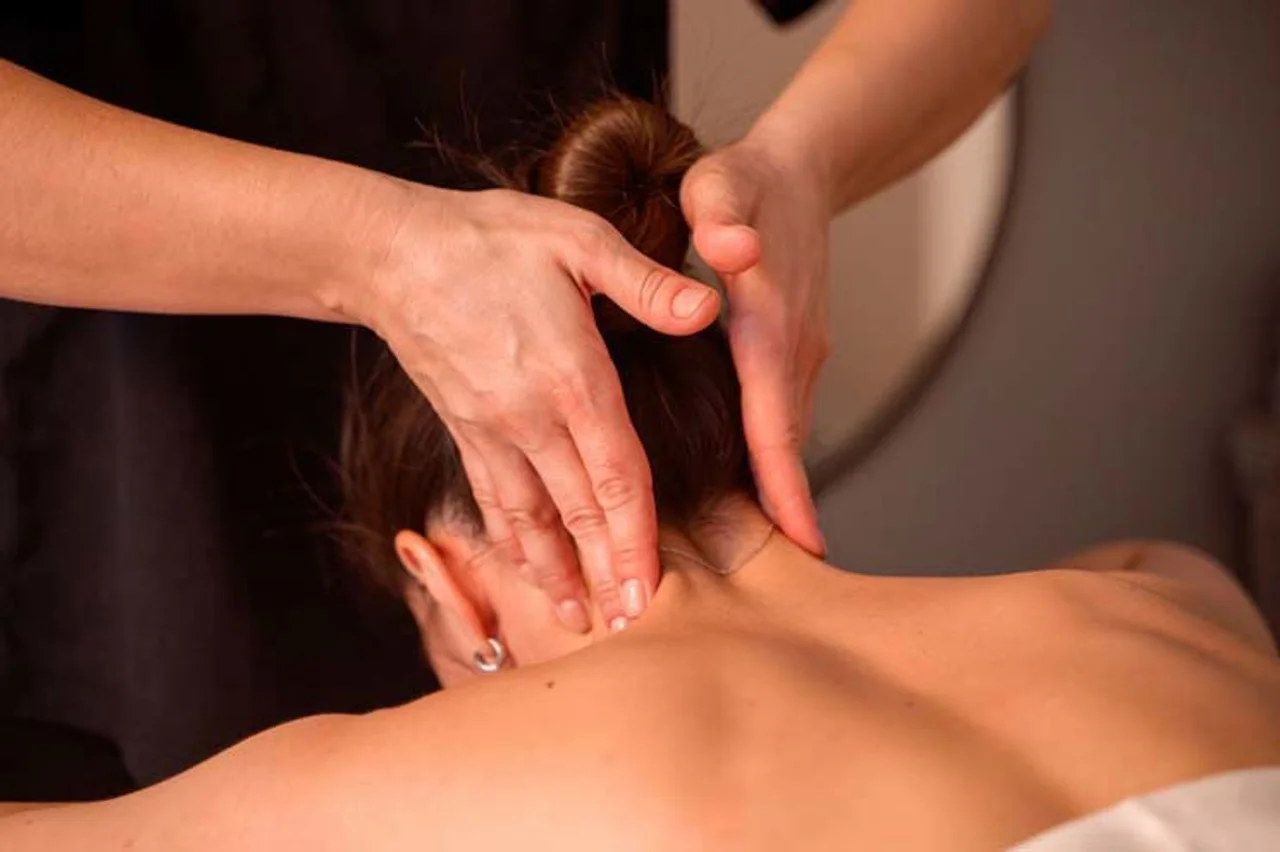
Have you ever noticed how your neck stiffens after a long day—especially one filled with deadlines, tension, or emotional strain? Many people assume neck pain is just “stress settling in,” something that will fade after a night’s rest or a quick massage.
But to be honest, at Banpo Newborn Korean Medicine Clinic, we often see a different story. Stress may be the spark, but the fire usually comes from something deeper—structural imbalance, spinal misalignment, or long-standing postural strain that the body has been compensating for over years.
If you’ve been living with recurring neck ache, headaches, shoulder tightness, or even jaw discomfort, this article is for you. Let’s take a closer look at when neck pain really is stress-related—and when it’s your body asking for deeper attention.
Neck Pain: One of the Most Common Complaints—And the Most Misunderstood
In modern Korean society, neck pain has become almost universal. Long hours at desks, smartphones held at chest level, commuting stress, and emotional pressure all place constant demand on the cervical spine.
Many patients tell us:
“My neck feels heavy every morning.”
“I thought it was stress, but it never really goes away.”
“I’ve tried stretching, massage, even painkillers—nothing lasts.”
What’s important to understand is this:
The neck is not an isolated structure. It is a highly sensitive bridge between the brain, spine, jaw, shoulders, and nervous system. When something is off—structurally or neurologically—the neck often becomes the first place to complain.
When Neck Pain Is Linked to Stress
Stress does affect the body—this is not a myth.
From a Korean medicine perspective, emotional stress disrupts the smooth flow of qi (기혈) and causes muscle guarding, especially in the neck and shoulders. From a biomedical view, stress activates the sympathetic nervous system, leading to:
Increased muscle tension
Reduced blood flow
Heightened pain sensitivity
Common Signs of Stress-Related Neck Pain
Stress-dominant neck discomfort often shows these characteristics:
Tightness rather than sharp pain
Bilateral stiffness (both sides equally)
Worse at the end of the day
Improves temporarily with rest, heat, or massage
In these cases, stress acts like someone constantly pulling on a rope—the muscles never fully relax.
However, here’s the critical insight many people miss:
Stress rarely acts alone.
It usually reveals an underlying weakness that has already been present.
The Deeper Question: Why Is Your Neck So Vulnerable?

If two people experience the same level of stress, why does one develop chronic neck pain while the other does not?
This is where we must look beyond stress itself.
The Neck as a Structural “Alarm System”
At Banpo Newborn Korean Medicine Clinic, we often explain the neck like the foundation beam between floors of a building. If the lower structure (spine, pelvis, posture) is unstable, the neck absorbs the imbalance.
Common deeper contributors include:
Forward head posture
Loss of normal cervical curve
Upper thoracic stiffness
Jaw (TMJ) imbalance
Pelvic or spinal asymmetry
Over time, the neck is forced to compensate. Stress simply pushes it beyond its limit.
Forward Head Posture: The Silent Driver of Chronic Neck Ache
One of the most overlooked causes of persistent neck pain is forward head posture—a condition where the head sits several centimeters in front of the body’s center line.
For every 2–3 cm the head shifts forward, the load on the neck increases dramatically. The muscles are no longer supporting balance—they are holding up weight.
This often leads to:
Constant muscle fatigue
Compressed cervical joints
Disc stress
Headaches and eye strain
Many patients are surprised when we tell them:
“Your neck pain didn’t start in your neck—it started in how your spine adapted years ago.”
When Neck Pain Is a Sign of Spinal Misalignment
From over 30 years of clinical experience, Dr. Ungjin Im often emphasizes that chronic neck pain rarely exists without spinal involvement.
How Spinal Imbalance Affects the Neck
Pelvic tilt → uneven spinal loading
Thoracic stiffness → forced neck mobility
Cervical misalignment → nerve irritation
The body is incredibly intelligent. It will compensate quietly—until it can’t anymore.
This is why many people experience:
Neck pain with no clear injury
Recurring stiffness despite treatment
Pain that “moves” between neck, shoulders, and upper back
The Jaw–Neck Connection Most People Miss
Another overlooked factor is TMJ (temporomandibular joint) imbalance.
The jaw and neck share muscular, fascial, and neurological pathways. When the bite is uneven or the jaw position is unstable, the neck muscles are forced to adjust constantly.
Signs your neck pain may be jaw-related:
Neck pain with jaw clicking or tightness
Headaches near the temples
Shoulder stiffness when chewing or talking
Neck pain that worsens in the morning
At Banpo Newborn, TMJ and neck issues are never evaluated separately—because the body doesn’t separate them.
Why Painkillers and Massage Often Fail Long-Term
Many patients come to us after years of temporary relief:
Medication dulls pain but doesn’t restore alignment
Massage relaxes muscles but not structural stress
Stretching helps briefly, then symptoms return
This cycle can feel frustrating—and discouraging.
But the reason is simple:
You cannot relax a muscle that is compensating for imbalance.
Until the spine, posture, and joint relationships are corrected, the neck will continue to tighten—no matter how much stress you manage.
A Korean Medicine Perspective: Treating Root and Branch
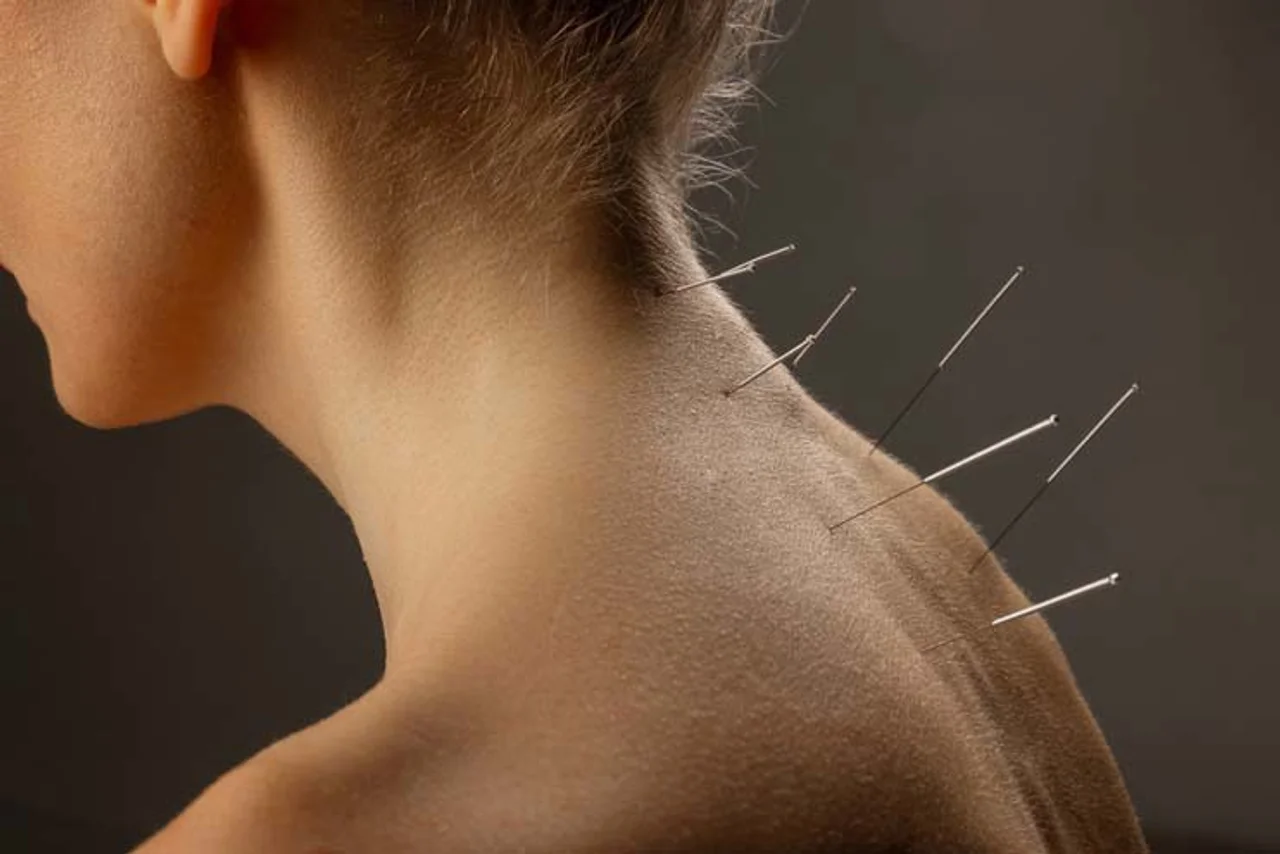
In Korean medicine, symptoms are considered the “branch,” while structural and functional imbalance is the “root.”
Stress is often the wind that shakes the tree—but if the roots are uneven, the tree will lean.
At Banpo Newborn, We Focus On:
Restoring spinal alignment, not forcing relaxation
Normalizing cervical curvature gently
Rebalancing jaw–neck–shoulder coordination
Supporting nervous system regulation
This is the foundation of Spinal Alignment Restoration Therapy (SART)—a non-invasive, precise approach developed through decades of clinical practice.
A Realistic Patient Story (Seen Often in Clinic)
A woman in her early 40s came to us with chronic neck pain she believed was “just stress.” She worked long hours, slept poorly, and had tried everything from yoga to pain injections.
After evaluation, we found:
Forward head posture
Thoracic stiffness
TMJ imbalance from years of clenching
Her stress was real—but it wasn’t the root cause.
As her spinal alignment and jaw balance improved, something unexpected happened:
Her stress-related neck pain reduced even during busy periods.
Why? Because her body no longer needed to fight gravity all day.
How to Know If Your Neck Pain Is Something Deeper
Consider a deeper evaluation if:
Pain lasts longer than 3 months
Symptoms return quickly after treatment
You feel imbalance, not just tension
Neck pain comes with headaches, jaw issues, or posture changes
Pain feels “stuck” despite stress management
Your body may be asking for structural correction, not just rest.
What You Can Do Right Now
While professional evaluation is essential, you can begin by:
Becoming aware of head and shoulder posture
Avoiding prolonged phone or laptop slouching
Not ignoring recurring stiffness
Understanding that pain is information, not weakness
If you’ve been living with neck pain for years, it’s not because you failed to relax enough. It’s often because your body has been compensating for too long.
A Gentle Closing Thought from Banpo Newborn
If you take one thing from this article, let it be this:
Neck pain is rarely “just stress.”
It is often the body’s quiet way of asking for alignment, balance, and care.
At Banpo Newborn Korean Medicine Clinic in Banpo, Seoul, we believe healing begins with understanding—not rushing, not forcing, and never dismissing what the body is communicating.
If you’re considering a deeper look into the root of your neck discomfort, a comprehensive spinal and postural evaluation may be the first meaningful step toward long-term relief.
You don’t have to live in constant tension.
And healing is more possible than you think.
More Medical Articles
Continue reading clinical insights from Banpo Newborn Korean Medicine Clinic.

Why Seoul is the Global Hub for Minimally Invasive Vertigo Treatment
Dizziness and vertigo are among the most common reasons for hospital visits in South Korea, affecting nearly 16.7% of the adult population annually according to the Korea National Health and Nutrition Examination Survey (KNHANES).
Learn More

Tinnitus Relief in Seoul: Multidisciplinary Upper Cervical Care
For many, the sound of silence is replaced by a persistent ringing, buzzing, or hissing. In South Korea, this is more than an individual annoyance; it is a significant public health trend.
Learn More

Success Rates of SART for OPLL Compared to Standard Laminectomy in Korea
The prevalence of Ossification of the Posterior Longitudinal Ligament (OPLL) in East Asian populations, particularly in South Korea, is significantly higher than in Western countries, affecting approximately 2% to 4% of the population according to nationwide...
Learn More