SART Whole-Body Spinal Alignment, Chuna Therapy & International Patient Concierge
30+ Years Clinical Experience
en-US

Korean Medicine Guide
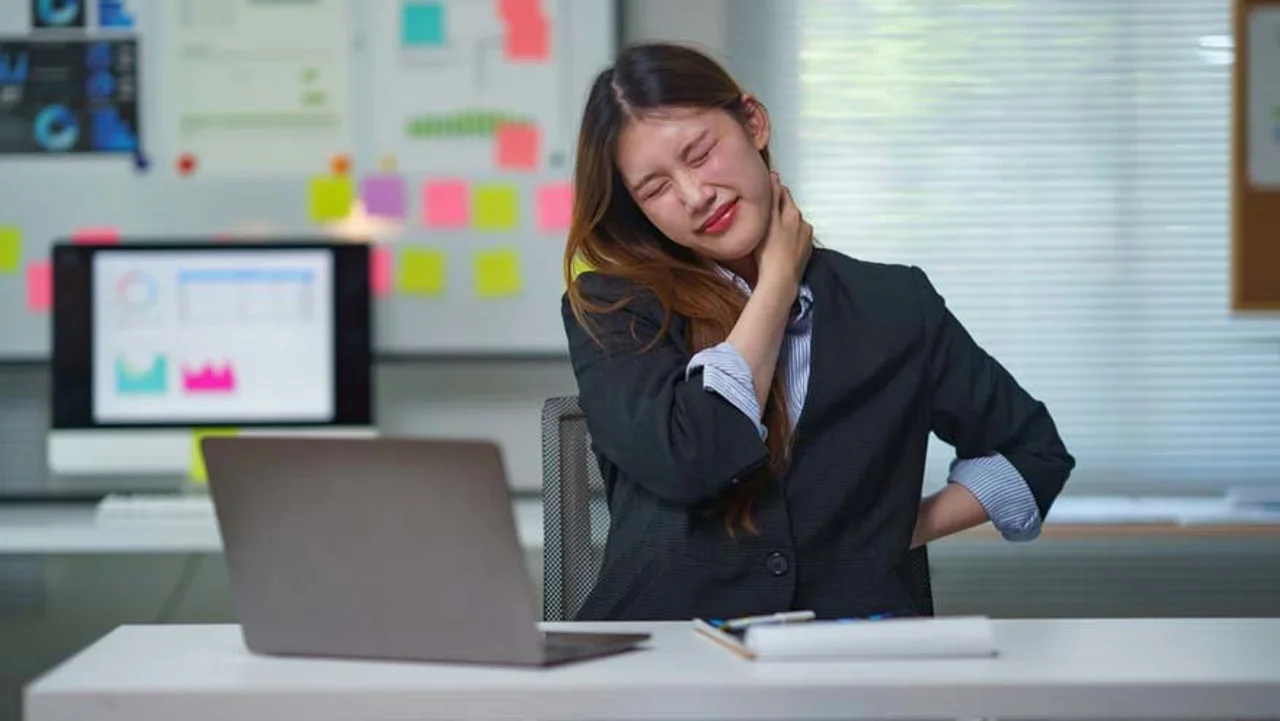
Is Your Neck Stiffness a Result of Poor Posture or Disc Issues?
Neck stiffness explained—discover if poor posture or cervical disc problems are causing your pain, plus symptoms and treatment insights.
Schedule a ConsultationIs Your Neck Stiffness a Result of Poor Posture or Disc Issues?
Understanding the Real Cause and How to Restore Your Spine Safely**
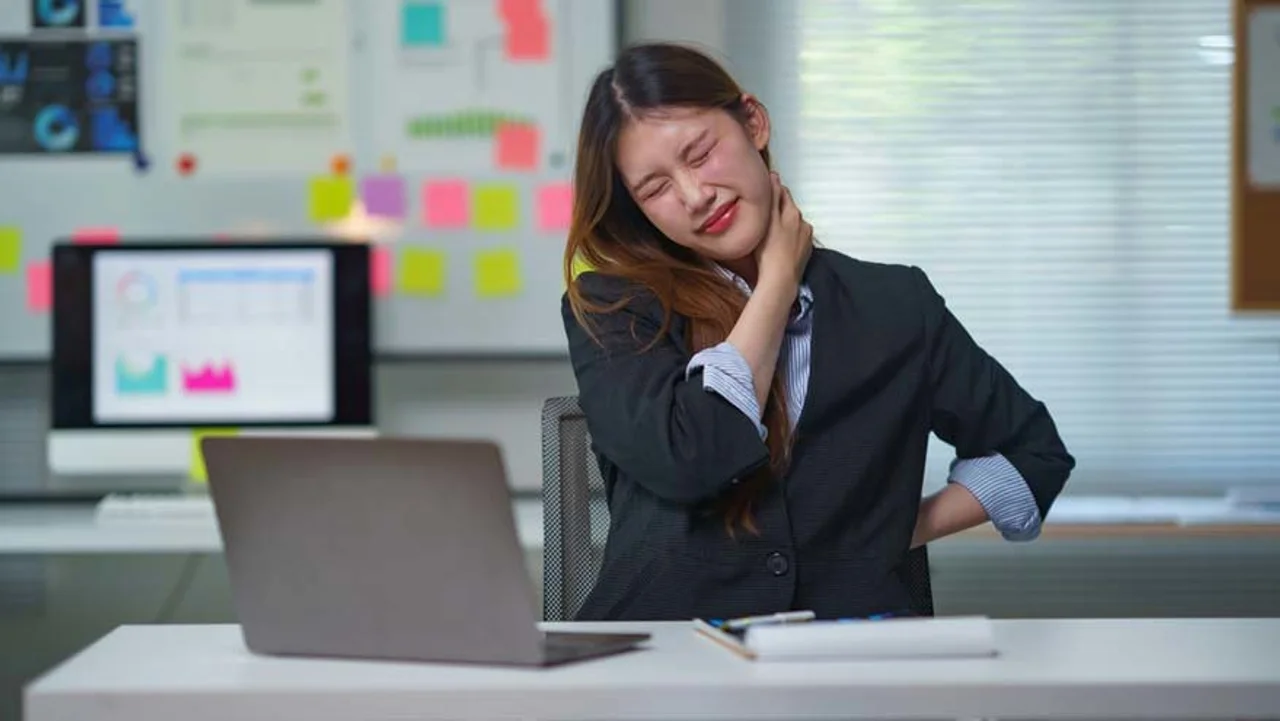
Have you ever woken up with a neck so stiff that turning your head feels like rotating a rusted door hinge? Or perhaps you’ve spent weeks—or years—feeling a constant tightness across your neck and shoulders, wondering whether it’s just your posture or something more serious. At Banpo Newborn Korean Medicine Clinic in Seoul, we meet people every day who are living with these exact questions. To be honest, many don’t realize how much of their discomfort can be traced back to subtle but long-standing changes in their spine.
Neck stiffness is one of the most common complaints we treat, often more widespread than people admit. Korea’s intense work and study culture, long hours spent on digital devices, and increasingly sedentary lifestyles all contribute to the rise of chronic neck pain. But what patients truly want to know is simple: “Is my pain just bad posture, or do I have a cervical disc problem?”
This is an important distinction—but it’s not always obvious. Let’s break down the difference in a way that’s medically accurate, but also human and relatable.
Why Neck Stiffness Happens: The Everyday Anatomy Behind the Pain
The neck, or cervical spine, is made up of seven vertebrae, cushioned by discs, supported by muscles, and guided by nerves that communicate with the entire upper body. It’s a delicate architectural structure: flexible, mobile, and surprisingly easy to misalign.
From the perspective of Korean medicine and spinal biomechanics, neck stiffness often reflects one of two root issues:
Functional imbalance – typically caused by poor posture, muscle overuse, or structural misalignment.
Mechanical damage – involving disc degeneration, bulging, or herniation.
Both can feel very similar to patients—but as clinicians, we look for specific patterns that guide us toward the real cause.
Poor Posture: The Silent Culprit Most People Overlook

Most cases of neck stiffness we see at Banpo Newborn start with posture—especially forward head posture, rounded shoulders, and prolonged sitting.
Think about how many hours a day you spend looking down at your phone, laptop, or even the steering wheel. If your head normally weighs about 4–5 kilograms, tilting it forward by even 15 degrees nearly doubles the force placed on your cervical spine. At 30 degrees, the load can be equivalent to carrying 18–20 kilograms. It’s no wonder your muscles protest.
Over time, these stressed muscles tighten and shorten. Your spine begins to shift from its natural curvature. Patients often describe sensations such as:
A stiff, “cement-like” feeling across the neck and shoulders
Difficulty turning the head fully
Tension headaches
Achy fatigue that worsens throughout the day
Relief after massage—but only temporarily
These symptoms suggest that the cause is more functional than structural.
How We Identify Posture-Related Stiffness
At Banpo Newborn Korean Medicine Clinic, Dr. Ungjin Im focuses on several diagnostic patterns:
Does stiffness improve when posture is corrected?
Are muscles around the cervical spine overly tight or shortened?
Is the cervical curve flattened due to long-term device use?
Does discomfort spread symmetrically across the upper back and shoulders?
Postural stiffness is like a house whose foundation is slightly tilted—everything above it begins compensating. The key is restoring alignment before deeper issues develop.
When the Problem Is More Serious: Cervical Disc Involvement
Disc issues often arise slowly, especially after years of poor posture or repetitive strain. Many patients are surprised to learn that their “simple stiff neck” was masking early disc degeneration.
Cervical discs act as shock absorbers, but when they weaken, they may bulge or herniate, pressing on nerves. This creates a different pattern of symptoms:
Sharp or radiating pain into the arm or shoulder
Numbness, tingling, or weakness in the hands
Pain that worsens when lying down or extending the neck
Restricted movement accompanied by a “catching” sensation
Chronic stiffness that doesn’t improve with rest
One patient who visited us—let’s call her Ms. Kim—had spent years treating her stiffness with short-term remedies. Massages helped, stretching felt good temporarily, but her symptoms always returned. When she finally came for a full spinal evaluation, imaging revealed early disc protrusion between C5 and C6. She told us, “I thought it was just tension from work. I didn’t know a disc could be involved.”
This story is common. Disc issues often begin quietly.
How We Identify Disc-Related Stiffness
Dr. Im’s diagnostic approach includes:
Checking for nerve pathway symptoms
Evaluating whether stiffness is accompanied by pain radiating downward
Observing whether certain neck positions worsen the symptoms
Assessing the cervical curve for collapse or abnormal tilting
Palpating for joint restrictions, not just muscular tension
When disc involvement is suspected, the underlying misalignment must be addressed—not just the symptoms.
What Makes Korean Medicine’s Approach Unique?
In Western medicine, neck stiffness is often treated with medication or physical therapy. While these can be useful, they don’t always address the biomechanical root cause.
Korean medicine views the spine as a dynamic, interconnected structure. Misalignments in one region affect function throughout the body. The goal is to restore balance and help the body return to its natural healing state.
At Banpo Newborn, we take this even further with precision-based techniques developed by Dr. Im over his 30-year career.
SART: Restoring Alignment at the Source
Spinal Alignment Restoration Therapy (SART) is one of the core treatments at our clinic. It focuses on correcting the three-dimensional forces acting on the cervical spine.
Think of your spine like a tree trunk. If it leans slightly because of wind or uneven soil, the entire structure starts adapting—and eventually weakening. SART aims to bring the “tree” back into true vertical balance.
How SART Helps Neck Stiffness
Repositions misaligned cervical vertebrae
Restores the natural neck curvature
Reduces muscle overcompensation
Improves blood flow to surrounding tissues
Decompresses stressed discs
Patients often describe feeling “lighter” after treatment, as though pressure they didn’t realize they were carrying has suddenly lifted.
Spatial Spinal Correction: Looking Beyond the Symptoms
Dr. Im’s signature method—spatial spinal correction—examines how the spine behaves not just in one plane, but in space as a whole. Many people with neck pain actually have misalignments originating from the pelvis or thoracic spine.
When we correct the full chain of alignment, the cervical spine often recovers far more quickly.
Why This Matters for Neck Stiffness
Poor pelvic alignment can force the neck into compensatory angles
Thoracic rigidity can limit cervical mobility
Shoulder imbalance can create chronic neck tension
In other words, where you feel the pain is not always where the problem begins. This whole-body perspective is what allows our treatments to be effective even for patients who have struggled for years.
Chuna Therapy: Gentle, Hands-On Realignment
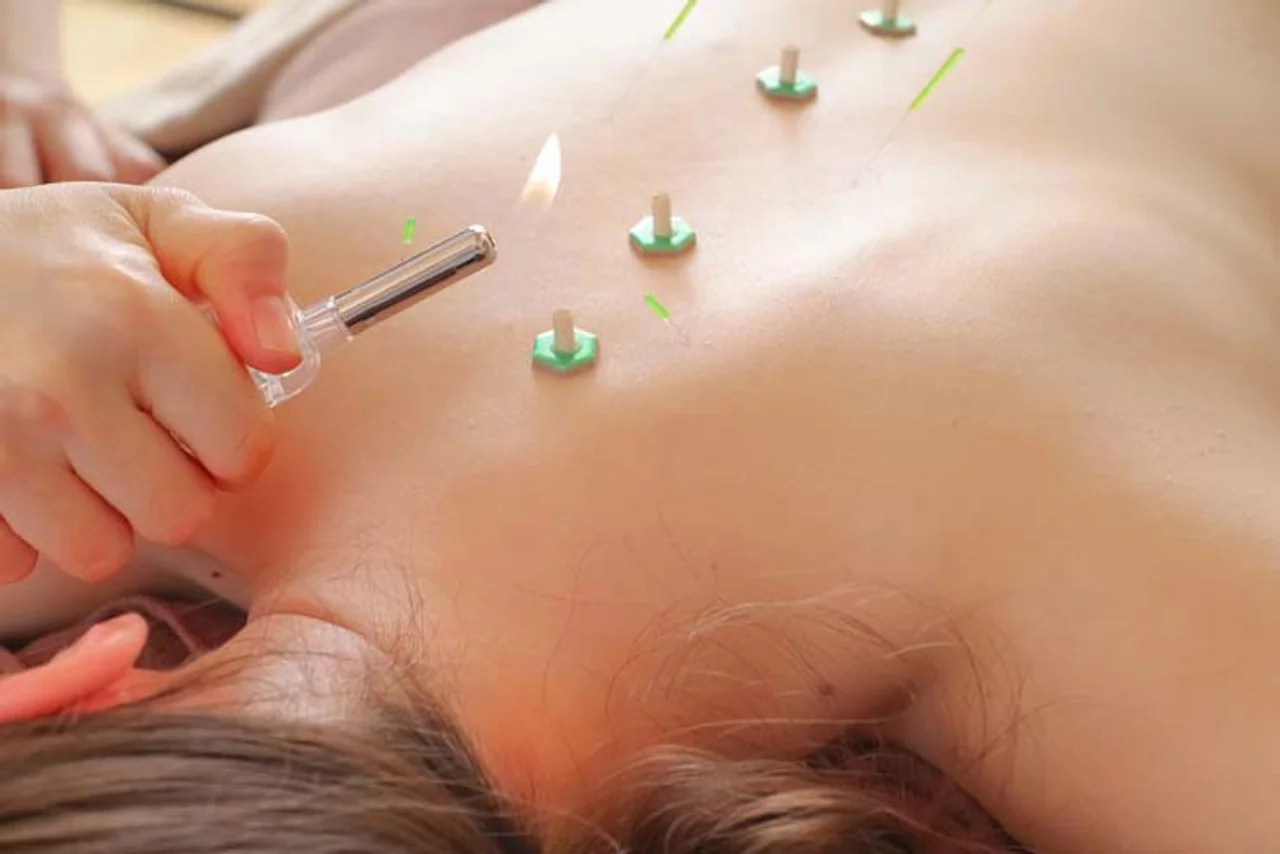
Chuna is a traditional Korean manual therapy used to mobilize joints, relax tight tissues, and restore physiological movement. But at Banpo Newborn, we practice a highly refined, evidence-informed form of Chuna that prioritizes safety and precision.
What Chuna Can Do for Stiff Necks
Loosens chronically contracted muscles
Releases joint blockages
Improves posture and mobility
Encourages natural disc decompression
Harmonizes nervous system responses
Many patients say they can feel their neck “breathing again” after a session.
So—Is Your Neck Stiffness From Posture or a Disc Problem?
Here’s a simple way to understand the difference:
More likely posture-related if:
Your stiffness worsens after sitting
Stretching provides temporary relief
You have no numbness or radiating pain
Both sides of your neck feel equally tense
The pain feels superficial and muscular
More likely disc-related if:
You have tingling, numbness, or weakness
Pain shoots down the arm or shoulder
Turning your head triggers sharp pain
Symptoms persist even after rest
The stiffness feels “deep” or stuck inside the spine
Of course, the most accurate way to know is through a professional spinal evaluation.
Why You Shouldn’t Ignore Persistent Neck Stiffness
Leaving stiffness unaddressed may seem harmless at first, but chronic tension can lead to:
Early disc degeneration
Nerve compression
TMJ dysfunction
Headaches and migraines
Poor sleep
Even changes in breathing patterns
The longer you wait, the more the body compensates—and the harder it becomes to restore natural alignment.
One of Dr. Im’s guiding principles is this:
“The spine remembers both injury and alignment. The sooner you correct the imbalance, the sooner healing becomes possible.”
How Banpo Newborn Korean Medicine Clinic Can Help
Whether your stiffness is posture-related or disc-related, you don’t have to struggle alone. Our clinic specializes in:
Comprehensive posture and spinal diagnostics
SART and spatial spinal correction
TMJ assessment for neck-linked symptoms
Personalized Chuna therapy
Nervous system balancing treatments
Long-term rehabilitation plans
More Medical Articles
Continue reading clinical insights from Banpo Newborn Korean Medicine Clinic.

Why Seoul is the Global Hub for Minimally Invasive Vertigo Treatment
Dizziness and vertigo are among the most common reasons for hospital visits in South Korea, affecting nearly 16.7% of the adult population annually according to the Korea National Health and Nutrition Examination Survey (KNHANES).
Learn More

Tinnitus Relief in Seoul: Multidisciplinary Upper Cervical Care
For many, the sound of silence is replaced by a persistent ringing, buzzing, or hissing. In South Korea, this is more than an individual annoyance; it is a significant public health trend.
Learn More

Success Rates of SART for OPLL Compared to Standard Laminectomy in Korea
The prevalence of Ossification of the Posterior Longitudinal Ligament (OPLL) in East Asian populations, particularly in South Korea, is significantly higher than in Western countries, affecting approximately 2% to 4% of the population according to nationwide...
Learn More