SART Whole-Body Spinal Alignment, Chuna Therapy & International Patient Concierge
30+ Years Clinical Experience
en-US

Korean Medicine Guide
Is Your Tinnitus Getting Worse? Don’t Wait – Get a Diagnosis Today
Is your tinnitus worsening? Don’t ignore the signs—find out why symptoms progress and why early diagnosis matters for effective relief.
Schedule a ConsultationIs Your Tinnitus Getting Worse? Don’t Wait – Get a Diagnosis Today
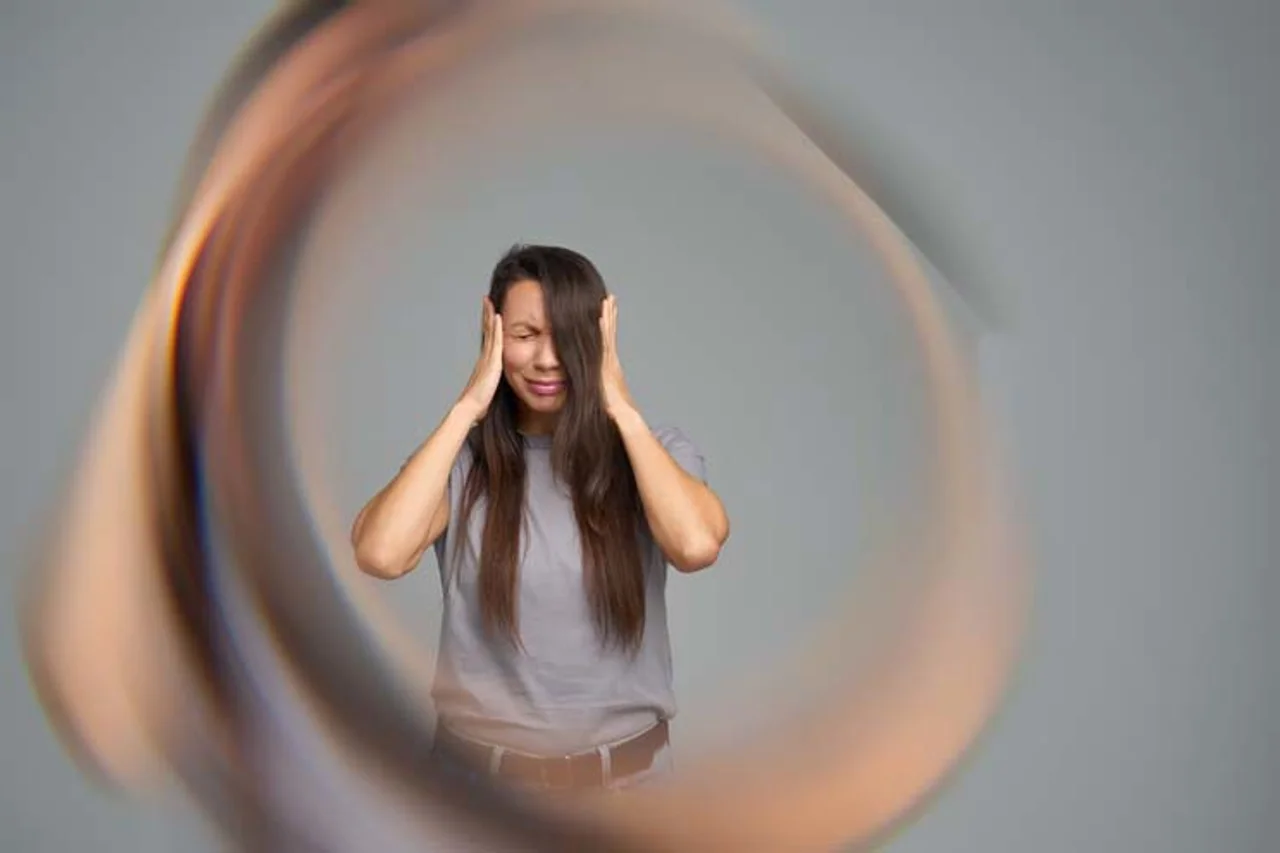
Have you ever had a moment of stillness—late at night, early in the morning—when the room is completely quiet, yet you hear a sharp ringing, buzzing, or humming that refuses to go away? Many people brush off tinnitus as something temporary, something that will “probably disappear on its own.” But for countless individuals who visit us at Banpo Newborn Korean Medicine Clinic in Banpo, Seoul, that faint ringing slowly becomes a daily presence. It grows louder, more intrusive, and eventually begins to affect concentration, mood, and sleep.
To be honest, most people don't realize just how much tinnitus can alter their quality of life until it reaches a point where they can no longer ignore it. And that’s precisely why early diagnosis is so important.
Tinnitus is not a disease itself—it is a signal, a warning sign from your body that something deeper needs attention. Whether the trigger is cervical misalignment, TMJ dysfunction, chronic stress, or circulatory impairment, tinnitus often reflects an imbalance that should be addressed before it becomes chronic and more difficult to reverse.
In this article, I’ll walk you through why tinnitus worsens, what your body may be trying to tell you, and how early, precise diagnosis—especially through Korean medicine’s integrative lens—can prevent long-term complications. At Banpo Newborn, we see patients every week who wish they had come sooner. If the ringing in your ears is getting stronger or more frequent, this may be your moment to take action.
What Exactly Is Tinnitus? A Symptom With Many Stories Behind It
Tinnitus is commonly described as:
Ringing
Buzzing
Whistling
Clicking
Pulsing
It may occur in one ear or both, and it may be constant or intermittent. But what most patients don’t realize is that tinnitus rarely appears without cause. In Korean medicine and integrative musculoskeletal care, tinnitus is often understood as a signal of disrupted flow—whether of blood, nerve conduction, or mechanical balance.
The Most Common Underlying Causes
While tinnitus is associated in popular media with loud noise exposure, in clinical practice we see a far wider range of origins:
Neck misalignment (cervical vertebrae imbalance)
TMJ dysfunction and jaw tension
Chronic neck and shoulder muscle tightness
Circulatory restriction to the head or inner ear
Stress-related autonomic nervous system imbalance
Eustachian tube dysfunction or sinus issues
Age-related hearing decline
The key point is this: tinnitus is not random. It comes from somewhere, and that “somewhere” matters.
Why Tinnitus Gets Worse Over Time
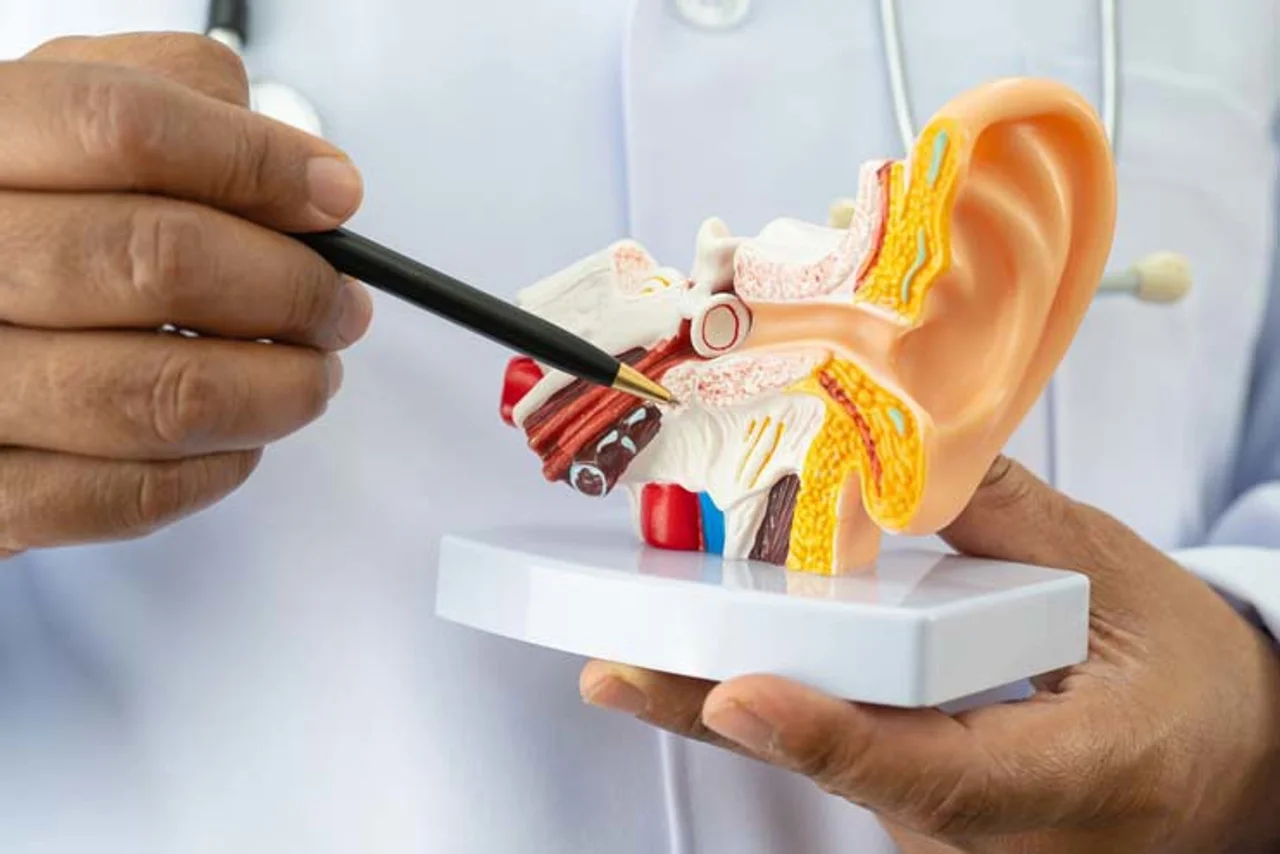
One of the most common questions we hear from patients is, “Why does the ringing keep growing? Isn’t tinnitus supposed to be harmless?”
The truth is, tinnitus tends to worsen when the underlying cause continues unchecked. Let’s look at the most common mechanisms we diagnose at Banpo Newborn.
1. Cervical Misalignment Progresses
Imagine your spine as the foundation of a house. If the foundation shifts even a little, cracks eventually appear in unexpected places. The same happens when the upper cervical spine (C1–C3) begins to tilt or rotate. This misalignment interferes with:
Blood flow to the inner ear
Nerve signals traveling through the cervical region
Tension patterns that pull on surrounding muscles
Patients often tell us, “My tinnitus gets louder when my neck is stiff.”
That’s not a coincidence—it’s a structural relationship.
2. TMJ Dysfunction Intensifies
The jaw joint sits just millimeters away from the ear canal. When the TMJ becomes inflamed, misaligned, or chronically overused (common in teeth grinding or stress), it can directly irritate the auditory system.
Many tinnitus patients at Banpo Newborn also report:
Jaw clicking
Facial pain
Headaches
Difficulty opening the mouth fully
Dr. Ungjin Im often explains it this way:
“The jaw and the ear are neighbors. When one becomes irritated, the other almost always reacts.”
3. Chronic Stress Amplifies Neurological Sensitivity
We live in a fast-paced culture. Many Koreans—especially office workers—carry high levels of sympathetic nervous system activation. Constant stress heightens the brain's sensitivity to internal sounds, making tinnitus feel louder than before.
Stress doesn’t just “make you notice it more”; it actually affects the neural pathways involved in sound perception.
4. Long-Term Circulatory Insufficiency Worsens Inner Ear Health
Reduced blood flow near the inner ear limits oxygen and nutrient delivery. Over months or years, cells become more sensitive, and tinnitus can grow into a persistent condition.
This is especially common in patients with:
Poor posture
Forward head posture from computer work
Tight trapezius and sternocleidomastoid muscles
Aging-related vascular changes
In Korean medicine, this is often seen as stagnation of qi and blood, a concept that closely mirrors modern understanding of circulatory obstruction.
The Hidden Danger: When You Wait Too Long
Many people wait months—or even years—before seeking help, hoping their tinnitus will eventually disappear. Unfortunately, the longer tinnitus persists, the more the brain begins to adapt to it, essentially hard-wiring the ringing into its perceptual system.
This phenomenon, called central sensitization, makes tinnitus far more difficult to reverse.
Once patients reach this stage, they often describe:
Constant awareness of the ringing
Emotional fatigue
Sleep disturbances
Difficulty concentrating
Heightened anxiety or irritability
By the time tinnitus affects your mood or sleep, the condition is no longer mild. Early diagnosis can prevent this progression entirely.
Why Early Diagnosis Matters – More Than You Think
A proper tinnitus diagnosis should never be a quick glance and a guess. At Banpo Newborn, our diagnostic approach is comprehensive because tinnitus rarely has a single cause.
A full assessment typically includes:
1. Cervical and Postural Evaluation
We examine:
Neck curvature
Vertebral alignment
Muscle asymmetry
Forward head posture
Atlas (C1) rotational patterns
It’s surprising how often tinnitus improves once the upper cervical region is properly aligned.
2. TMJ and Cranial Assessment
We look for:
Bite asymmetry
Jaw deviation
Muscle tension along the masseter and temporalis
Occlusion issues
TMJ-induced tinnitus is one of the most misdiagnosed forms—yet one of the most treatable.
3. Neurological and Circulatory Analysis
We evaluate:
Muscle tone in the neck and scalp
Blood flow patterns
Autonomic balance
Stress indicators
Tinnitus is often a sign of systemic imbalance, not just an auditory problem.
4. Lifestyle and Symptom Pattern Review
We ask questions like:
When is your tinnitus loudest?
Does posture affect it?
Do jaw movements change the sound?
Is your neck stiff during flare-ups?
These seemingly small details often reveal the missing link.
Early diagnosis gives us time to intervene before neural pathways “lock in” the tinnitus sensation.
How Banpo Newborn Korean Medicine Clinic Treats Tinnitus at the Source

At our clinic, we believe that treating tinnitus requires more than symptom relief—it requires addressing the structural and functional imbalances that created it.
Our treatment approach typically includes:
1. Spatial Spinal Correction & SART
Dr. Im’s specialized techniques allow for gentle, precise adjustments to the cervical spine, restoring alignment without forceful manipulation. Many tinnitus patients report relief as circulation and nerve signals normalize.
One patient recently told us,
“I didn’t realize my neck was the problem until the ringing eased right after treatment.”
2. TMJ-Focused Manual Therapy
We use techniques tailored to decompress and realign the jaw joint. This reduces pressure on the auditory nerves and often provides immediate reduction in ear-related symptoms.
3. Chuna Therapy for Muscular and Structural Balance
Chuna helps release deep layers of muscular tension that choke circulation around the ear, head, and neck.
4. Korean Medicine Herbal Support
Certain herbal formulations help improve microcirculation, reduce inflammation, and calm the overactive nervous system.
5. Autonomic Nervous System Regulation
Through acupuncture, breathing retraining, and tension-release methods, we help patients shift from a stressed state to a more regulated one—reducing tinnitus intensity for many individuals.
6. Lifestyle Coaching for Sustainable Results
We provide guidance on posture, ergonomics, sleep habits, and stress management so patients can maintain improvements long-term.
Tinnitus rarely improves in a single session, but with consistent, targeted care, many patients regain peace and silence they thought they had lost forever.
When Should You Seek Help? Warning Signs You Shouldn’t Ignore
Seek a professional diagnosis immediately if you notice any of the following:
Tinnitus that is getting louder or more frequent
Tinnitus that worsens with neck movement
Ringing accompanied by jaw tension or clicking
Tinnitus that disrupts sleep or concentration
A history of neck injury, whiplash, or poor posture
Tinnitus after a period of high stress
Sudden onset tinnitus
The earlier you address it, the easier it is to treat.
You’re Not Alone — And You Don’t Have to Live With Tinnitus Forever
More Medical Articles
Continue reading clinical insights from Banpo Newborn Korean Medicine Clinic.

Why Seoul is the Global Hub for Minimally Invasive Vertigo Treatment
Dizziness and vertigo are among the most common reasons for hospital visits in South Korea, affecting nearly 16.7% of the adult population annually according to the Korea National Health and Nutrition Examination Survey (KNHANES).
Learn More

Tinnitus Relief in Seoul: Multidisciplinary Upper Cervical Care
For many, the sound of silence is replaced by a persistent ringing, buzzing, or hissing. In South Korea, this is more than an individual annoyance; it is a significant public health trend.
Learn More

Success Rates of SART for OPLL Compared to Standard Laminectomy in Korea
The prevalence of Ossification of the Posterior Longitudinal Ligament (OPLL) in East Asian populations, particularly in South Korea, is significantly higher than in Western countries, affecting approximately 2% to 4% of the population according to nationwide...
Learn More