SART Whole-Body Spinal Alignment, Chuna Therapy & International Patient Concierge
30+ Years Clinical Experience
en-US

Korean Medicine Guide
Korean Herbal Therapy for Infant Muscle Dystonia: Is It Safe?
Is Korean herbal therapy safe for infant muscle dystonia? Learn benefits, risks, safety standards, and when it may support early treatment.
Schedule a ConsultationKorean Herbal Therapy for Infant Muscle Dystonia: Is It Safe?
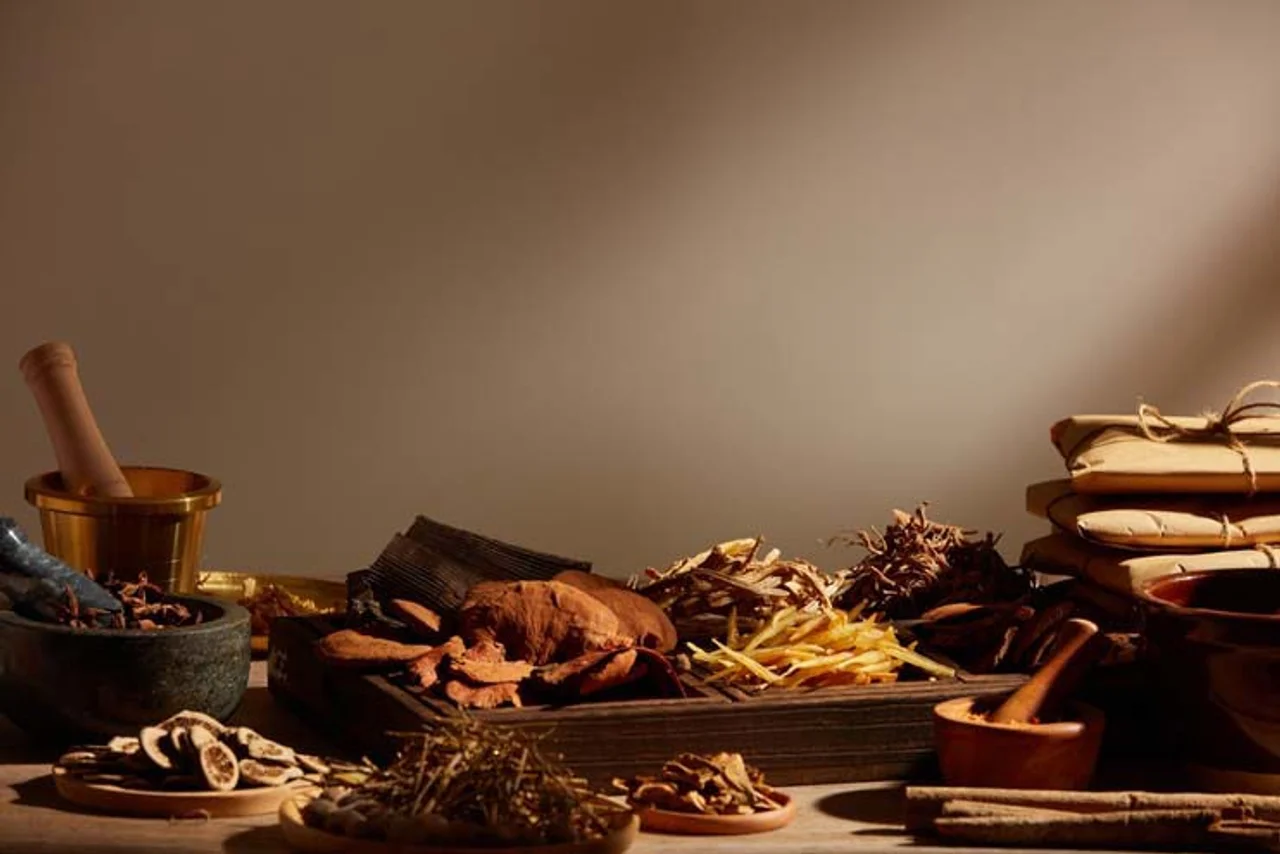
If you are a parent noticing unusual stiffness, persistent arching, or asymmetrical movements in your baby, your heart probably sinks a little each time you search for answers. Many parents who visit our clinic tell us the same thing: “Something feels off, but we don’t know what’s safe to do.”
Infant muscle dystonia is one of those conditions that lives in a gray area—often subtle at first, sometimes dismissed as “normal tension,” yet deeply concerning for families who sense that their child’s body is struggling to relax and move naturally.
At Banpo Newborn Korean Medicine Clinic, we have cared for infants and children with neuromuscular imbalance for over 30 years. One of the most common questions we hear is:
Is Korean herbal therapy safe for infants with muscle dystonia?
The short answer is: it can be—when prescribed correctly, conservatively, and as part of a carefully supervised integrative approach. The longer answer requires nuance, experience, and a deep understanding of infant physiology. That’s what we’ll explore here.
Understanding Infant Muscle Dystonia Beyond the Label
Muscle dystonia in infants refers to abnormal muscle tone, often presenting as excessive stiffness (hypertonia), involuntary twisting, or persistent postural asymmetry. Unlike adult dystonia, infant cases are rarely isolated neurological diagnoses. More often, they reflect immature nervous system regulation, prenatal or birth-related stress, or early spinal and cranial imbalance.
To be honest, many parents are surprised to learn that muscle tone is not controlled by muscles alone. It is regulated by a complex conversation between the brain, spinal cord, peripheral nerves, fascia, and even breathing patterns. When that communication is disrupted—whether by prolonged labor, positional compression in utero, or early postural strain—the body compensates.
In Korean medicine, we don’t ask only “Which muscle is tight?” We ask:
Why is the nervous system maintaining this tension?
What is the body protecting itself from?
And how can we help it feel safe enough to let go?
How Korean Medicine Views Infant Muscle Tone
Traditional Korean Medicine (TKM) approaches infant muscle dystonia through a functional and developmental lens, not a disease-centered one.
Rather than labeling the infant as “pathological,” we often see dystonia as:
Immature qi and blood circulation
Imbalance between liver regulation and spleen nourishment
Residual birth stress affecting the spine and cranial rhythm
In infants, the Liver system (which governs smooth movement and muscle relaxation) is still developing. When overstimulated—by stress, tension, or asymmetrical posture—it can manifest as stiffness or jerky movements.
At the same time, the Spleen system, responsible for digestion and muscle nourishment, may be too weak to support relaxed, coordinated motion. This is why muscle dystonia in infants often coexists with:
Feeding difficulties
Frequent crying or startle reflex
Poor sleep or reflux-like symptoms
Understanding this interconnected picture is essential before even considering herbal therapy.
What Is Korean Herbal Therapy for Infants?

Korean herbal therapy for infants is not simply a smaller dose of adult medicine. This is a critical point.
At Banpo Newborn, pediatric herbal formulas are:
Individually prescribed
Extremely low in dosage
Carefully selected for immature liver and kidney function
Adjusted weekly or biweekly based on response
Herbs are chosen not to “force relaxation,” but to:
Gently regulate nervous system excitability
Support digestive absorption and muscle nourishment
Reduce internal tension patterns that perpetuate dystonia
Think of it less like medication and more like nutritional signaling for the developing system.
The Safety Question: What Parents Are Right to Worry About
Parents should be cautious. In fact, we believe that healthy skepticism is a sign of responsible caregiving.
Concerns we often hear include:
Will herbs overload my baby’s liver?
Could this interfere with neurological development?
Is there a risk of allergic reaction?
What about heavy metals or contamination?
These are valid questions—and unfortunately, not all herbal practices worldwide meet the same safety standards.
What Makes Korean Herbal Therapy Safe When Done Correctly
At a professional clinic level, safety is ensured through:
1. Pediatric-Specific Herbal Selection
Only herbs with a long-standing history of infant use and documented safety profiles are considered. Many commonly known adult herbs are strictly avoided.
2. Ultra-Low Dosing
Infant formulas may contain a fraction of the adult dose—sometimes less than 1/20th—administered in diluted decoctions or syrups.
3. Continuous Monitoring
We never prescribe and forget. Changes in stool, sleep, feeding, or muscle tone are closely tracked.
4. Clean Sourcing and Testing
Herbs used in licensed Korean medicine clinics in Korea undergo quality control testing for contaminants and heavy metals.
Without these safeguards, herbal therapy should not be attempted.
When Herbal Therapy Is Not Appropriate
Equally important is knowing when not to use herbs.
At our clinic, we delay or avoid herbal therapy if:
The infant has unresolved metabolic or genetic disorders
There is severe, progressive neurological degeneration
The digestive system cannot tolerate even diluted preparations
Muscle dystonia is secondary to acute brain injury requiring hospital-based care
In such cases, herbal therapy may be introduced later—or not at all. Responsible Korean medicine is about knowing limits, not overreaching.
Why Herbs Alone Are Rarely the Answer
One of the most misunderstood aspects of treating infant muscle dystonia is the belief that a single intervention can “fix” it.
In reality, herbal therapy works best as a supportive tool, not a standalone solution.
At Banpo Newborn, treatment typically integrates:
Gentle spinal and cranial alignment (SART) to reduce neurological irritation
Chuna-based pediatric manual therapy to normalize muscle tone patterns
Parent-guided positioning and handling education
Herbal support, only when indicated
We often explain it like this:
If the spine is sending distorted signals to the nervous system, herbs alone are like watering a plant while the pot is tilted. Alignment creates the conditions for herbs to work safely and effectively.
A Clinical Insight from Dr. Im
Dr. Ungjin Im often reminds parents:
“In infants, tension is rarely stubborn—it is protective. When the body feels safe, it relaxes naturally.”
This philosophy guides our cautious use of herbal therapy. We never aim to suppress symptoms. Instead, we aim to remove the reasons the body is holding on.
In many cases, once spinal and postural stress is corrected, the need for herbal support diminishes significantly—or disappears altogether.
What Outcomes Can Parents Expect?
When herbal therapy is appropriate and combined with structural care, parents often report:
Softer muscle tone within weeks
Improved symmetry in movement
Better feeding and digestion
Longer, more settled sleep
Reduced startle reflex and irritability
Progress is gradual, not dramatic—and that is a good sign. Rapid changes in infants can sometimes indicate overstimulation.
Final Thoughts: Is It Safe?
So, is Korean herbal therapy safe for infant muscle dystonia?
Yes—when:
Prescribed by a licensed Korean medicine doctor
Customized specifically for infants
Used conservatively
Integrated with physical and neurological assessment
Continuously monitored and adjusted
No—when:
Self-prescribed
Purchased online without supervision
Used as a replacement for proper diagnosis
Applied without understanding the infant’s structural condition
If you are considering care for an infant with muscle dystonia, we encourage you to seek a clinic that values precision over aggression, observation over assumption, and long-term development over quick fixes.
At Banpo Newborn Korean Medicine Clinic, our role is not to rush your child’s body—but to help it unfold safely, naturally, and with confidence.
Healing in infancy is not about doing more.
Often, it’s about doing just enough—at the right time, in the right way.
More Medical Articles
Continue reading clinical insights from Banpo Newborn Korean Medicine Clinic.

Why Seoul is the Global Hub for Minimally Invasive Vertigo Treatment
Dizziness and vertigo are among the most common reasons for hospital visits in South Korea, affecting nearly 16.7% of the adult population annually according to the Korea National Health and Nutrition Examination Survey (KNHANES).
Learn More

Tinnitus Relief in Seoul: Multidisciplinary Upper Cervical Care
For many, the sound of silence is replaced by a persistent ringing, buzzing, or hissing. In South Korea, this is more than an individual annoyance; it is a significant public health trend.
Learn More

Success Rates of SART for OPLL Compared to Standard Laminectomy in Korea
The prevalence of Ossification of the Posterior Longitudinal Ligament (OPLL) in East Asian populations, particularly in South Korea, is significantly higher than in Western countries, affecting approximately 2% to 4% of the population according to nationwide...
Learn More