SART Whole-Body Spinal Alignment, Chuna Therapy & International Patient Concierge
30+ Years Clinical Experience
en-US

Korean Medicine Guide
Korean Medicine Treatment For Parkinson's Guide | Dr. Im
Discover how Korean medicine treatment for Parkinson's disease focuses on neuroprotection and symptom management. Consult with Dr. Ungjin Im in Seoul today.
Schedule a ConsultationIntroduction
For Brian and many others living with a Parkinson's diagnosis in cities like New York or Los Angeles, the search for something more than standard medication is a daily reality. The tremor that won't stop or the rigidity that slows your morning should not define your future. When exploring integrative options, many ask: is Korean medicine treatment for Parkinson's disease a viable path? This question is at the heart of a growing movement toward holistic rehabilitation and non surgical Parkinson's care. Many patients find that conventional treatments often focus solely on dopamine replacement, but patients frequently struggle with side effects and the gradual wearing off of efficacy.
This comprehensive guide explores how Korean medicine treatment for Parkinson's disease targets neuroinflammation and supports the central nervous system. We will examine the role of spinal alignment in neurological health and the safety protocols for integrating East West care. Furthermore, we will delve into why Dr. Ungjin Im’s 30 year methodology at Banpo Newborn Korean Medicine Clinic offers a unique perspective for those seeking a more robust approach to their health. As the Director of Banpo Newborn Korean Medicine Clinic with over 30 years of clinical experience, Dr. Ungjin Im has dedicated his career to non surgical musculoskeletal and neurological rehabilitation.
The role of artificial intelligence in clinic medical articles is also worth noting. AI helps with research by aggregating vast amounts of clinical data and structuring content to ensure it is readable and useful for patients. It supports SEO so that people in need can find this information easily. However, while AI helps in speeding up content creation and organizing complex medical theories, the accuracy and medical review remain the top priorities of Dr. Ungjin Im and his clinical team. This article combines traditional wisdom with modern organizational tools to provide the most thorough resource available on Korean medicine treatment Parkinson's disease.
The Foundations Of Korean Medicine Treatment For Parkinson's Disease
The philosophy of Korean medicine neurological treatment is rooted in the belief that the body is an interconnected system where the brain is not an isolated organ. When we discuss Korean medicine treatment Parkinson's disease, we are looking at a system that has evolved over thousands of years to address the root causes of physical and mental decline. In Korean medicine, Parkinson's is often viewed through the lens of internal wind and the depletion of vital essences. This perspective allows practitioners to look beyond the motor symptoms and address the underlying systemic imbalances that contribute to neurodegeneration.
The Concept Of Qi And Blood Flow In Neurology
In the context of Korean medicine neurological treatment, the concepts of Qi and blood flow are fundamental. Qi can be thought of as the bioelectric energy that powers the nervous system. When Qi is stagnant or deficient, the communication between the brain and the muscles begins to break down. This is what we observe as motor symptoms like tremors and bradykinesia. Korean medicine treatment Parkinson's disease focuses on restoring the smooth flow of Qi to ensure that the substantia nigra and other critical brain regions receive the nourishment they need.
Blood flow is equally important. In traditional theory, blood carries the nutrients and oxygen required for cellular repair. For a patient with Parkinson's, improving microcirculation in the brain is a form of neuroprotection. By using specific techniques to enhance blood flow, Korean medicine neurological treatment aims to slow the progression of the disease and support the health of remaining dopaminergic neurons. This holistic rehabilitation approach ensures that the entire body is primed for recovery.
Addressing Neuroinflammation With Herbal Medicine
Neuroinflammation is a key driver of Parkinson's progression. Korean medicine treatment Parkinson's disease utilizes specialized herbal decoctions that have been studied for their antiinflammatory properties. These herbs are not just random supplements; they are carefully formulated prescriptions tailored to the individual's constitution. For example, herbs like Gastrodia elata and Uncaria rhynchophylla are often used in Korean medicine neurological treatment to calm the internal wind that causes tremors.
Modern research suggests that these herbal decoctions can cross the blood brain barrier to reduce oxidative stress. This is a critical component of non surgical Parkinson's care. By lowering the level of neuroinflammation, we can create a more hospitable environment for brain cells. This type of Korean medicine treatment Parkinson's disease works in harmony with the body's natural defense mechanisms. Dr. Ungjin Im often emphasizes that the goal of herbal medicine is to stabilize the internal environment so the nervous system can function at its peak.
Dr. Im’s Perspective On Brain Body Connection
Dr. Ungjin Im believes that the brain and body are constantly communicating through the spinal cord and the peripheral nervous system. In his 30 years of practice, he has observed that patients with Parkinson's often have significant physical tension and structural misalignments that exacerbate their neurological symptoms. He often says, We do not just treat the tremor; we treat the person whose nervous system is under stress. This philosophy is the cornerstone of the Korean medicine treatment Parkinson's disease offered at Banpo Newborn Clinic.
The brain body connection means that if the body is in a state of constant stress or physical restriction, the brain cannot heal. Therefore, Korean medicine neurological treatment must include physical modalities alongside herbal and energetic therapies. By addressing the physical manifestation of the disease, such as muscle rigidity and postural instability, we can send positive feedback loops to the brain. This integrated approach is what makes Korean medicine treatment Parkinson's disease so effective for improving quality of life.
Space Spinal Correction A Unique Approach To Neurological Health
One of the most distinctive features of the Korean medicine treatment Parkinson's disease at Banpo Newborn Korean Medicine Clinic is the focus on Space Spinal Correction. While many clinics focus only on the brain, Dr. Ungjin Im recognizes that the spine is the highway of the nervous system. If the highway is blocked or narrowed, the signals from the brain cannot reach their destination effectively. This section explores how spinal alignment is a crucial part of non surgical Parkinson's care.
How Spinal Alignment Affects The Central Nervous System
The central nervous system is housed within the skull and the vertebral column. The dural sac, which is a membrane that surrounds the spinal cord, contains cerebrospinal fluid. This fluid is essential for removing waste products from the brain and providing cushioning. In many Parkinson's patients, the spine becomes compressed due to age and the characteristic stooped posture of the disease. This compression can interfere with the flow of cerebrospinal fluid and put pressure on the dural sac.
Korean medicine treatment Parkinson's disease includes Space Spinal Correction to alleviate this pressure. By creating space between the vertebrae, we can improve the circulation of spinal fluid and enhance the function of the central nervous system. This is a vital part of Korean medicine neurological treatment because it addresses the structural reality of the patient. When the spine is aligned, the brain can communicate more clearly with the rest of the body, potentially reducing the severity of motor symptoms.
The Role Of Chuna Manual Therapy In Parkinson's Care
Chuna manual therapy is a traditional Korean form of manipulation that is highly effective for non surgical Parkinson's care. Unlike some aggressive forms of adjustment, Chuna is a gentle and functional method used to correct the balance of the musculoskeletal system. For patients receiving Korean medicine treatment Parkinson's disease, Chuna is used to address the rigidity that makes movement difficult. By mobilizing the joints and stretching the soft tissues, Chuna helps to restore a more natural posture.
This therapy is particularly beneficial for postural instability, which is one of the most challenging aspects of Parkinson's. Regular sessions of Chuna as part of a Korean medicine neurological treatment plan can help patients feel more grounded and stable on their feet. Dr. Ungjin Im uses his decades of experience to apply Chuna in a way that is safe for seniors, ensuring that the treatment is both effective and comfortable. The goal is to create a body that is flexible and resilient.
Balancing The Autonomic Nervous System
Parkinson's disease is famous for its motor symptoms, but non motor symptoms can be just as debilitating. Issues like constipation, sleep disturbances, and orthostatic hypotension are all related to the autonomic nervous system. Korean medicine treatment Parkinson's disease recognizes that the spine plays a major role in autonomic function. The nerves that control our internal organs exit from the spinal cord. If the spine is misaligned, these nerves can compromised.
Through Space Spinal Correction and other Korean medicine neurological treatment modalities, we can help balance the sympathetic and parasympathetic nervous systems. Many patients find that their digestion improves and their sleep becomes more restful after starting Korean medicine treatment Parkinson's disease. This holistic rehabilitation approach ensures that every aspect of the patient's health is being considered. By treating the spine, we are treating the root of the autonomic nervous system.
Integrating Acupuncture And Pharmacopuncture
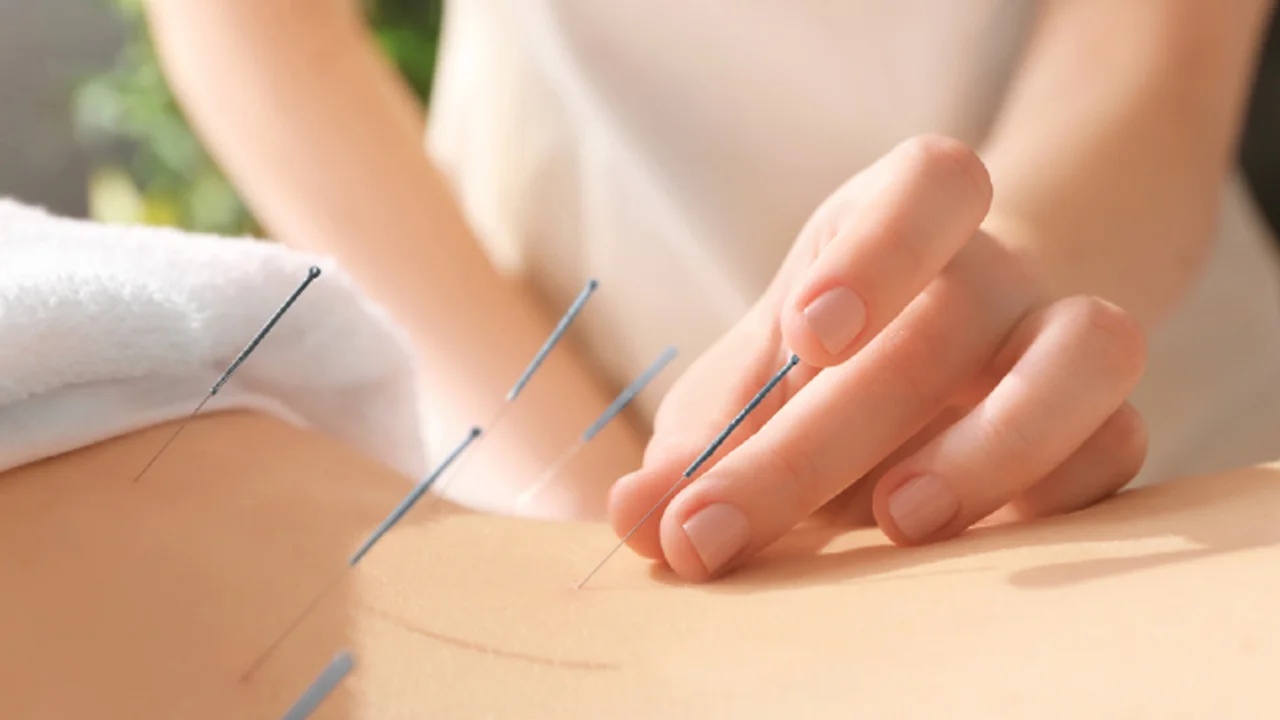
Acupuncture is perhaps the most well known component of Korean medicine treatment Parkinson's disease. However, at Banpo Newborn Clinic, we use advanced techniques that go beyond standard acupuncture. These methods are designed to provide targeted support for the neurological system and offer a non surgical Parkinson's care option that is backed by clinical observation.
Scalp Acupuncture For Motor Function
More Medical Articles
Continue reading clinical insights from Banpo Newborn Korean Medicine Clinic.

Why Seoul is the Global Hub for Minimally Invasive Vertigo Treatment
Dizziness and vertigo are among the most common reasons for hospital visits in South Korea, affecting nearly 16.7% of the adult population annually according to the Korea National Health and Nutrition Examination Survey (KNHANES).
Learn More

Tinnitus Relief in Seoul: Multidisciplinary Upper Cervical Care
For many, the sound of silence is replaced by a persistent ringing, buzzing, or hissing. In South Korea, this is more than an individual annoyance; it is a significant public health trend.
Learn More

Success Rates of SART for OPLL Compared to Standard Laminectomy in Korea
The prevalence of Ossification of the Posterior Longitudinal Ligament (OPLL) in East Asian populations, particularly in South Korea, is significantly higher than in Western countries, affecting approximately 2% to 4% of the population according to nationwide...
Learn More