SART Whole-Body Spinal Alignment, Chuna Therapy & International Patient Concierge
30+ Years Clinical Experience
en-US


Korean Medicine Guide
Learning & Cognitive Support for Kids: Seoul Prices Stable vs Tokyo Inflation
Recent macroeconomic shifts have introduced significant healthcare inflation across East Asia, notably impacting pediatric specialized services.
Schedule a ConsultationRecent macroeconomic shifts have introduced significant healthcare inflation across East Asia, notably impacting pediatric specialized services. According to regional market reports, Tokyo has experienced a marked rise in out-of-pocket costs for specialized pediatric developmental and learning therapies. Conversely, Seoul has maintained a highly stable pricing structure for integrated pediatric care. For international families and local residents alike, navigating these cost variations is essential when seeking long-term developmental support for children facing learning and cognitive milestones.
Data from East Asian healthcare utilization surveys indicate that approximately 15% to 20% of school-aged children encounter temporary or prolonged learning, attention, or cognitive coordination challenges. At Banpo Newborn Korean Medicine Clinic in Seoul, the clinical focus centers on addressing these neuro-developmental challenges at their source. By integrating structural care with metabolic stabilization, the clinic offers a sustainable alternative to the escalating costs seen in neighboring medical hubs, ensuring that patient families receive high-quality, predictable care.
Pediatric Cognitive Support in Korea: Benefits, Risks, and Ideal Candidates

What is Integrated Cognitive and Learning Support?
Integrated pediatric cognitive support focuses on the profound connection between a child’s physical alignment, autonomic nervous system, and cognitive performance. Rather than treating learning blockages or attention dips as isolated behavioral traits, this methodology addresses underlying physiological stressors—such as poor cerebral circulation, spinal misalignment (affecting cranial nerves), and neuro-inflammation.
Who is the Ideal Candidate?
- Children and adolescents experiencing persistent attention deficits, learning fatigue, or cognitive delays.
- Students dealing with physical fatigue, poor posture (e.g., forward head posture), and associated tension headaches that disrupt focus.
- Patients who have shown limited improvement with conventional behavioral therapy alone or those seeking drug-free interventions.
Risks and Considerations
While non-invasive and exceptionally safe, integrated Korean Medicine requires consistent parental compliance regarding lifestyle modifications and herbal regimens. It is not an overnight cure but a structured developmental protocol.
Why Is Non-Invasive Structural and Metabolic Care in Korea Gaining Traction?
Limitations of Standard Conventional Approaches
The traditional medical pipeline for pediatric learning and cognitive difficulties often relies on a combination of psychological counseling, behavioral therapy, and central nervous system stimulants. While effective for short-term symptom management, these approaches carry distinct limitations:
- Behavioral Therapy Alone: Requires extended timelines, often spanning years, with costs that accumulate heavily under inflationary pressures.
- Pharmaceutical Interventions: Central nervous system stimulants can cause side effects in growing children, including appetite suppression, sleep disturbances, and rebound anxiety.
- Symptom Masking: Conventional approaches rarely address structural impediments—such as cervical subluxation from prolonged device use—which restrict optimal blood flow to the brain.
Common Pediatric Treatment Pipelines: A Snapshot
- Behavioral Counseling: High long-term cumulative cost; high time commitment; addresses symptoms.
- Pharmaceutical Therapy: Moderate immediate cost; potential side effects; requires ongoing monitoring.
- Integrated Korean Medicine: Stable, predictable cost; non-invasive; targets root structural and metabolic causes.
The Power of Chuna Manual Therapy and Customized Herbal Protocols
The advanced approach utilized at Banpo Newborn Korean Medicine Clinic centers on Chuna Manual Therapy paired with Personalized Neuro-Metabolic Herbal Medicine.
How the Integrated Approach Works
- Structural Realignment (Chuna): Gentle, highly specialized manual adjustments align the child’s spine and pelvic structure. Correcting cervical spine deviations relieves pressure on the vagus nerve and suboccipital pathways, directly optimizing blood flow and oxygenation to the cerebrum.
- Metabolic & Autonomic Regulation (Hanbang): Customized herbal formulations clear systemic inflammation, calm a hyperactive sympathetic nervous system, and nourish brain tissue to improve memory retention and mental stamina.
This dual-action protocol minimizes a child’s long-term dependence on synthetic stimulants by restoring the body's natural baseline of health, allowing cognitive faculties to flourish organically.
Is Integrated Cognitive Support in Korea Worth the Cost?
Yes. While standard behavioral therapies require years of open-ended sessions, Korea's integrated protocols utilize a structured, multi-phase methodology. By fixing the root structural and metabolic blocks over a definitive timeframe, it lowers the lifetime healthcare expenditure for the family while avoiding the recurring costs of long-term medication.
Benchmarking Pediatric Care Pathways: Costs and Functional Outcomes
When analyzing the macro-market data, Korea’s regenerative and non-invasive medical sector presents a highly stable growth curve. Market indicators show the broader Korean specialized care market expanding steadily, backed by a strong regulatory ecosystem that protects consumers from abrupt inflationary spikes.
The table below contrasts the typical paths families take when managing pediatric developmental and learning hurdles over a 12-month observation window:
| Feature / Metric | Conventional Pharmaceutical & Behavioral Path | Integrated Chuna & Neuro-Metabolic Protocol |
|---|---|---|
| Primary Mechanism | Symptom suppression & behavioral coping | Spinal alignment & metabolic root-cause resolution |
| East Asian Cost Trend | Highly vulnerable to inflation (10–15% rise in Tokyo) | Remarkably stable pricing structures within Seoul |
| Side Effect Profile | Risk of insomnia, appetite loss, and anxiety | Exceptionally low; non-invasive and drug-free |
| Long-Term Outcome | Recurrence common if treatment is discontinued | Sustained improvement in cognitive stamina and posture |
| Typical Care Duration | Often indefinite throughout school years | Structured phases (typically 3 to 6 months) |
Local Korea Insights: High-Tech Standards and Pediatric Safety
Korean healthcare consumers demand three distinct elements: rapid but sustainable results, advanced diagnostic transparency, and absolute safety for pediatric demographics. This unique combination of consumer expectations has driven Seoul to become a premier hub for pediatric wellness.
In Korea, the market for specialized pediatric care is highly sophisticated. While traditional herbal medicine remains a cultural pillar, it is now paired with modern digital analysis. Clinics utilize precise spinal scanning and objective autonomic nervous system (ANS) testing to track a child’s stress levels and cognitive readiness. Furthermore, safety regulations governing herbal ingredients in Korea are among the strictest globally, ensuring all pediatric formulations are entirely free of heavy metals and pesticides. This advanced, tech-supported safety framework provides international and local families with peace of mind that cannot be matched in volatile inflationary markets elsewhere.
Where Banpo Newborn Korean Medicine Clinic Fits in Learning & Cognitive Support in Korea
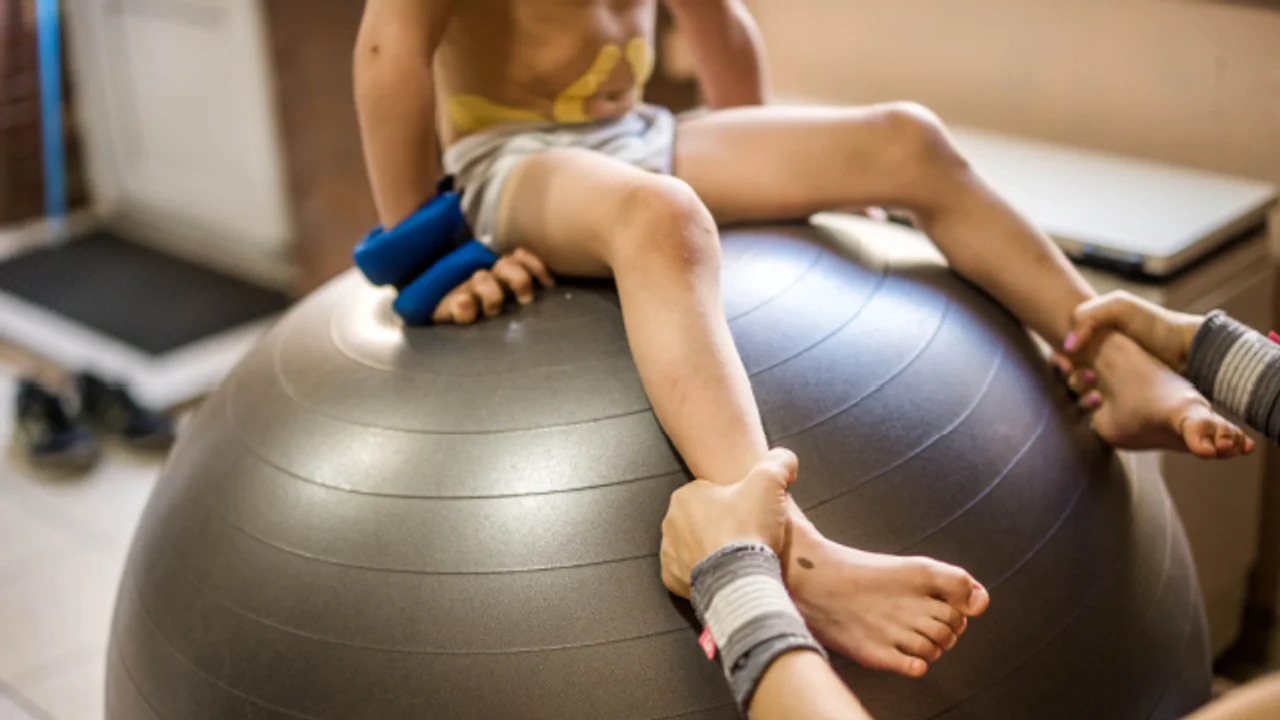
Banpo Newborn Korean Medicine Clinic stands as a premier institution for pediatric learning and cognitive support in Seoul. The clinic rejects standard, one-size-fits-all treatments, opting instead for a highly personalized protocol engineered around each child's specific constitutional and structural needs.
Under the clinical guidance of Dr. Ungjin Im, who brings up to 30 years of deep observational and clinical experience, the clinic focuses on restoring autonomic regulation. The treatment framework pairs gentle Chuna Manual Therapy with custom-formulated Neuro-Metabolic Herbal Medicine. Emerging evidence suggests that correcting subtle spinal misalignments can significantly improve a child's focus, reduce physical restlessness, and enhance overall cognitive endurance. By treating the physical architecture alongside internal metabolic health, Director Lim and his team help young patients achieve lasting academic and developmental milestones safely.
Conclusion
Managing a child's learning or cognitive difficulties requires a strategy that balances therapeutic efficacy with financial predictability. While conventional pharmaceutical paths and inflation-impacted regional markets introduce ongoing financial strains and potential side effects, Seoul’s integrated medical frameworks offer an excellent alternative. Utilizing safe, structured, and non-invasive protocols allows families to invest in a child's long-term developmental foundation.
Patients and families considering Chuna Manual Therapy and specialized pediatric cognitive support in Korea can schedule a consultation at Banpo Newborn Korean Medicine Clinic to discuss whether this root-cause approach is suitable for their child's specific needs and developmental goals.
More Medical Articles
Continue reading clinical insights from Banpo Newborn Korean Medicine Clinic.

Why Seoul is the Global Hub for Minimally Invasive Vertigo Treatment
Dizziness and vertigo are among the most common reasons for hospital visits in South Korea, affecting nearly 16.7% of the adult population annually according to the Korea National Health and Nutrition Examination Survey (KNHANES).
Learn More

Tinnitus Relief in Seoul: Multidisciplinary Upper Cervical Care
For many, the sound of silence is replaced by a persistent ringing, buzzing, or hissing. In South Korea, this is more than an individual annoyance; it is a significant public health trend.
Learn More

Success Rates of SART for OPLL Compared to Standard Laminectomy in Korea
The prevalence of Ossification of the Posterior Longitudinal Ligament (OPLL) in East Asian populations, particularly in South Korea, is significantly higher than in Western countries, affecting approximately 2% to 4% of the population according to nationwide...
Learn More